Be careful when visiting Burlington, Vermont’s downtown waterfront; you might run into a monster.
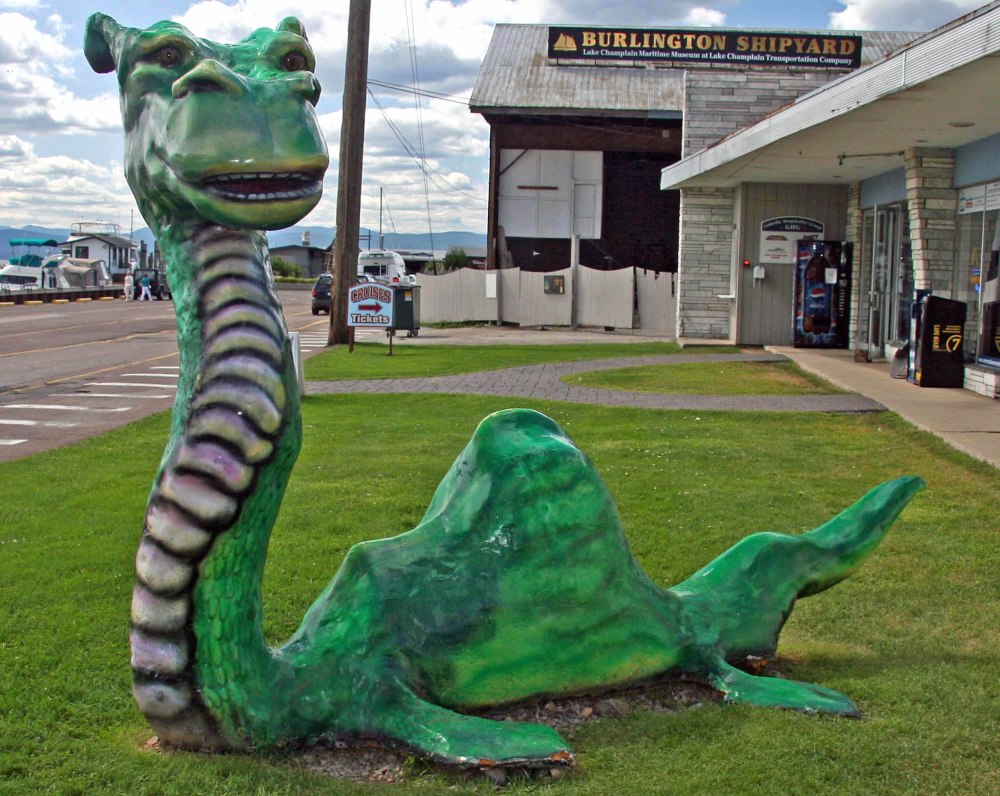
Don’t worry, the green fiberglass statue located on King Street, not far from the Champlain Ferry Dock represents the mysterious, but endearingly approachable “Champ,” the Champlain Lake Monster. News stories from years past tell of somewhat official sightings, including a steamship colliding with something unexplainable, while the “I saw it” tales have raged for generations.
America’s version of the Loch Ness Monster, Champ’s typically described as having a long neck, a thick body of 15-50 feet long, four fins and a long tail. The lore has long existed in Abenaki and Iroquois cultures, with Samuel de Champlain — the French cartographer/explorer who discovered his namesake waters in 1609 — said to have made the first non-indigenous lake monster report.
Despite P.T. Barnum’s 1873 offer of $50,000 for Champ’s capture, definitive proof has yet to materialize. Still, locals lovingly defend their cryptid legend, while official ordinances in Vermont and New York protect Champ from harassment.
Need more? The local minor league baseball team proudly goes by the name Vermont Lake Monsters.
Okay, opinions vary on whether or not an elusive creature actually roams the waters of the beautiful 514-square-mile body of water straddling the New York/Vermont border, but one thing’s beyond debate: This lake flanked by the Adirondacks and the Green Mountains is full of fish.
Opportunities Abound
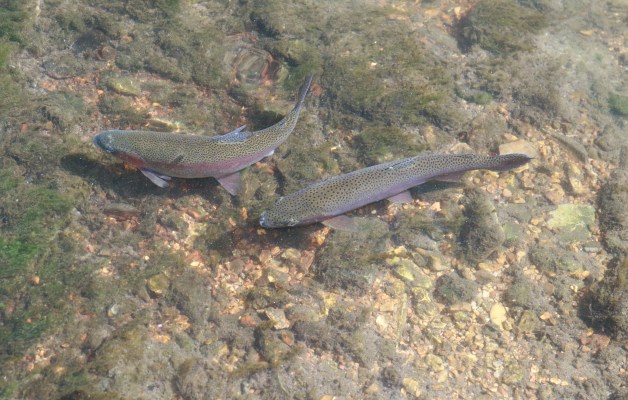
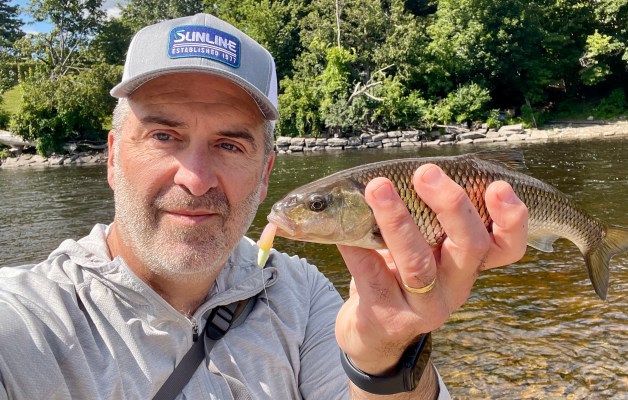
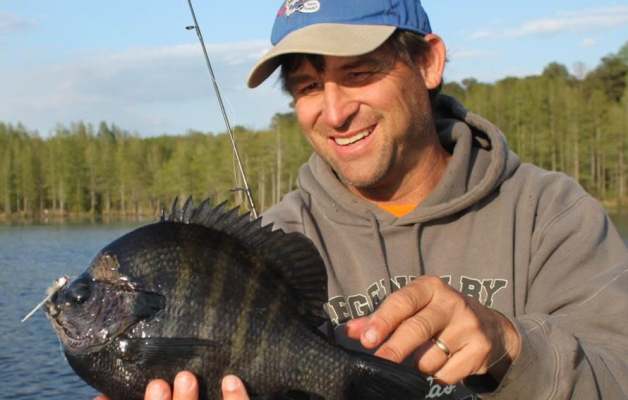
What kind of fish? Well, the menu includes plenty of rock bass, bluegill and yellow perch, while walleye, northern pike and lake trout level up the sport.
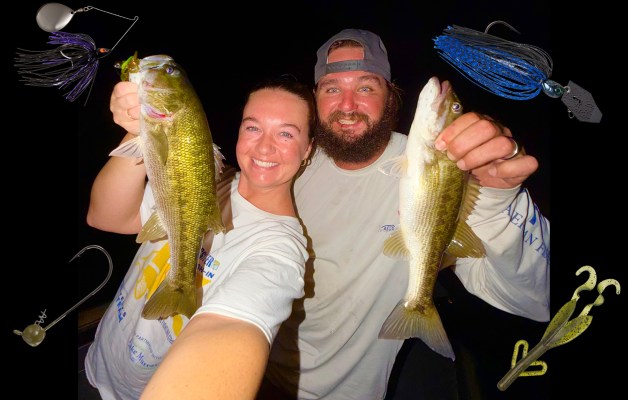
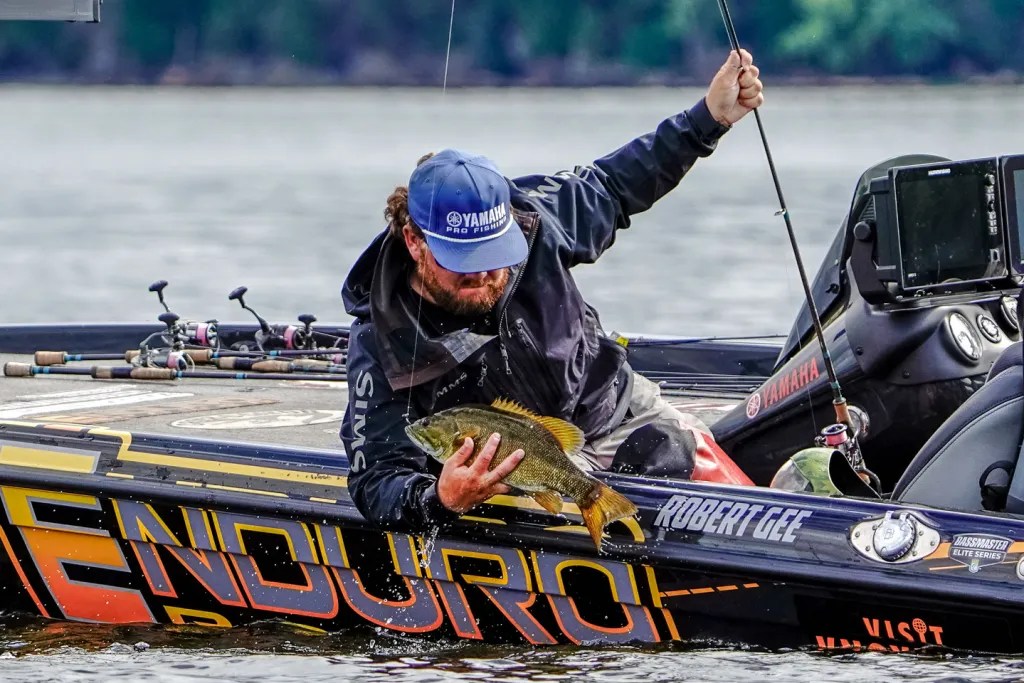
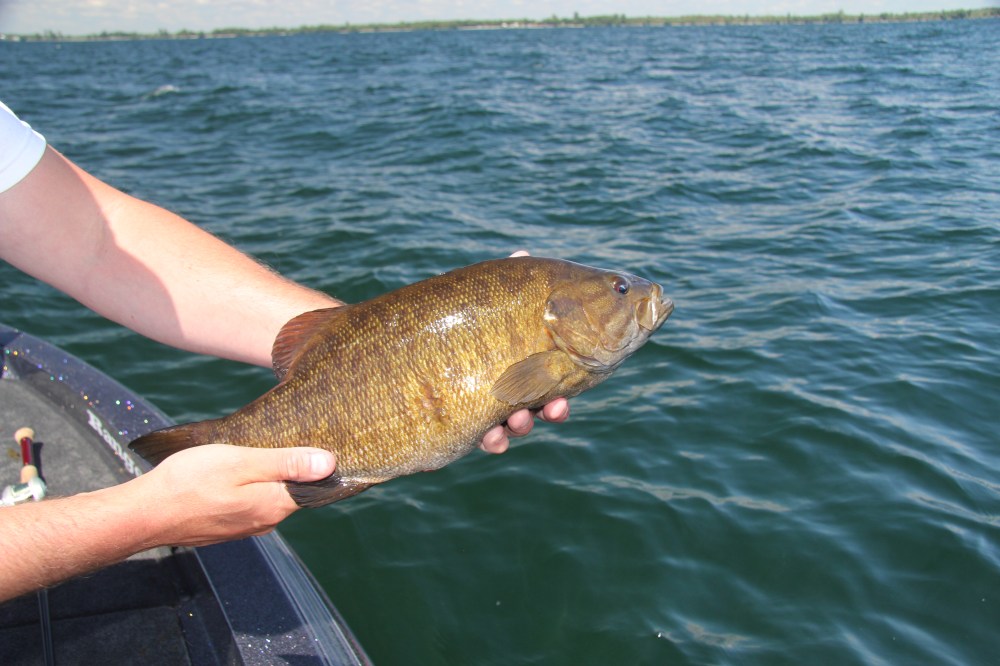
Defining Champlain’s broadest appeal, Bassmaster competitors and anglers nationwide know well this lake’s stellar largemouth and smallmouth bass opportunities. Historically, smallmouth tend to be more numerous, while largemouth grow bigger, but Champlain holds lots of 5-plus-pound smallies — a point that helps frame the appeal.
Fed by multiple rivers and creeks, Champlain receives lots of enriching inflows that help maintain a healthy forage base. The lake current runs northward and exits via the Richelieu River, which makes its way through Quebec to join the mighty St. Lawrence River.
Champlain is an incredibly diverse lake with distinctly different regions. For a tight summary, the upper end comprises a mix of islands, bays and the massive Inland Sea (the northeastern branch). This part of the lake holds lots of largemouth habitat from shallow vegetation to shoreline wood, to marinas and private docks, while smallmouth gravitate to the various boulders and rock reefs in deeper water.
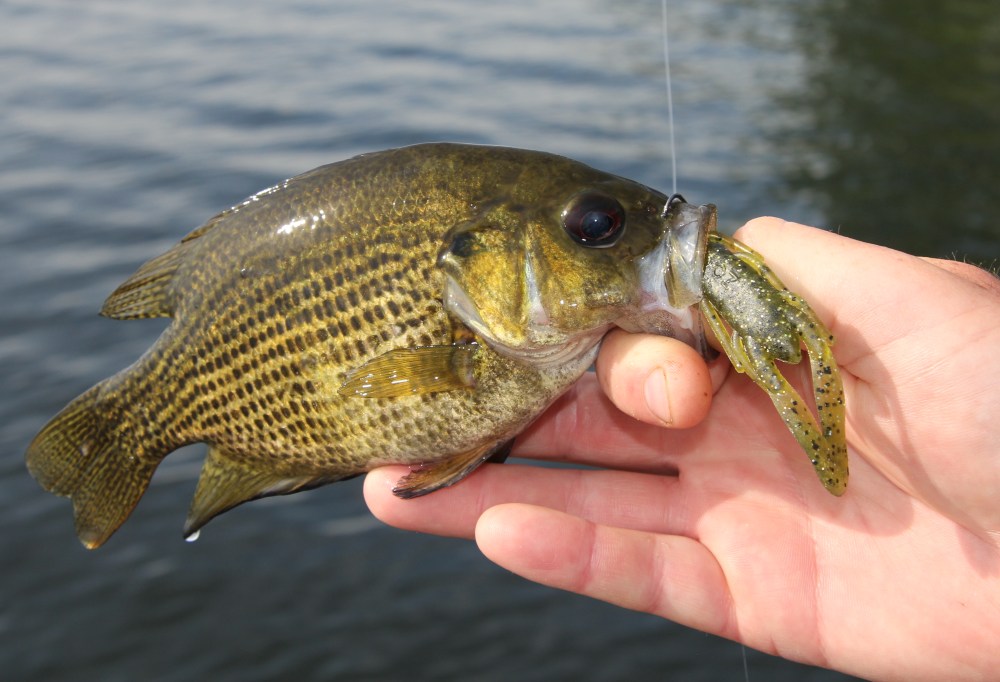
The wider midsection holds the greatest depth, with some areas plunging to 400 feet. Smallmouth and largemouth inhabit this portion of the lake, but with fewer of the reachable habitat features that bass anglers seek, Champlain’s middle sees less fishing attention.
By contrast, the lower region, which stretches uplake from Crown Point to Whitehall, N.Y., takes on a more narrow, riverine composition. Smallmouth definitely roam the lower lake’s deeper channel areas, but shallow vegetation and scattered wood spotlights the largemouth.
Ticonderoga, named for the historic fort sitting on Champlain’s western shore, has long been one of the lake’s premier largemouth sections. An abundance of grass, tributary inflow and water that warms faster than deeper downlake areas make this a popular area for those seeking big green ones.
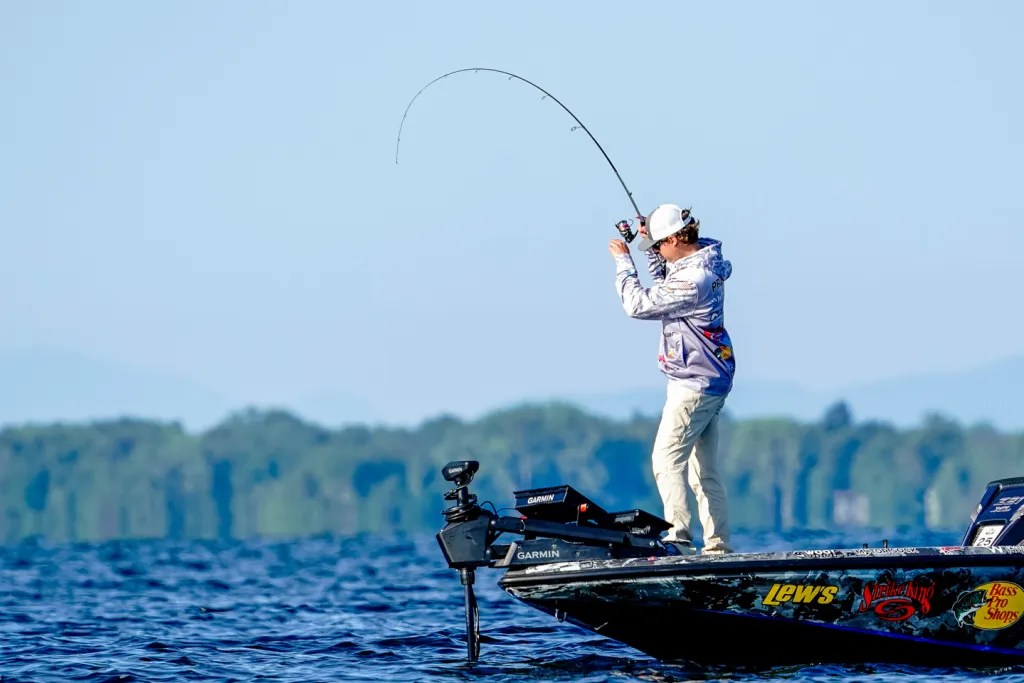
Wherever anglers fish, the biggest consideration on Champlain is the wind. The lake has more than 70 islands of various size, so you can usually find a leeward area to fish. However, with most of the major tournaments running out of Plattsburgh, N.Y., anglers often face lengthy runs to the prime areas.
With its north-south orientation, Champlain is given to rough conditions when big winds blow up or down the pipe. This presents a serious consideration for anglers hoping to capitalize on Ticonderoga’s chunky largemouth. The run from Plattsburgh is about 70 miles and there’s not much wind break for most of the journey.
Even on calm days, “Ti,” as it’s known, is pretty much a full day’s commitment, but when strong winds complicate the run down and/or back, time management becomes as critical as the right bait selection. Many are the sad tales of anglers catching big limits of Ti giants, only to have rough rides extend their return trips past their check-in times.
Top Tactics
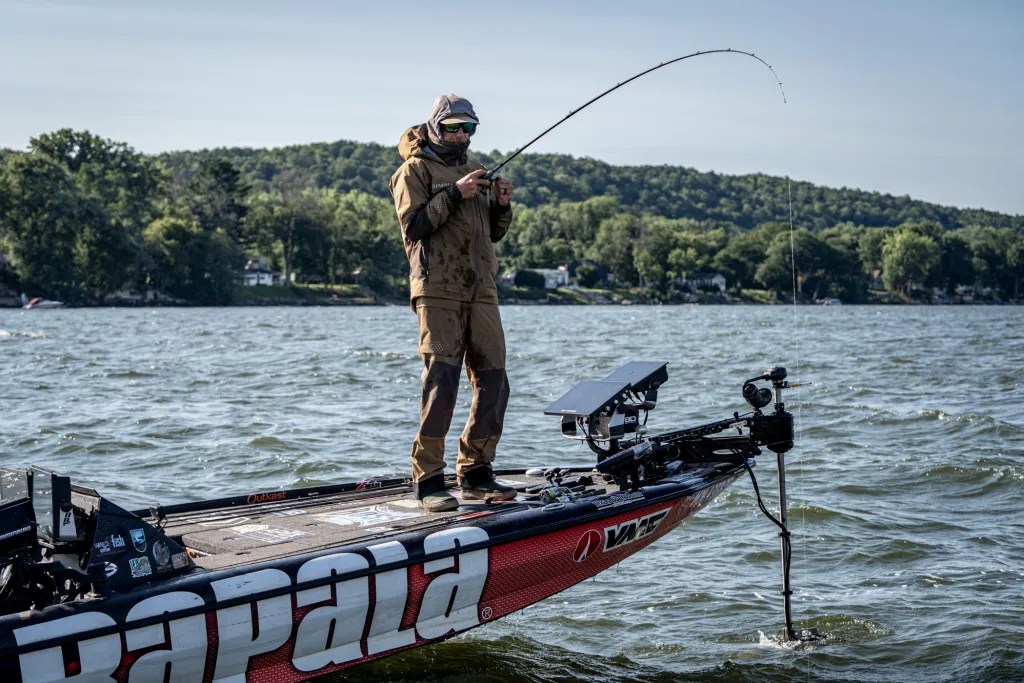
Dropshots rigged with slender finesse worms, minnows or leeches, Ned rigs and jig head minnows are usually a good bet for Champlain’s smallmouth relating to rocky structure. Jerkbaits also fool the bronzebacks, but if you’ve never seen a plump smallmouth rocket 20-plus feet to blast a topwater plug walking above a rock reef — it is a sight to behold.
Notably, this year’s SPRO Bassmaster Elite at Lake Champlain will add another level of challenge, as competitors will not be allowed to use forward facing sonar. One of the most revolutionary fishing tools ever developed, this live sonar technology provides real-time views, which allow anglers to monitor exact fish positioning, as well as their response to lure presentations.
For this year’s Elite schedule, B.A.S.S. randomly selected five events that would allow forward facing sonar, and four that would not. Champlain sets up well for anglers using live sonar to hunt down roaming smallmouth, but anglers still have lake mapping and 2D sonar at their disposal, so the “old school” techniques will likely shine.
Largemouth anglers typically employ a mix of topwater frogs, swim jigs, bladed jigs, shaky heads, Texas rigs and flipping jigs.
Sites to See
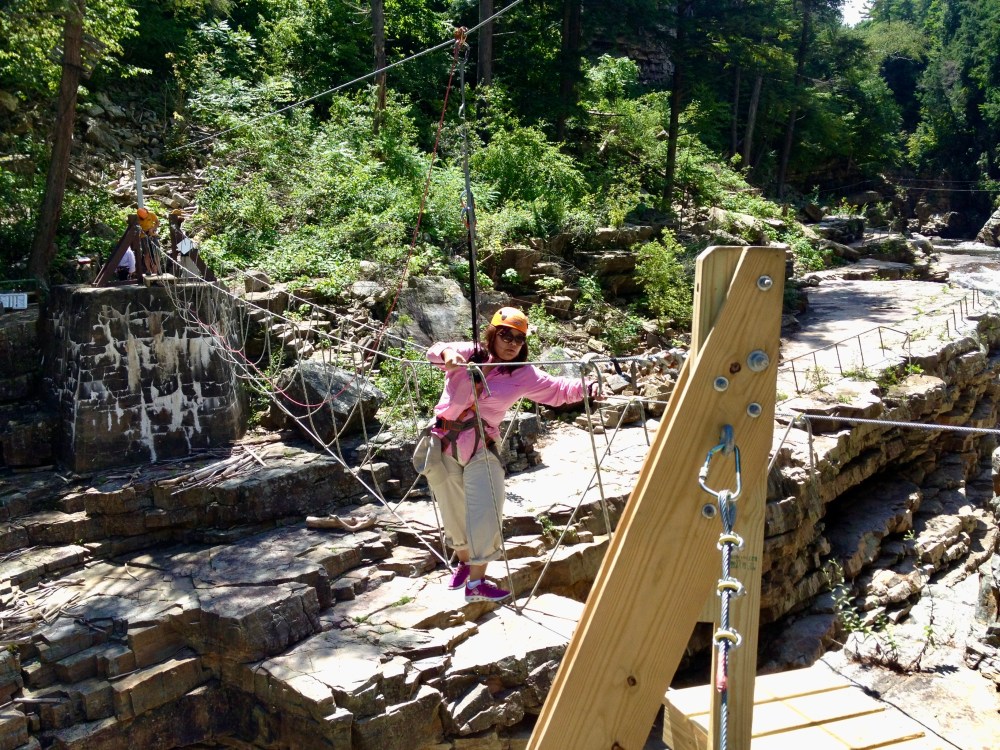
Between fishing trips, Lake Champlain offers several interesting day trips. One of the most family-friendly options is Ausable Chasm. Often called The Grand Canyon of the Adirondacks, this natural attraction south of Plattsburgh is well worth a visit.
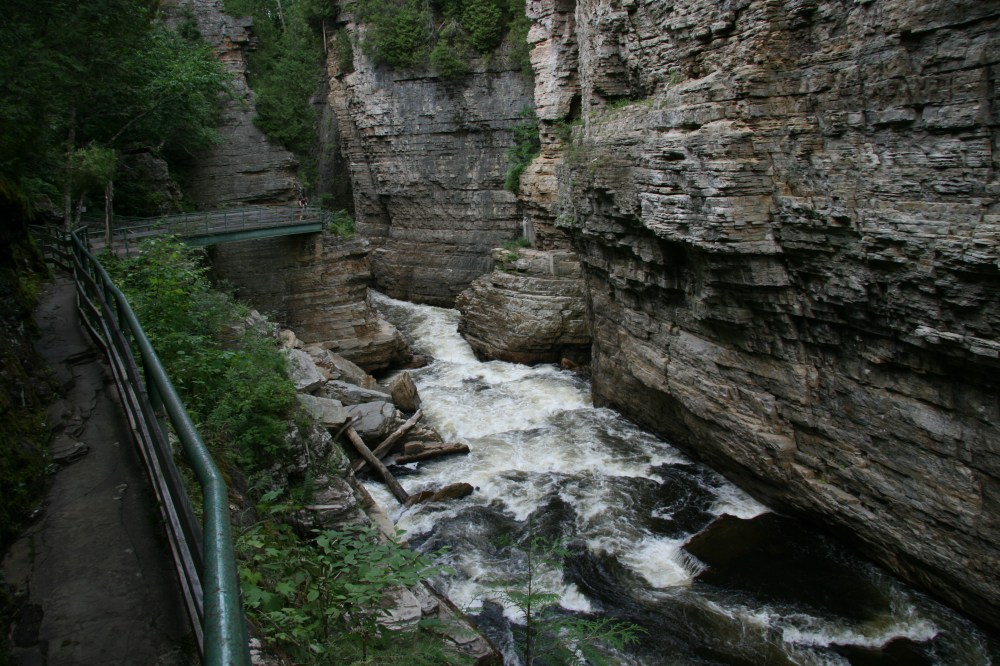
Open since 1870, the 2-mile vertical-walled canyon surrounds the Ausable River, which runs into Lake Champlain north of Port Kent. Formed through a combination of ancient rock formation, glacial melting and river erosion, this natural wonder offers hiking, rafting, kayaking, and a low-impact adventure course that gets you up close and personal to this unforgettable destination. https://www.ausablechasm.com
In downtown Burlington (helloburlingtonvt.com/things-to-do), you’ll find a stone plaque monument dedicated to Champ, located at the end of Perkins Pier on King Street. Nearby, the ECHO, Leahy Center for Lake Champlain, Vermont’s premier interactive science and nature museum, includes a permanent exhibit called “Champ: America’s Lake Monster,” featuring a 30-foot sculpture hanging from the ceiling. https://www.echovermont.org.
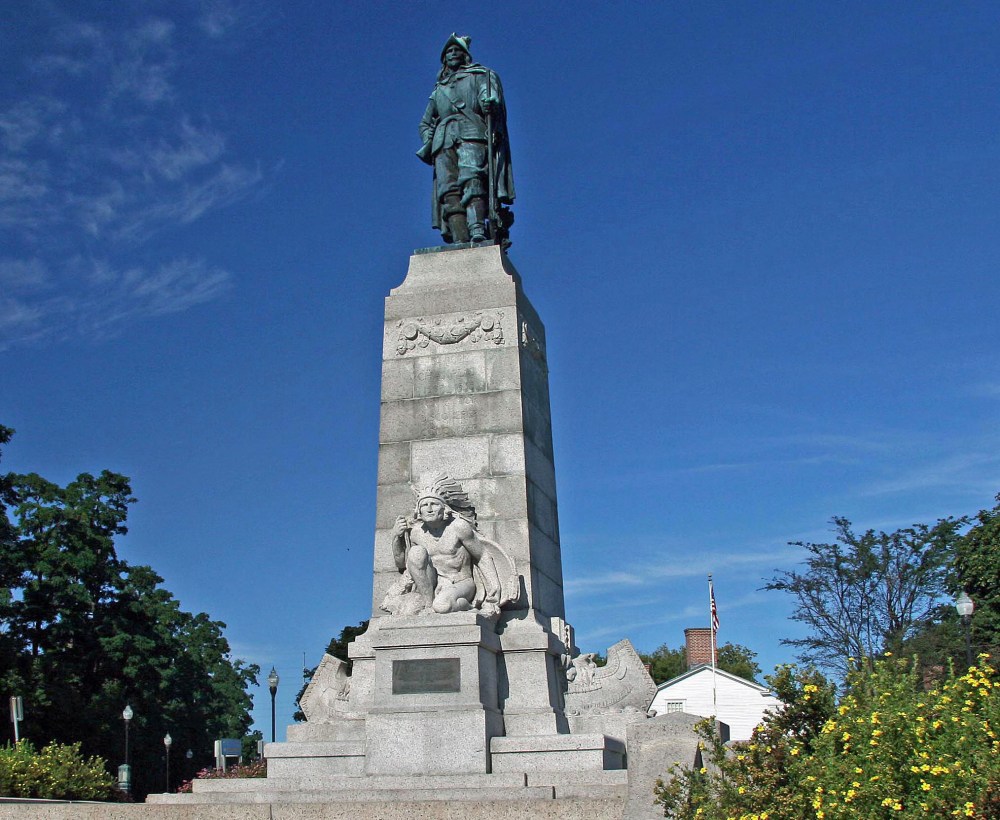
Other notable sites include the Samuel de Champlain monument in Plattsburgh (https://www.goadirondack.com/entries/samuel-de-champlain-monument), Fort Ticonderoga (fortticonderoga.org), the Plattsburgh Air Force Base Museum (plattsburghafbmuseum.org), and a collection of lighthouses (www.goadirondack.com/lighthouses).
The Rouses Point Bridge at the lake’s upper end links Alburgh, Vt. and Rouses Point, N.Y., while the Lake Champlain Bridge connects Crown Point, N.Y. to Chimney Point, Vt. Whether you arrive from the New York or Vermont side, the Champlain Ferry offers a convenient option with routes between Grand Isle, Vt. and Plattsburgh, N.Y., or Charlotte, Vt. and Essex, N.Y. (https://ferries.com).
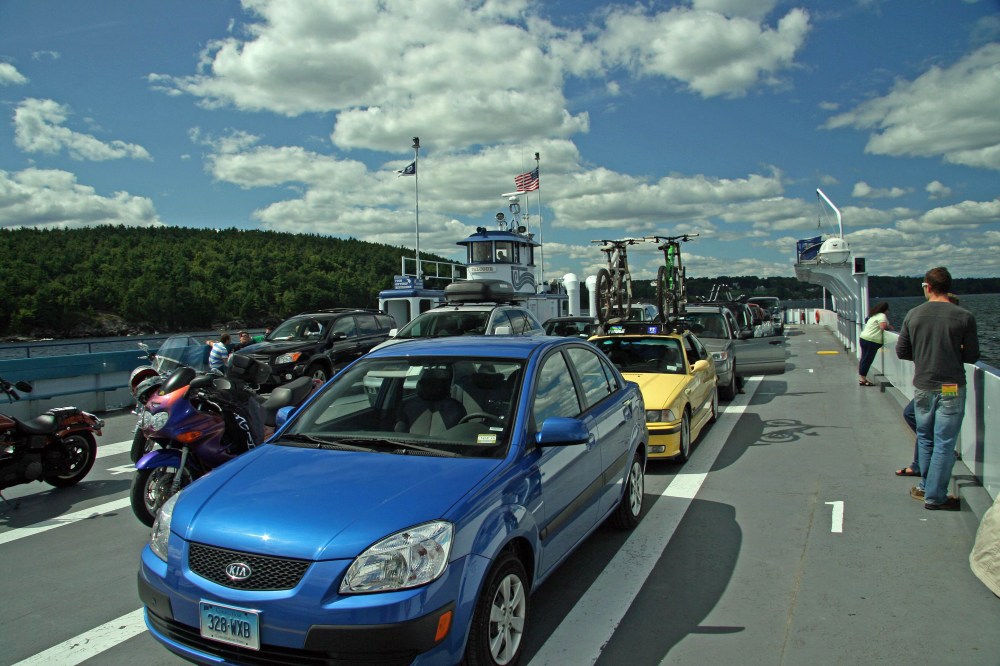
During your crossing, keep an eye on the water. You never know when Champ might make an appearance.