

Dock Talk: Pasquotank River 2026

Will making the long run for the big bite be worth it? Get the intel for the salty confines of massive Albemarle Sound.

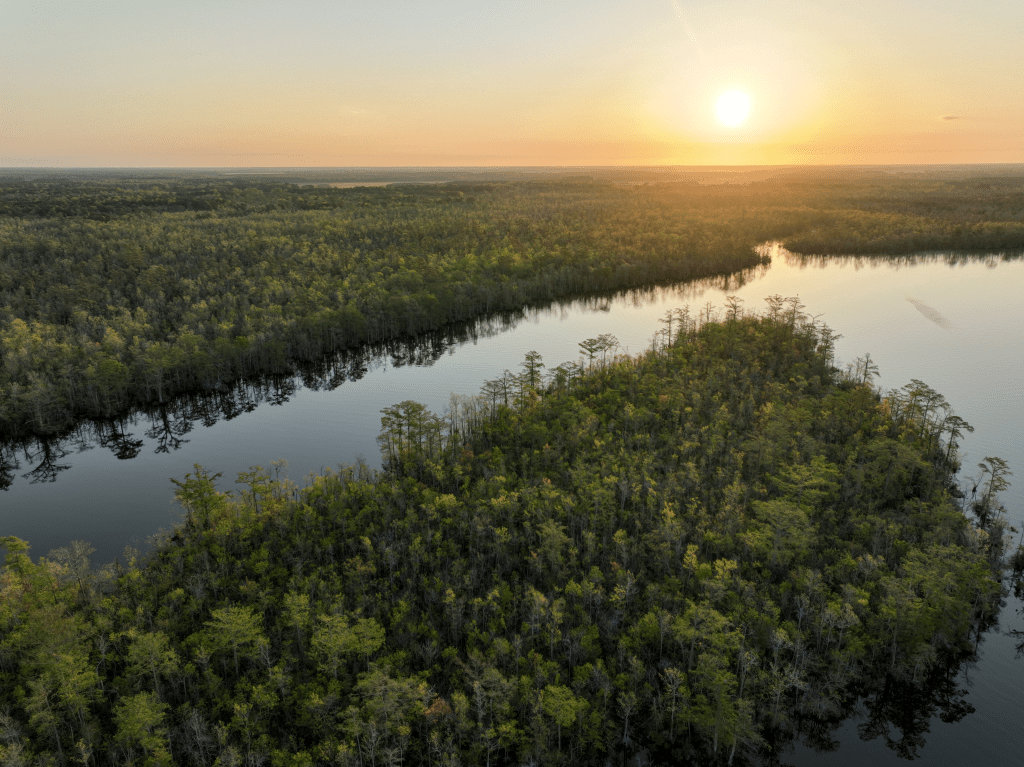
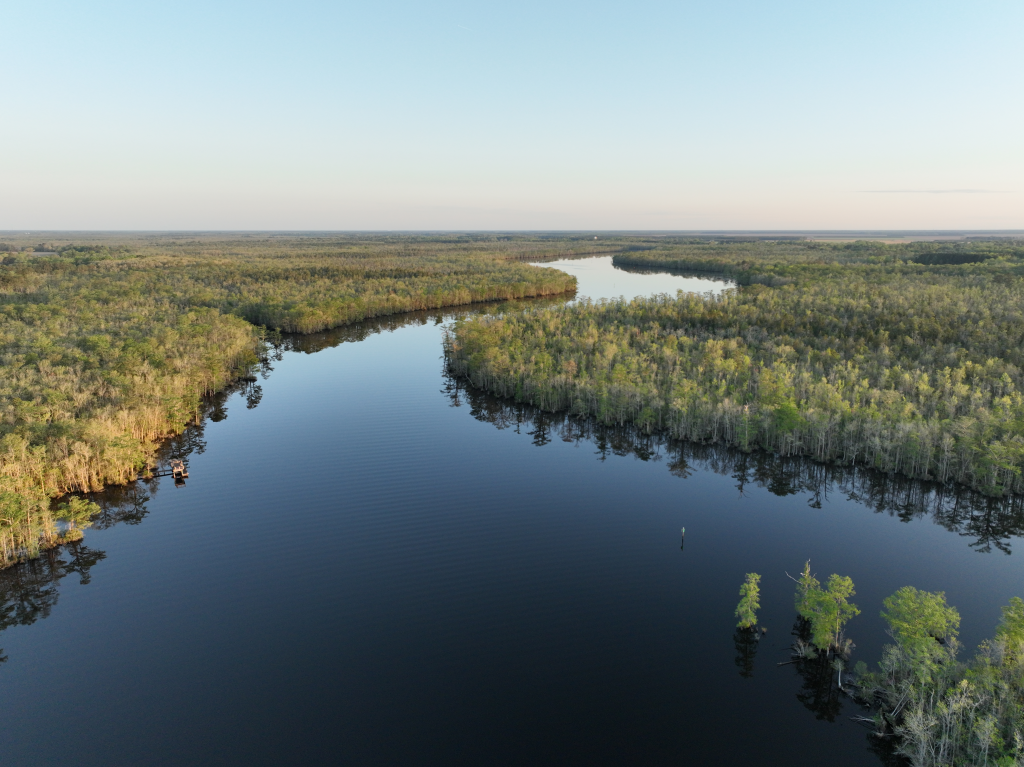
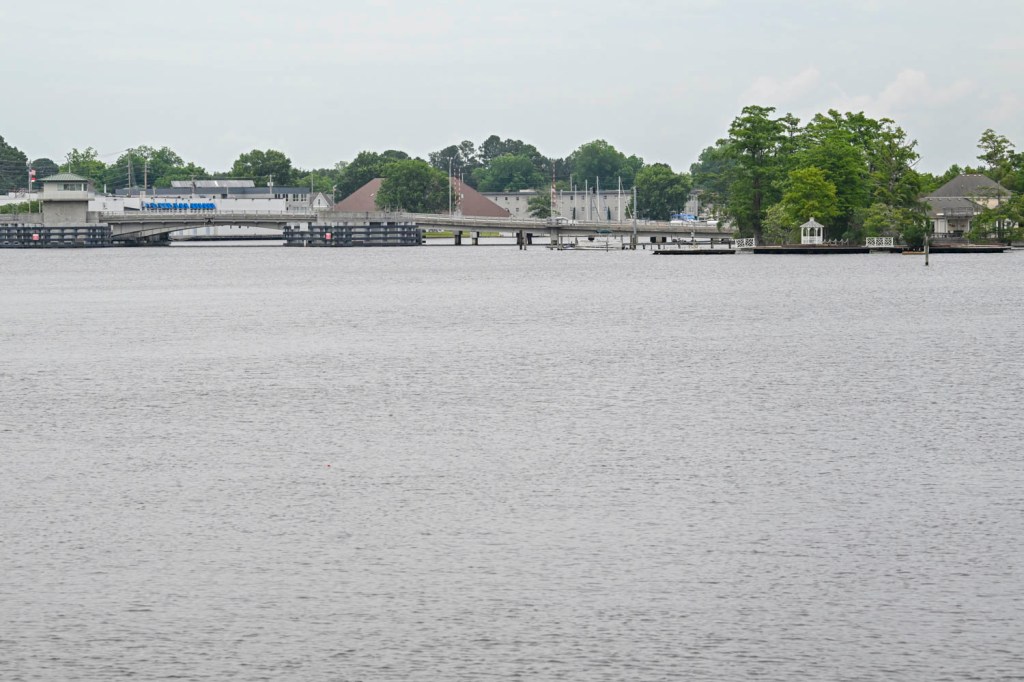
We’re back to the semi-salty confines at the Maxam Tire Bassmaster Elite at Pasquotank River (and points beyond across the Albemarle Sound). Last April, Kyle Welcher won here with 118 pounds, 12 ounces, doing so without burning a full tank of fuel during the competition. Photo: Craig Lamb
Also last year, making long runs wasn’t an option due to high winds. Think coastal waters near the Atlantic and you get the idea. This year is different on two fronts. Photo: Craig Lamb
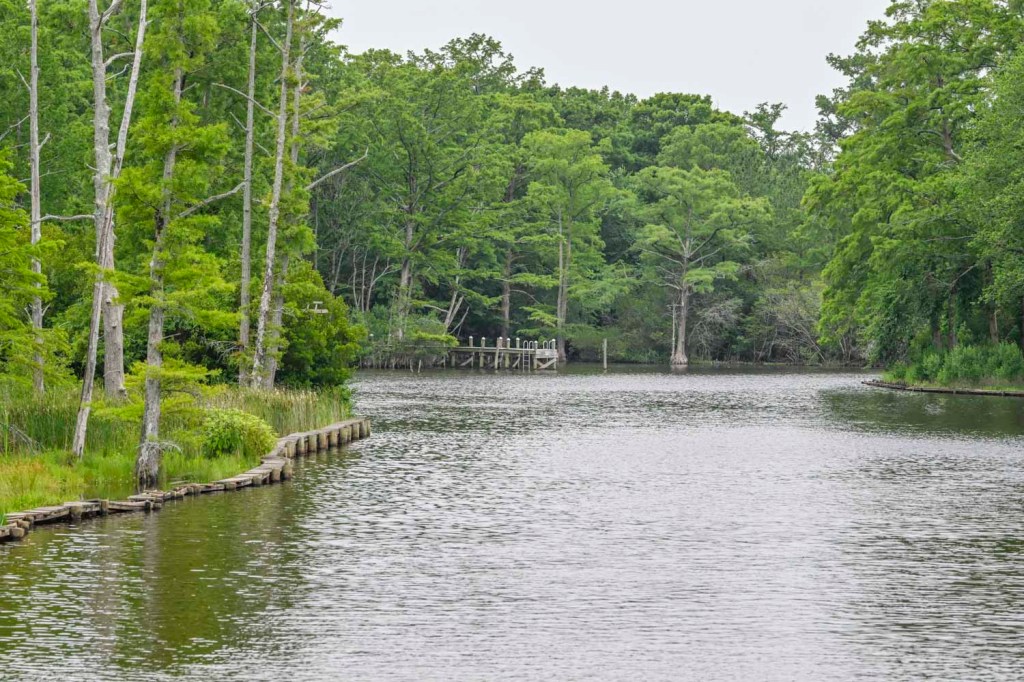
First, the wind will be a factor early before it begins to diminish as the tournament progresses. That opens the previously untapped waters of the Chowan, Roanoke and other rivers feeding into sound. 
What is more, prolonged drought has pushed saltwater inland, causing significant saltwater intrusion in bassy areas. Saltwater gamefish have been spotted where quality bass were caught last year. 
And topping it all off this derby allows forward-facing sonar. So, there you have it. Will anglers make the long run to the rivers in the western boundary? Doing so provides an escape from the salty water nearer Elizabeth City. And how will scoping play out where the bite is ultra shallow? We ask those questions and give you the answers. You decide if it’s fact or just dock talk. 
Pake South
“There are enough bass to fill a limit around the ramp, but I think most anglers are going to have to make the long run to the rivers,” he said. “I’m going to make the run.
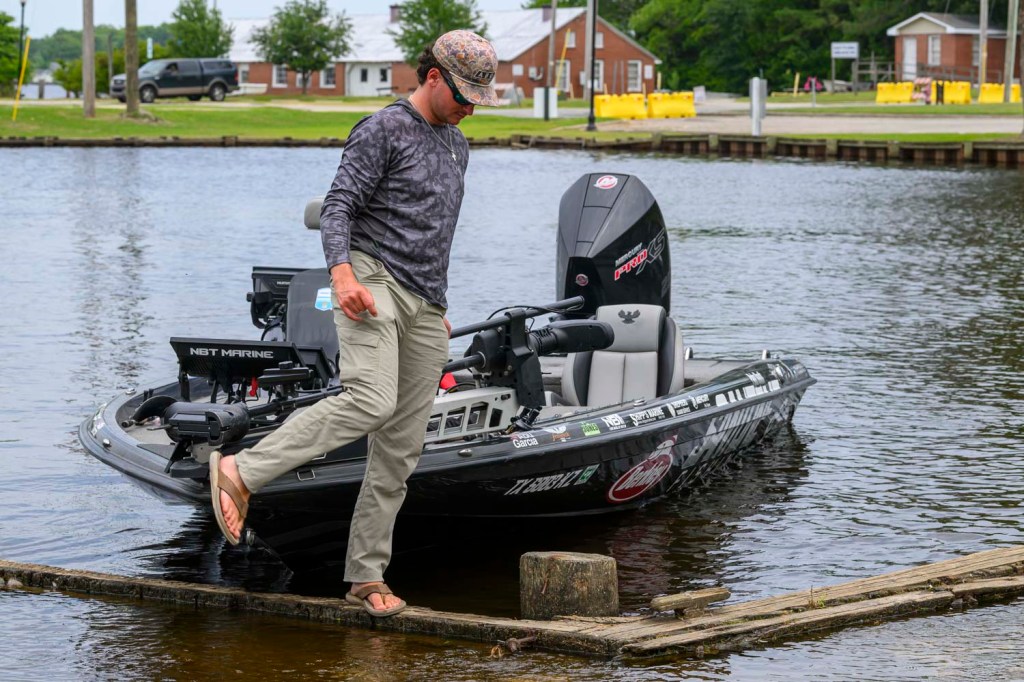
“For me, making the run to the rivers is to get away from the salt water. The farther inland you go, the better it gets. But you also must run a good distance from the mouths of the rivers to get to cleaner water. Between the point A and B there’s nothing in between to fish. It’s too windy. 
“I didn’t fish here last year, but from what I’ve seen there are fewer fish but those you catch are higher quality, all over 5 pounds.” 
Fisher Anaya
“The fresh water and where you find it will be a big player this week, because 95% of the fishable areas, especially nearer the takeoff, are too salty,” Anaya said. “When you see barnacles and other evidence of where bass should be, it’s time to move on. Forget it. There won’t be any fish.
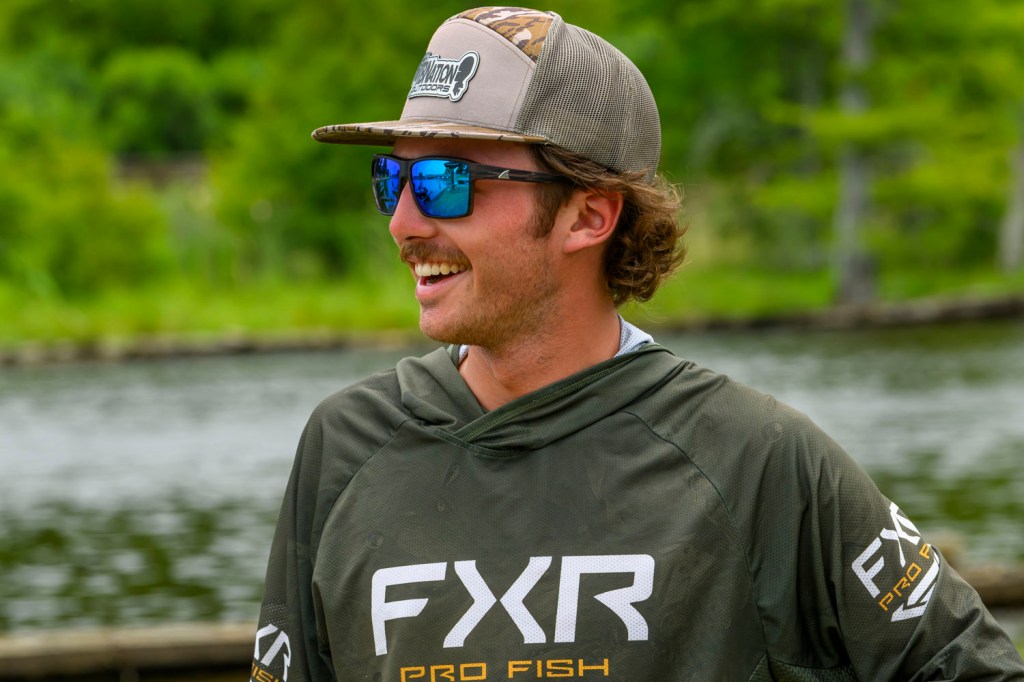
“Based on how spread apart the fishable water is, the creeks and rivers connecting to the sound, you’ve got to commit to one place. Based on distance and travel time, you can’t just pick up and run to another river.
“I’m going to make a 100-mile run (over two hours one way), get there and try and catch the big ones that don’t live nearer the takeoff. There is less fishing pressure, and you can spread out more.”
Austin Cranford
“Will this be won scoping? “Of course it will with a caveat,” Cranford said. “They are just obviously easier to target when you can see them, and the fish are holding very tight to the cover. 
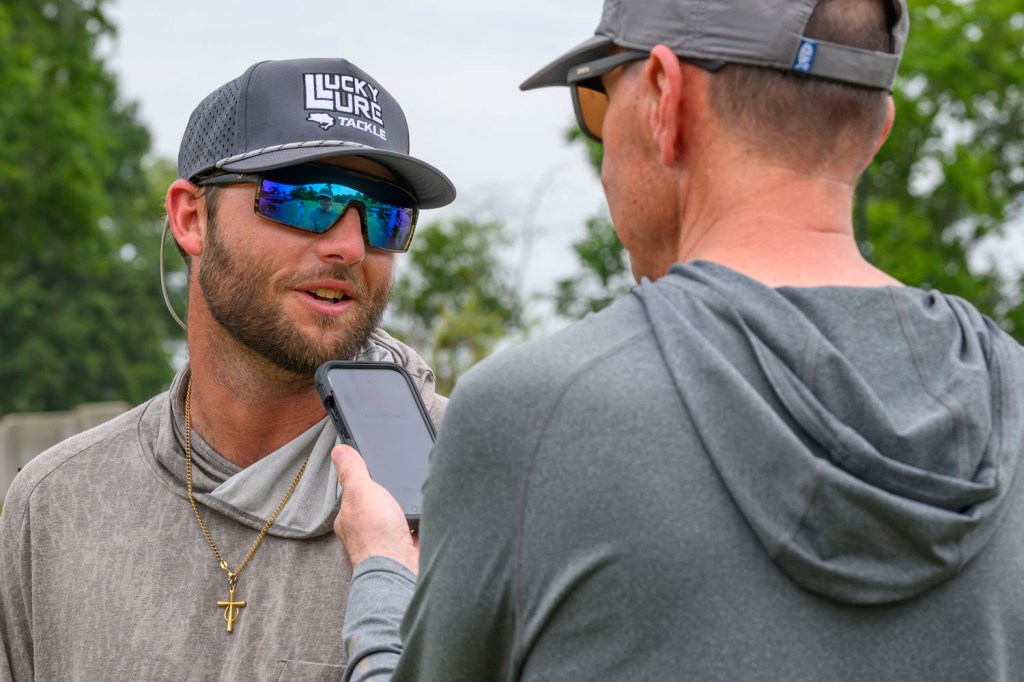
“But you can’t see them everywhere, even though a given piece of structure might hold fish. That’s based on the water conditions from what I experienced.
“My not-so-bold prediction is it’ll be won scoping on an urchin.”
Cody Huff
How is this fishing compared to last year without the salt? “It’s going to play and already has in some of my productive areas from last year,” Huff said. “I never got a bite in areas where there was evidence of saltwater, like barnacles.
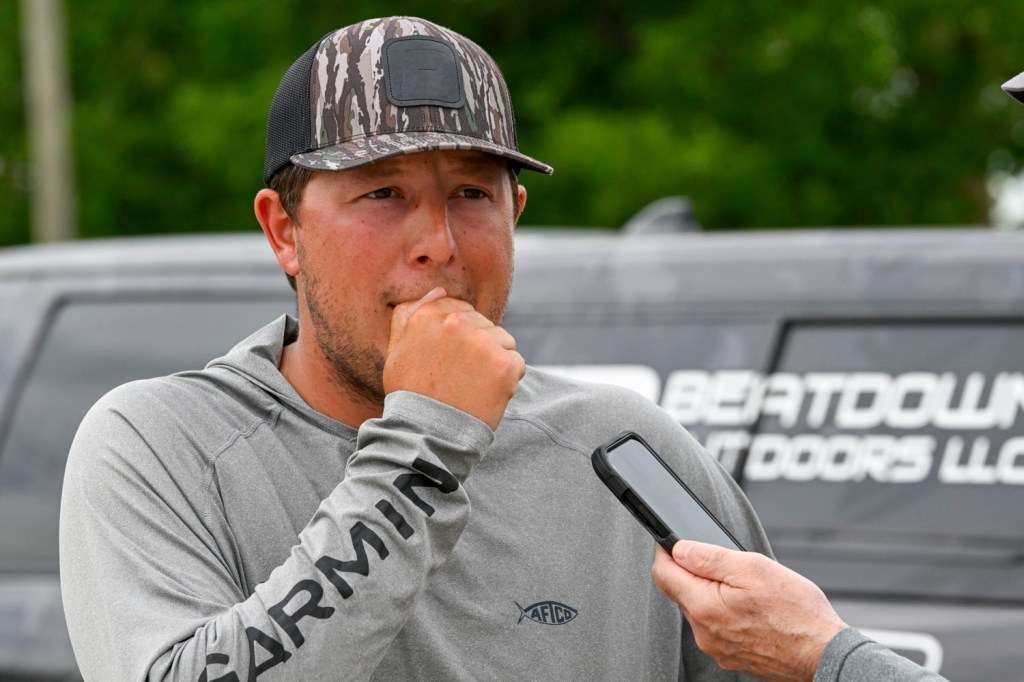
“The closer you are to the sound the saltier it gets, so the fish are kind of relocated from where they might normally be. And that adds more fishing pressure to good areas with the fish concentrated in fresher water.
“A lot of people will be forced to make the run or go to areas where the wind doesn’t want to go depending on where they are in the Classic standings at this point in the season.”
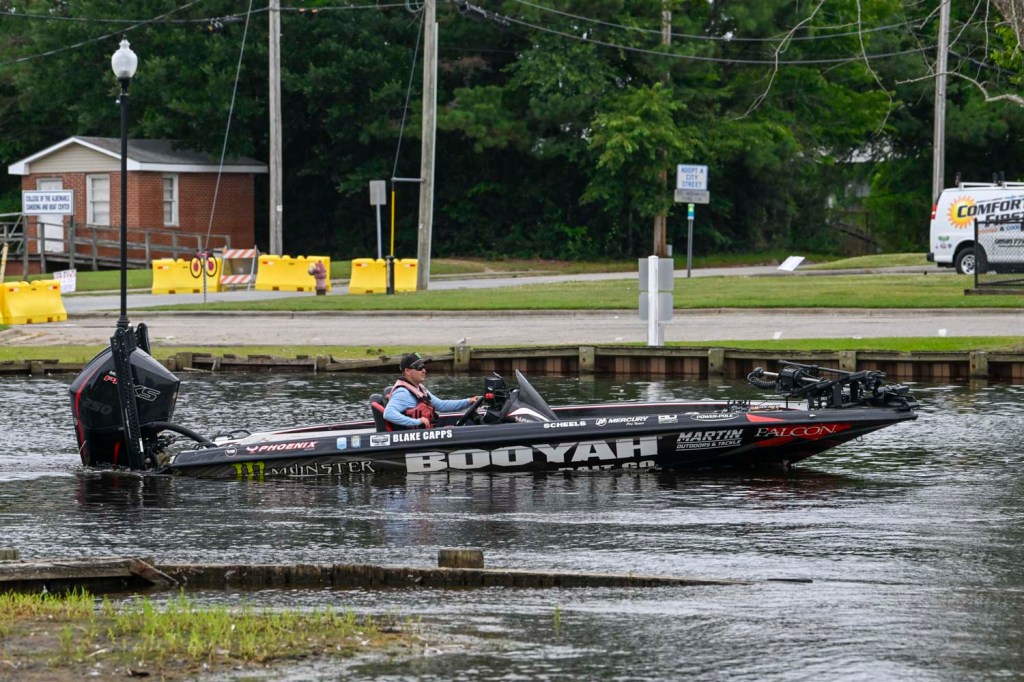
Blake Capps
“It’s too salty where I caught some of my fish last year,” Capps said. “I’m fishing new water and not catching as many as last year, but they are certainly better quality.
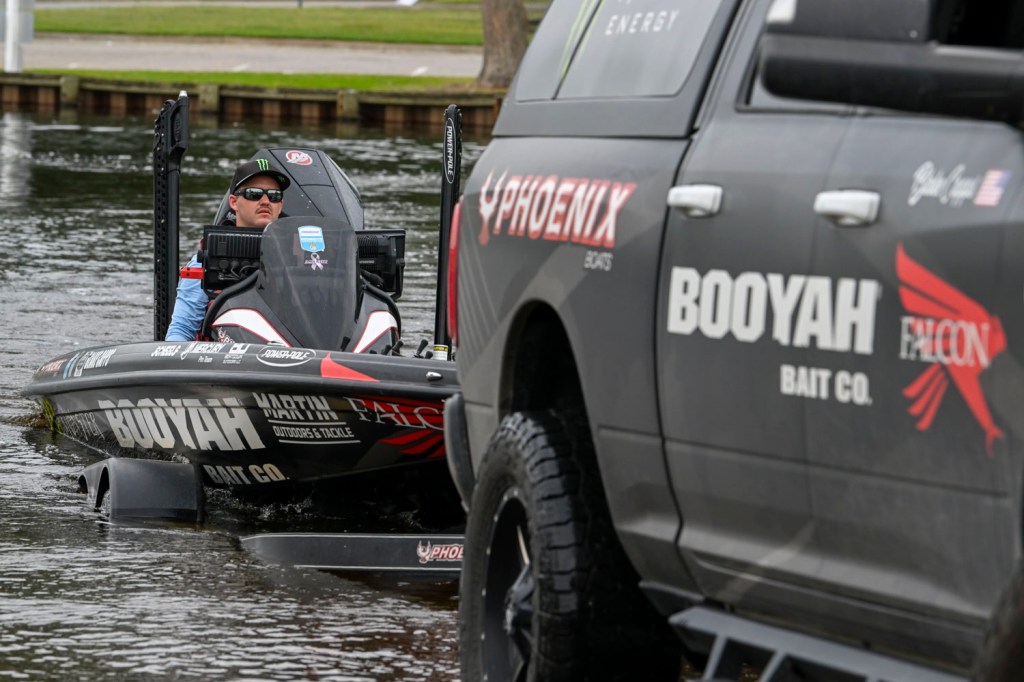
“It’s going to fish smaller this year, which is hard to say about a place this big. That’s obviously because of the salt, and the fish being piled up in fresher water areas will add fishing pressure. 
“The wind will be a factor. It’ll fish even smaller for the guys who chose not to make the big runs.” 
Kenta Kimura
“The saltwater has forced me to make a lot of changes from where I fished last year,” Kimura said. 
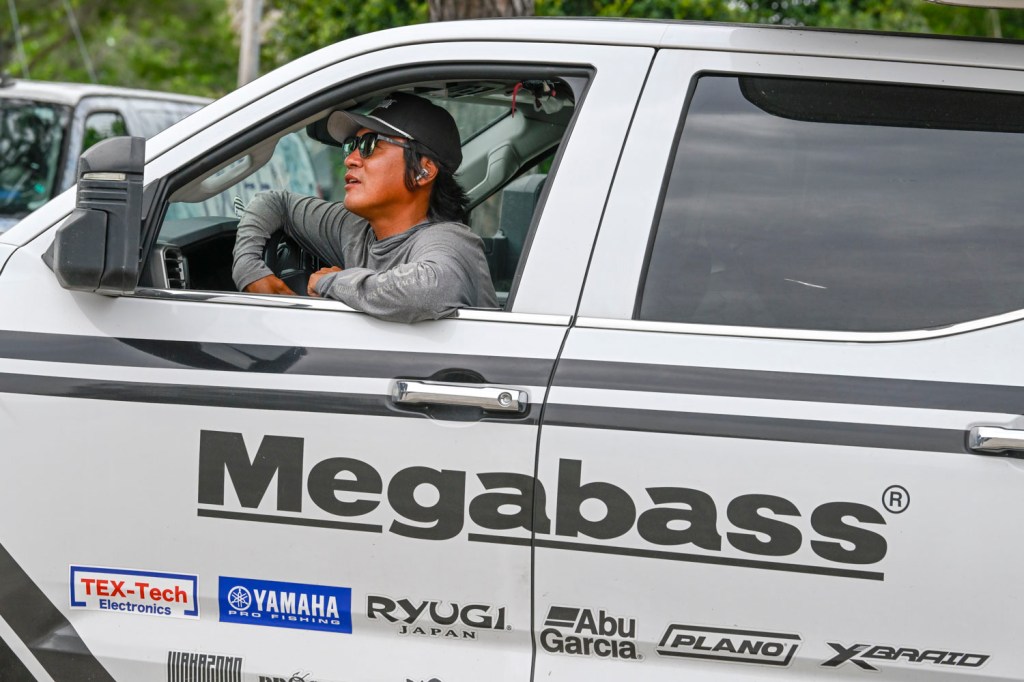
“I’m having to make longer runs and then you must commit to it based on the travel time. 
“The farther you go, the better it gets and that’s why I’m making the long run. There are more areas to fish and better chances of doing better.” 
Matt Messer
“Scoping will be the deal this week,” Messer said. “The difference from normal is the biggest bass are up shallow, 3 feet and less. 
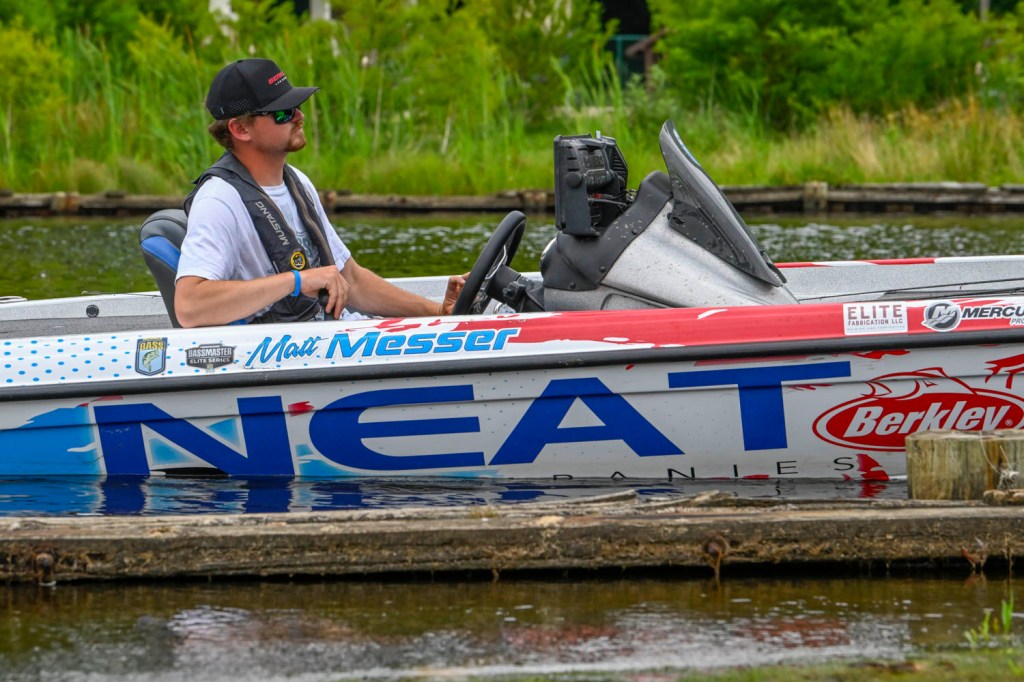
“It’s hard to see them but when you find them it’s like they’ve never seen a bait before, and they are all quality keepers.
“It’s going to be a different kind of scoping game. You won’t be in open water hunting down individual fish like on a big inland impoundment. You’ll be scoping on individual areas of isolated cover where the fish are holding tight to it.”