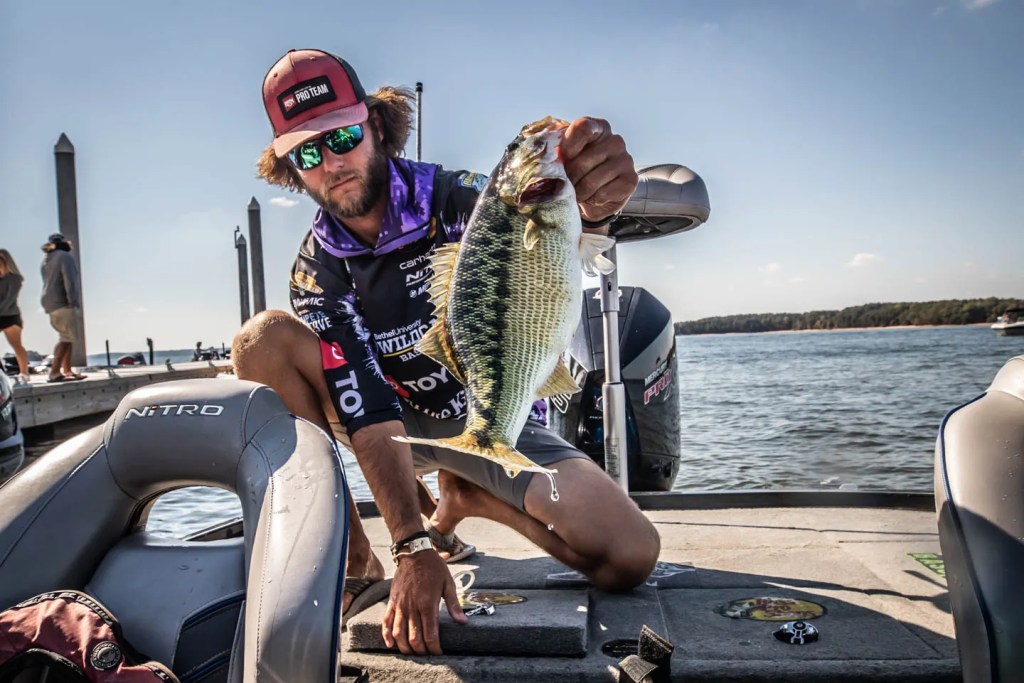
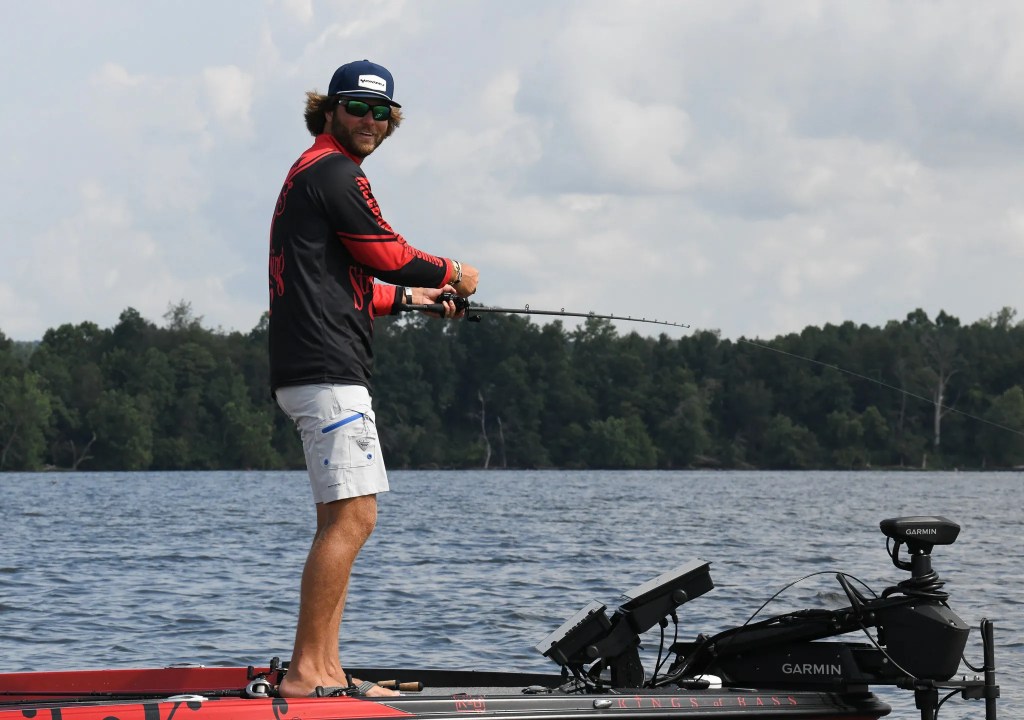
Tristan McCormick’s seasonal topwater tacklebox

Topwaters aren't just for spring and summer.
Reaching for a topwater lure at daybreak on a summer morning is an ideal way to get the day started. Same thing on those cloudy days when bass use low-light conditions to freely roam and ambush baitfish. 
Spring and summer are considered the ideal periods for topwaters. That’s a misconception at best. Topwaters excel year-round when conditions are appropriate. Bassmaster Elite pro Tristan McCormick always keeps a topwater rigged and ready, even for brief warm periods during wintertime in the South. Truth is, topwaters work across the spawning cycle from prespawn and spawn into postspawn and beyond, and they work anywhere in the country. 
“My favorite way to catch a bass is on topwater. Being up close and getting to see the bass strike the lure is exhilarating. Seeing the fight back to the boat on the surface really gets the adrenaline flowing. There’s nothing else like it in bass fishing.” With the formalities out of the way, McCormick lays out everything you need to get your exhilarating topwater fix across multiple seasons. 
Using a topwater as a fish locator bait is a favorite tactic during the spawn. “You can blind sight fish for beds with a topwater, using it primarily as a locator bait to trigger the aggressive predatory instinct of a bass,” McCormick said. “You might not catch the fish on the topwater, but it can give away the location of a bed.”
With the spawn complete, largemouth feed up as they move toward deeper water for summer. “With a topwater you can cover a lot of water, make long casts and bring in bass on the move,” McCormick said. Fall is McCormick’s favorite topwater season. “Shad gather on top of shallow bars and ambush the bait on the move,” McCormick said. “There’s no better lure to intercept them than a topwater.” 
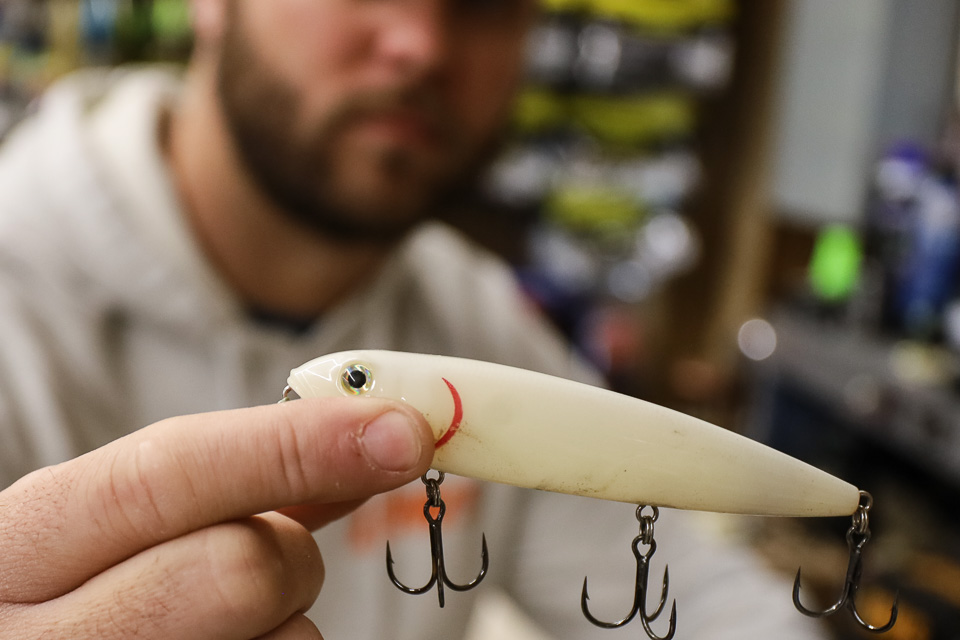
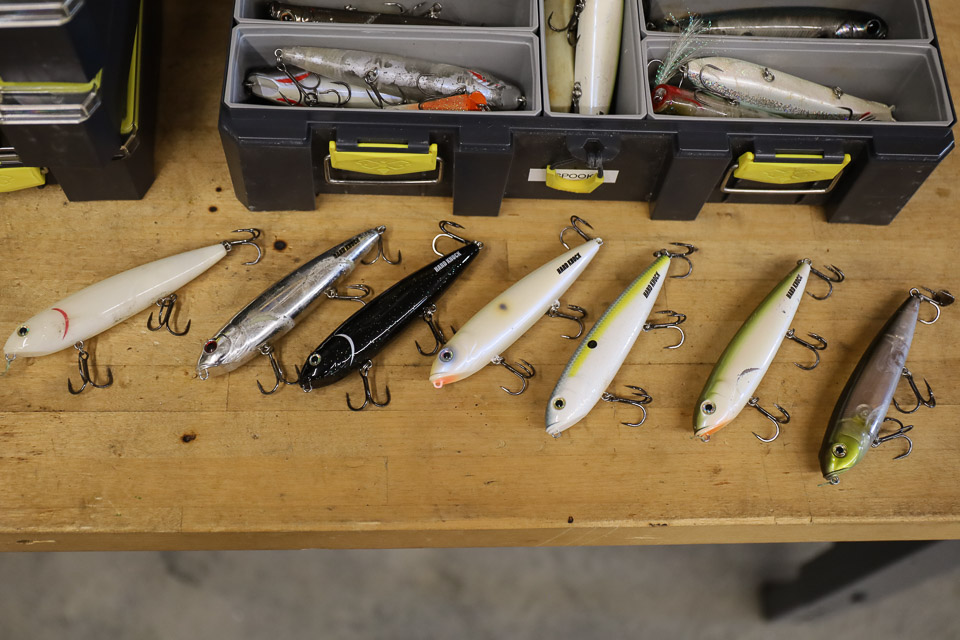
Crankbaits get most of the attention during fall, which is exactly why McCormick gives them a different look with a Strike King KVD Sexy Dog. “The bass will feed on top, and the topwater can bring up less active schooling bass to the surface.” Bone is a universal choice across the country. 
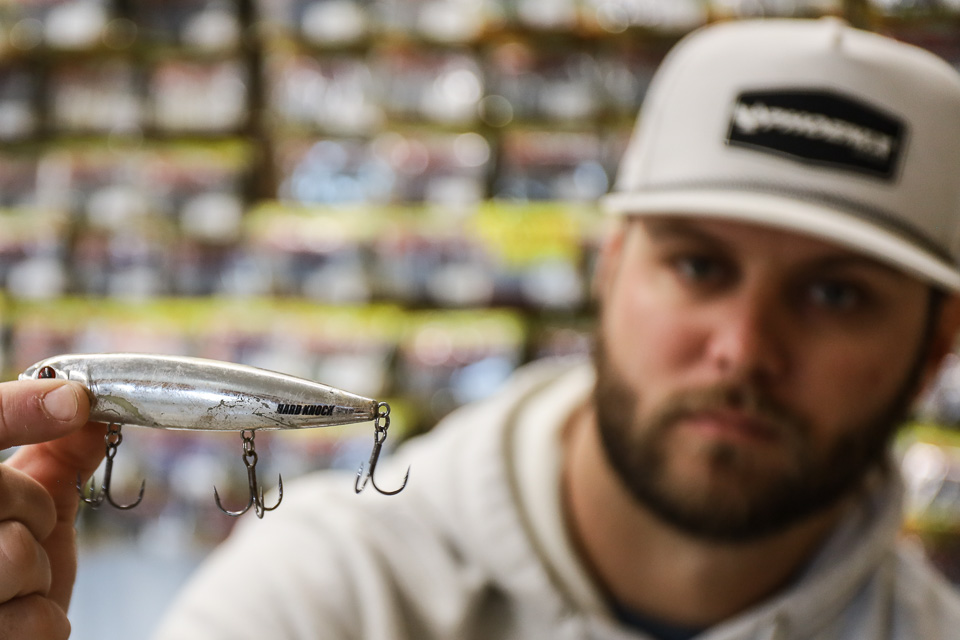
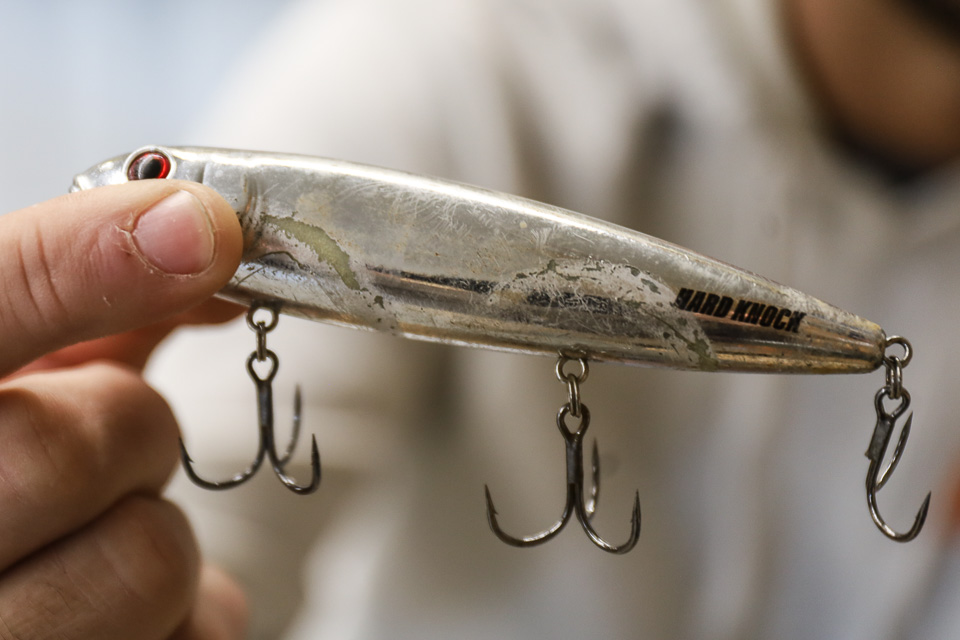
McCormick favors the Hard Knock version on clear lakes for its sound-producing benefits. 
“Fish in clear water feed on sound and can dial into the bait as they get near it.” Chrome is a preferred pattern for added visibility on clearer lakes.
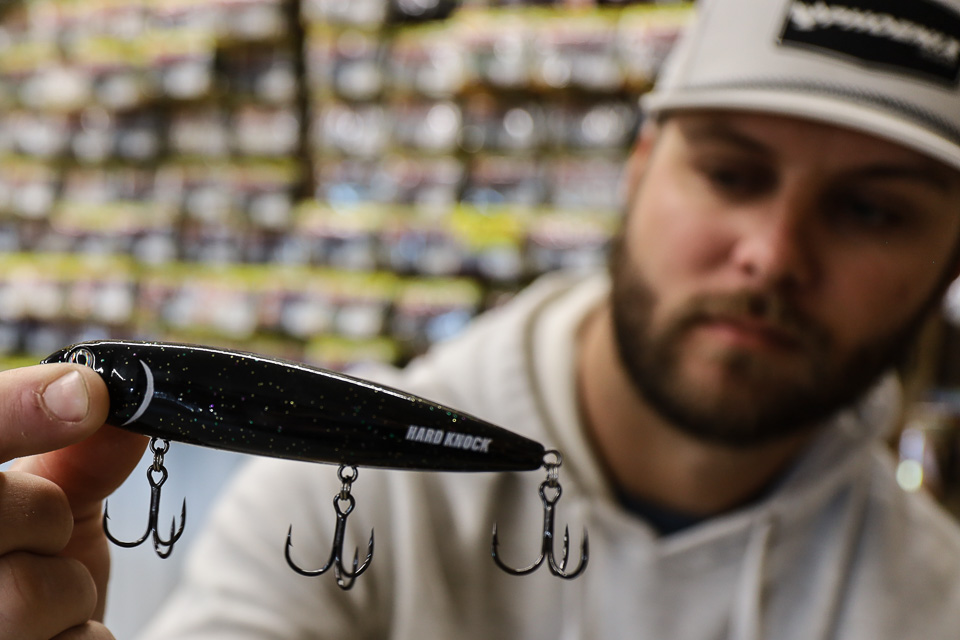
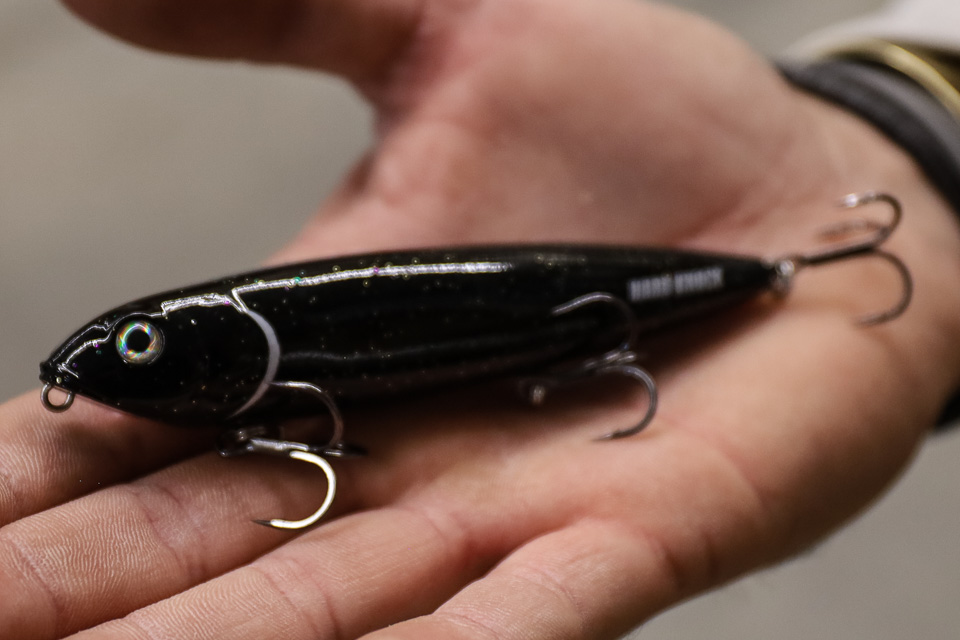
During the spawn McCormick prefers the Hard Knock version in a less flashy black pattern to prevent spooking already wary bass on or near beds. 
“The deeper knocking sound gets their attention, either drawing them off the beds or giving away their location,” McCormick said. 
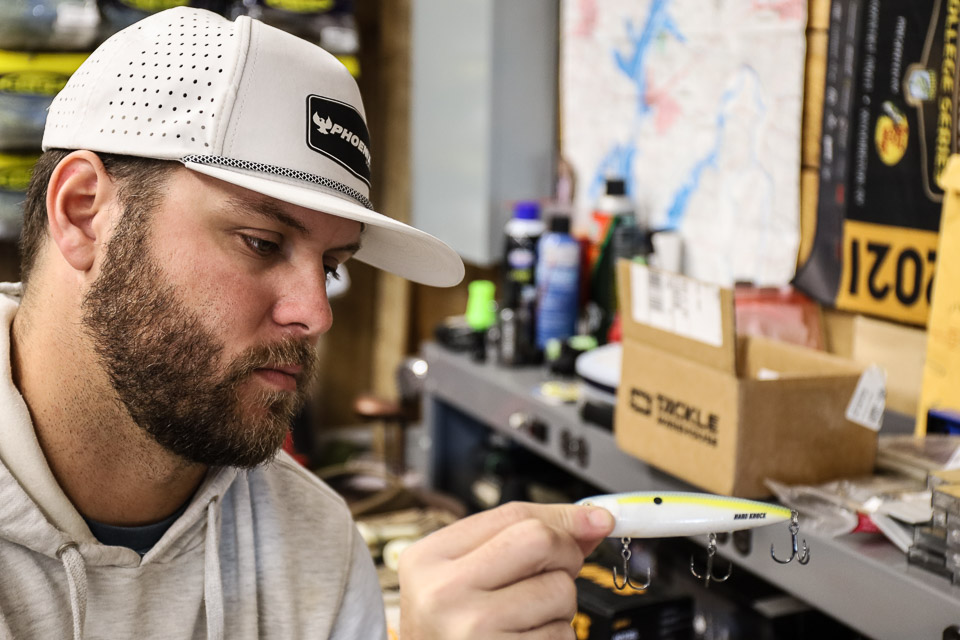
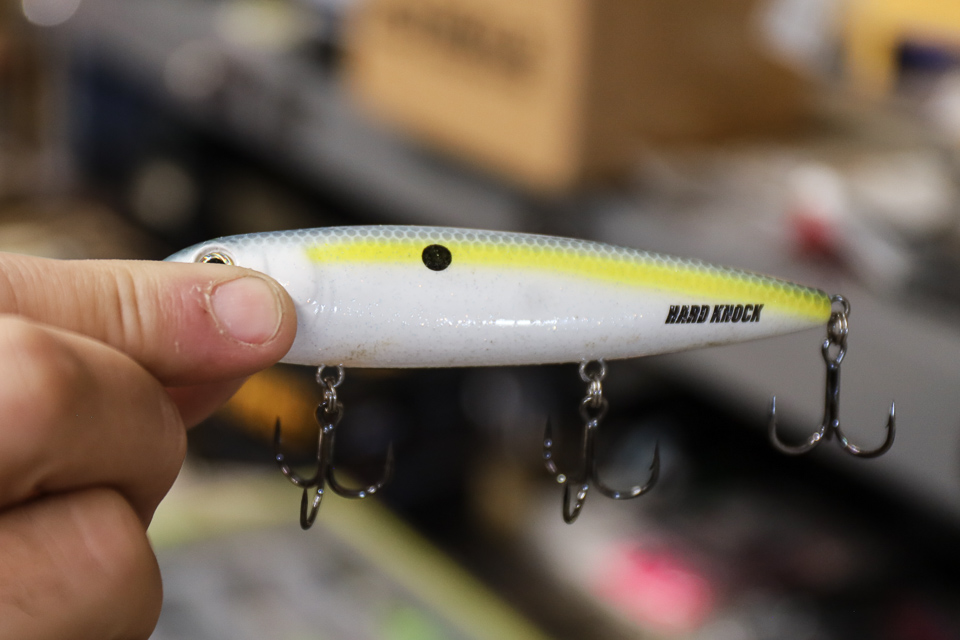
McCormick chooses the Hard Knock model in Sexy Shad pattern to match the hatch when he believes bass key more on color during postspawn. 
The long-cast benefits of the aerodynamically shaped walking topwater are ideal for intercepting bass on the move. 
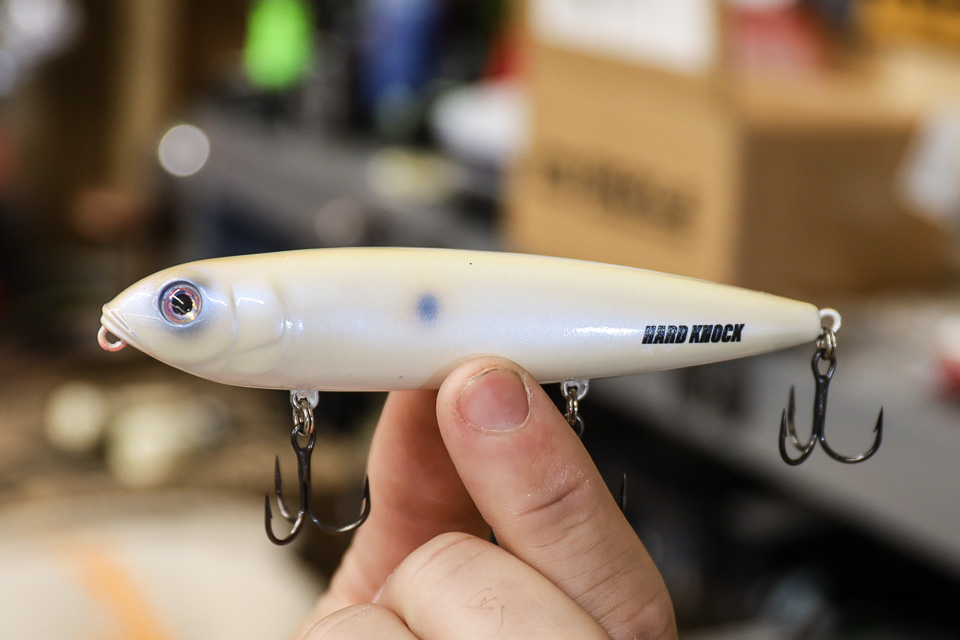
Fall calls for a change of color for adapting to water clarity, which can range from clear to dingy, driven by wind-blown current in shallow areas. McCormick prefers the Hard Knock model in Oyster pattern for either condition. 
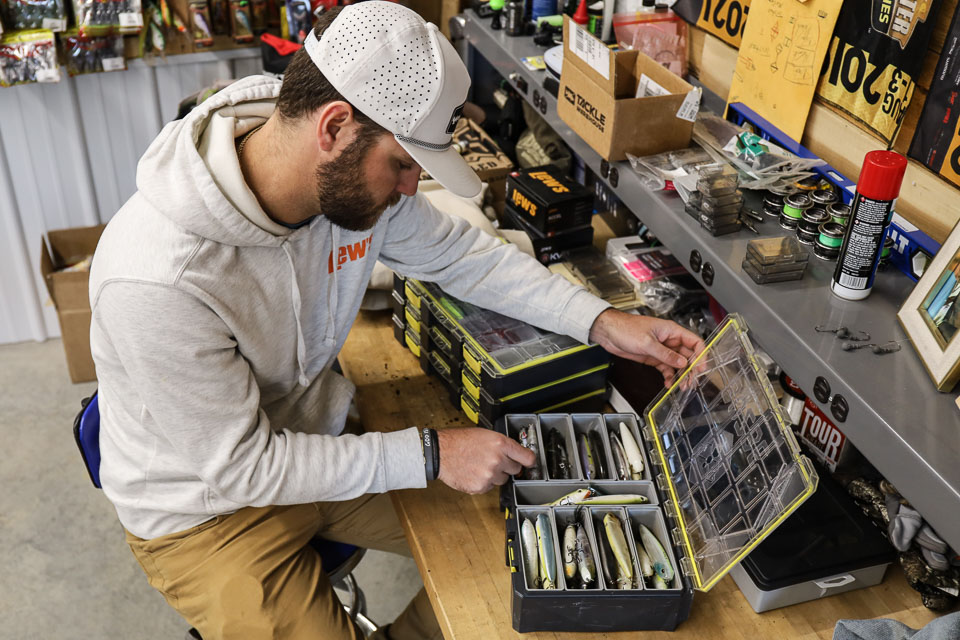
A full lineup of topwater baits…