There have been countless times I have looked at a newfangled bait that was supposed to be the next big thing in bass fishing and simply smirked. Over my 30 years in the industry, I’ve seen a lot of “revolutionary” lures end up in discount bins. Admittedly, I’ve been wrong a couple of times, as well. The first time I saw a Whopper Plopper, I laughed it off. I wasn’t impressed with the first ChatterBait I saw, either. That said, I guess I’ll add the new urchin-style lures to my got-it-way-wrong list. My current tacklebox has become a museum of misjudgment.
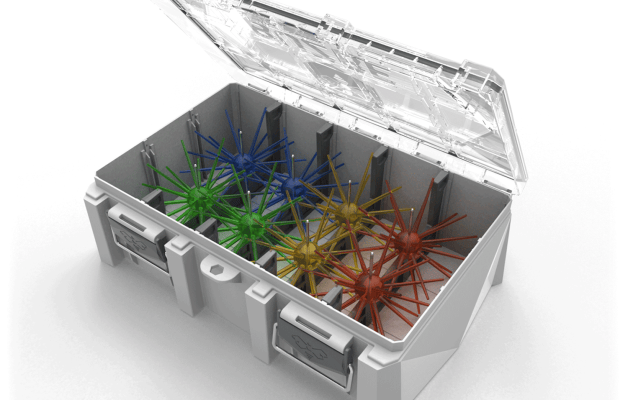
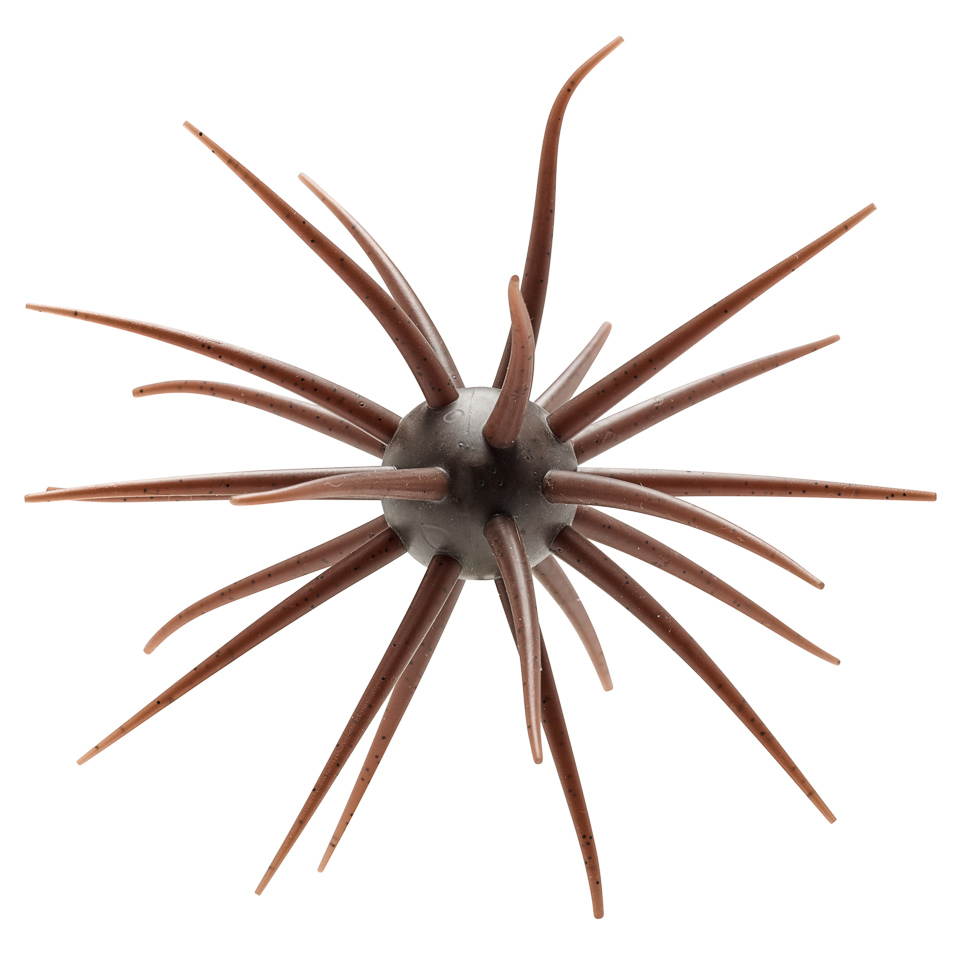
In case you missed our “Maximum Motion” feature by David A. Brown in the January/February issue, an urchin-style bait is an elastomer or soft-plastic ball covered in tentacles. The first and most popular version is the Coike, made by Hideup Baits, a Japanese lure manufacturer that is now imported by Gamakatsu/Spro. I highly recommend digging out that issue to get the backstory on the bait and how to fish it.
I should have been convinced about the effectiveness of the lure when half of the Top 10 at the recent Lake Guntersville Progressive Bassmaster Elite Series event relied on the bait. Then the following Elite at Lake Martin was won with the thing. Sensible anglers would have gotten the hint. Not me. Nope, I required an 18-hour plane ride to Japan.
I know, that’s extreme. That’s a long way to go to beat the stubborn out of a person, but I have a thick layer of stubborn to penetrate. I was invited to join the Gamakatsu/Spro team on a trip to the Osaka Fishing Show, followed by a couple of days fishing Lake Biwa, home of the current world-record largemouth caught by Manabu Kurita (22 pounds, 5 ounces in 2009).
We met our fishing guide, Ichiro (@hideupnagano), at the ramp on the northeast bank of the giant fishery. At 165,000 acres, Biwa is approximately the size of Toledo Bend and much deeper, reaching 341 feet in the northern basin. Ichiro had three spinning rods on his deck and a pile of Coikes. Some were the standard versions, with tentacles giving the bait its urchin profile.
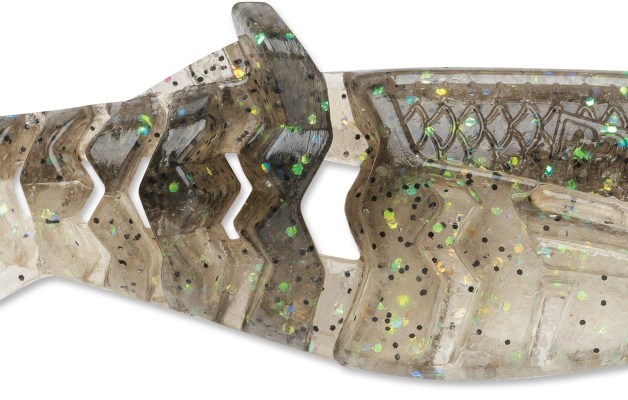
Others featured baitfish-shaped tentacles. Still others had fat, flat, panfish-shaped protrusions — prototypes we were fortunate to test. Ichiro had the latter rigged on drop shots with 6-pound test and a 24-inch dropper.
“The bite has been very tough. Maybe we get three bites all day,” our guide explained. Regardless, a bad day of fishing … as they say.
We made a short run to a water-intake platform — think a tiny offshore rig. On the second stop, I pitched my Coike to one of the metal poles and let it sink. After twitching it a few times along the bottom, I felt weight and lifted into a fish. Thankfully, it swam toward open water.
“Big one!” Ichiro said.
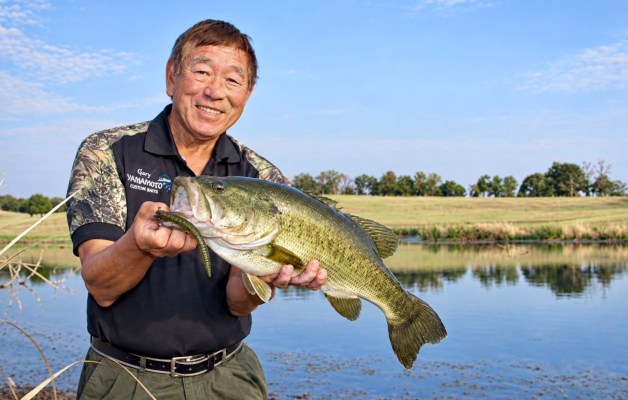
I believed him. The medium-action rod was bent double, and the thin fluorocarbon whistled in the breeze. We followed the fish. I’d gain a little line, lose a little. After a four-minute fight that seemed longer than my flight to Japan, the bass came boatside and Ichiro slipped it into the net. We both went crazy. I might have cried a little. My first Coike fish weighed 7 pounds, 12 ounces.
My stubbornness melted into the gin-clear waters of Biwa as I held that largemouth. I’m pretty slow, but I’m not stupid. This bait, for whatever reason, works. I’ll be keeping the Coike tied on, and I recommend you do the same. I’ll just have to make a little extra room next to my ChatterBait and Plopper rods.