Date: April 7, 2026
Venue: Santee Cooper Lakes, focusing on Lake Marion (110,000 surface acres).
Weather: Mostly cloudy, starting in the upper 40s, high of mid-70s, recent cold front.
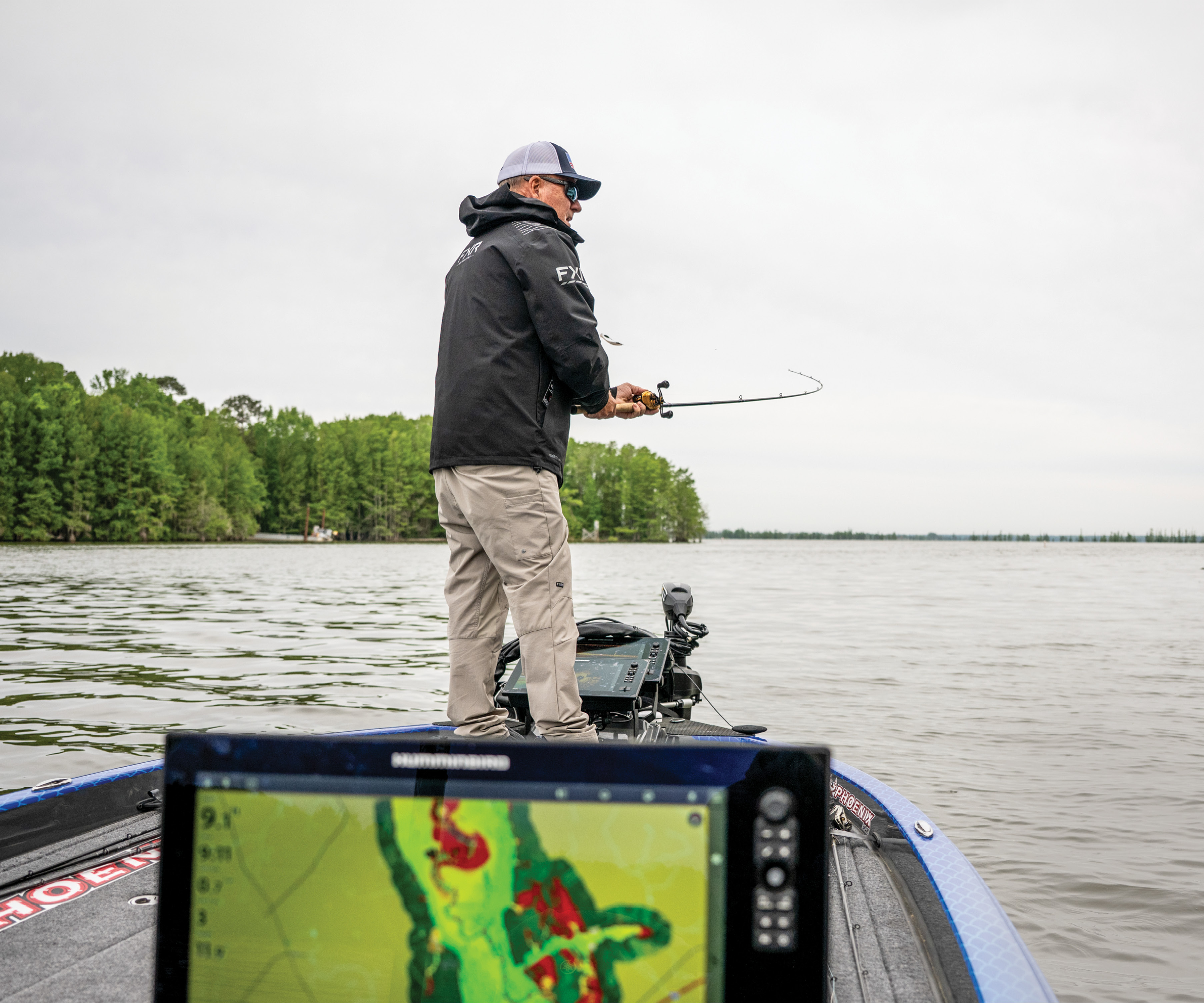
Pro: Bass fishing legend Davy Hite, who is the only angler on the planet to win the Forrest Wood Cup, the Bassmaster Classic and two Progressive Bassmaster Angler of the Year titles. He now serves as the co-host for Bassmaster LIVE programming.
Gear: Phoenix 21 XE, Yamaha V MAX SHO 250, Minn Kota Ultrex QUEST, Humminbird APEX 19 at console, two Humminbird APEX 13s at bow, Humminbird MEGA 360 and Humminbird MEGA Live 2 transducers, two 10-foot Minn Kota Raptors, Lew’s rods and reels
The sun has risen over Lake Marion when Davy Hite eases into the day with the quiet confidence of someone who has spent a lifetime on these waters. A native of nearby Lake Murray, Hite grew up fishing Santee Cooper Lakes with his grandfather and continues to fish here every chance he gets. That familiarity, paired with one of the most decorated careers in the sport, makes him as qualified as anyone to break down this fishery in an abbreviated amount of time.
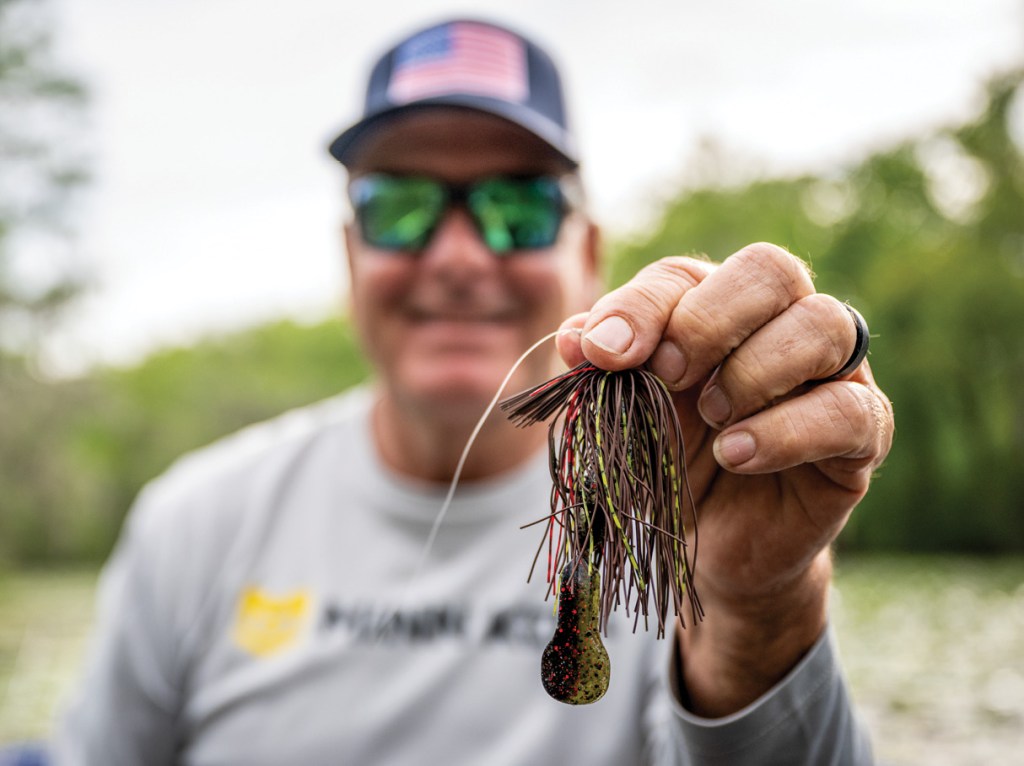
“I haven’t been on this fishery in over a month, which is pretty rare for me, so I’m launching completely blind,” Hite admits. “A full moon passed last week, likely triggering a major spawning wave, but there should still be some fish on beds and males guarding fry. The shad spawn has probably already happened at first light, but a topwater bite could linger.”
Before launching the Phoenix, Hite ties on a Rapala ClapTail 110, a popping frog and a mop jig. He plans to move, adjust and let the fish dictate the day.
FIVE HOURS LEFT
9 a.m. We launch on the south side of Lake Marion. “I’ve got the shad spawn on my mind,” Hite says. “It’s probably a little late to really take advantage of it, but with the cloud cover, I want to give it a quick look.”
He idles up to a dock with concrete pilings and begins scanning with Humminbird MEGA Live 2, looking for groups of shad. He ties on an underspin with a small swimbait — a Rapala Largo Shad — and starts paralleling the structure. “I’d really like to see some shad follow my bait. That lets me know I’m still in the game.”
9:10 a.m. Still working the pilings. “This water’s not as clear as I expected — might be pollen. That actually affects how well forward-facing sonar works. Makes the water thicker.”
Hite switches to a mop jig with a Rapala CrushCity Bronco Bug and pitches to cypress knees between the docks. “That Bronco Bug gives them a different look. Kyle Welcher showed what it can do on big fish.”
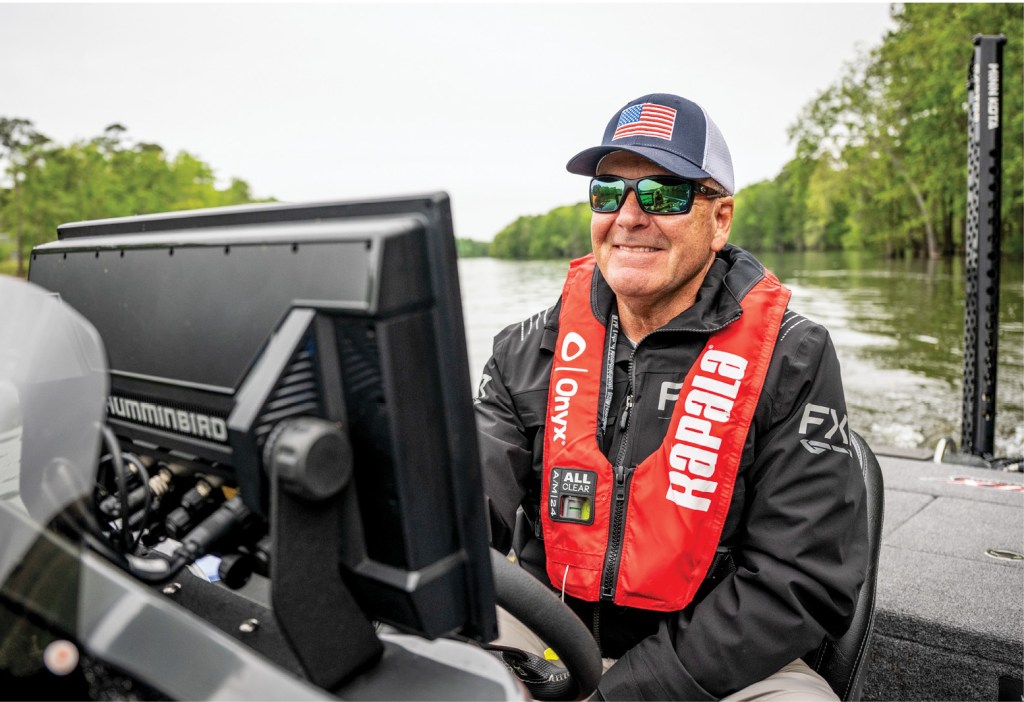
9:15 a.m. Water temp: 68 degrees. “Not sure if that little cold front pushed the shad spawn back or if we just missed it. I’m not seeing what I need.” Ultrex up. Time to move.
9:20 a.m. But not far. “With gas at $2.99, I’m hoping to stay close,” he laughs.
Hite slides into the back of a creek and starts pitching the jig to the base of cypress trees in 3 feet of water. “Over the years, I’ve learned which trees to fish. The good ones have a ‘donut’ root system at the drip line — perfect spawning habitat. Fish spawn on that outer edge. Once the fry hatch, they move tight to the trunk. Since I don’t know exactly what phase we’re in, I’ve got to fish it all.”
9:30 a.m. Farther back. Sparse lily pads line the bank. Hite picks up the Rapala ClapTail and works it through the vegetation. “It’s like a Plopper, but the prop hits that blade and makes a different sound. Great for irritating fry guarders.”
No takers.
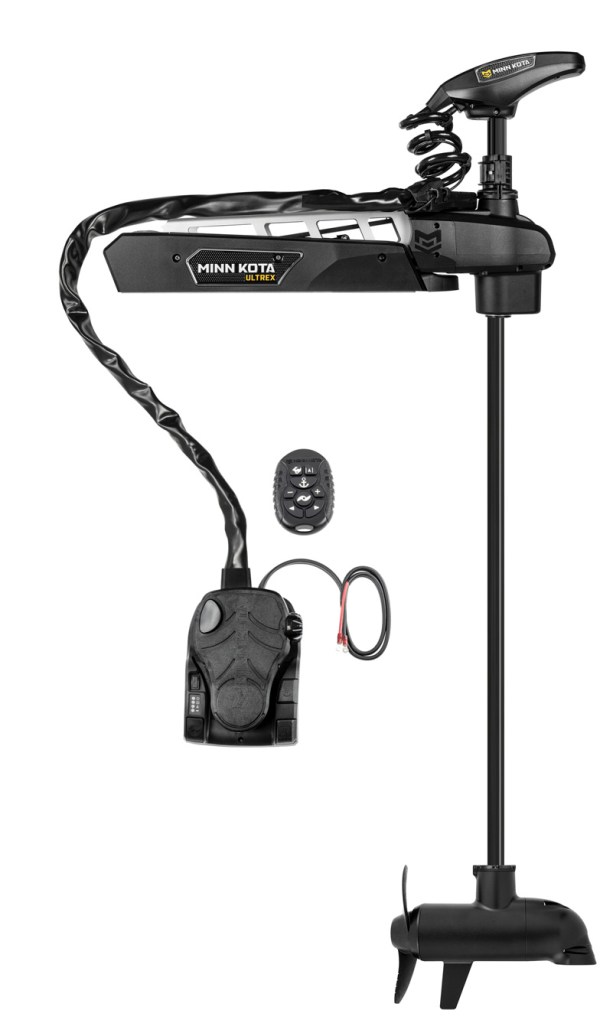
“I’ll tell you, this Ultrex QUEST with the grass prop is a game changer,” he adds. “Cuts right through this stuff. I never have to clear it.”
FOUR HOURS LEFT
10 a.m. A 1-pounder sits on a bed. “We’re not dropping Raptors on a 1-pounder at Santee,” he says, never slowing down.
10:11 a.m. After more than an hour without a bite, Hite finally calls it. “I knew I wasn’t getting away with only burning half a gallon of gas. Let’s roll.”
10:30 a.m. A 20-minute run north. Hite sets the Phoenix down near a stand of cypress trees off the main river. “Here’s that clear water I expected.” Mop jig in hand, he starts picking apart the bases of the trees.
10:36 a.m. He spots a 3-pounder near a bed. “Doesn’t look super-committed, but we’ll try.” He Texas rigs a craw, drops the Raptors and works the bed under a dilapidated dock.
“This is a male. Not as aggressive as I’d like. Lot of fry, lot of empty beds. We may come back.”
10:40 a.m. Hite sets the hook hard, and his jig rockets past my head. “I pitched to that light spot — he thumped it! Just got my pincers.” The boat drifts over the bed. “I’ll get him once we slide off it.”
10:44 a.m. And he does. After a couple pitches to the bed, Hite lands his first fish of the day — just over a pound. “That’s why he only got the pincers. He was too small to eat the whole thing,” Hite grins.
THREE HOURS LEFT
11:02 a.m. Hite sees a couple beds adjacent to a dock. He pitches his jig to one — a fish from the other rushes over and eats it. “That was wild! That bass swam 4 feet from another bed to eat my cricket.” Keeper No. 2: 2-4. “There’s another one there, and it’s bigger.”
11:10 a.m. “This new Ultrex QUEST is so quiet it’s crazy,” Hite says. “That matters when you’re sneaking up on beds in stained water.” The bigger fish vanishes.
11:25 a.m. Hite returns to flipping cypress trees. He targets a solitary cypress, shakes his jig and sets the hook. “This guy was definitely up there on a bed I did not see.” Keeper No. 3 weighs 2 pounds on the nose.
11:31 a.m. Raptors down. Hite spots another bed. “That sure looks like a fish.” He pitches a Texas-rigged craw to the light spot. Alas, a fish it was not.
11:43 a.m. Hite has fished his way through a forest of cypress trees without another bite. “All right, let’s move.”
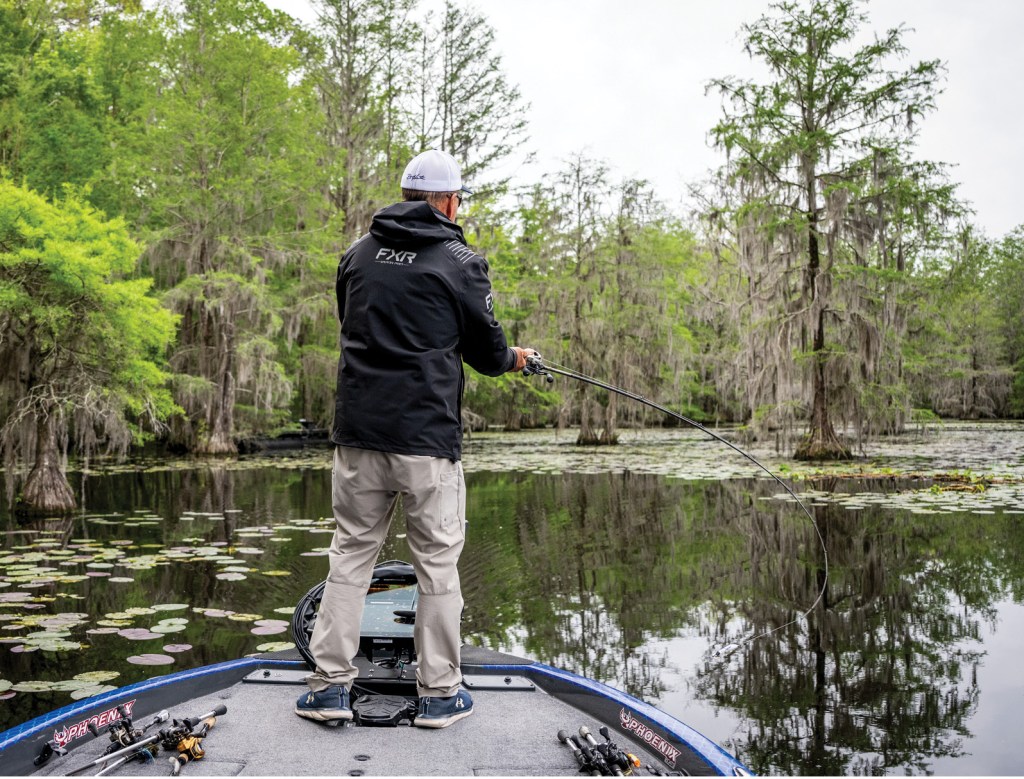
11:50 a.m. We make a short hop upriver. More cypress. More flipping. “This isn’t what I expected,” Hite admits. “Big lake, no recent info — that’s tough. Everything looks good, but we haven’t found the big ones yet. I’m surprised there aren’t more males around these beds.”
TWO HOURS LEFT
12:01 p.m. Hite posts up on another bed. Raptors down. After three pitches with the craw, his line starts moving sideways. He sets the hook hard, and the bait zooms by my head again. “Dang — just had the claws.” The very next pitch the bass eats the craw and he connects. Keeper No. 4 is a solid 2 1/2-pounder. Impressed with his sight-fishing prowess, I ask if he ever won a tournament solely looking at them: “Not a Bassmaster event, but I’ve won other events doing it. I love it.”
12:02 p.m. Back to the ClapTail along the bank, winding through vegetation.
12:15 p.m. Hite slides out to open water with scattered cypress. “This is where the 360 shines. I can find isolated knees and root systems and hit them without spooking fish. Precisely targeting these bass, especially if they have been pressured, is essential to get bit.”
12:25 p.m. He pitches the mop jig to one of the knees he located with the 360 about 10 feet away from the nearest tree and immediately gets bit. Hite sets the hook and keeper No. 5 flies over the transom. It only weighs a little over a pound, but it fills out his limit. “I need a 6-pounder!”
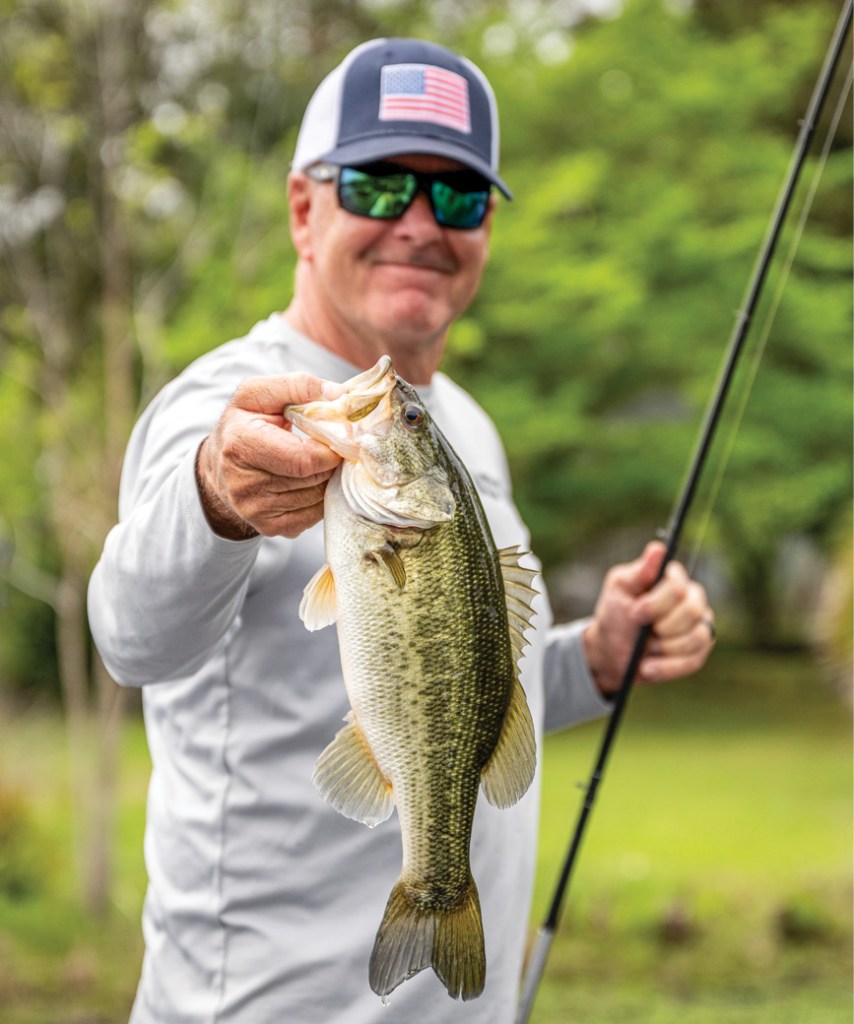
12:50 p.m. “Here’s one that will make the team,” Hite announces as he spots a solid 3-pounder on a bed. His first pitch generates a response. “I’m gonna catch this one quick!” However, each additional presentation makes the fish less interested in eating the bait. Eventually, the bass drifts off the bed and doesn’t return. “Well, that was complete rejection. I thought I’d catch him quick. His attitude changed completely.”
ONE HOUR LEFT
1:05 p.m. Hite picks up the frog and bombs it across a field of small lily pads. Nada.
1:15 p.m. We are down to the final hour, and Hite keeps the jig in hand. “Normally, even after spawning, those big females hang around for a while before heading offshore,” Hite says. “There’s got to be one here.”
1:22 p.m. “There is a good example of one of those donuts I was talking about,” Hite says. He points to the outer ring of a cypress tree root system that is positioned precisely on the outermost drip line of the tree’s branch system. “See how far from the base of the tree that outer ring extends? That’s where a lot of these fish like to spawn. A lot of anglers don’t fish their baits out that far from the base and completely miss those fish.”
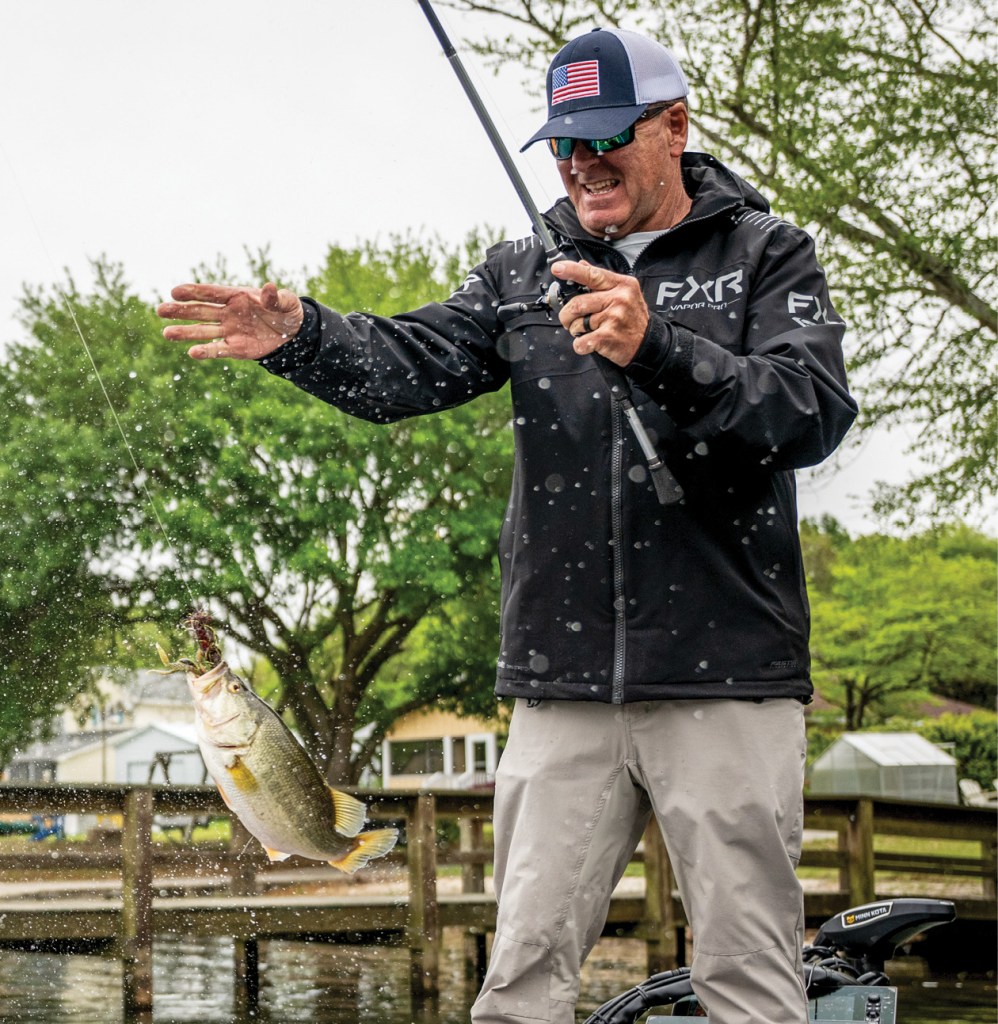
1:40 p.m. Hite has been alternating between targeting the bases of trees and the outer root systems with his jig, with no more success. “I have to think that recent cold front has these fish a little confused … and I can certainly identify with that sentiment right now.”
1:55 p.m. With only minutes remaining, Hite is on a mission to catch a kicker. “It happens all the time on the Elites and has happened to me several times over my career. That last cast can be the one you’ve been looking for all day!” But, not on this day.
THE DAY IN PERSPECTIVE
Hite ends the five-hour day with a limit of bass weighing 9 pounds.
“I treated this like a practice day for an Elite event,” he says. “I’m not upset with the outcome at all. I gained a lot of information. All the empty beds told me that a major wave of spawners came and went. I was surprised there weren’t more males on the beds guarding fry.
“Even though I caught a small limit, I’d consider our time today eliminating water,” Hite continues. “If I were to come back for my second day of practice, I’d relocate to the northern end of the lake where the spawning activity is likely still going strong and maybe fish a little deeper. Plus, I’d test that shad spawn bite again first thing in the morning.”
Originally appeared in BassmasterMagazine 2026.