

From time to time, word gets around how certain lures are outperforming others within their class. We might hear about it at the boat ramp, backstage during a weigh-in or at some tackle shop — places where scraps of information are sopped up like water to a sponge.
Whatever the source, that intel could potentially save us time and money, while increasing our chances of catching more and bigger fish. And that’s precisely why we listen.
The truth is, not all lures perform as promised by the manufacturer. Whether they are deficient by design or in the materials or techniques used to build them, many never produce as they should. It’s true for spinnerbaits, bladed jigs, topwaters, jerkbaits, crankbaits and just about any other class of lure you can think of.
It comes down to the integrity of the design, the materials used and how well the lure is made. And for any touring pro, I assure you they want the best product available in any class of lure.
Savvy scoping baits
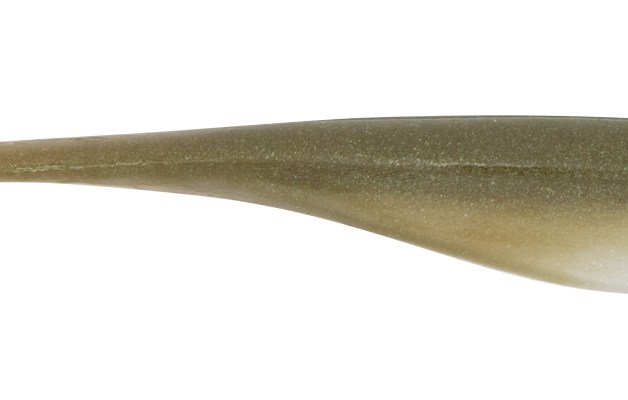
Take fluke-style minnows, for instance. Top tier anglers proficient with forward-facing sonar will tell you, not all minnow imitations are equal. The ones that perform best are those that roll from side to side as the lure is twitched or shook so that it quivers.
The Deps Sakamata Shad and Yamamoto Hinge Minnow do this and more, and it’s why both brands are becoming increasingly more popular among professionals.
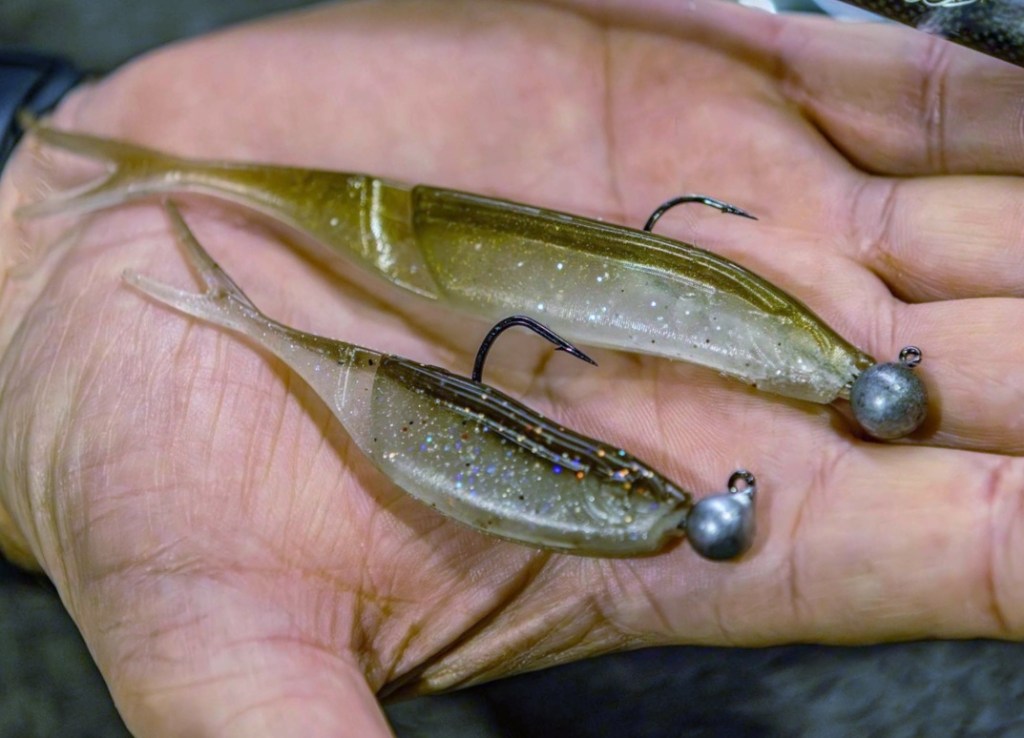
When presented in a scoping situation and a targeted fish is tracking the lure, shaking the minnow is oftentimes required to provoke a strike. The action imparted may seem overly aggressive, but it’s actually quite measured. In doing this, the minnow will not only hop and quiver erratically, it will also roll from side to side. And believe me, that is a difference maker.
When the lure performs in this fashion, your chances of fooling fish increase dramatically … especially on large or finicky fish.
Another aspect to a well-designed minnow is how it glides when paused. Does it spiral hopelessly toward the bottom, or does it glide in a slower, more lifelike descent? That, too, will make a difference.
Inspired designs
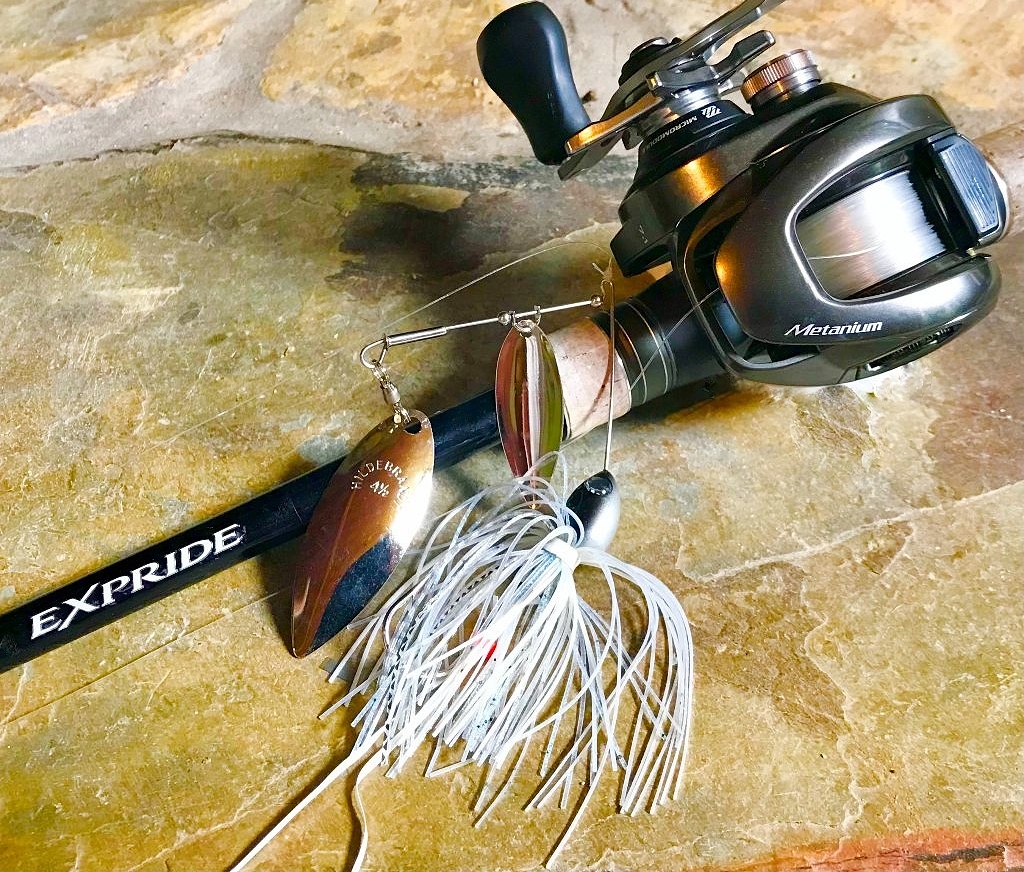
What about spinnerbaits? Most consider them simple chunk-and-wind lures, presented repetitiously without a lot of thought. But for those that truly understand their makeup, there are key features and performance characteristics to look for.
Next time you throw a spinnerbait, retrieve it steadily near the surface and watch closely. If the lure is moving forward with tiny, intermittent surges, then it’s performing properly and likely to fool more fish than one than does not.
Two spinnerbaits I designed for Hildebrandt — The Blade and Tin Roller — perform in this manner. And for me, it’s essential that they do. Those tiny, pulsing movements give the bait added action, which in turn increases its attractiveness to bass. If the spinnerbait you’re throwing appears too rigid or lifeless during the retrieve, it’s not performing to your advantage.
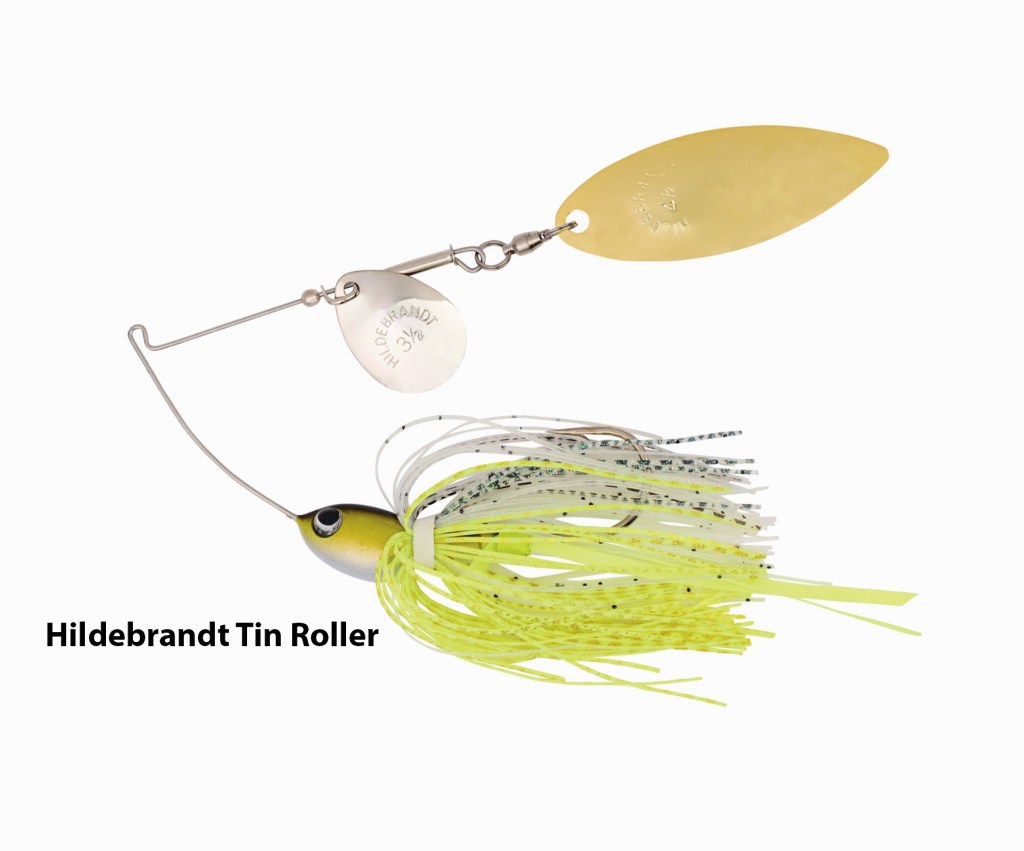
It’s not enough that the blades are turning, or that the skirt and/or trailer are wagging behind, or that the lure has lifelike attributes. You want the entire lure pulsating.
To achieve this, all of the components must be balanced and working together. The wire form, molded head, blades and skirt should work in unison to create flash, vibration and pulse as the lure travels. Thin blades or those with inferior cupping won’t deliver the right amount of vibration. Worse, a wire that is too thick or a head that is too dense will only dampen vibration.
Sure, it’s true that poorly designed spinnerbaits catch bass. But they’re not nearly as effective as those that perform at a much higher level. And if you value your time on the water as I do, then you want to fish with the best.
Evolutionary ideas
The same is true for jerkbaits. How well they perform depends on their design, balance and movements during the retrieve. Of course, the tackle they’re thrown with is important, as is the skill of the angler. But unless it’s a well-designed model, it’s not going to catch near as many fish.
In the early part of my career — before there were suspending jerkbaits — we found ways to alter their buoyancy. In many cases, the modifications were crude. Neutral buoyancy was achieved by wrapping lead wire around the forward hook shanks, or drilling a hole in the belly to insert a bullet weight. The lure’s sink rate was then determined by the amount of exposed lead removed with a file.
Like I said, our methods were crude. But they worked.
Not long after, adhesive lead strips and discs were introduced, and that made the process much easier. To add more ballast, you simply stacked the thin adhesive weights on top of each other.
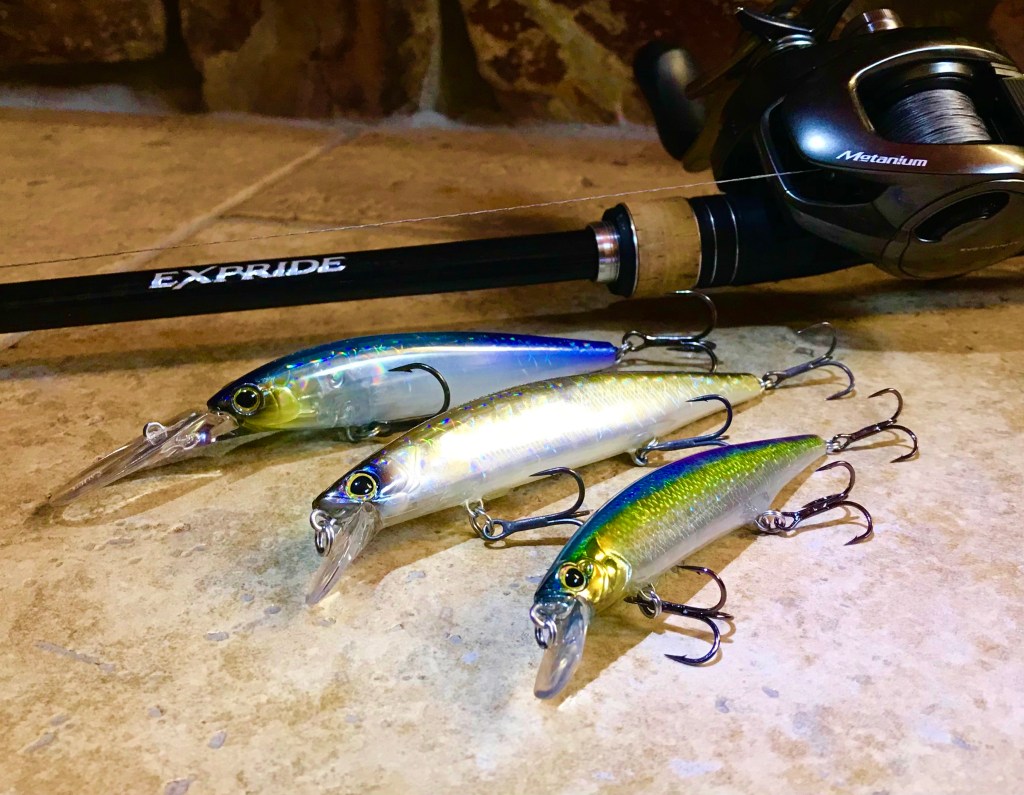
Nowadays, expertly designed jerkbaits come correctly weighted with perfect balance. They assume the right attitude (slightly nose down) when at rest, and they dart and flash with all the right moves during the retrieve. Megabass, Lucky Craft and Shimano all build superior performing jerkbaits, and Shimano’s Zumverno and World Minnow are among my favorites.
Tweaked to perfection
Looking back, it’s clear to me that none of these design improvements would have happened if not for the anglers who recognized a need, then found ways to fulfill them.
Whether the modifications began as a garage project with rudimentary tools (which was my method) or resulted from highly skilled technicians working with sophisticated equipment, it was through those efforts that we are now able to fish with lures that perform at an optimal level.
So the next time you’re shopping for a specific type of lure, listen to others and don’t skimp. The old saying holds true … “you get what you pay for!”
Follow Bernie Schultz on Instagram, Facebook or through his website.