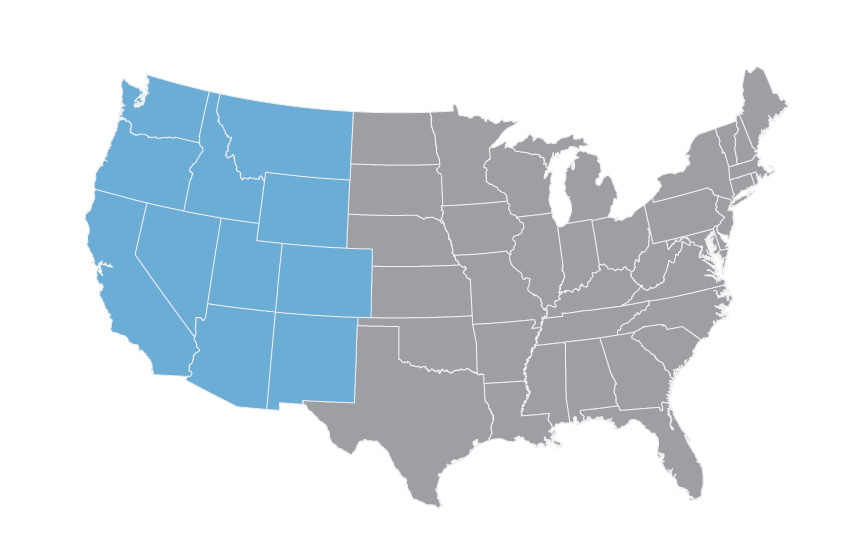
Arizona, California, Colorado, Idaho, Montana, Nevada, New Mexico, Oregon, Utah, Washington, Wyoming.
Top 100 Lakes 2026: Top 10 | Central | Northeastern | Southeastern | Western
[43,785 acres]
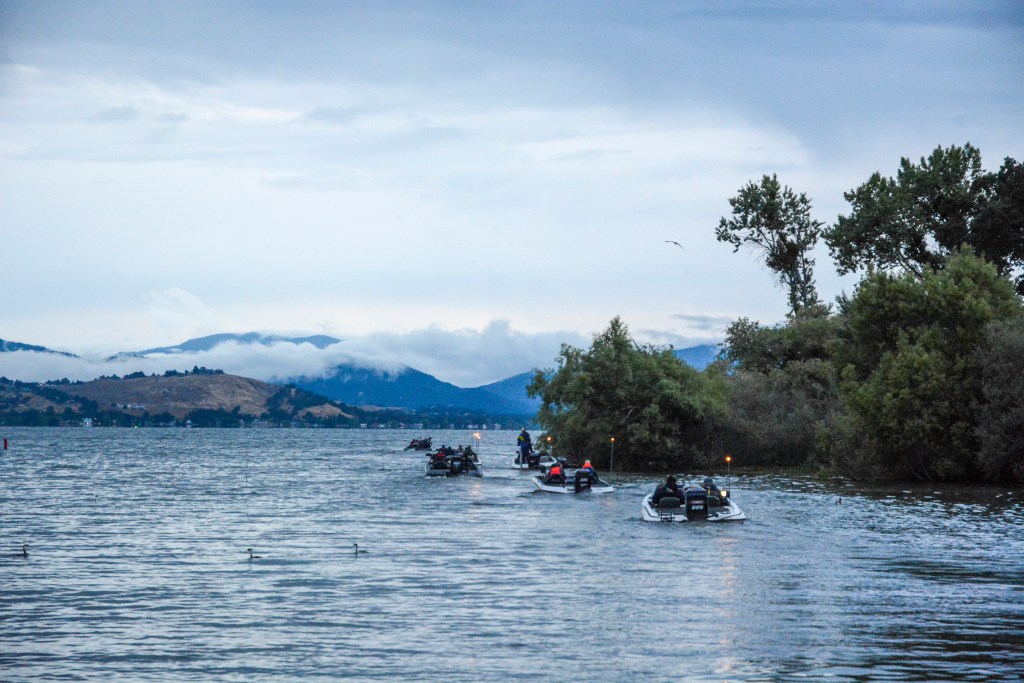
It’s back. Clear Lake has claimed the top spot in the West for four years running now and is the No. 1 fishery in the nation for the second consecutive year. That’s not just Bassmaster weighing in, either. When we polled the nation this year, looking for everyone’s picks for the best bass fisheries in the country, about 30% of the respondents listed Clear Lake somewhere within their top 15 waters. And 25% of those anglers listed California’s largest natural lake as their No. 1 destination. Flower Moye, the California Department of Fish and Wildlife (CDFW) Inland Fisheries Assessment and Monitoring Program supervisor, has the data to back up Clear Lake as the top pick. At the 16 tournaments held here that we surveyed, it took limits with bass averaging 7.29 pounds apiece to claim victory. The heaviest winning five-fish creel, which included a 13.07-pound big fish, was an incredible 45.16 pounds weighed in at the Best Bass Tournament Trail’s Golden Mussel event in February. At a March contest, held by the same organization, it took over 40 pounds of fish to finish in the top three. If you decide to head to Clear Lake, it’s important to know that there are active mussel prevention regulations in effect, in which all trailered vessels must pass screening and display a Lake County mussel sticker, with mandatory rescreening required for boats returning from out-of-county waters.
[4,500 acres]
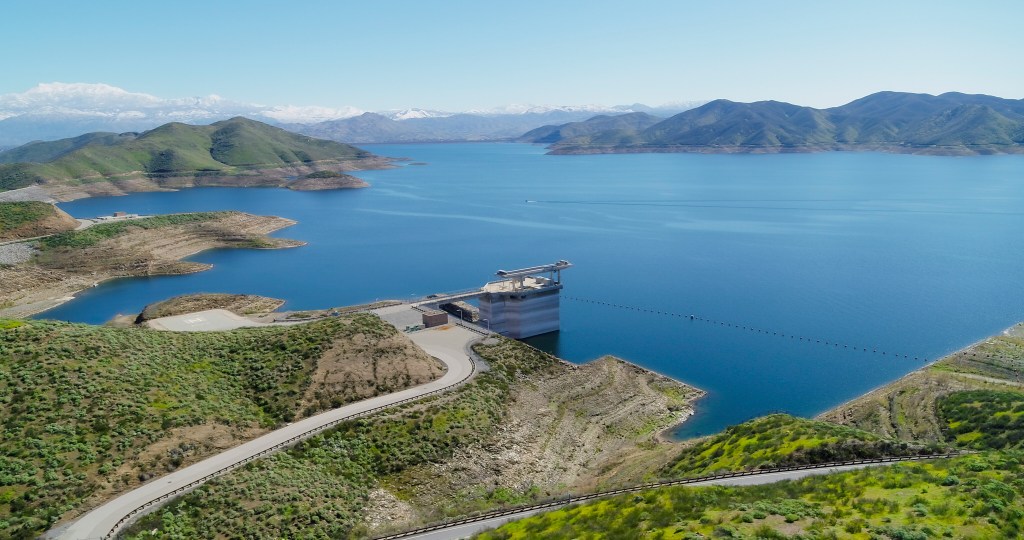
California Department of Fish and Wildlife (CDFW) and Metropolitan Water District of Southern California fisheries managers intentionally designed the relatively new Diamond Valley Lake as a trophy producer, placing brushpiles and other habitat throughout the basin before filling it with water. Once opened to fishing in 2003, it quickly became one of the most famous big-bass factories in California, with average tournament-winning weights growing to about 25 pounds. Following an almost-28-pound average peak in 2021, however, winning weights began to drop with a low of just under 22 pounds in 2023. But the big bass are back! The average winning weights this year hit a record 28.2 pounds. The largest bag, topping the scales out at 36.96 pounds, came during an April 26 American Bass 2.0 event.
[11,000 acres]
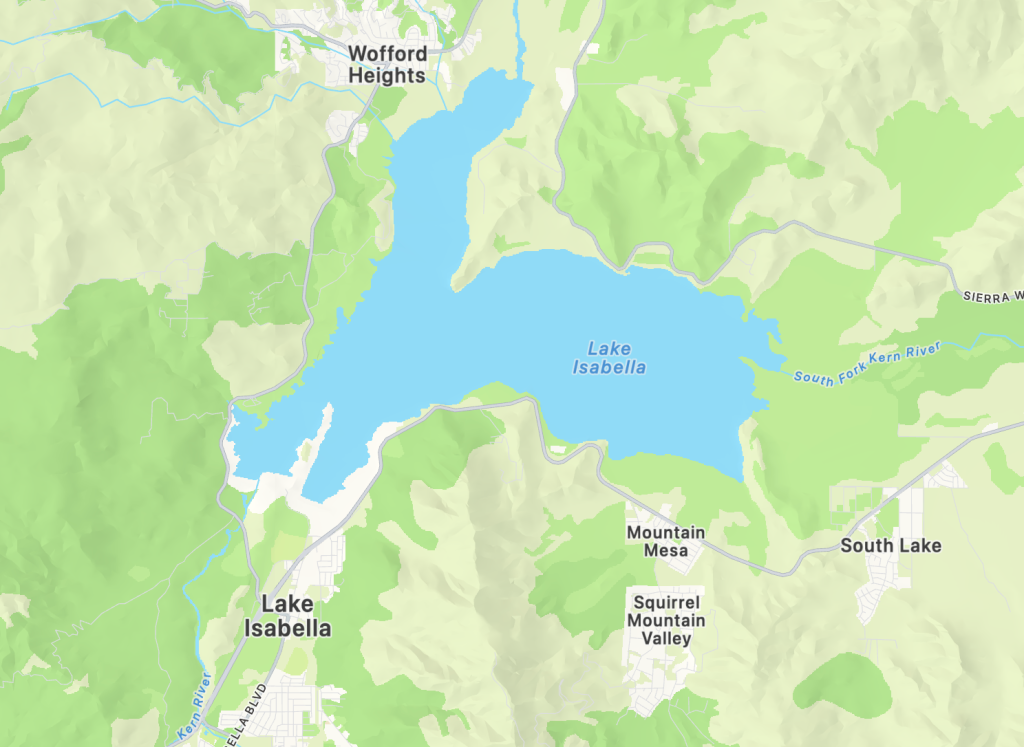
When the Kern River Valley was dammed, it created one of the largest reservoirs in Southern California. Located in the Sierra Nevada’s Sequoia National Forest, this is one of the state’s most underrated bass fisheries. Isabella offers largemouth, smallies and spotted bass, with consistent catches of 2- to 5-pound fish. Most anglers head here for the largemouth and an opportunity to land double-digit fish. The current lake record, caught by Keith Harper in 1984, sits at 18.94 pounds. In spring 2025, an 11.16-pounder was caught. And this year, at an April team tournament, the champions brought 28.89 pounds to the scale.
[27,910 acres]
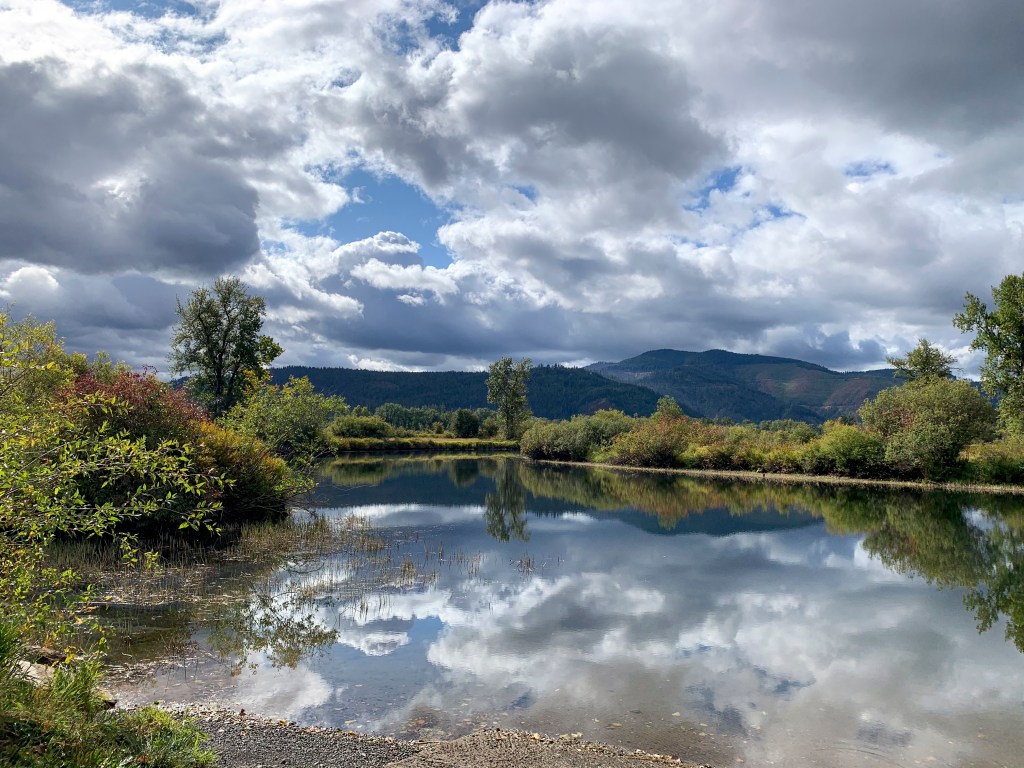
Natural lakes harboring big bass are not common in the West, but CDA is certainly one of them, rivaling many of the top fisheries throughout the country. It often takes well over 20 pounds to win here. And whether largemouth or smallmouth are being targeted, the champions will often have at least one fish over 6 pounds. At a two-day Panhandle Bass Anglers open tournament in late April, it took more than 40 pounds to finish in the top 18. The winners brought in 10 bass weighing 51.53 pounds. An 8.87-pound largemouth took big-fish honors, and the largest smallie weighed 6.82 pounds.
[5,020 acres]
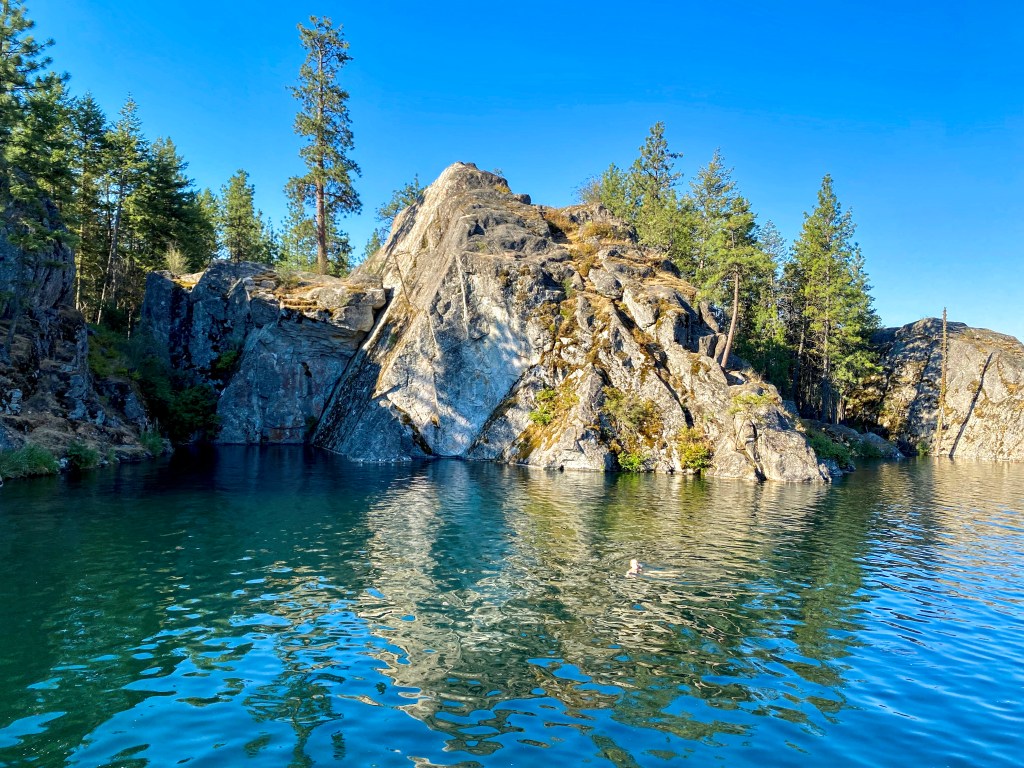
Known also as Long Lake, this Spokane River impoundment may be the most underutilized bass fishery in the state. Smallmouth up to 5 and 6 pounds are not unusual, but to win here, anglers usually need several largemouth in their creel. At a two-day Spokane Bass Club event in May, the champs brought in 48.1 pounds, with seven green fish and three of the brown variety, and their Day 1 weight was 31.48. The biggest largemouth and smallmouth were 7.38 and 5.84, respectively.
[2,250 acres]
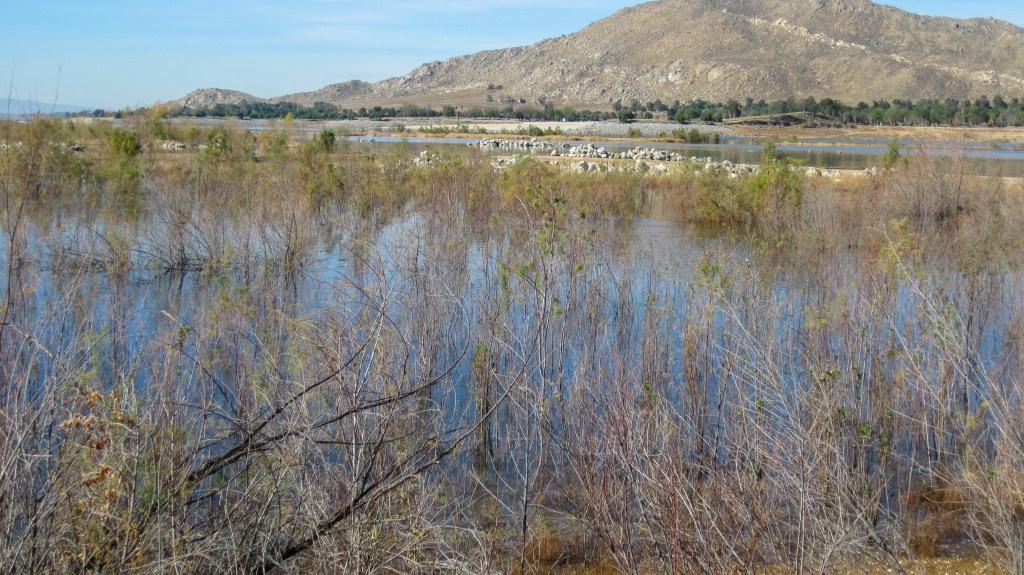
At only 65 miles from Los Angeles, Perris gets flooded with recreationalists of all kinds, making it best to go during the week if you can. Thanks to the CDFW’s habitat improvements here, the trophy bass fishing is better than ever. It was reported in April that Peter Rohrich landed a 9.5-pound largemouth at Perris. And at a March American Bass 2.0 tournament, the top team weighed 25.87 pounds, anchored by a 7.16-pounder. Big bass, caught by the second-place team, went 8.47.
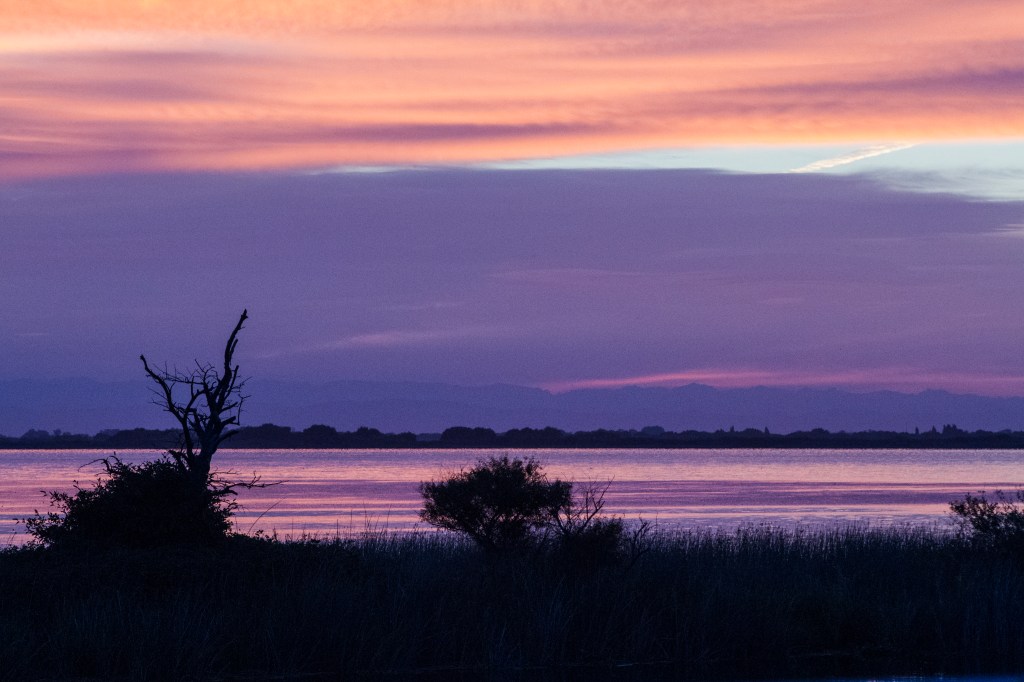
[1,100 square miles, with 1,000 miles of waterways]
The discovery of invasive golden mussels is already influencing the Delta. To start, there are fewer tournaments being held here, making it harder to evaluate the fishing. Biologists are also documenting habitat damage and food chain disruptions, although it’s too early to understand their impacts on bass. But based on the events that we evaluated, this remains a top fishery. It took a limit of 29.21 pounds, including a 7.14 kicker, to win a March American Bass 2.0 event. Big bass was 8.62.
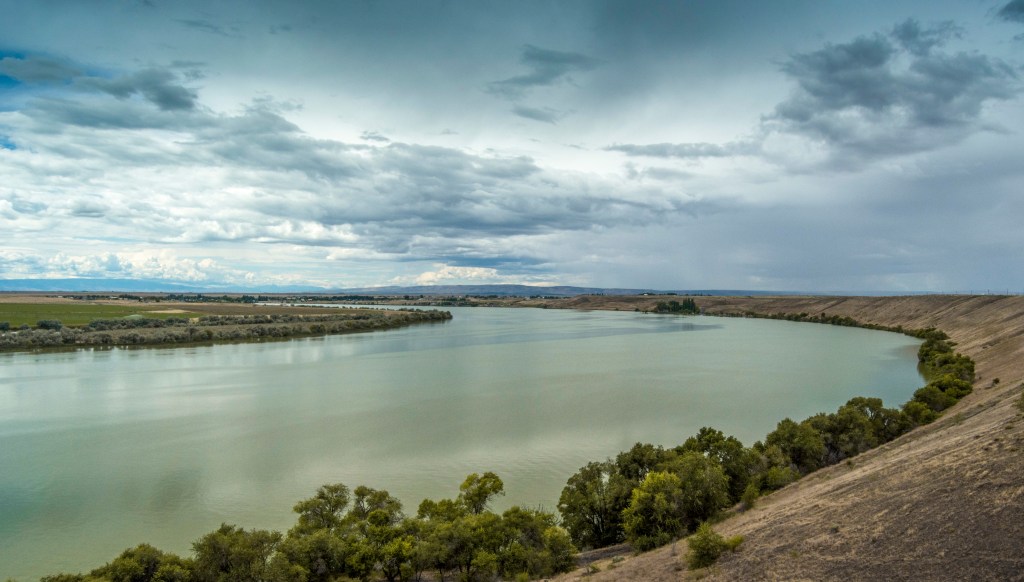
[6,727 acres]
Mention Washington state, and the first thing you may think of is too much rain. But at Moses, in the eastern part of the state, 300-plus days of sunshine are the norm. This shallow lake warms up fast, creating ideal habitat for bass. Smallmouth dominate, with fish reaching over 5 pounds. There are big largemouth, too, for those who know how to find them. At a Panhandle Bass Anglers team contest in March, it took over 20 pounds to make the top 12. The winners had 27.66 pounds, including an 8.36 largemouth. Big smallie was 5.63.
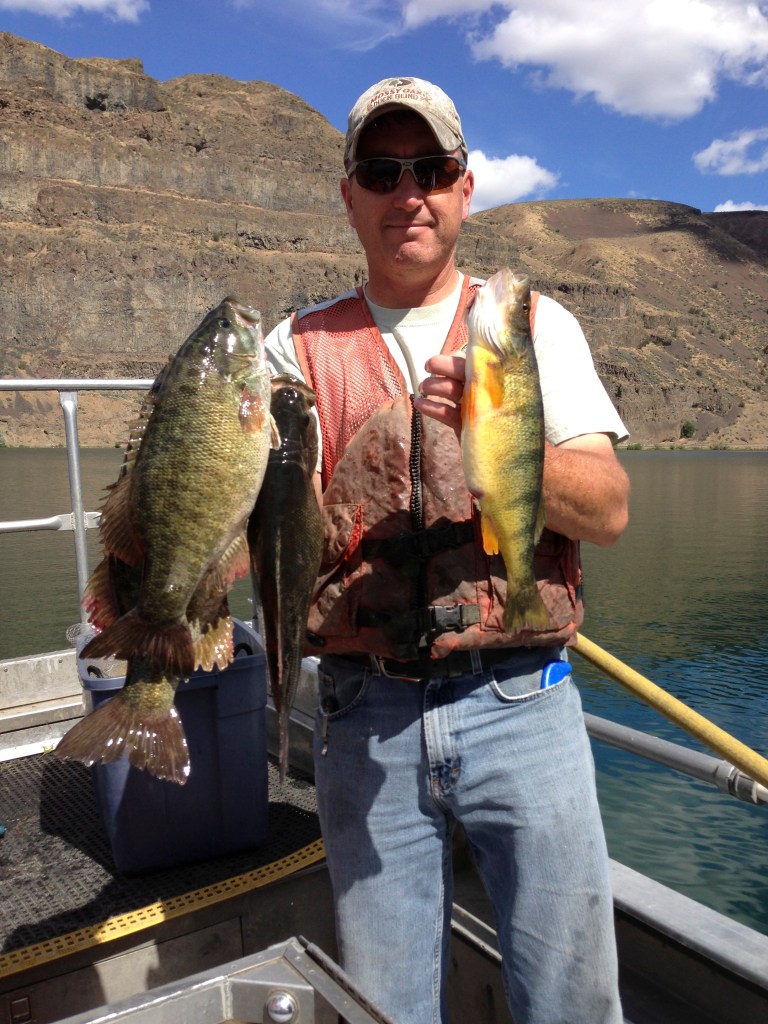
[1,760 acres]
This is another eastern Washington lake that often flies under the radar. It should be noted that it gets windy here. Sprague harbors both largemouth and smallmouth bass, but the former dominate due to its shallow waters, an abundance of vegetation and strong forage base. A Spokane Bass Club event in April was won with 26.61 pounds. Big fish at this one tipped the scales at 6.61.
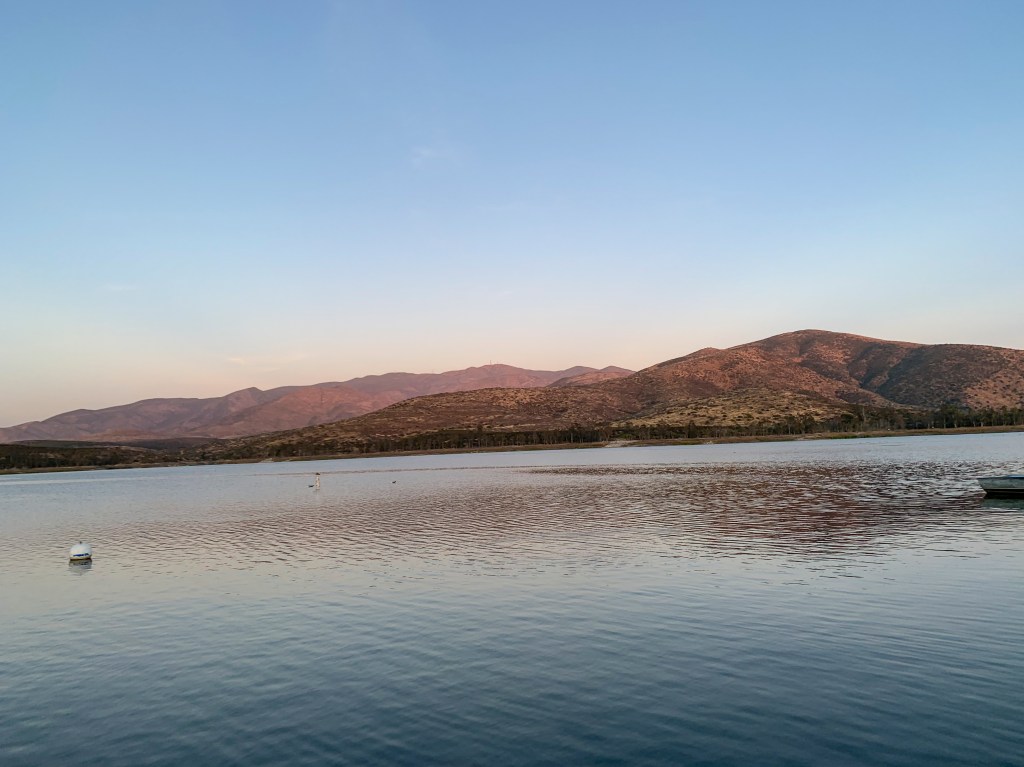
[1,100 acres]
Nestled amid Southern California’s rolling hills, near the U.S.-Mexico border, Otay has earned its reputation as a premier trophy largemouth fishery. Known for its fertile waters and abundant forage, the reservoir consistently gives up double-digit bass and remains the place to go for that fish of a lifetime. In January, local angler Andy Guzman landed a monster 15-pound, 9-ounce bass here. And at an April team event, the champions secured their win with an 11.64-pounder, while the second-place team weighed a 10.06.
[1,100 acres]
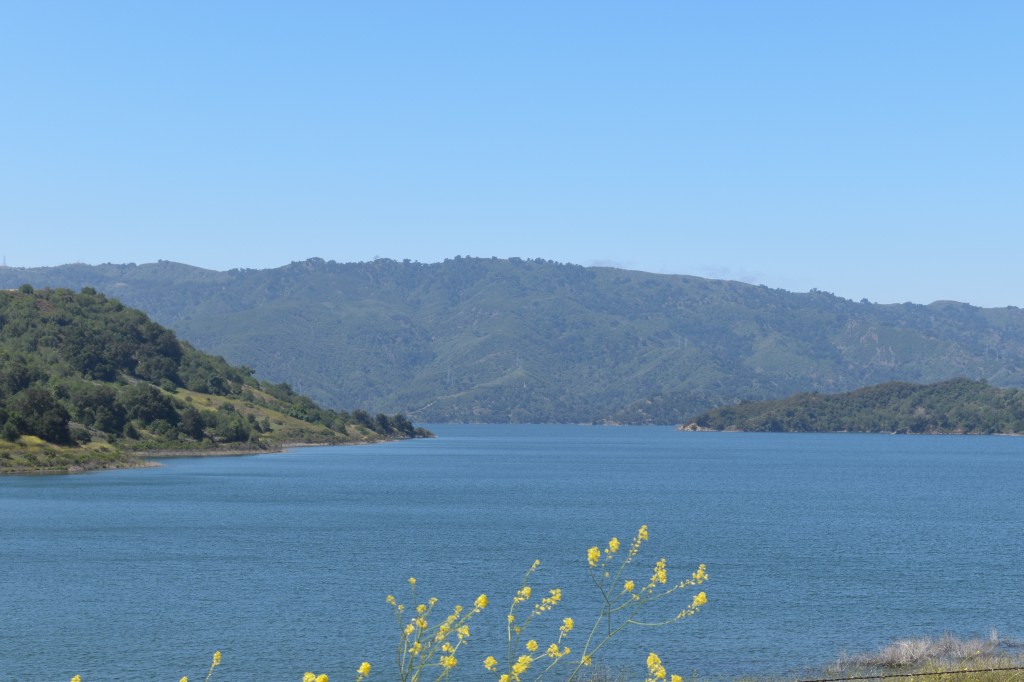
It’s no secret that Southern California’s trophy bass grow to monstrous sizes thanks to heavy trout stocking programs. Add a relatively long growing season, and the region’s largemouth growth rates can become epic. Lake Casitas is a prime example, illustrated by the current 21-pound, 3-ounce lake record caught by Ray Easley in 1980. But the fishing here can be hit or miss. The winning weights of the contests we surveyed this year ranged from 14.96 to 28.93 pounds. The biggest fish, weighed at a March American Bass 2.0 event, was 7.51.
[2,568 acres]
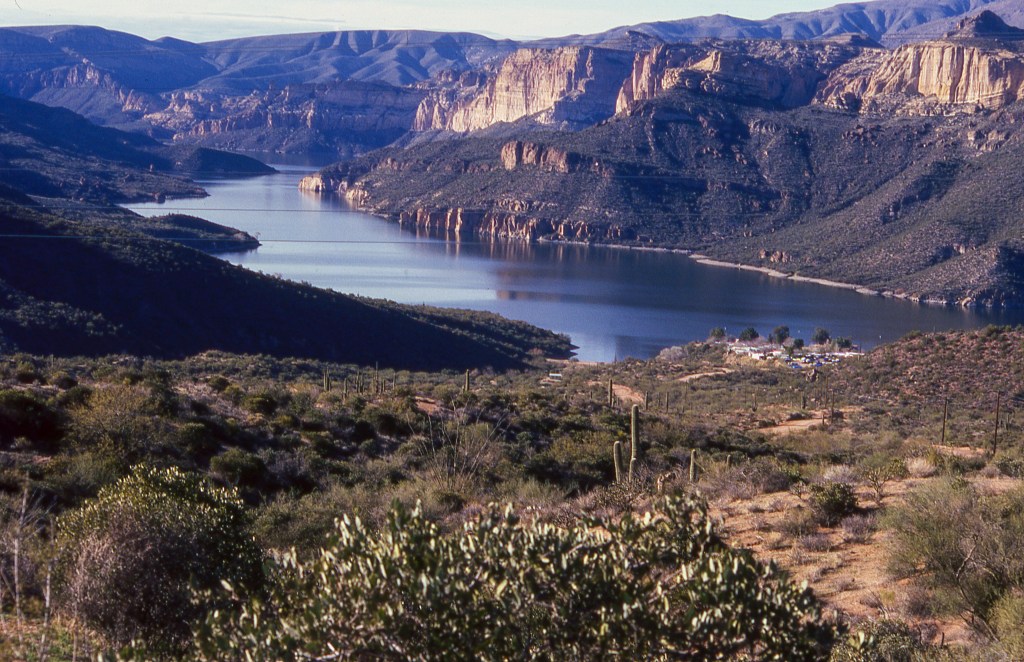
Most bass anglers will tell you that they make the long drive to Apache for the numbers of smallmouth and largemouth you’ll catch. And the bumpy trip down an 11-mile unpaved section of Highway 88 certainly results in less fishing pressure here in comparison to other state waters. But what’s often not mentioned are the large fish that this place can produce. At a two-day Midweek Bass Anglers of Arizona event in March, it took over 30 pounds to make the top 10. The winners weighed 37.11, including the 8.79-pound contest big bass.
[21,934 acres]
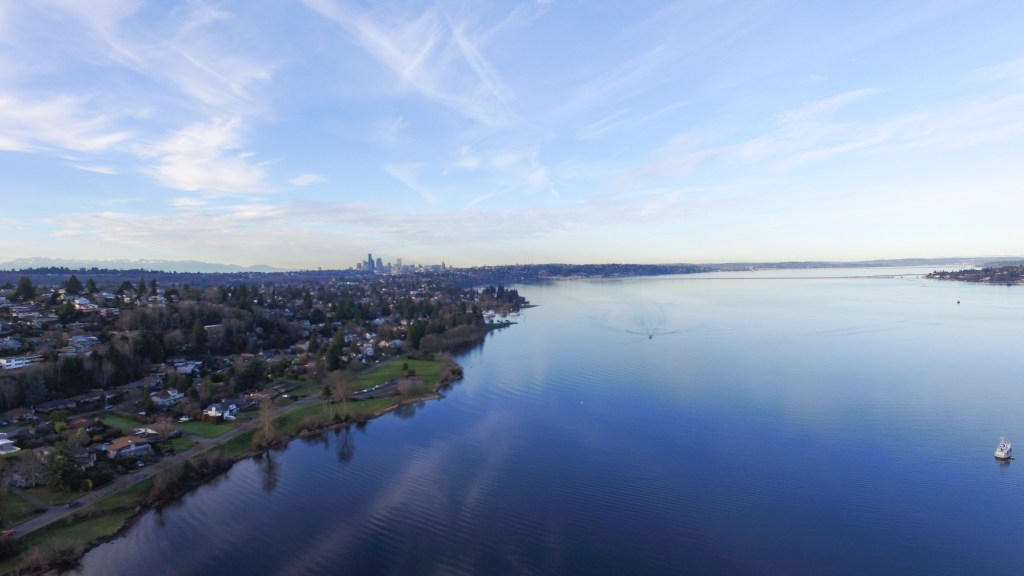
This is the state’s second-largest natural lake, and it sits surprisingly close to the cities of Bellevue and Seattle. But its highly urbanized location doesn’t hurt the fishing. In fact, thousands of docks lining its shoreline provide ideal habitat. There are smallies and largemouth here, with the former outnumbering the latter. The winners at a Washington Bass Association tournament in May weighed four largemouth and one smallmouth for 22.61 pounds. Their 6.51-pound largemouth was big bass.
[20,300 acres]
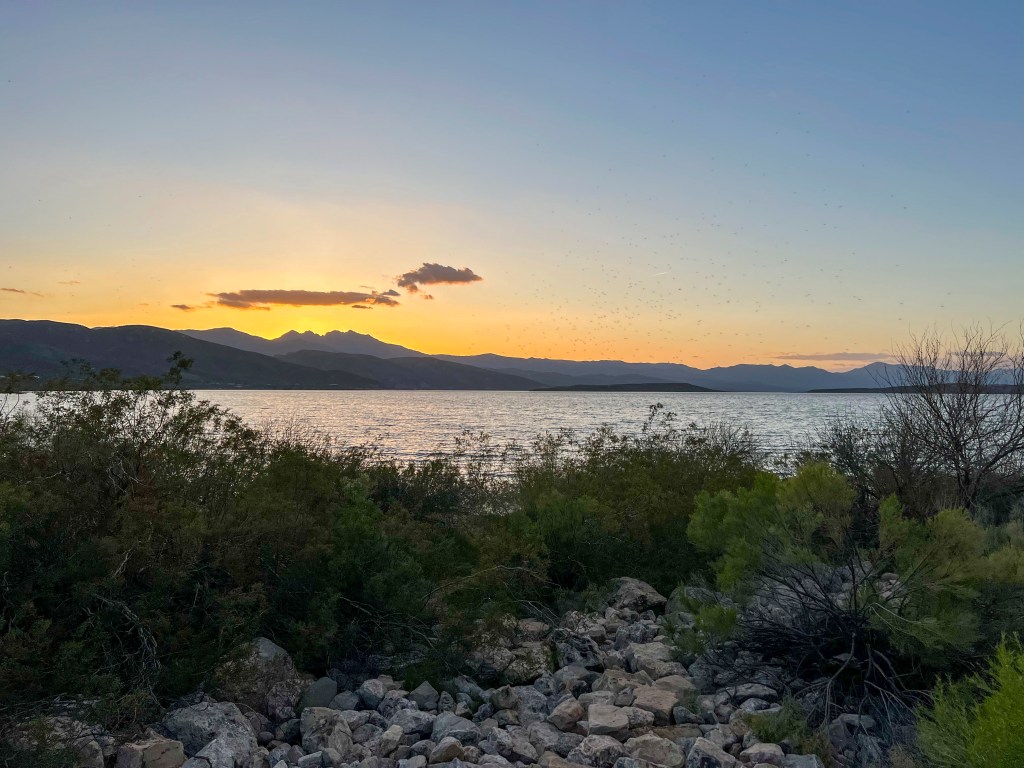
Roosevelt was a trophy producer during its heyday, with the 7.06-pound state record smallie and largemouth to 14 pounds making it a top big-bass destination. In the 2000s, however, habitat losses and gizzard shad introductions contributed to the disappearance of big fish. But they have returned due to management changes. Steve Jenkins caught a 16.57-pound largemouth in 2025 — which would have been the new state record if it had been weighed with a Game & Fish witness. This year, 12.14- and 10.63-pound bass were caught at Let’s Talk Fishin’ tournaments.
[7,592 acres]
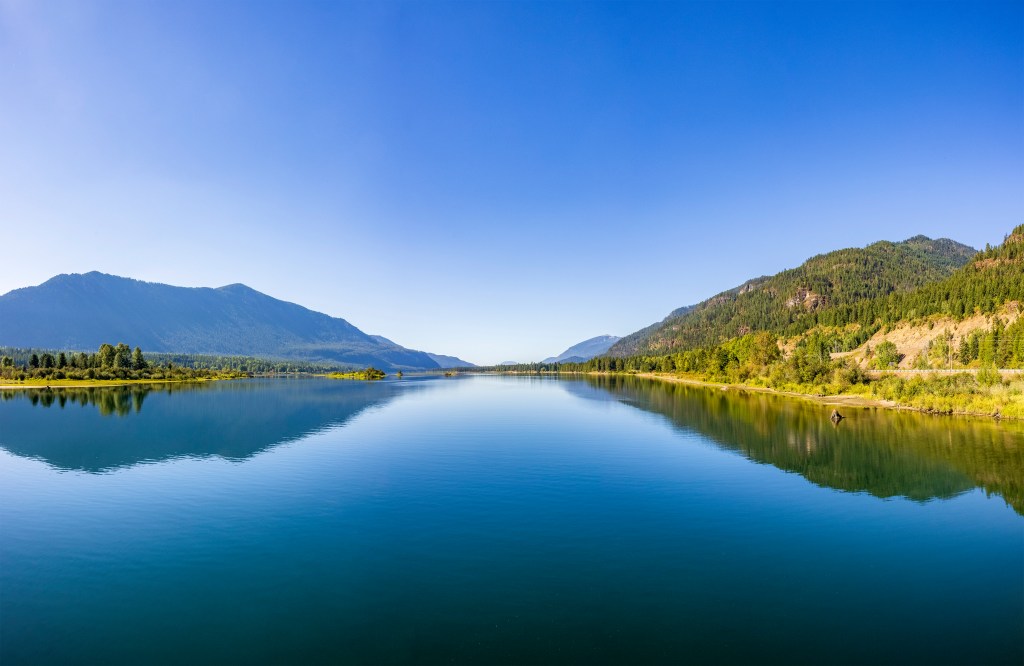
Mention blue-ribbon trout fisheries, and Montana’s Madison, Yellowstone and Missouri rivers jump to the top of the conversation. Talk about premier bass fisheries, and Big Sky Country waters are left out. But despite what some may think, there are reservoirs with enough warmwater habitat to offer great bass fishing. Noxon is one of them, with expansive flats dotted with submerged stumps. It took 41.28 pounds to win a two-day Montana B.A.S.S. Nation team event in May. Big fish tipped the scales at 6.29 pounds.
[92,764 acres]
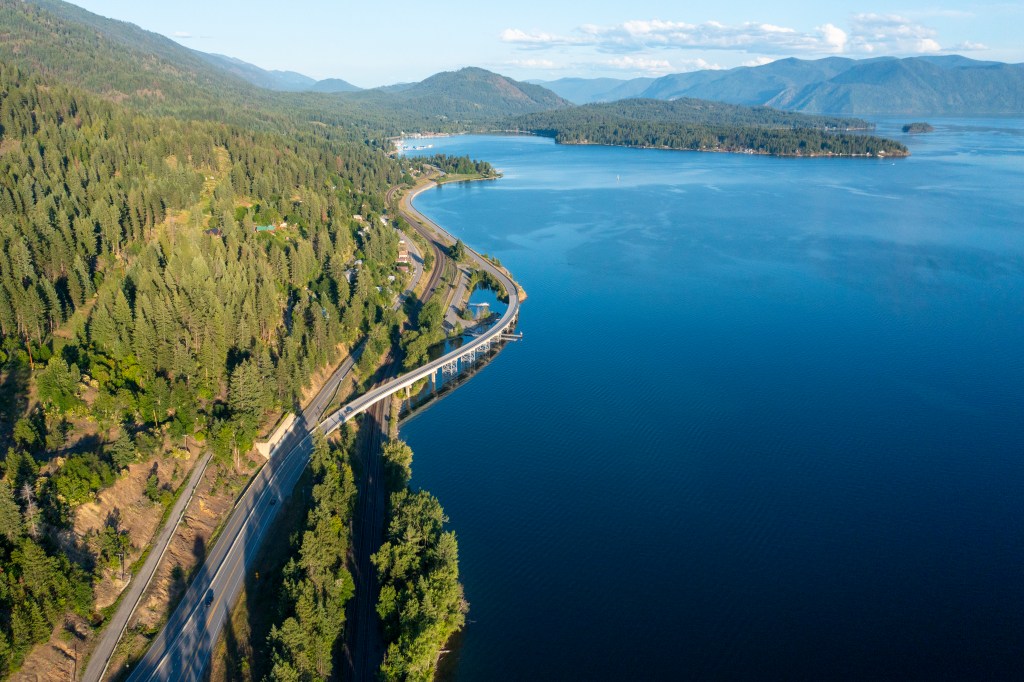
A newcomer to our list of top bass waters, this is the state’s largest lake. The plentiful rocky points, boulder-lined shorelines and gravel flats make this lake ideal for smallmouth production, where numbers of fish are the name of the game. Trophy largemouth can also be found in the shallower waters in bays and coves. The top weights at a two-day Montana Bass Federation event in April were 20.44 pounds on Day 1 and 20.74 on Day 2. The fourth-place team weighed in the biggest bass, a 6.68-pounder, on the first day of competition.
[3,164 acres]
Coastal lakes in the Pacific Northwest are typically deep with steep banks, making them poor bass producers due to
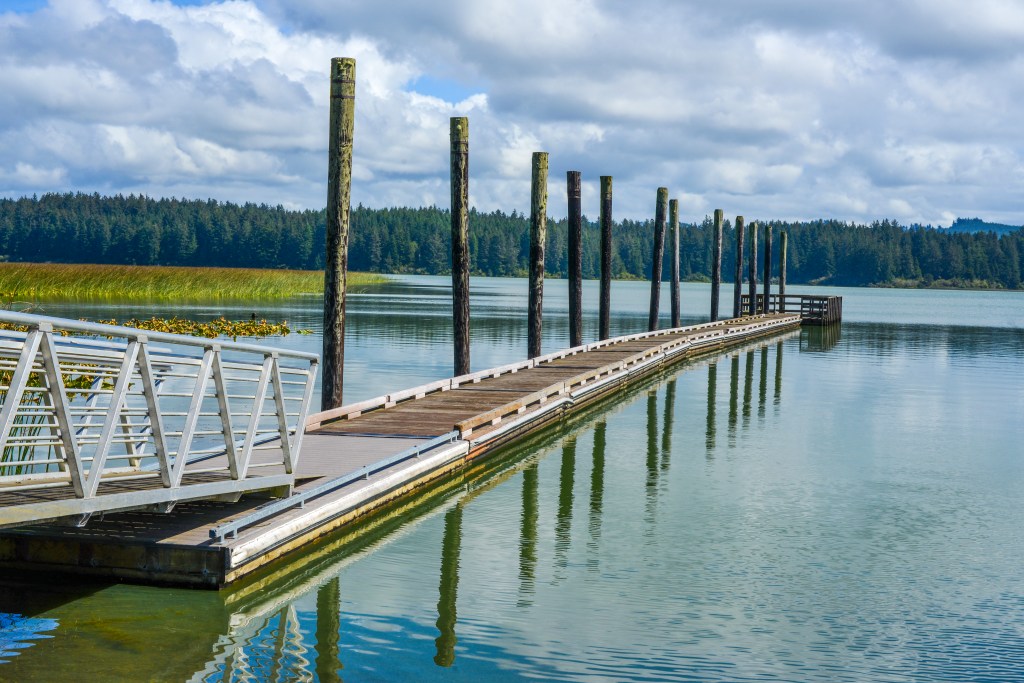
lower water temperatures, a lack of cover and limited forage. Siltcoos, at only 13 feet above sea level and three miles from the ocean, is an exception. Its shallow, nutrient-rich waters grow lots of vegetation — good for both prey production and bass cover. Although not a trophy lake, it’s one of the best for numbers of fish. The winners at an April Umpqua Valley Bassmasters tournament weighed in 21.90 pounds. Big fish went 5.91.
[27,800 acres]
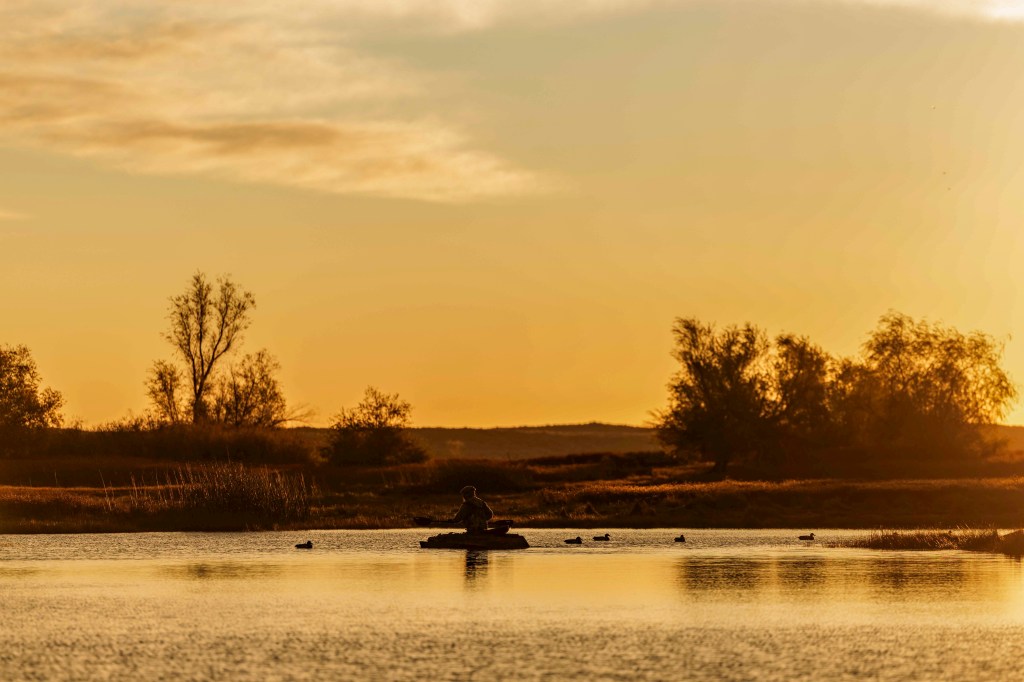
This is one of the most distinctive waters on our list, with the creation of O’Sullivan Dam submerging a vast area of sand dunes. The result was the creation of thousands of micro-islands and shallow, sandy bays that act as a maze of aquatic habitat. You’ll find both largemouth and smallies here, with the former concentrated on the north and west sides and the latter more prevalent to the south and east. At American Bass 2.0 events in March, the top teams weighed 21.48 and 20.67 pounds, with 5.58- and 5.54-pound big fish, respectively.
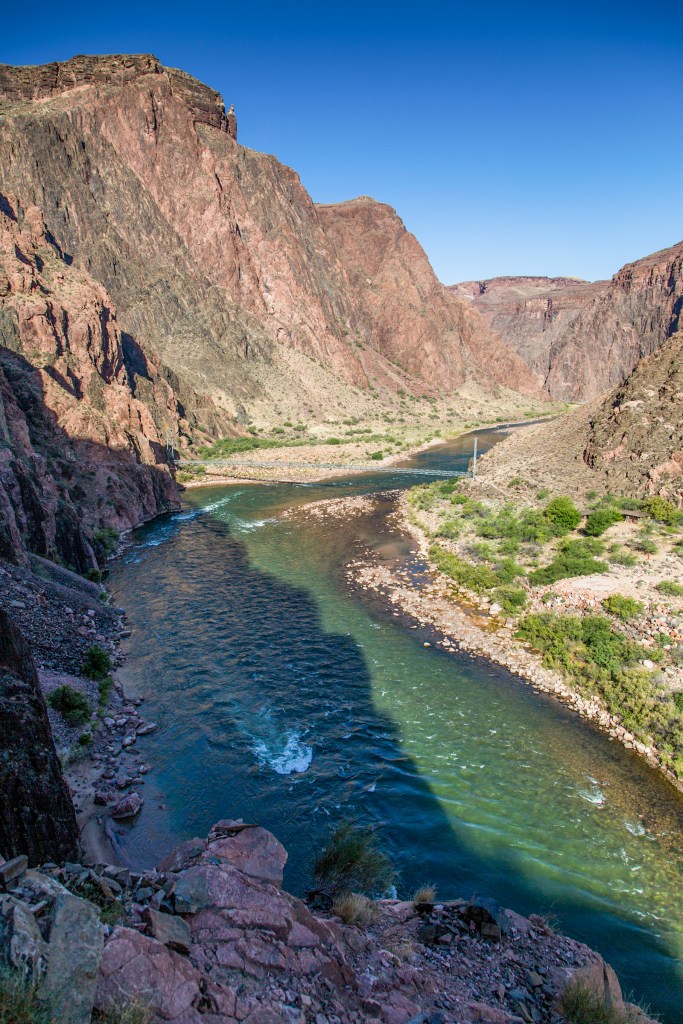
[88 miles from Blythe to Laguna]
This picturesque stretch of river is often bypassed by anglers on their way to Havasu, Mohave, Mead or Lake Powell. That’s despite the numerous backwaters and small lakes created by the Imperial and Laguna dams that provide enough habitat for great bass fishing. And there are plenty of access points, with Parker Strip, Mittry Lake and Fishers Landing being three of the most popular. It took 22.04 pounds to win an American Bass 2.0 contest in February. The second-place team weighed a 7.54-pound monster for big fish. Another tournament in the same series later in the month saw four limits over 20 pounds.
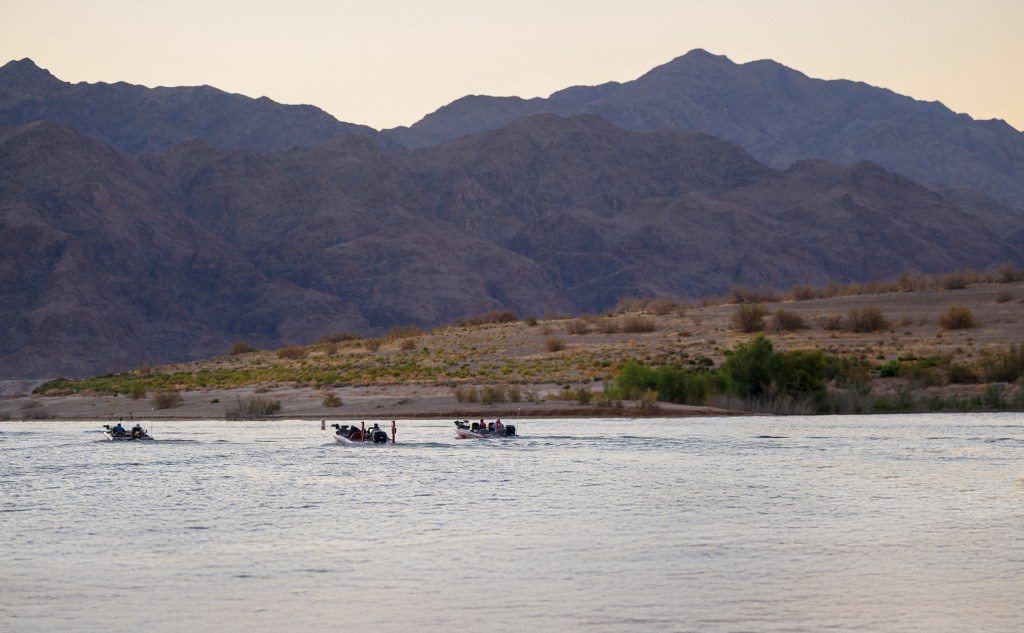
[157,418 acres]
This is the largest reservoir, in terms of capacity, on the Colorado River. It’s been experiencing the effects of severe drought since the late 1990s, which continue this year. The impact to bass fishing has been intense, with the previous brush-dominated habitat being replaced by a rocky environment and poor spawning conditions. Angler access is also limited due to the drought. Those that have adapted to the altered conditions, however, still do well. Big bass on Day 1 of M2 Fishing’s Desert Dash VI in January was a 7.22-pound largemouth.
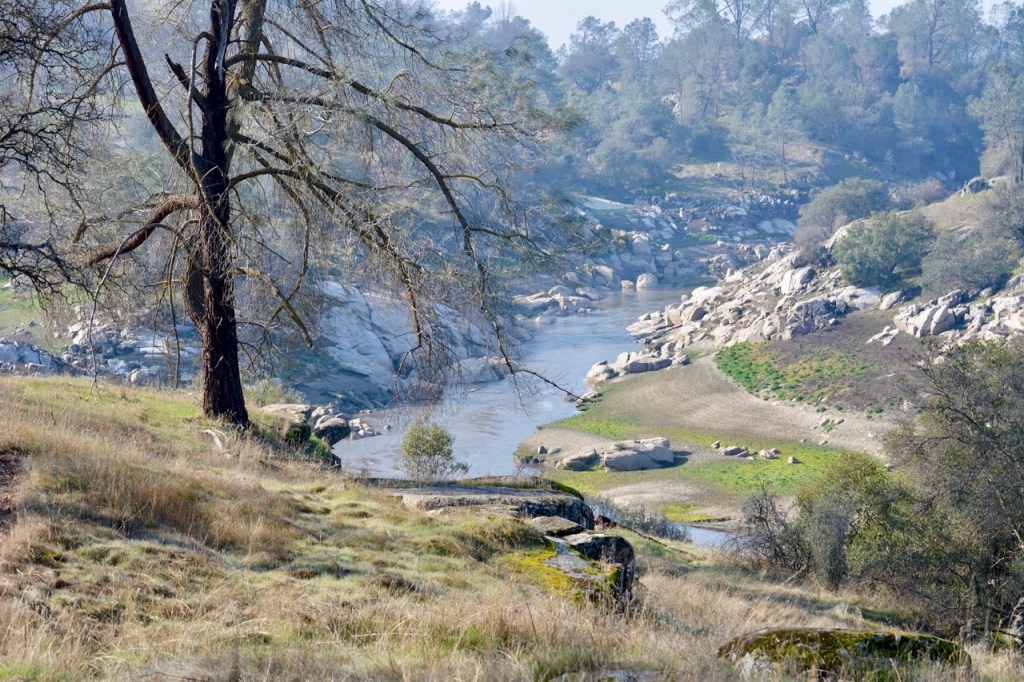
[1,780 acres]
Nestled in the Sierra Nevada foothills, Eastman is known for trophy largemouth, with the biggest bass typically between 10 and 14 pounds. Most anglers chasing these monsters target rockpiles in 20 to 40 feet, with the big bass often tough to fool into biting. And although catching them is still not easy, a series of massive fish caught in 2026 has elevated Eastman to a new level. The standout was an 18.75-pound largemouth caught by Newport Bassmaster Kayak Series presented by Native Watercraft pro Damian Thao in February. Max Lee landed a 16-pound, 1.5-ounce bass in December of last year.
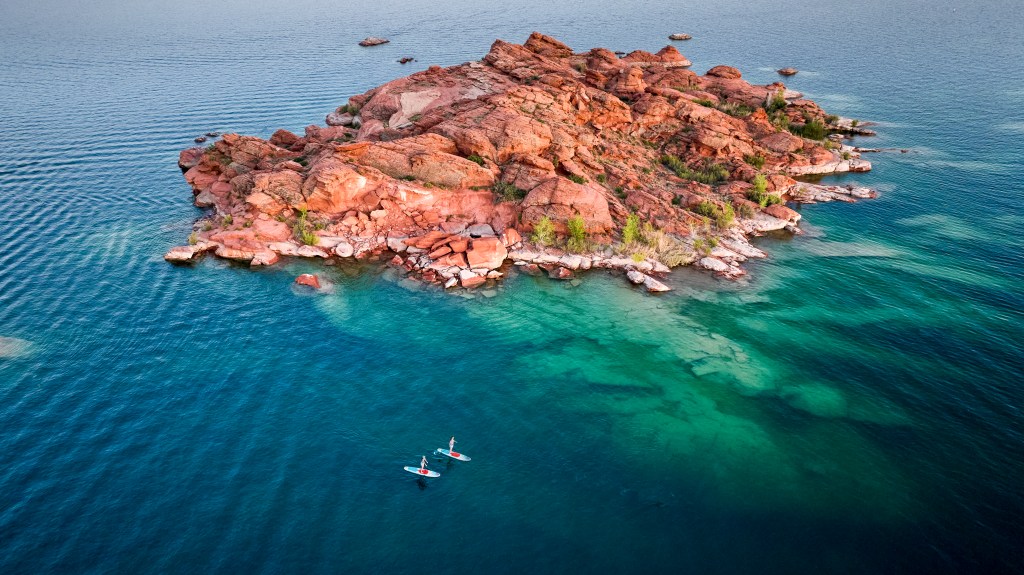
[1,322 acres]
The first thing visitors notice here is the beauty, with a red sandstone landscape contrasting against blue waters. Anglers, however, notice the abundance of fish-holding habitat, including rocks, submerged vegetation and humps. Craig Walker, with the Utah Division of Wildlife Resources, says this is one of the state’s top three bass lakes. It took 17.94 to win a Southern Utah Bass Anglers contest in February, with big fish going 6.16. February and March Ultimate Bass Team Tour events produced winning weights of 18.45 and 19.31, respectively.
[15,610 acres]
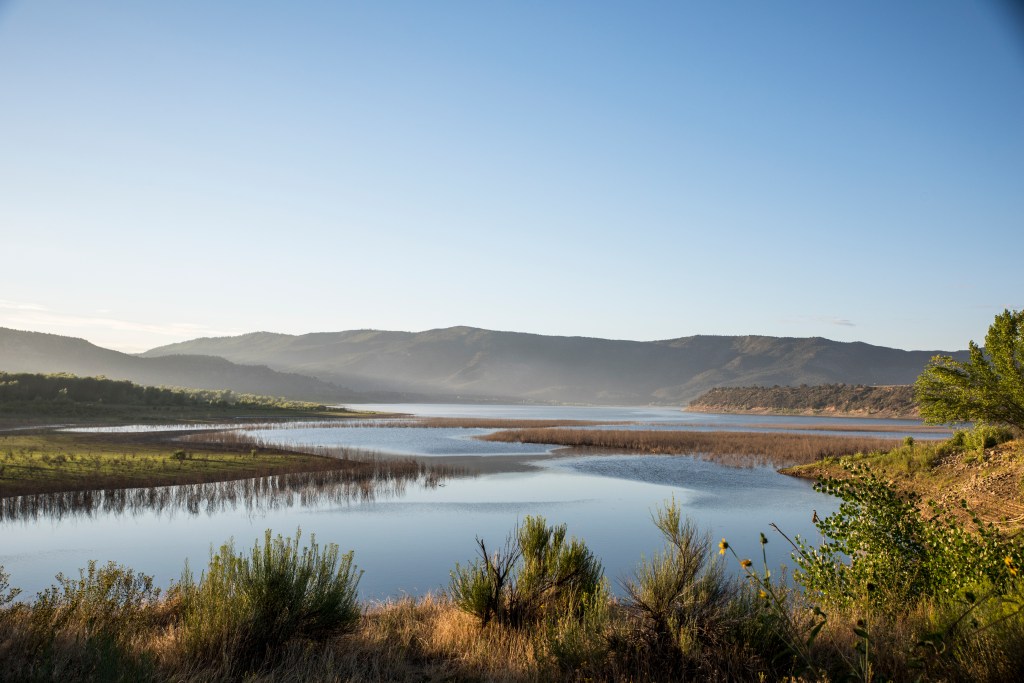
Navajo is a high desert lake, at approximately 6,000 feet. And it supports both cold-water and warmwater fisheries — including great bass fishing opportunities. Smallmouth bass dominate here due to their preference for cool-to-warm clear waters and rocky habitat. But there are largemouth, too, in the shallow, heavily structured areas. Two Ultimate Bass Team Tour events held here in April were won with 20.31 and 19.33 pounds, respectively. Big bass were 5.4 and 6.57.
[2,000 acres]
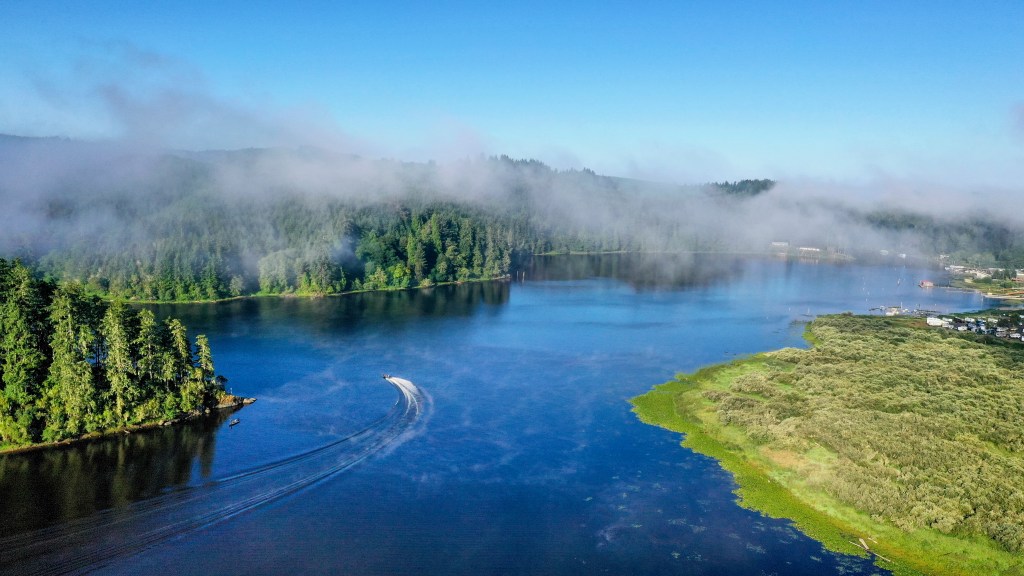
The Pacific Northwest is known for cold-water fisheries, and Tenmile was one of the best. But once other species were introduced, things changed quickly. The state made attempts to remove warmwater non-natives in the ’60s, but their efforts failed. Bass were added to the mix next, to hopefully prey on the other non-natives, but that didn’t work either. Eventually, this coastal fishery — it’s actually two lakes connected by a canal — became Oregon’s premier largemouth producer with 5- to 7-pound fish common. At the 40th annual Bassin’ for Bucks tournament, put on by the Umpqua Valley Bassmasters in early May, it took 20.55 pounds to win, with a 5.97 big bass.
[1,680 acres]
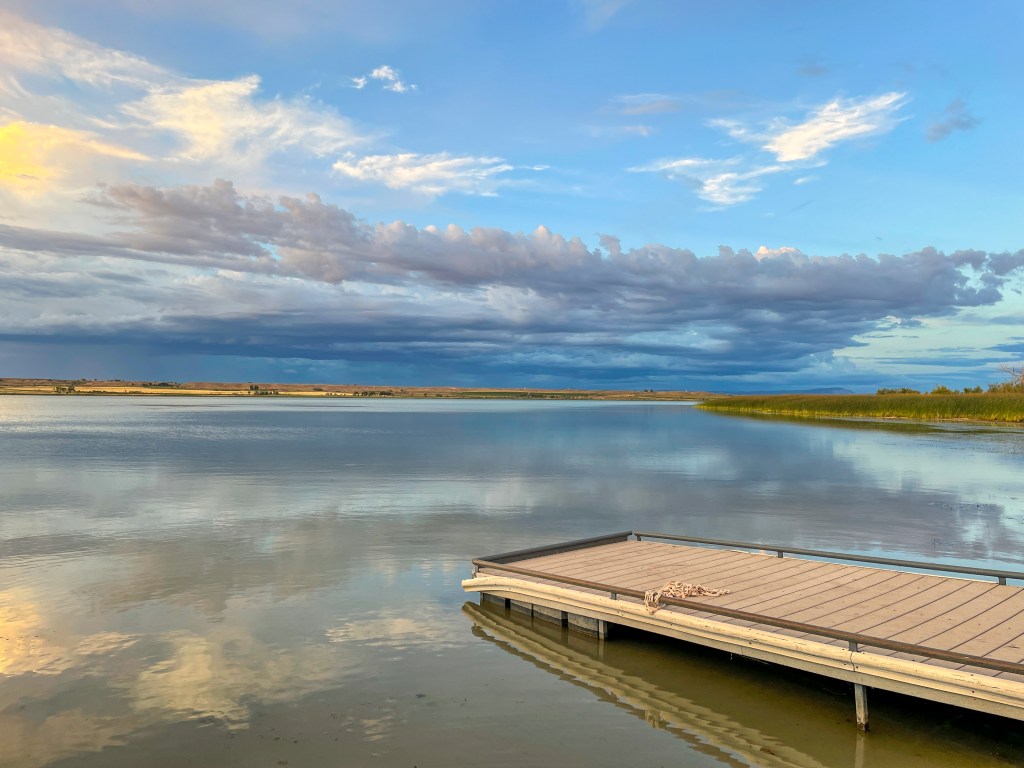
Another new destination on our list this year is Pelican, a shallow body of water no deeper than 18 feet. Aquatic vegetation can choke out some shorelines, but active management helps to control invasive weeds, improve water quality and support its high-quality fisheries. Special regulations, mandating a six-fish limit with only one over 15 inches, help to protect the larger bass. A Central Utah Bass contest held in late April was won with 19.29 pounds. The fifth-place team landed big fish of the day with a 6.67-pounder.