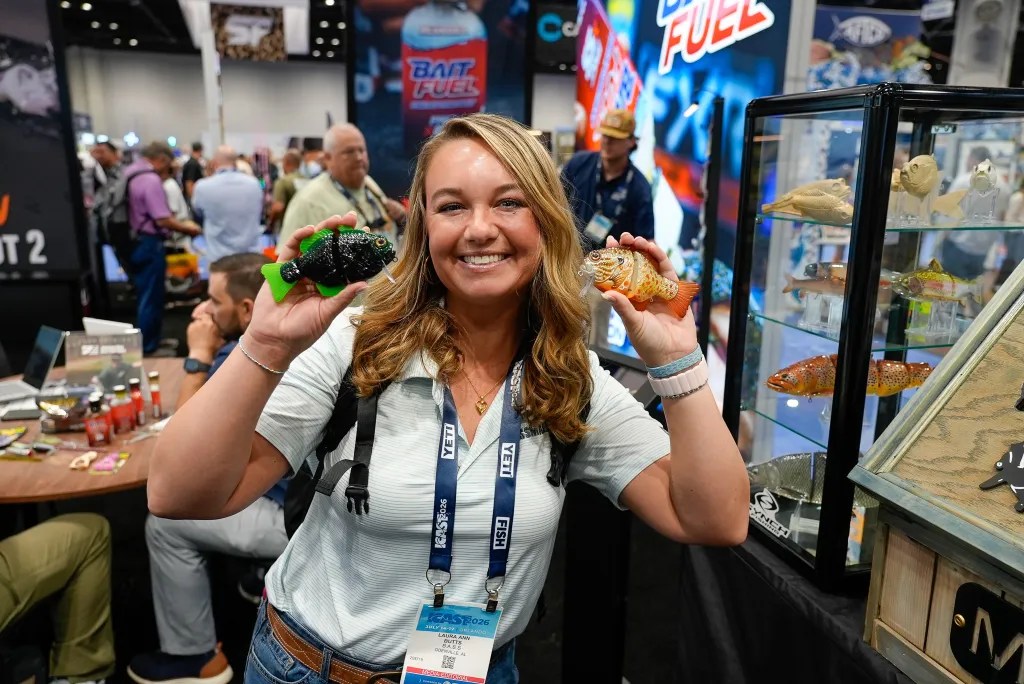

I don’t have any official statistics to back this up, but after walking the show floor this year, I couldn’t shake the feeling that this may have been one of the biggest years yet for women in the fishing industry.
For years, women occupied a relatively small corner of the sport. There were certainly incredible female anglers, guides and industry professionals, but the overall presence felt limited. This year felt different.
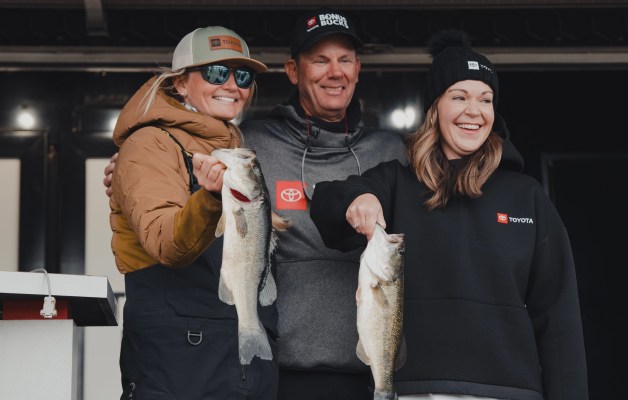
Everywhere I looked there were more women—not just fishing, but working booths, representing brands, creating content, developing products and building businesses. There were more female creators documenting the show, more women networking with one another and more conversations centered around growing the female side of the industry. Whether or not the numbers ultimately support that feeling, it certainly felt like momentum is building.
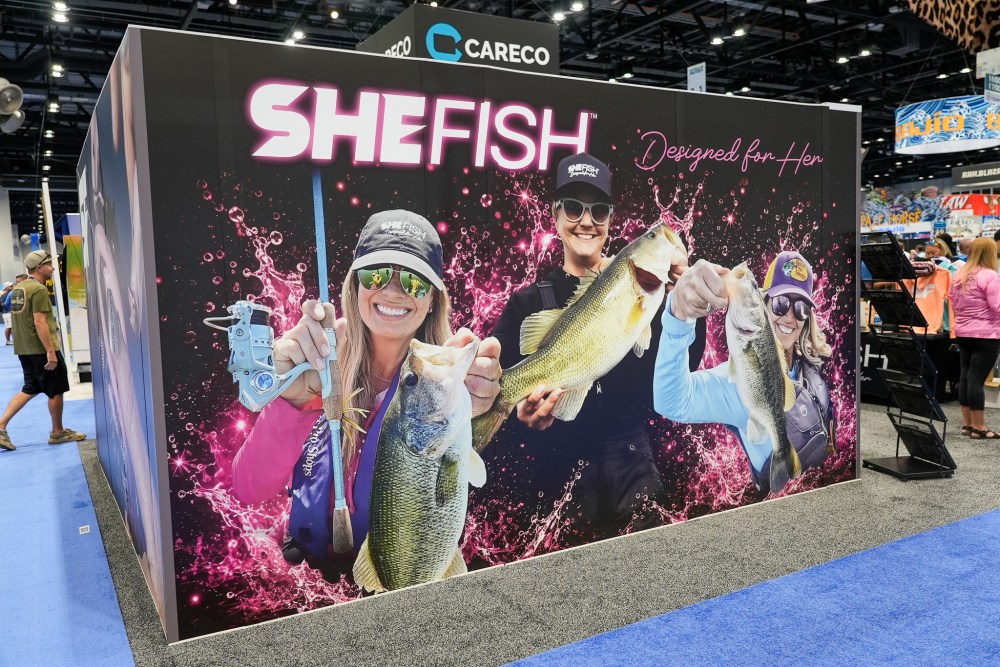
One company that immediately caught my attention was She Fish. Their approach isn’t simply creating another pink fishing rod. Instead, they’re designing rod-and-reel combos that are genuinely affordable while embracing bright colors, glitter, unique patterns and a style that feels fun rather than overly serious.
Some longtime anglers may roll their eyes at that approach, but I actually think it represents something much bigger.
Fishing has traditionally been marketed around performance, tournament success and technical features. That audience will always exist, and it should. But there’s also an entirely new generation discovering hobbies through social media rather than through family traditions.
Since the pandemic, we’ve watched people intentionally search for hobbies that get them away from endless scrolling and create more balance in their lives. Browse TikTok, Pinterest or Instagram for just a few minutes and you’ll find countless women documenting their attempts at gardening, sewing, baking, hiking, pottery, running and every other hobby imaginable.
Fishing fits naturally into that movement.
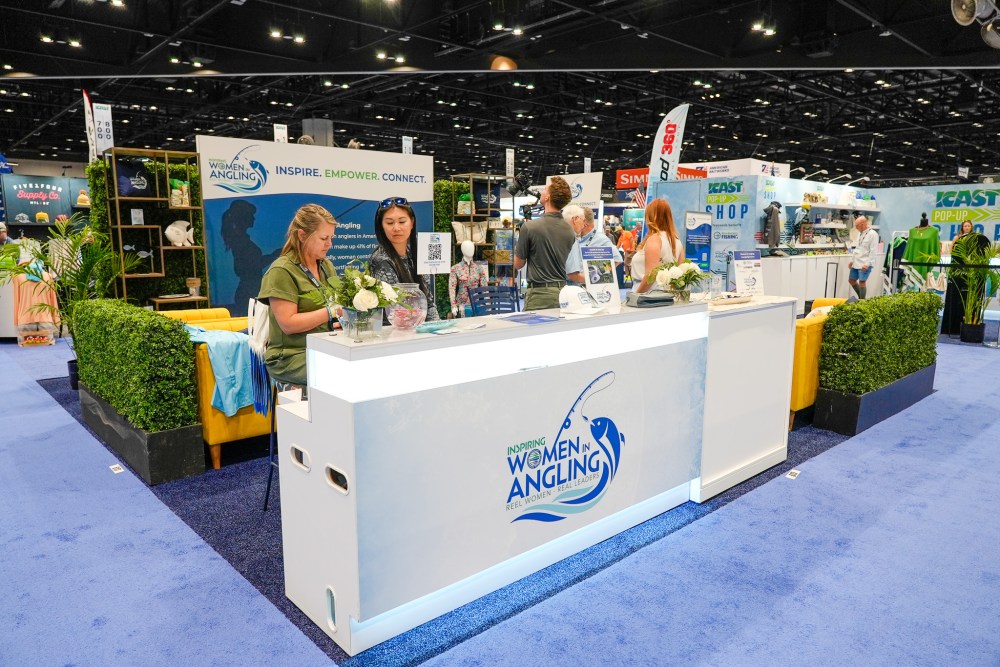
For college students, young professionals, mothers and women simply looking to meet new people, hobbies create community. They offer an excuse to unplug, learn something new and spend time outdoors.
Ironically, phones may be both one of the fishing industry’s biggest challenges and one of its greatest opportunities.
On one hand, we live in the age of the iPad kid. More children are growing up surrounded by video games, streaming and digital entertainment than ever before. If fewer kids spend time outside, the fishing industry could certainly feel those effects in the future.
On the other hand, social media has become one of the greatest tools for introducing completely new audiences to fishing. A single creator documenting their first bass, first kayak trip or first tackle haul can inspire thousands of people who never considered fishing before.
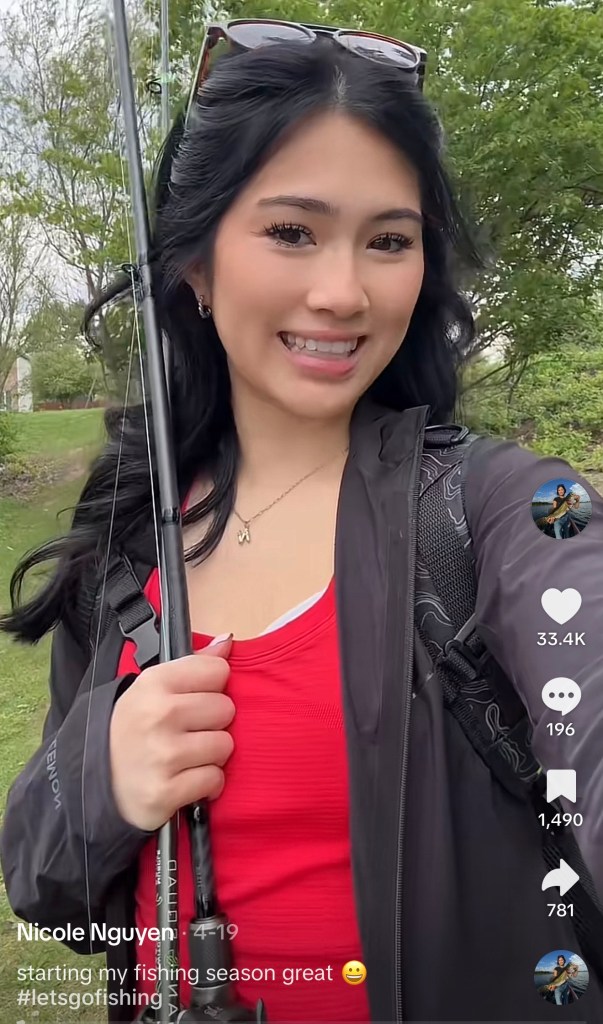
That exposure matters.
There’s another obstacle that deserves just as much attention: affordability.
If I’m being honest, I probably wouldn’t be able to participate in this sport the way I do today if I didn’t have access to my grandfather’s boat and a collection of tackle left over from when I was sponsored. I rarely buy new gear anymore, and when I do, I’m always looking for the best value rather than the newest premium product.
That’s why I appreciated several of the trends I noticed throughout ICAST.
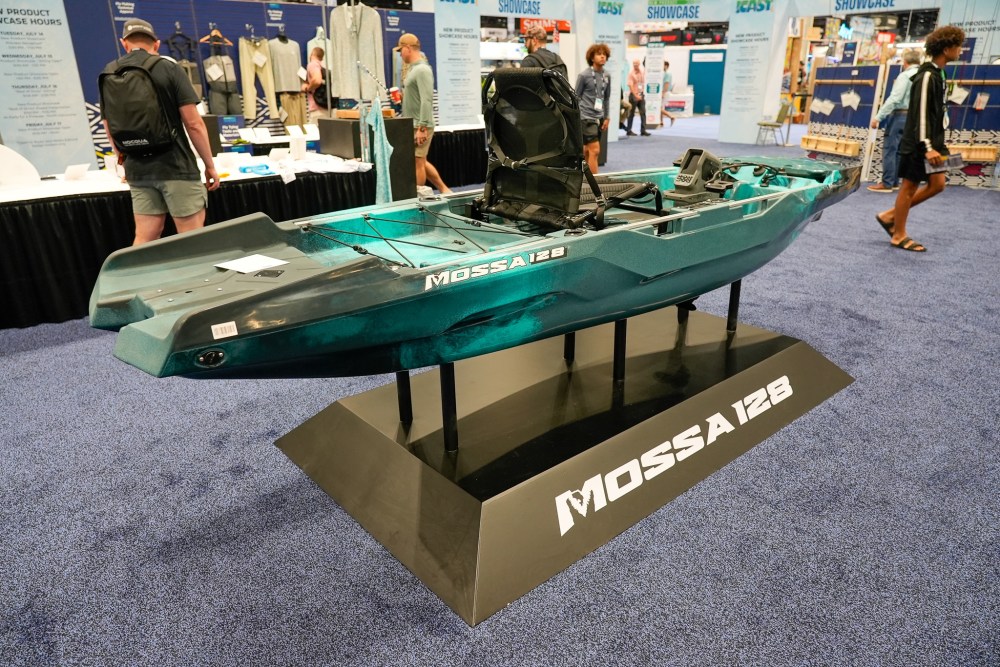
Beyond high-end bass boats and premium electronics, there seemed to be a stronger emphasis on more accessible ways to get on the water. Affordable kayaks, kayak accessories, bank fishing gear, tackle storage, carts and practical organizational products all help lower the barrier to entry.
Not everyone wants—or can afford—a fully rigged bass boat.
Many women entering the sport today are fishing from the bank, launching a kayak or borrowing equipment from family and friends. Those anglers deserve quality products that don’t require spending thousands of dollars before they ever catch their first fish.
In my opinion, that’s one of the healthiest directions our industry can continue pursuing.
Innovation will always be exciting. New lure designs, new electronics and cutting-edge technology are all part of what makes ICAST fun. But I’d personally love to see affordability remain an equally important focus in the years ahead.
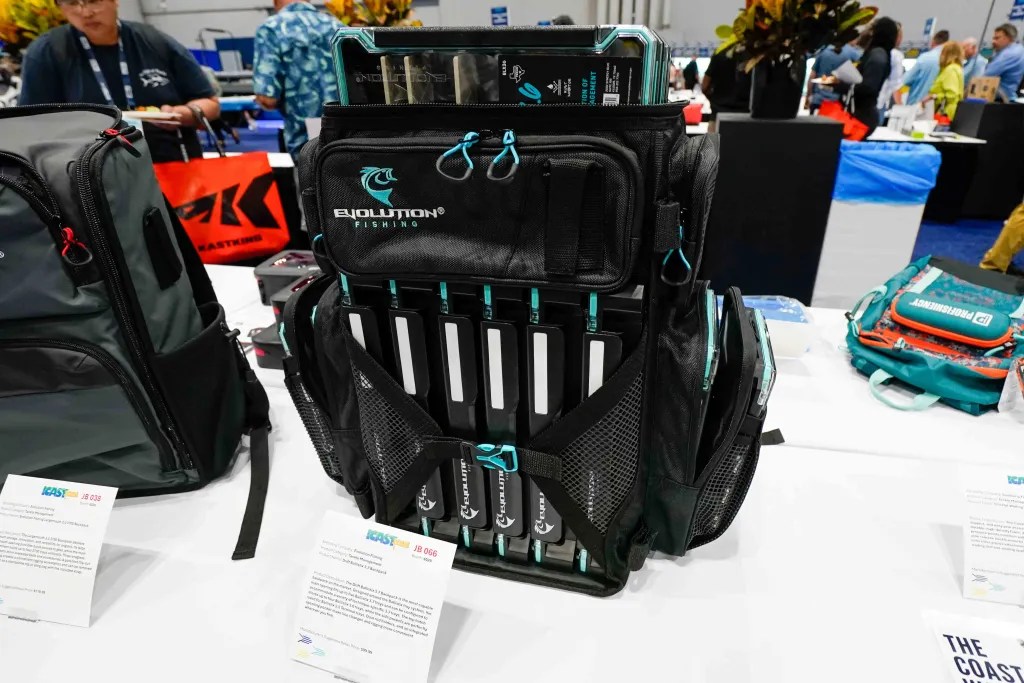
Making great equipment available to more people will grow the sport far more than simply releasing another variation of a bait we’ve already been fishing for the last decade.
One final thing stood out to me this year, and it had nothing to do with products.
The relationships.
I saw female anglers collaborating on social media, filming content together, supporting one another’s brands and simply enjoying each other’s company after the show. It felt less competitive and more like a community that genuinely wants everyone to succeed.
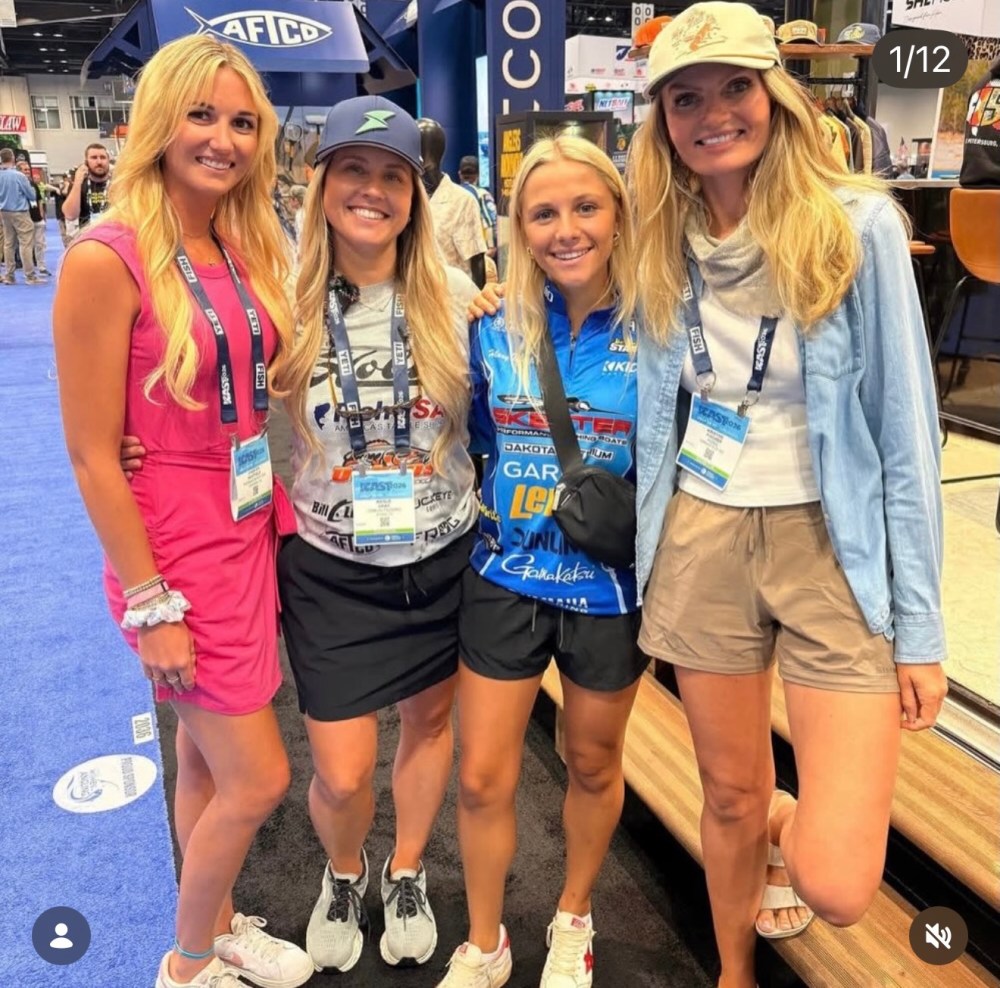
That may ultimately be the biggest takeaway I brought home from ICAST.
Yes, there were exciting products. Yes, there were innovative companies. But more importantly, it felt like there were more women than ever helping shape where this industry goes next.
And if this year’s show is any indication, I think we’re only at the beginning.