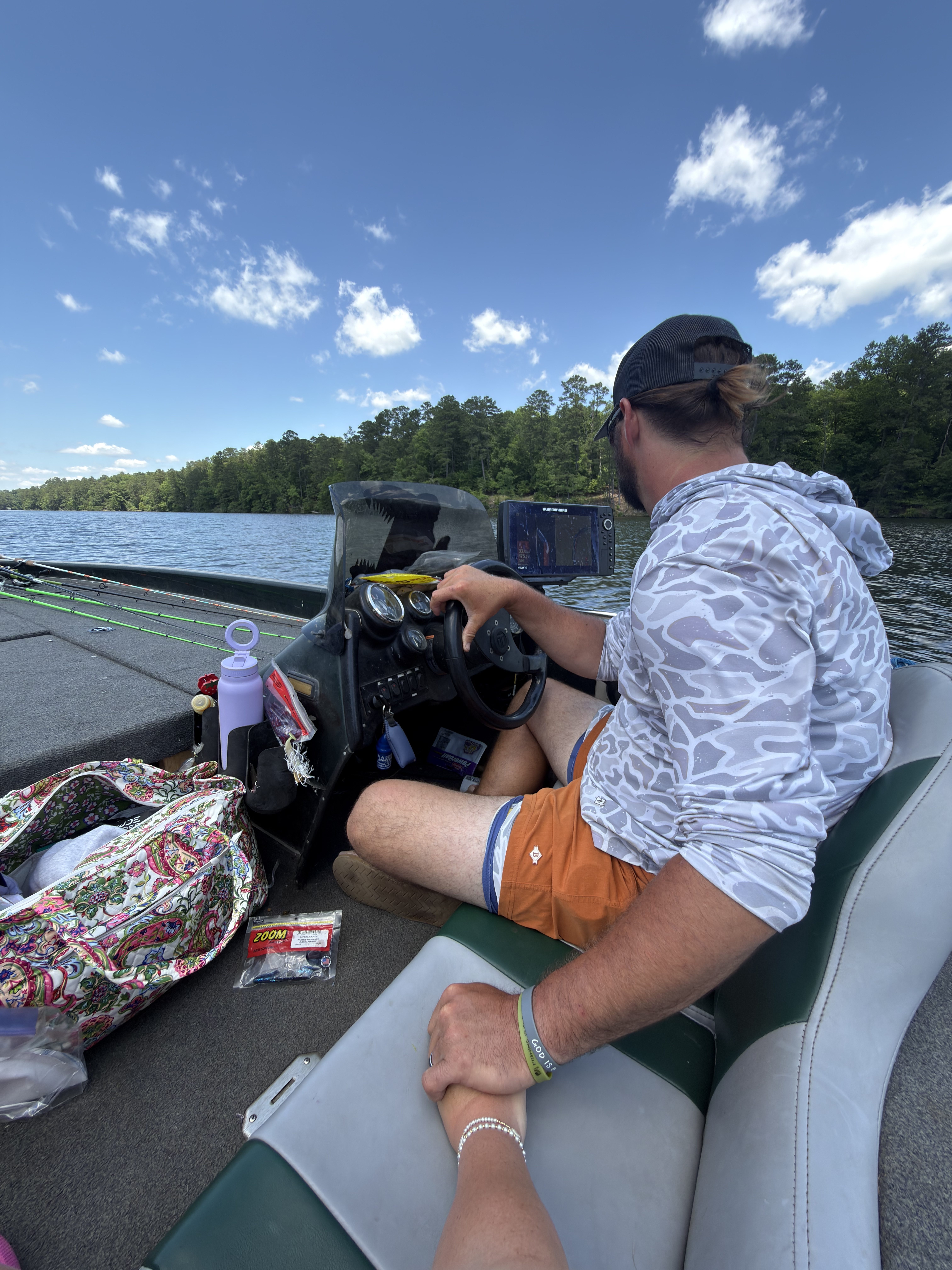

The quiet corners of a lake are often overlooked because they lack visible cover or obvious structure. A shallow pocket with a featureless bank or a small indentation between two points may not catch your attention on a map, but these subtle areas can become gathering places for baitfish and feeding bass under the right conditions.
One reason is pressure. Popular lakes receive countless casts every week, and bass quickly learn where they are most likely to encounter anglers. Areas that require a slightly longer run, a few extra minutes on the trolling motor or simply don’t look “fishy” often receive far less attention. That reduced pressure can make fish more willing to feed naturally throughout the day.
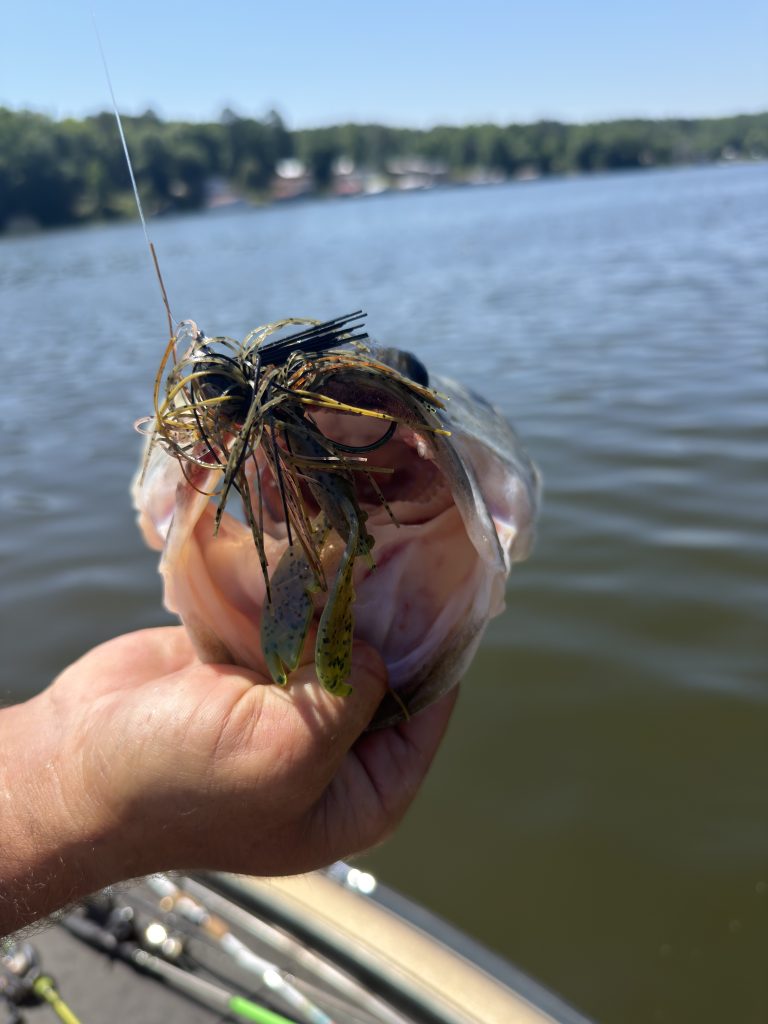
Wind also plays an important role. Even a gentle breeze can push plankton, which attracts baitfish and eventually predators. A shoreline that appeared lifeless in the morning can suddenly come alive during the afternoon if the wind shifts. Paying attention to these subtle environmental changes often reveals opportunities other anglers miss.
Electronics have made finding offshore structure easier than ever, but they can also encourage anglers to overlook what is happening around them. Watch for birds feeding near the surface, nervous schools of bait, insects gathering along shaded banks or even isolated bluegill beds. Nature often provides clues that no screen can replicate.
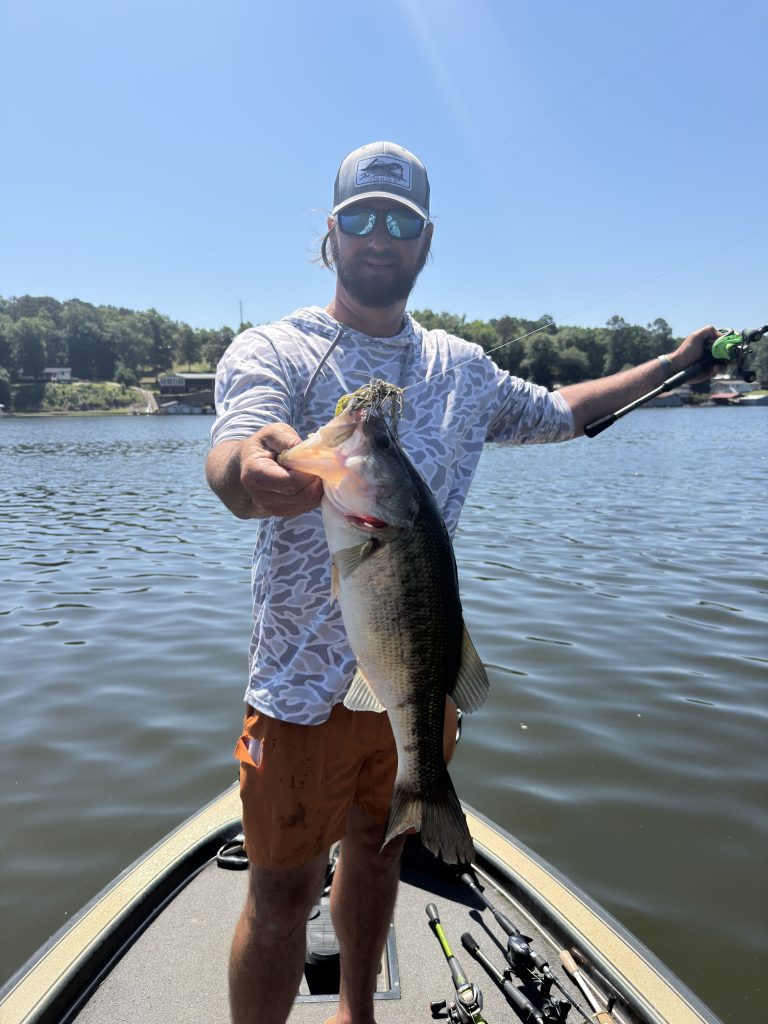
Seasonal transitions make these overlooked areas even more valuable. During late spring and early summer, bass recovering from the spawn frequently stop in secondary locations before moving to their summer homes. In the fall, schools of baitfish roam widely, pulling bass into places that seem random unless you’re paying attention to forage activity rather than traditional structure.
Patience is another advantage. Instead of making a handful of casts and moving on, slow down. Change lure angles, experiment with retrieve speeds and let the conditions tell you what the fish want. Sometimes one quality bite is all it takes to reveal that an otherwise ordinary stretch of bank is holding multiple fish.
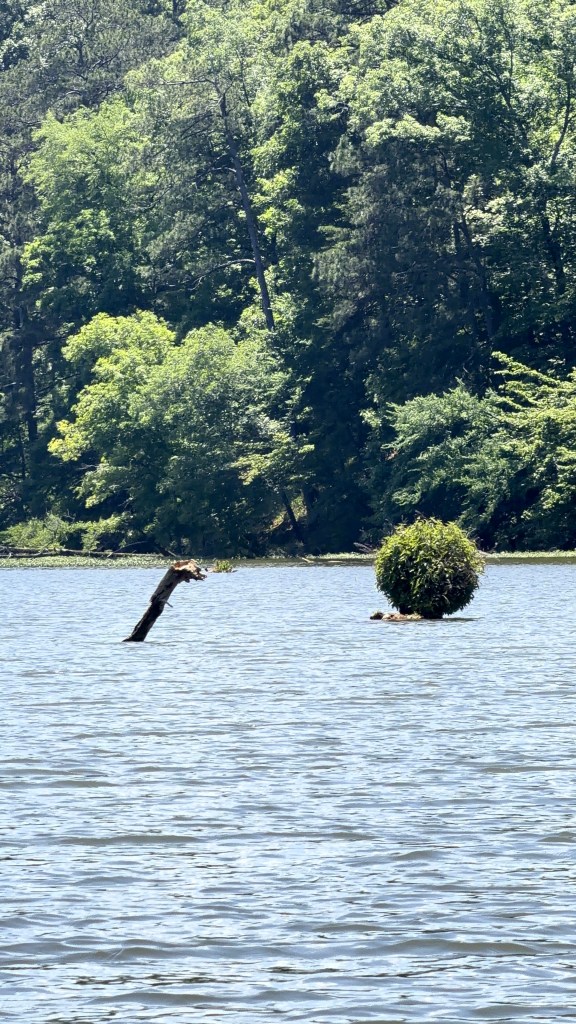
Perhaps the greatest lesson these forgotten places teach is that successful fishing isn’t always about finding the most obvious spot. It’s about recognizing small details that separate productive water from unproductive water. A slight temperature change, a patch of cleaner water or a subtle bottom transition can all make a difference.
The next time you launch your boat, challenge yourself to spend part of the day exploring somewhere that doesn’t appear on the highlight reel of your favorite lake. You may not find the most popular fishing spot, but you just might discover one that everyone else has been running past for years.
Go outside and find it!