Florida has long enjoyed the title, “Fishing Capital of the World,” and in terms of year-round action, species diversity, world record catches and economic impact, that’s a well-founded reputation. On the saltwater side, such abundant opportunity can be overwhelming, but while there’s something for every interest, one scenario offers dependable, beginner-friendly opportunity — inlets.
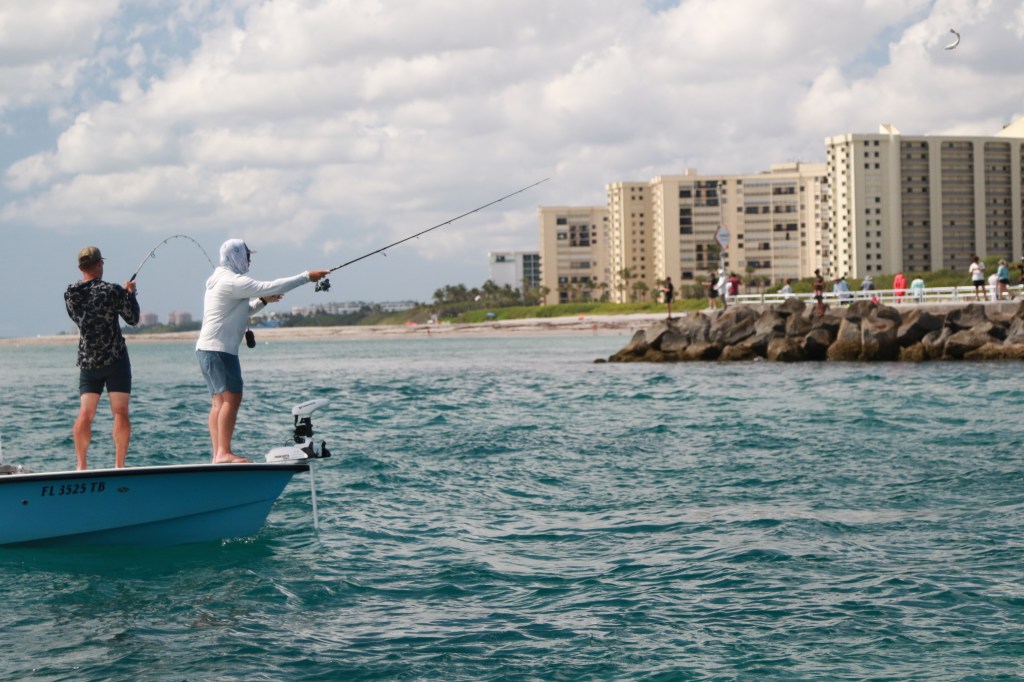
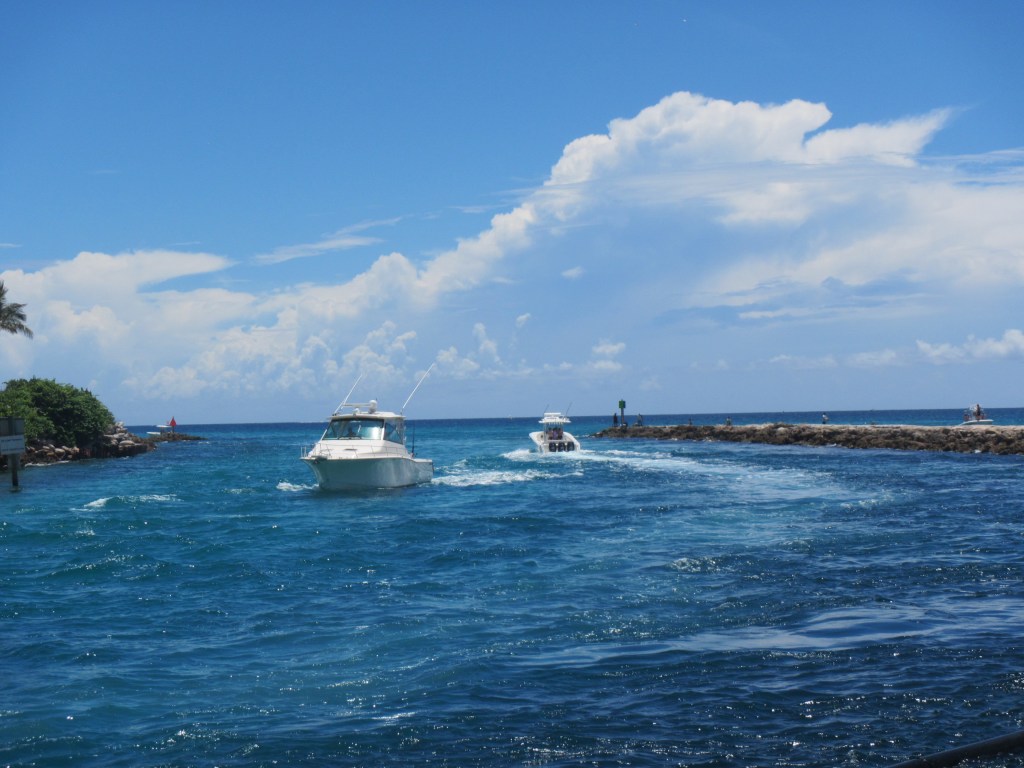
Also known as “passes,” inlets link the Ocean or Gulf to inland waters to facilitate navigation, but they’re also incredibly important for your sport-fishing pursuits. The biggest reason is that there’s always something biting in and around an inlet.
Bass anglers often say, “If you don’t know where to start, start on a point.” Inlets offer similar dependability, so if you’re new to an area, start here and expand as your experience grows.
Why It’s Good
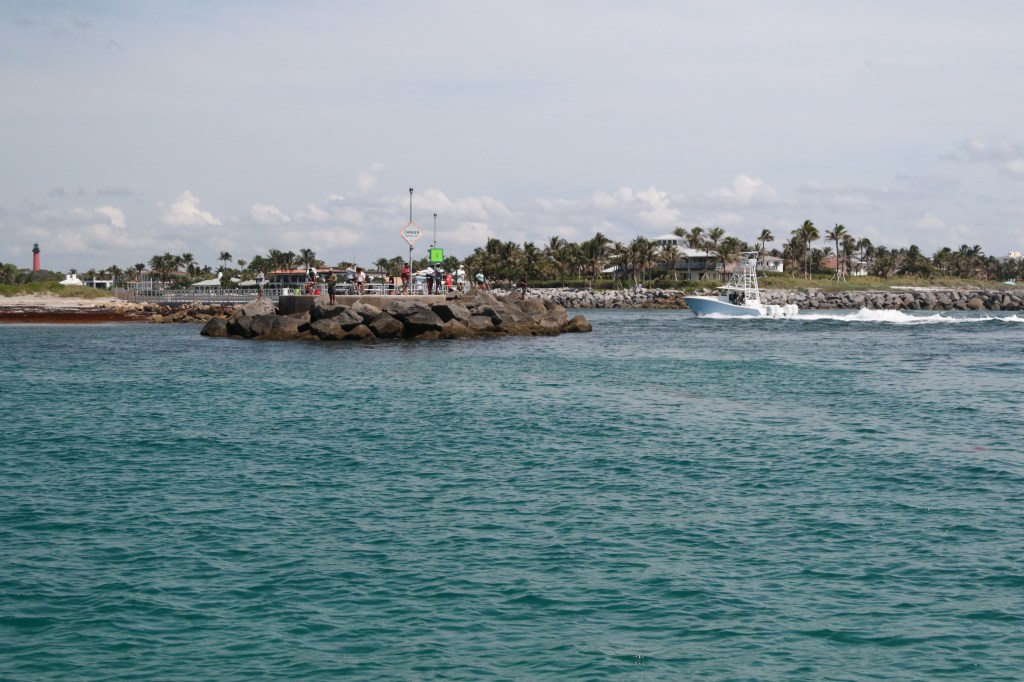
Most inlets comprise natural openings between land masses like the Gulf’s world-famous Boca Grande Pass flanked by Cayo Costa to the south and Gasparilla Island to the north, or the Atlantic’s acclaimed Sebastian inlet. Others, like Sikes Cut toward the western end of Appalachicola Bay’s St. George Island, or the opening to the Cross Florida Barge Canal in Yankeetown are manmade entrances. All offer a handful of dependable attraction points.
Habitat Features: Dredged channels create depth-change dynamics that fish use for water temperature preferences and feeding strategies. Also, the stacked rock jetties that prevent erosion host loads of crustaceans and finfish forage. Points and rock tumbles create specific current break/ambush feeding spots, while larger gaps and crevices allow snapper, grouper and others to hide amid the rocky fortress.
Water Flow: Tides make this a very dynamic scenario, as massive volumes of water move into and out of the interior areas. This daily flushing creates strong periods of opportunity by influencing current speed, water temperature/clarity, and forage abundance.
A few inlet rules: First, fish tend to feed best on moving tides, but snook and other free swimming species will move farther into the inlet on the incoming cycle and then fall closer to the mouth on outgoing tides. Often, this is food-related, as game fish follow schools of baitfish, as well as shrimp and crabs that ride the tides.
Also, look for fish to move closer to the jetty rocks as the water rises and then slip into the deeper areas as it falls. And if you’re fishing for species that live in and around the rocks — grunts, filefish, wrasses, snappers, etc. — you’ll do best during the end of a tide cycle when the water’s moving slower. Try to fish the rocks during the strength of a smoking tide and you’ll spend most of your time trying to free tangled bottom rigs.
How to Capitalize
Inlets offer a wide range of opportunities to score big for those that understand the game. (Note: These principles generally apply to any state’s coastal inlets.)
Where to Fish: Boaters watching their electronics do best by targeting changes in bottom contour and structure. Maybe it’s a distinct ledge, a rock pile, high spot or a plunging hole that attracts fish. The jetty rocks and all their varying shapes, sizes and angles offer endless targets, while turns and “dog legs” accelerate the current and create feeding/staging zones.
Bridges like the Sunshine Skyway crossing the Egmont Channel at the mouth of Tampa Bay serve as emergent reefs with lots of cover, current breaks and forage accumulation. By boat or kayak, probing various sections will deliver an array of inlet action, while bridges with pedestrian walkways/fishing platforms expand the fun to land bound anglers.
Anglers fishing on foot have less mobility, but there’s still plenty of potential. Commercially made pier/jetty carts help transport your gear in a safe and organized manner, but DIY types craft their own from various gardening carts. (I even saw a guy on a bicycle with a makeshift tow hitch attached to a cart that allowed him to pedal his gear out to the jetty.)
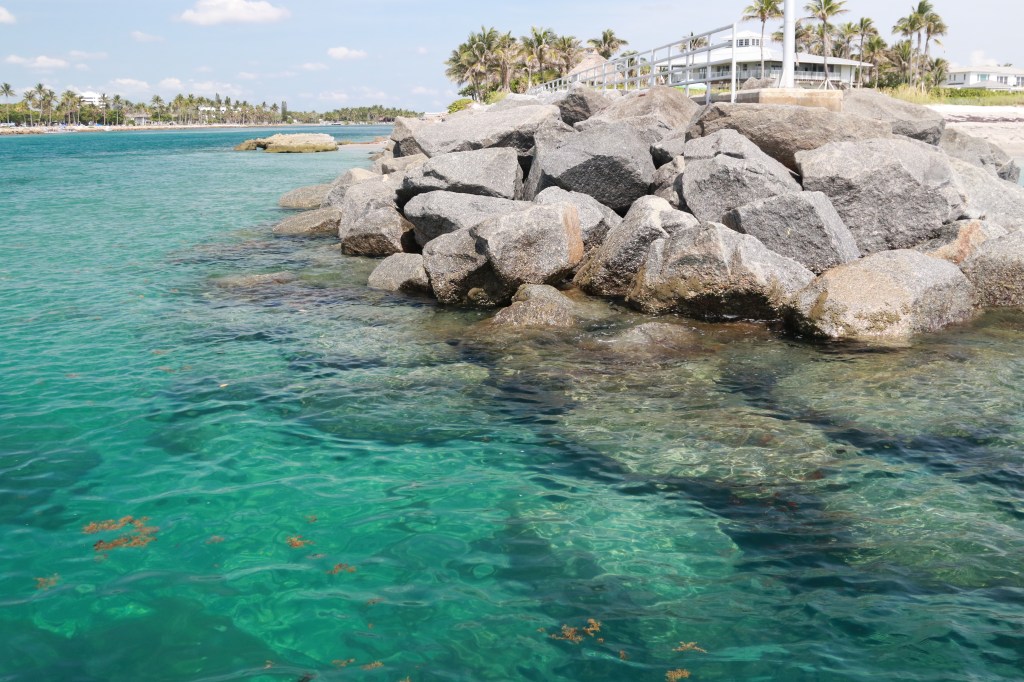
Some inlets like Sebastian, Fort Pierce, and Boca Raton have paved or securely surfaced jetties that offer stable footing. Venture onto the jetty rocks at your own risk and know that the wet rocks, especially those discolored by algae, are slippery — like “icy sidewalk” slipper.
Techniques the Work: While free lining live baitfish, shrimp, or crabs works well for snook and other species that will rise for a meal, a knocker rig is best for snapper, grouper and other bottom-oriented fish. For the latter, add a slip sinker to your leader before tying to the hook. This rig earns its name as the weight “knocks” against the hook.
This sliding weight setup keeps the rig compact for casting, but it allows a live bait (or cut bait) to separate from the weight on the bottom. A knocker rig keeps your bait where you want it, but when a fish bites, it does not immediately feel tension, so it’s more likely to commit. Also, this rig’s compact form lessens the likelihood of bottom snags.
For targeting smaller rock inhabitants, use a double dropper rig comprising two hooks spaced about 4-6 inches apart with a weight 6-8 inches below. This allows you to fish cut bait near the bottom, without sending your entire rig into the snaggy habitat.
A favorite for land-bound inlet anglers, the double dropper allow for hook size and style changes, as there’s no direct knot connection. Tie a pair of dropper loops and connect each hook by pinching the loop so it’s narrow enough to slip through the hook eye, back to front. Pass the loop over the hook and snug it against the back of the eye. To change hooks, simply loosen the loop and pull it back through the hook eye.
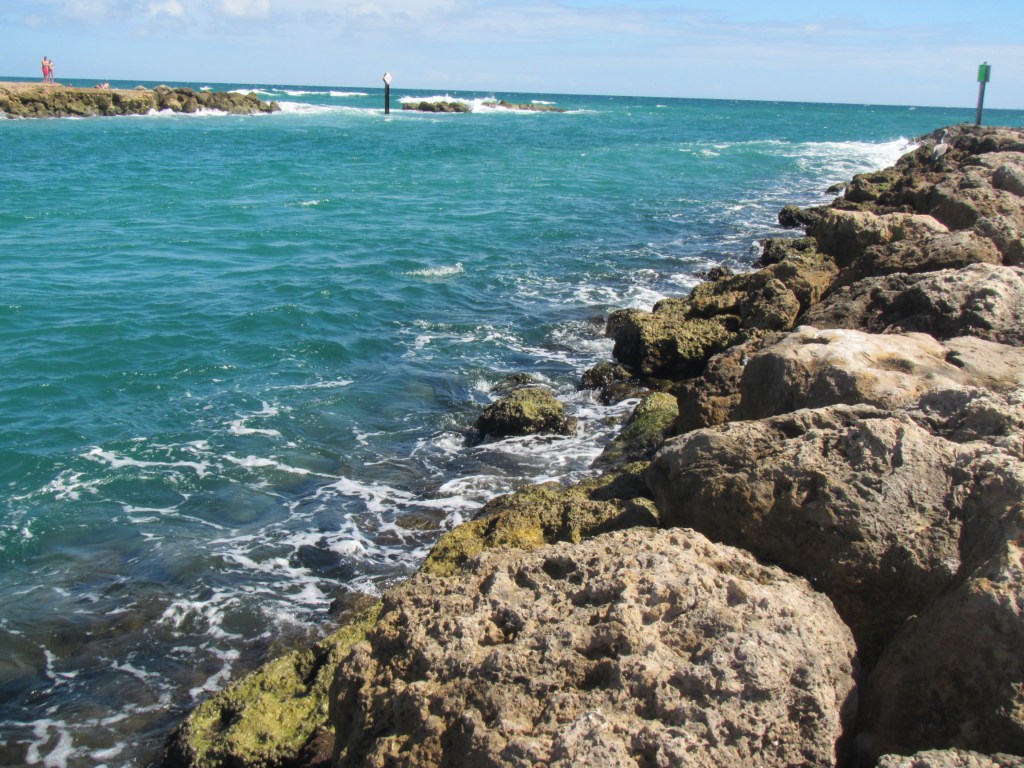
If you like throwing artificials, working topwater walkers, jerkbaits, swimbaits and artificial shrimp along the jetty rocks can produce fireworks. For a mixed bag of inlet denizens, cast bucktails, paddletail jigs, and banana shaped “pompano” jigs into the deep water, let them sink and then bump them along the bottom.
With any of your presentations, you can fish anywhere in the inlet, but actively trolling or drifting baits through the channel can get tricky during busy times. Stick to the channel’s outside edge (a good place to troll big diving plugs for grouper) and you’ll usually be okay, but if you hook a fish that runs into the middle, you’ll have to politely negotiate space with oncoming vessels.
Mobility Matters: Trying different spots within an inlet’s boundaries certainly helps, but you might also find your day’s productivity increases by including multiple inlets in your game plan. Structural designs and nuances vary, so one inlet might be collecting more drifting sargasso weed, while another remains clear.
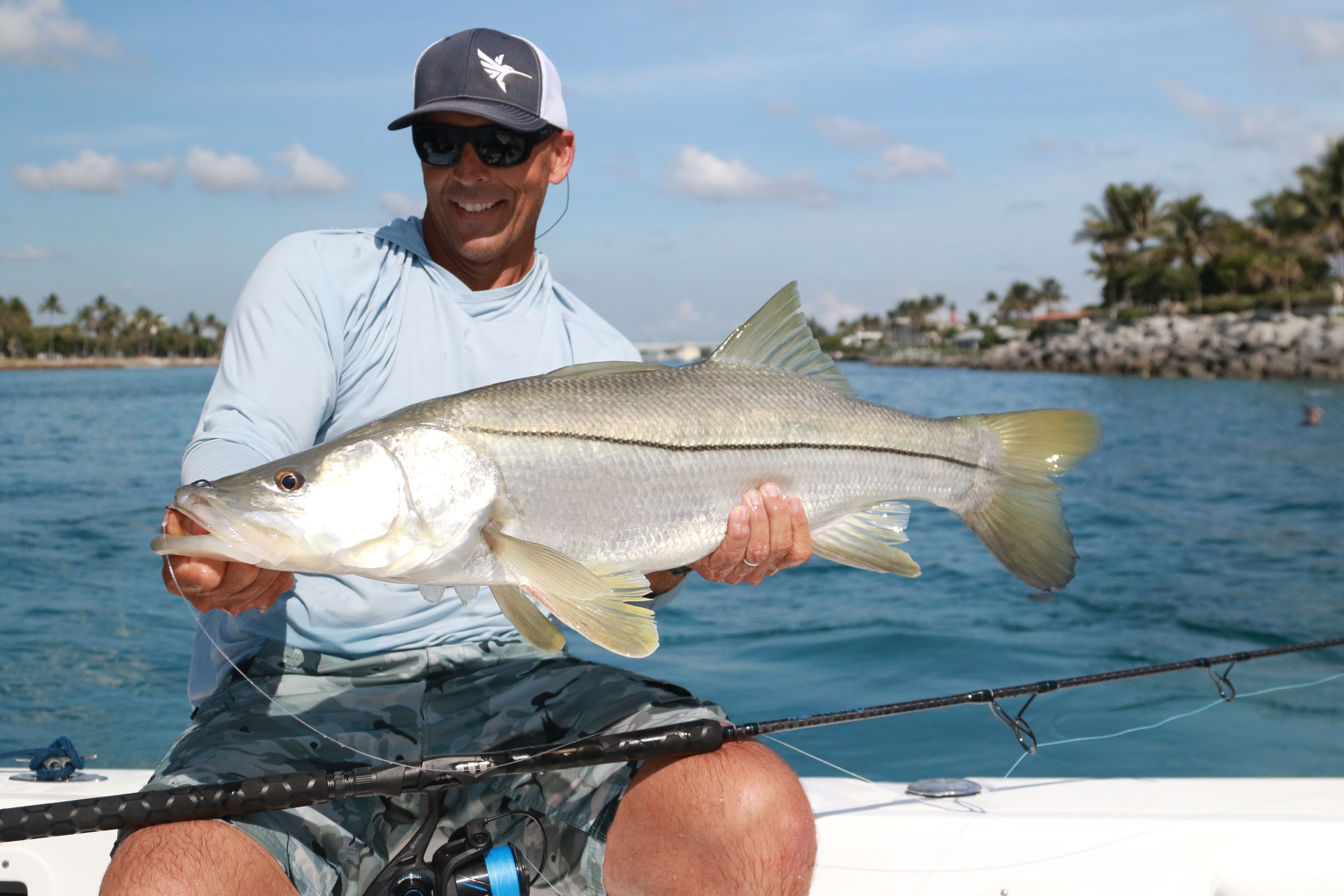
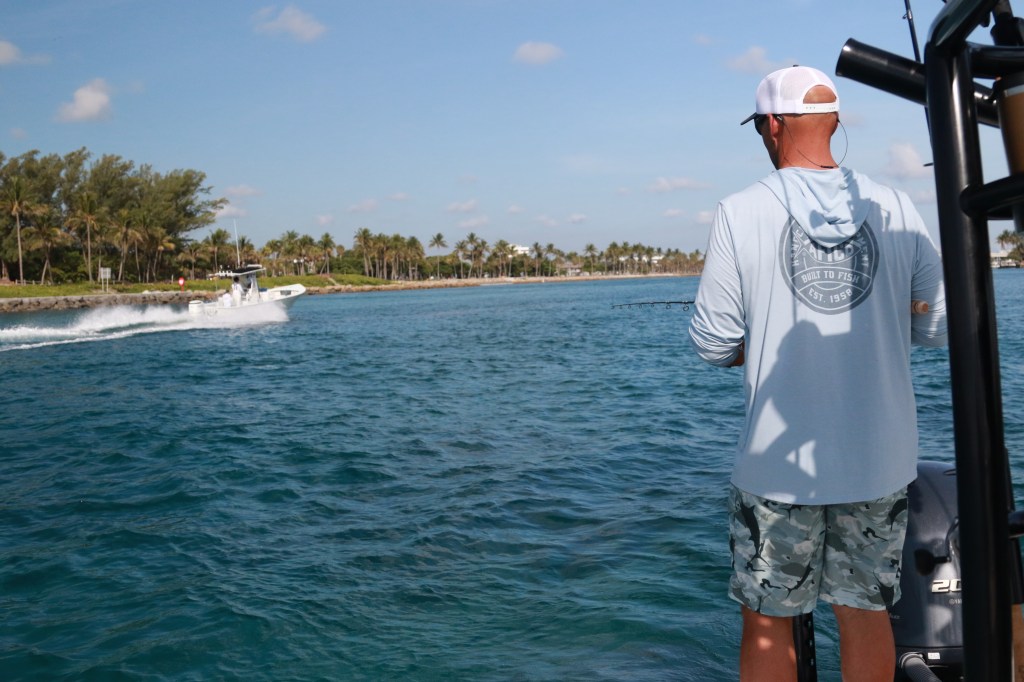
Case in point, during a recent trip to Jensen Beach Fla., my longtime friend and top-notch fishing guide, Capt. Ed Zyak picked me up at the River Palm Cottages (https://www.riverpalmcottages.com/), which overlooks the Indian River Lagoon. We started the day by traversing the Intracoastal Waterway down to Jupiter Inlet, which produced several whopper snook, and then ran the beach back north to St. Lucie inlet (closest to my lodging), where Zyak strong-armed a juvenile Goliath grouper out of the rocks.
Considerations
As inlets primarily serve navigational purposes, you have to understand that whether you’re fishing from a boat or from the riprap bank, boaters entering the inlet’s main channel are not required to slow down until they reach any posted no-wake zones, typically inside the ICW. During my trip with Zyak, I had to grab his tower boat’s center structure more than once when we took big broadside wakes from passing boats.
On the upside, wakes often displace baitfish and stimulate mini feeding windows, so stay alert for these opportunities. Conversely, pay attention to your bait placement because you may be in a secure zone, but big waves can push your rig into the rocks.
From a safety standpoint, shore-bound anglers fishing from the jetty rocks should be particularly cautious with approaching waves, which can challenge your footing. Wear close-toed shoes with non-slip soles, measure your steps, take it slowly and have a plan for where you’ll place your rods and your gear.