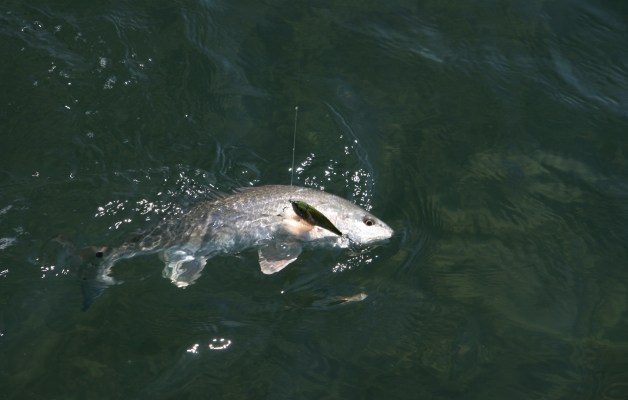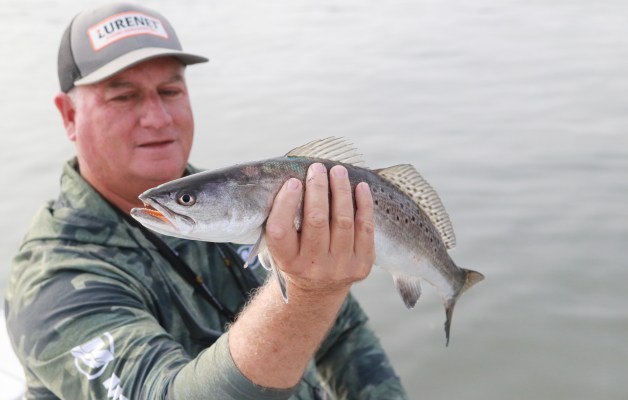

Popularity is a fickle social construct, but in terms of the prominent ranking redfish hold on the inshore species list, the fondness is well deserved. Aggressive feeders with impressive strength and endurance, reds are fun to catch.
They’re just not always easy to catch.
Challenges range from selecting the right habitat, to managing dynamic conditions, to dealing with occasional mishaps. The end definitely justifies the means, but awareness and adaptability are your best allies along the way.
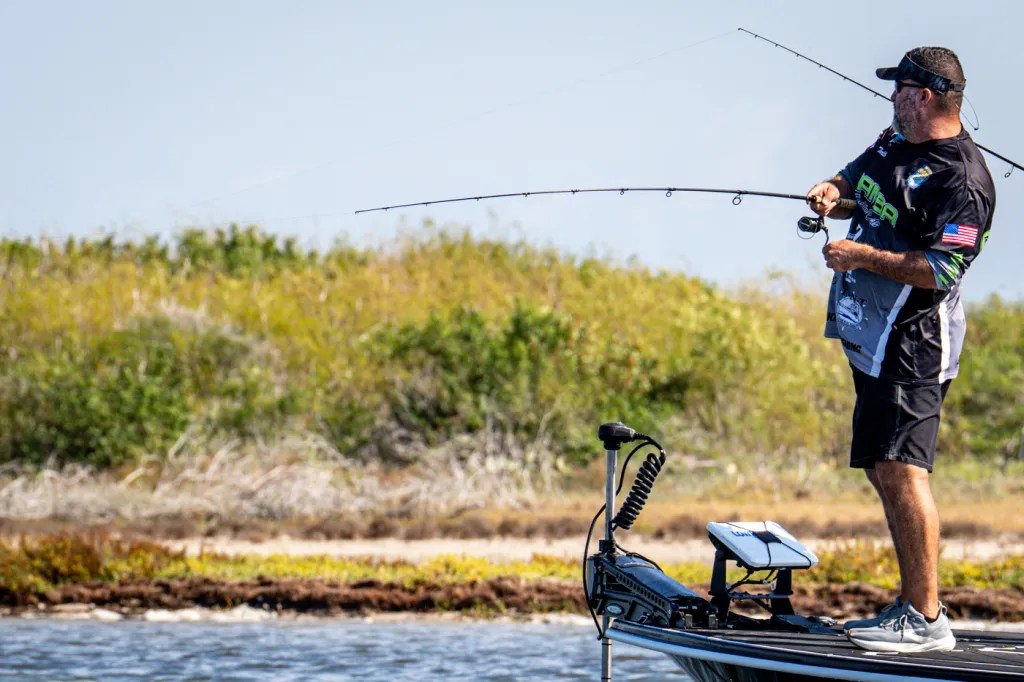
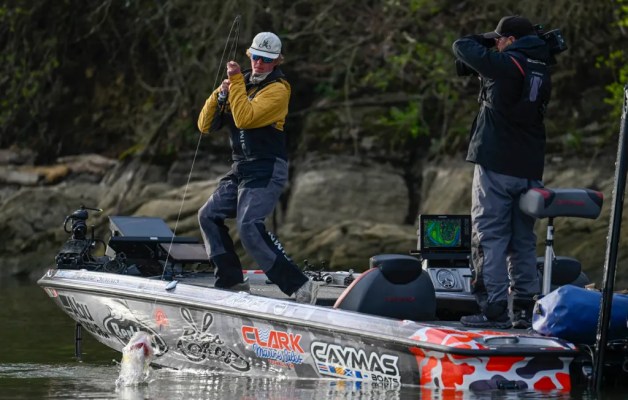
The Yamaha Bassmaster Redfish Cup Championship presented by Skeeter at Port Aransas saw 10 teams — four of which paired a Progressive Bassmaster Elite angler with a redfish tournament pro — pursue the cagey redfish throughout the vast Port Aransas fishery.
Throughout the event, several beginner-friendly points came to light. In some cases, anglers demonstrated varying decisions on where to look for their reds and how to work with daily conditions for maximum opportunity.
In other instances, we saw competitors explaining their bait selections and how they presented their lures. The tournament also showed examples of the potential pitfalls that this sport presents. Ultimately, this year’s Redfish Cup Championship offered a wealth of inshore fishing wisdom that anglers of any level an apply to their own redfish pursuits.
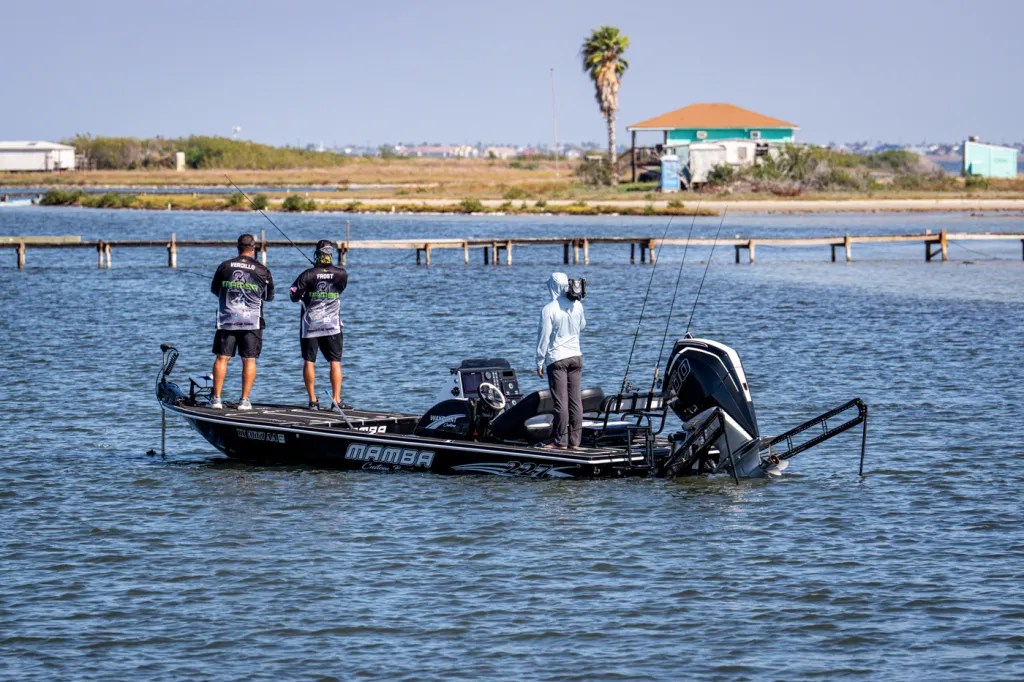
Diverse Abodes: Stretching from the Port O’Connor Jetties, south to Bird Island in the massive Laguna Madre, tournament waters offered many redfish habitat options. The live coverage showed anglers fishing oyster bars, marsh edges, backwaters with muddy bottoms, jetties, and broad grass flats.
Redfish are highly adaptive predators that are equally adept at chasing down baitfish as they are rooting out crabs, shrimp and sand worms from the various types of inshore and coastal bottom compositions. Tournament competitors showed caught quality redfish in practically every type of habitat this fishery offered, so anglers new to the sport should take this as an encouragement to simply pick a promising area and thoroughly search for reds.
Ryan Rickard, who won the inaugural Redfish Cup Championship (2021) alongside Bassmaster Elite Chris Zaldain, pointed to a common redfish habitat feature abundant in the Port-A fishery and essential to most flats-centered fisheries — potholes.
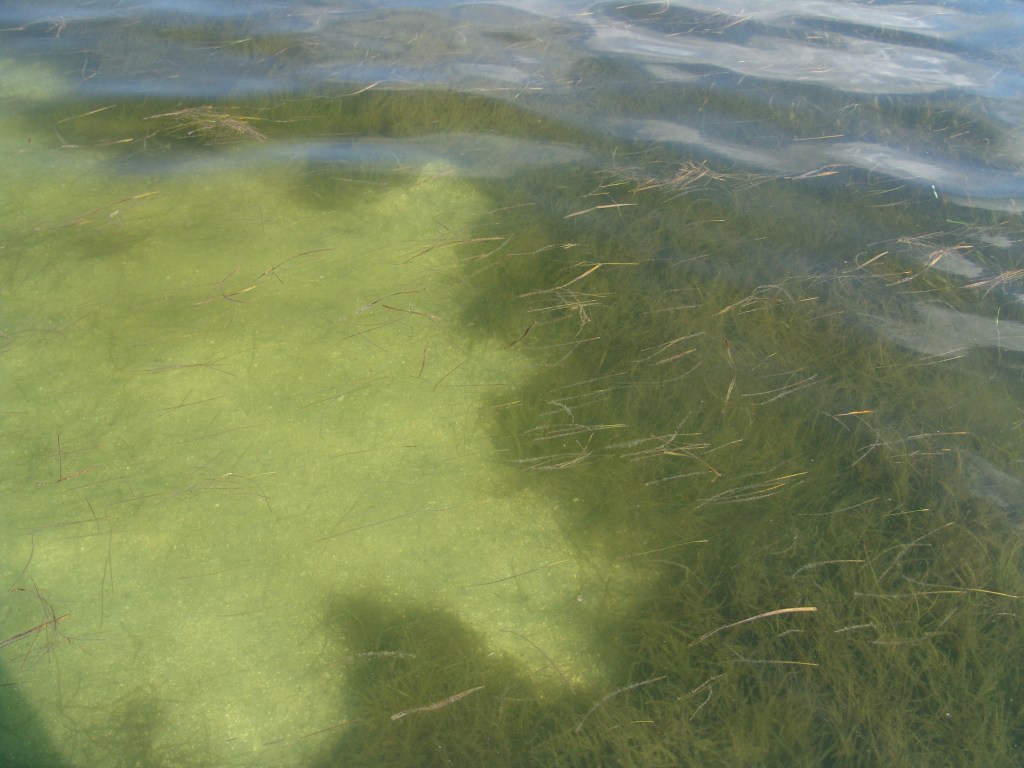
Partnering with Patrick Marsonek for a third-place finish at this year’s event, Rickard described the sandy indentions amid grass flats as strategic feeding spots where reds can lay low and gobble tide-borne baitfish and shrimp. Potholes with shell bottoms add localized food sources, as crustaceans often hold in such places.
A looser form of pothole habitat known as “broken bottom” describes more of a random patchwork of sand and grass. Here, reds tend to graze their way across the fertile habitat, but they will occasionally park in deeper spots, especially during slack tide periods.
Productive redfish days typically comprise multiple habitat features. Success comes through knowing when to go where and that comes down to time on the water, during which you develop an understanding of how each habitat excels at different water and sunlight levels.
For example, the event’s first two days saw first-place finishers Darren Frost and Tony Vercillo starting north of the Port Aransas takeoff site and transitioning to the upper Laguna Madre around 11 a.m. As Frost explained, they found that their southern areas turned on late morning, likely a function of sun warming the shallow flats and stimulating the fish.
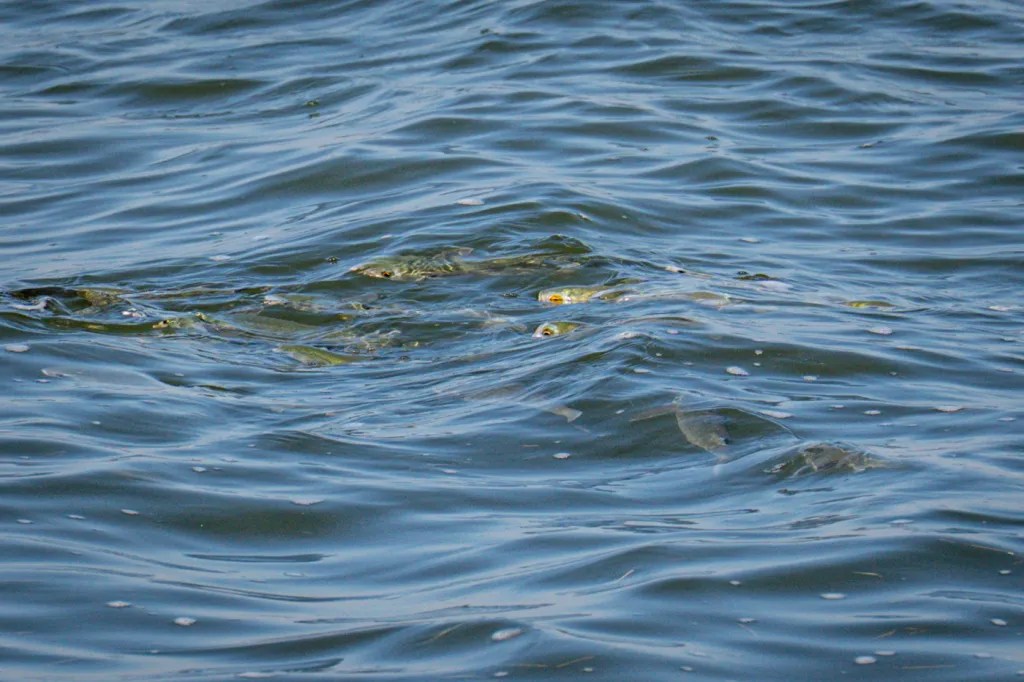
Food Matters: Rickard, the only competitor to fish all five Redfish Cup Championships consistently uses the term “bait flow.” Referring to the movement of local forage — mullet, sardines, pinfish, crabs, shrimp — through an area defines its value. Redfish are professional eaters and areas with little to no bait flow will not attract these fish.
In addition to spotting the actual forage, look for signs such as the oily slicks that form when bait schools are near the surface — especially when predators are feeding. Also, diving pelicans will lead you to bait-laden areas likely to draw in redfish.

Water Facts: In simplest terms, incoming tides provide greater access to shallow areas like oyster bars, marsh edges, island points and the crown of a grass flat. When the water falls, fish and fisherman must retreat to deeper areas to avoid strandings.
Unfortunately, a miscalculation left Bassmaster Elite Carl Jocumsen and his partner Robbie Hunziker stuck in a shallow area long enough to miss the official Day-1 check-in time by several minutes and suffer a costly penalty.
Ill fate struck again on Day 3 and demonstrated a critical weather consideration. The major cold front sweeping through the area brought strong north-northeast winds that pushed more water than normal off the shallower areas.
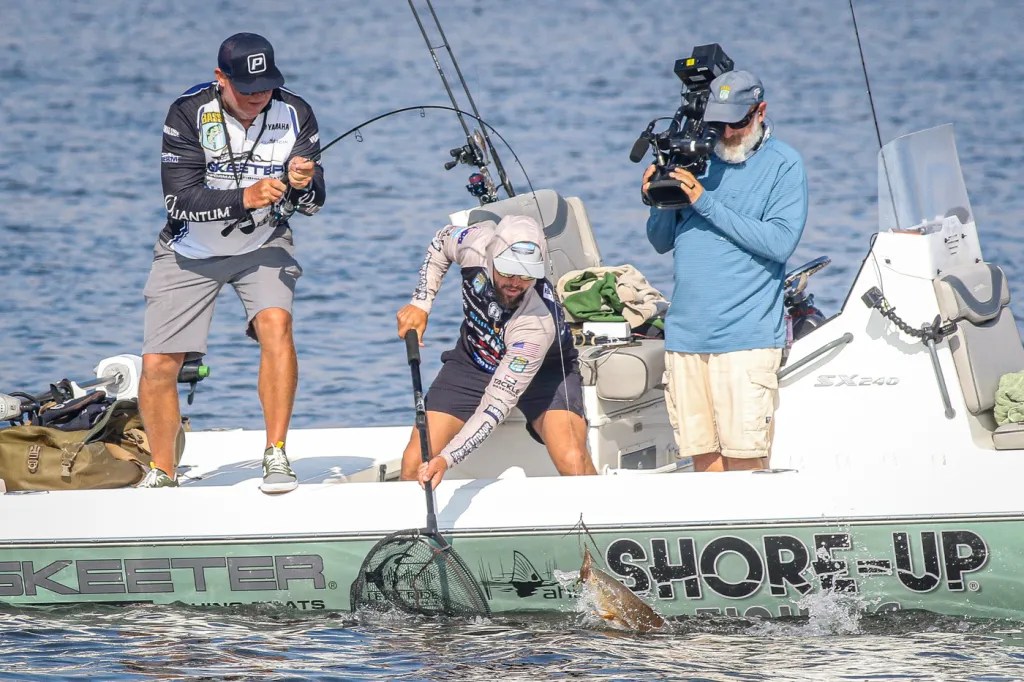
Again, Jocumsen and Hunzicker found themselves stuck on an unforgiving high spot.
Shallow water redfishing often comes down to a risk-reward scenario. Soemtimes, you get burned; but sometimes, the willingness to risk a little more leads you to the goldmine of copper-scaled beauties.