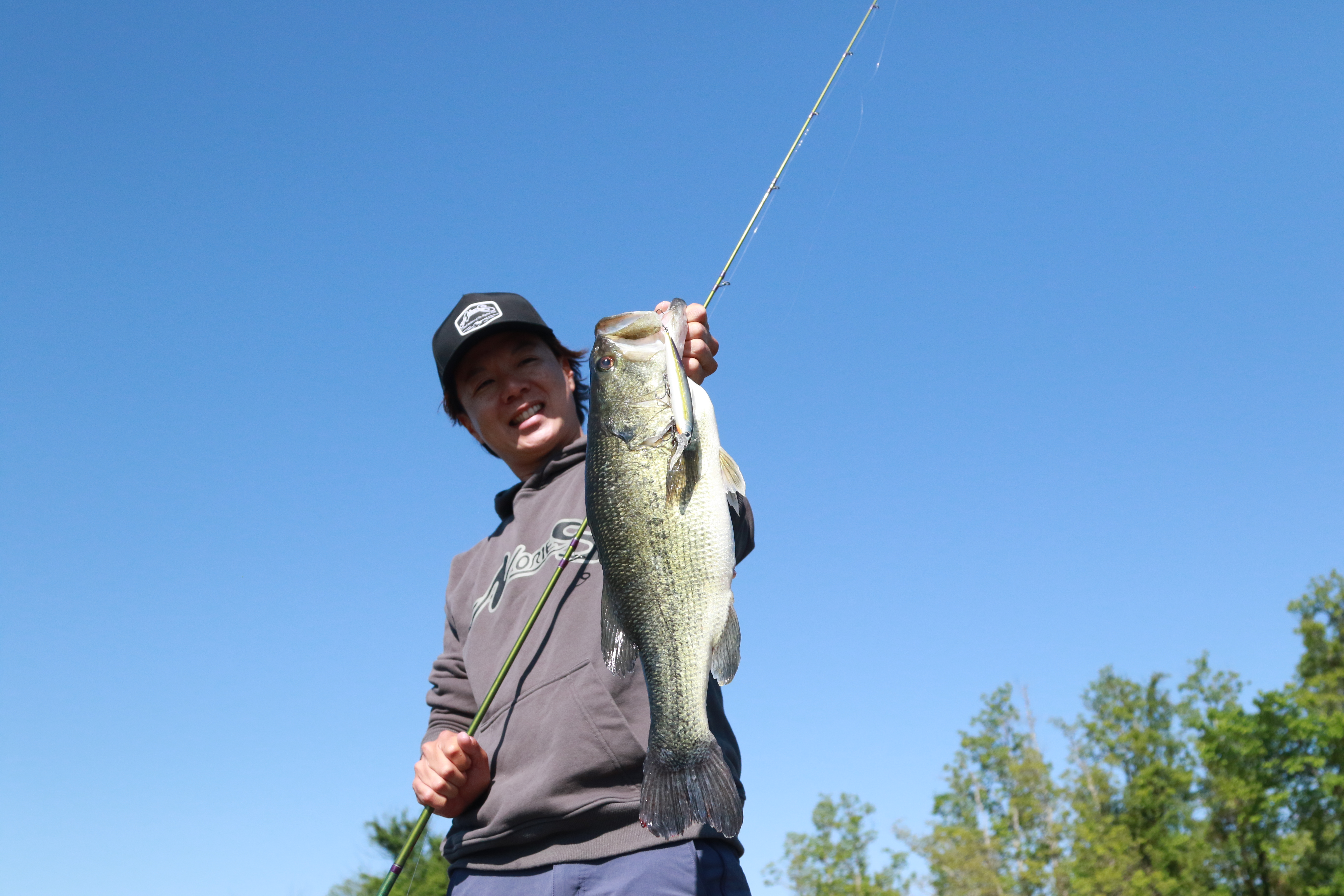
Make enough casts and probability will eventually reward your diligence. On the other hand, there’s no denying the occasional lucky-cast success. Both roads may deliver big results, but wouldn’t you rather target bass by casting with purpose?
Modern electronics will show incredibly detailed images of gamefish, baitfish and their interaction with habitat features, but don’t discount the value of observing nature’s cues and interpreting what you see.
Even pro anglers with top-end electronics still factor various surface-level variables into their game plans, but if you’re new to the sport, and/or fishing on a budget, you can dial in your most promising casts simply by observing the playing field.
Examples are many, but this roundup includes several of the common cues the water and its residents will offer. You have to make a good cast, present your bait effectively and successfully respond to your bites, but getting yourself in the right neighborhood is Step 1.
Find the Food
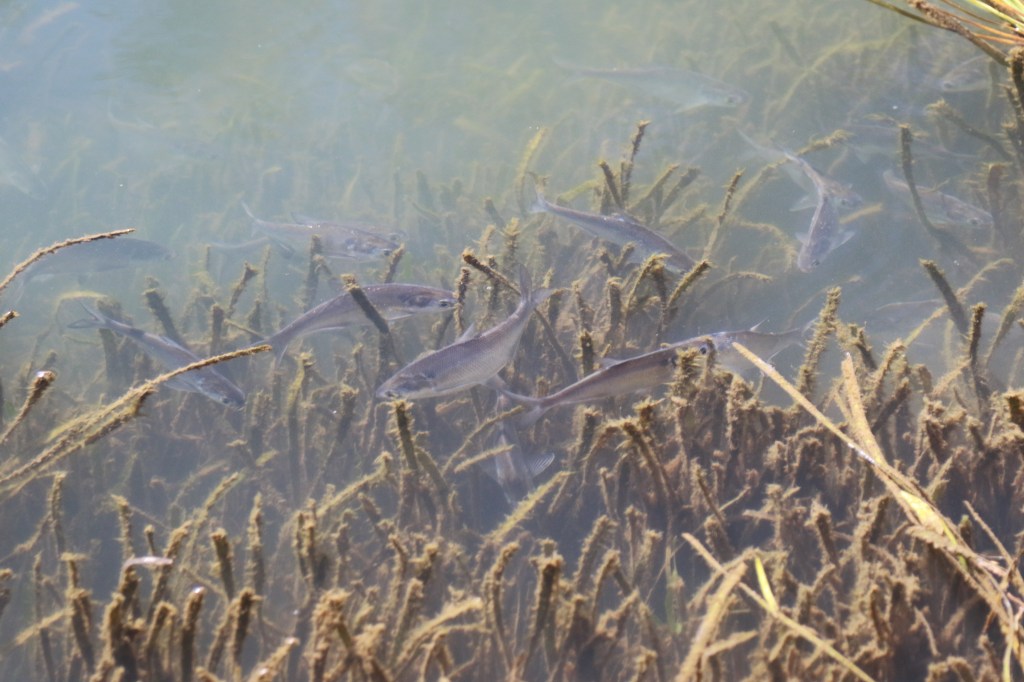
With the exception of spawning seasons, nothing motivates a game fish more than its appetite. Even in summer and winter’s extreme temperatures, fish still gotta eat, so learning to spot the signs that point you to the buffet is key.
Baitfish schools moving along vegetation edges, riprap banks or docks won’t go unnoticed by hungry bass. Same with bluegill, so take note of where the meals are swimming and match your baits to the forage size and color — whites, silvers, light blues for baitfish and green pumpkin, browns, purples and black/blue for bream.
Other food points:
Mayflies: Despite the name, these short-lived insects often hatch later in the year, especially in the northern U.S. In a nutshell, adult mayflies undergo a two-stage cycle, which takes them from their underwater nymph stage to a fully formed winged adult that mates and dies within a day or two. Stage 1 leaves new adults floating at the surface, until they’re able to fly to nearby trees or buildings where they’ll molt into their final stage.
Smallmouth bass love their mayflies, so spotting newly emerging insects floating at the surface, or the ones that have mated and fallen back onto the water indicates a concentrated opportunity. Largemouth also eat mayflies, but they’re more interested in the bream that rush to feed on this sudden buffet.
Poppers, jighead minnows, jerkbaits and small swimbaits are the right choices for Mayfly action.
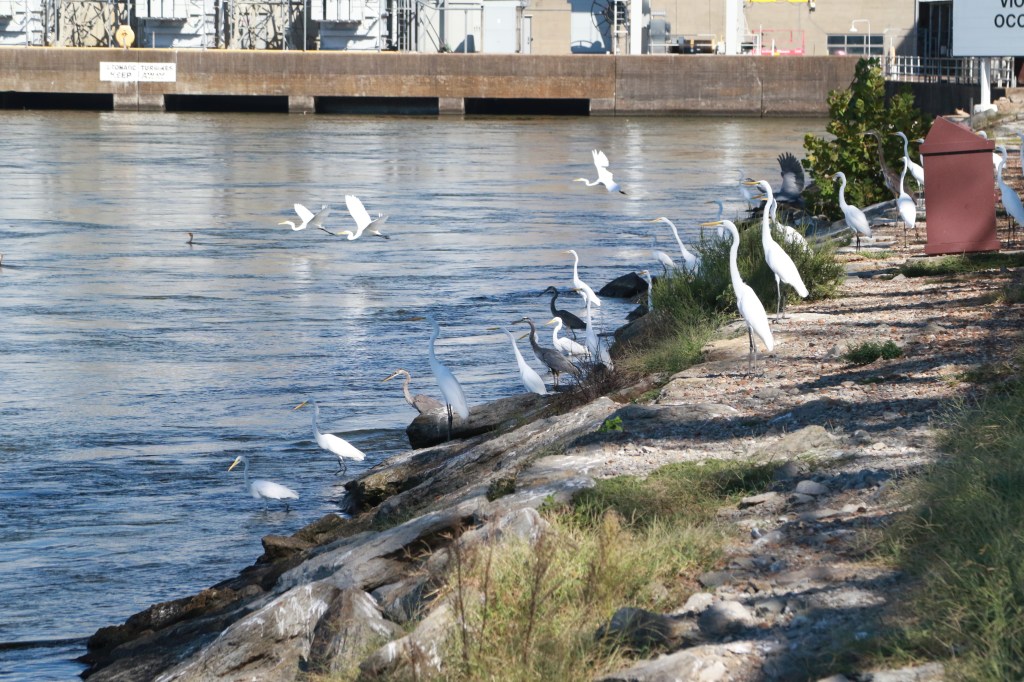
Bird Basics: Blue herons and great egrets (the tall white birds) are pros at snatching threadfin shad and other bass snacks that wander too close. There’s no guarantee that your personal best will be swimming near these birds, but they don’t waste time on barren banks, so take their presence as a promising sign.
Cormorants, grebes, and loons dive for baitfish, so spotting a cluster of these birds generally indicates a food supply below. Loons often float at the surface and stick their heads in the water to reach for baitfish, so watch them closely, as they rarely miss.
On a related note, coots — those squatty black water birds with the white faces — feed mostly on submersed aquatic vegetation. These various grasses harbor baitfish and offer bass cozy concealment. Therefore, consider a coot gathering as a sign of bass-friendly habitat below.
Rise and Fall
On tidal fisheries from the California Delta, to Florida’s St. Johns River, to Chesapeake Bay, ebb and flow controls access for fish and fishermen. Moving water also stimulates feeding by predictably positioning forage.
Daily tide charts available on various apps and fish finders tell you what to expect, but if you find yourself lacking such reference, look for water lines on docks, seawalls and emergent vegetation. Mud stains left by high water offers a clear visual measurement, while leaves and other surface debris shows you if the water’s moving into or out of creeks, canals, and marsh drains.
Similarly, debris lines strewn across angled banks or riprap show you how high the water has been. Unlike daily tide cycles, long-term water fluctuations can last weeks, if not months, but they still impact bass behavior.
Generally, when water significantly rises, bass tend to push deeper into flooded areas to explore new feeding opportunities. Baitfish and bream want to exploit the vulnerable terrestrial insects and larger predators will follow.
On the opposite extreme, major water level reductions pull the fish out to the next available cover. Standing timber, contour breaks, deeper docks — anything that offers cover and feeding opportunities.
Go With the Flow
Largemouth, including the state-specific Florida bass, are the consummate opportunists, so they’ll leverage anything that helps them feed with minimal effort. That means current breaks. Bridge pilings, dock legs, laydowns, big rocks, sand or gravel bars and islands — anything that deflects current and creates a seam allows savvy predators to sit in the calm water and dash out to grab meals carried by the swifter water.
(Notably: Bassmaster Elite veteran Chris Zaldain earned a top-10 finish at the Pasquotank River by fishing around bridge pilings. Offering a strategic tip, Zaldain said he stayed with the feeding angles by switching sides of the bridge when the tide changed.)
Boats and paddle craft facilitate positioning, but bank fishermen often find current breaks within casting distance. Rivers and creeks present constant opportunities, but even on typically still lakes and ponds, wind generated current may move enough water to trigger feeding around shoreline points, bridge pilings or fallen trees.
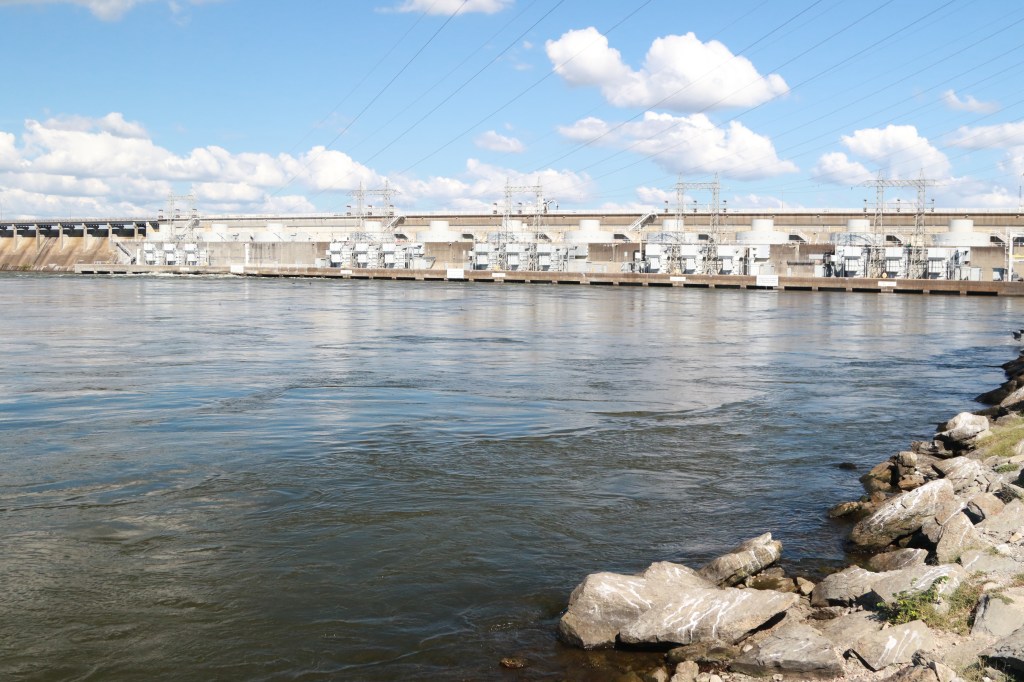
Elsewhere, a dam tailrace offers a stellar opportunity that’s often accessible by boat and shore. The rocks and bars common to a dam’s downstream side will create obvious current deflection points that send plumes of redirected water boiling to the surface. Boaters and bank fishermen are keen to target these obvious feeding areas.
Here again, your diving birds and the bank waders will point out the baitfish concentrations which bring bass into closer reach.
Signs of Feeding
Nothing gets the bass angler’s heart pumping like a big “blow up.” Even if you don’t get a shot at that particular fish, knowing you’re around good ones and the conditions are right for feeding brings pure adrenaline.
When you’re fishing grass or lily pads, watch for surges, boils and the telltale sign of parting vegetation. My late Uncle Sammy, the first to take me bass fishing, taught me to “read the weeds” by spotting bass movement.
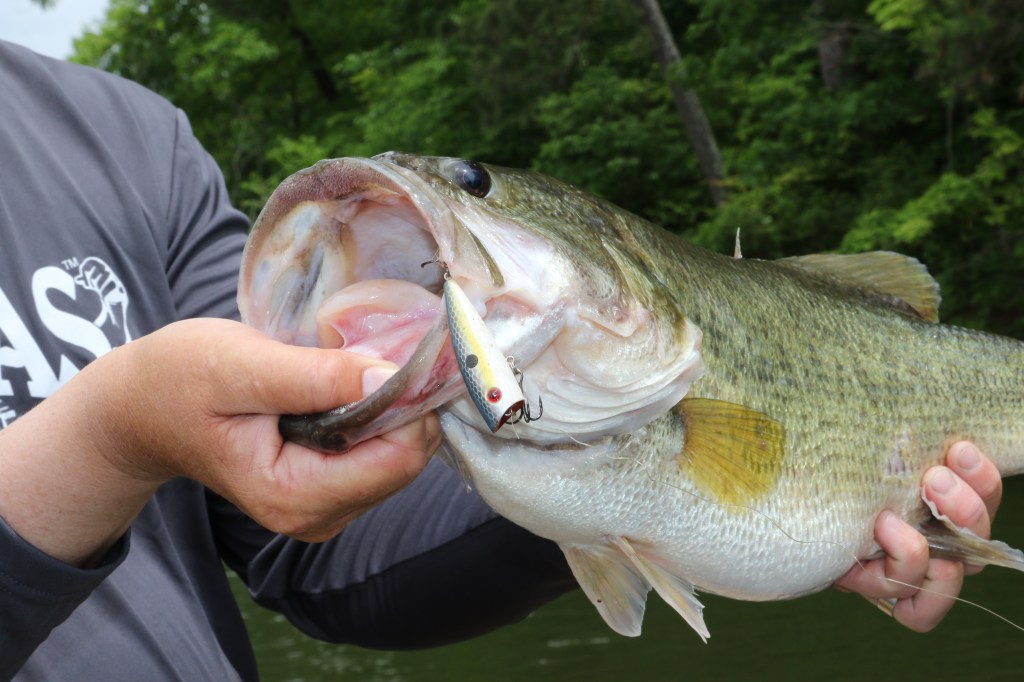
In the open water, bass often round up a pod of baitfish, push them to the surface and then gobble as many of the vulnerable prey as possible. Known as “schooling,” these aggressive frenzies make bass highly susceptible to a well-placed lure.
Topwaters — walkers, poppers, and tail spinning “plopper” style baits — often tempt the most aggressive fish, but you’ll also want to keep a soft plastic jerkbait (Zoom Fluke, Strike King Caffeine Shad, Z-Man Scented Jerk ShadZ, Yamamoto D-Shad) handy. For max action, nose hook that subsurface bait on a finesse hook, but if you’re around grass or any snag-prone cover, Texas rig the bait on a wide gap hook.
Pro tip: The biggest, smartest bass often forego the actual schooling mayhem and, instead, hang lower and pick off the wounded baitfish that fall through the water column. Have fun with the visual stuff, but venture a cast with a shaky head, a Texas-rigged worm or a dropshot and you may be pleasantly surprised what’s lurking below the commotion.