Tell someone you’re gonna keep them in suspense and they’ll quickly loose interest in what sounds like a coy little game. But tell someone you’re gonna keep their bait in suspense and now you’re talking a highly-engaging, beginner-friendly fishing strategy.
No doubt, when it comes to easily-learned and widely-applicable techniques, float rigs are hard to beat. Here’s why they work.
Easy presentation: Unlike the targeted casting necessary for more advanced patterns with artificial baits, float rig strategies generally require little more than an underhand lob or a decent overhead shot that lands “in the ballpark.”
The float’s added weight helps with casting distance, but time your casts to avoid throwing during strong winds.
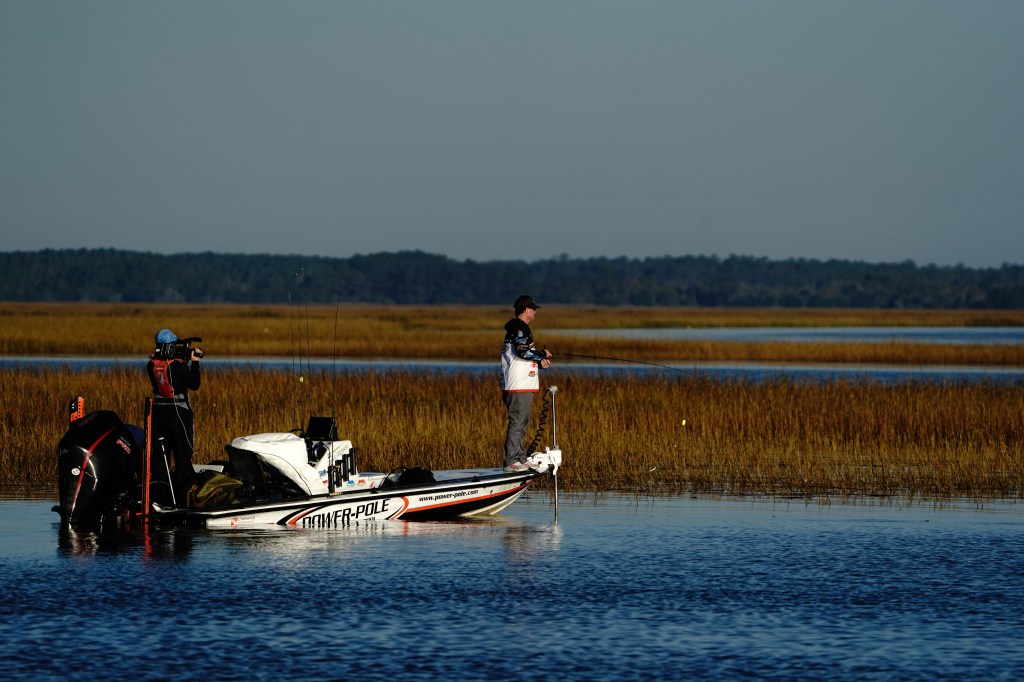
Snag avoidance: Whether you’re suspending a natural or artificial bait, a float keeps your offering above brush, aquatic vegetation, rocks, or any other potential entanglement.
Go with the flow: Floats also offer a convenient option for fishing in current. If the water’s moving swiftly — power generation current, flood control movement, wind current, or tidal flow — it may be hard to make a meaningful presentation when your bait gets swept out of the target area too quickly. A float allows you to make an upcurrent cast and naturally drift your bait past a target zone.
Strike Indicator: When the bite is light, or if fish are feeding aggressively and slashing at baits, hook sets can become difficult. A buoyant rig simplifies this — when the float disappears, start reeling.
Fight assistance: The float’s water resistance adds pressure, which slows the fish and facilitates a timely capture.
Float rig options are many, but we’ll focus on a handful of the most beginner-friendly concepts.
CLIP ON FLOAT
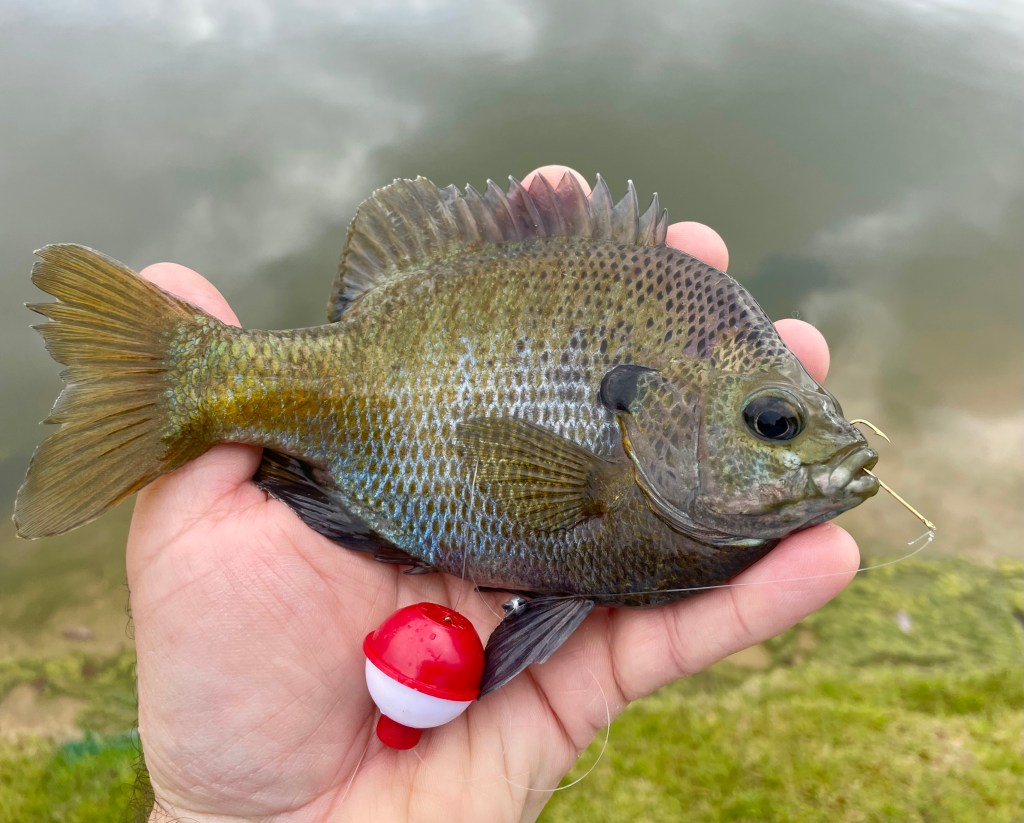
Not many people use actual cork floats anymore (although saving wine corks does offer that option), but the classic red and white globe style bobber is the old-school favorite that still delivers today. Color options like orange and yellow also exist, so just choose the one you’re most comfortable with. They all work the same.
The standard spring loaded design includes a push button stem at the top of the bobber. Press the stem down to expose a wire hook at the bottom of the float, which clips to your line and then retracts into the bobber when you release that stem.
There’s also a wire hook within the stem, so to clip your line above the bobber, press just the edge of the stem to expose that upper attachment. Same as below, releasing the stem secures the topside connection.
The most attractive element of the clip-on bobber is its quick adjustment. If you want your bait to hang deeper or shallower, press the stem to release tension on your line and move the bobber up or down.
You can always tell if you have too much line out because the slack will make the bobber lay on its side. Ideally, you want your bait hanging vertically to pull the bobber upright.
The weight of a hook and bait — anything from earthworms, to crickets, to minnows or bread balls — may suffice, but bobber anglers often add a pinch-on splitshot weight to hold the bait at the right posture, especially in more than a couple feet of water.
Tip: If your line frequently slips from the wire’s top or bottom end, wrap your line around the wire a few times before releasing the stem.
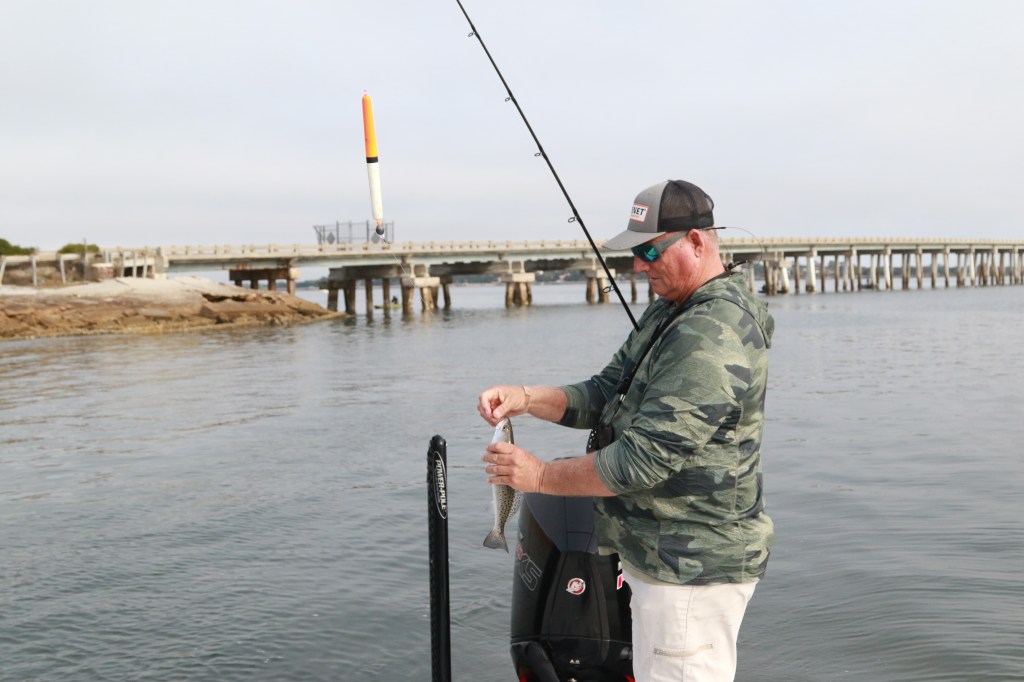
SLIP FLOAT
As the name implies, this type of float setup is based on a sliding action. Essentially, a slip float slides down to the terminal end (typically a hook and bait) on the cast and once the rig settles, the bait pulls the line through the cork, which “slips” up to a stopper.
This rig is ideal for deeper scenarios where trying to cast a line with a float set 4-plus feet above the terminal end becomes challenging. With the slip float, you’re only casting a compact, manageable form.
Slip float rigs can use long slender “pole” style floats from brands like Thill and Little Joe or the smaller avocado shaped models like the Northland Scope Float. With either, you add an adjustable bobber stop to your line above the cork and move that stopper up or down to vary your bait’s depth. (Some chose to make their own stopper by actually tying a piece of fluorocarbon around their line and snipping the ends close.)
Floats with built-in weights offer convenience, but some anglers opt for unweighted models so they can create specifically weighted rigs for various depth, wind and/or current scenarios.
Here’s a basic rigging setup: Run your main line through a plastic rigging bead, then through the slip float. Add another bead below the float, an egg sinker and a third bead before tying to a barrel swivel that connects your leader and hook. The top bead buffers the stopper (or stop knot), while the lower beads protect the corks’s bottom and the swivel knot from the weight’s impact.
A popular option for everything from crappie, to walleye, to saltwater fish such as spotted sea trout and redfish, the slip float rig works well around a variety of bottom makeups.
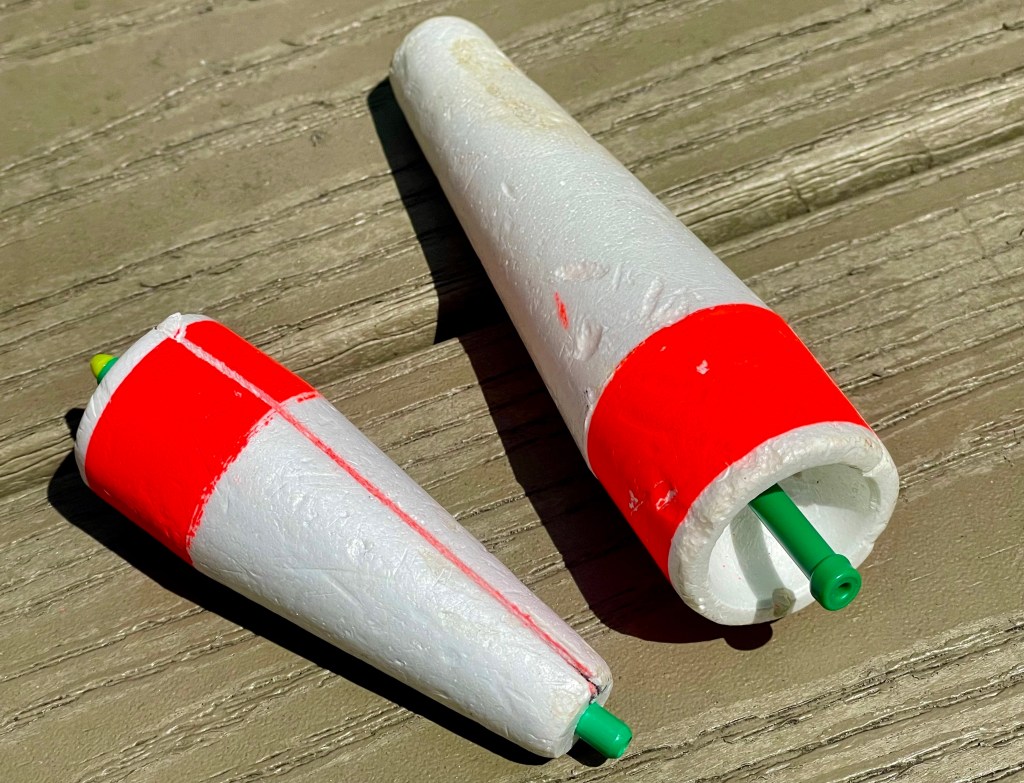
PEG FLOAT
Kind of an hybrid of the clip-on and the slip float, a Styrofoam float with either one central peg or smaller pegs at both ends uses tension to hold the float at a set position on your line. To adjust your bait’s depth, simply remove the peg(s), reposition and then replace the pegs.
Some peg style floats include a slit in one side, which allows you to add or remove the float without having to retie your rig. If your peg cork lacks this quick access design, a razor blade or a box cutter will alter the float for convenience.
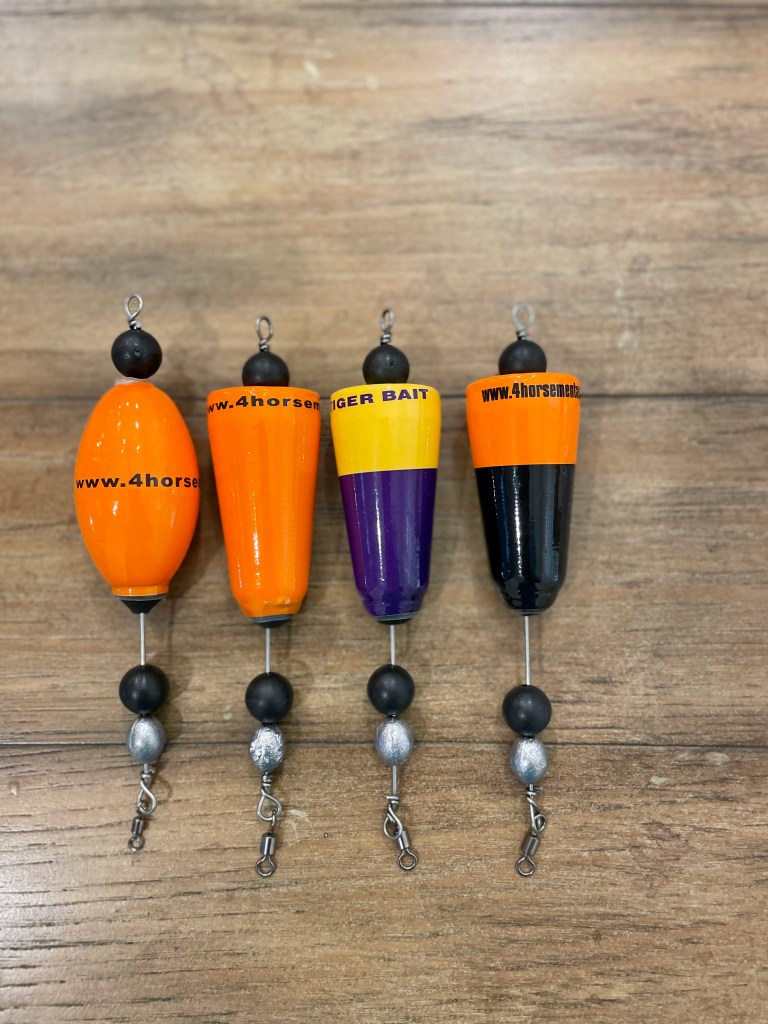
POPPING CORK
When you need to call attention to your bait in windy or murky conditions, or attract interest from distant fish, a popping cork can be the life of the party. In a nutshell, these rigs add noise and surface disturbance, which get fish looking in the right direction and create focal points in low light/clarity.
In the early days of this technique, anglers used one of those peg style corks with a cone shape and a concave head above a natural or artificial bait. Tugging the line tipped the cork over and created a chugging, popping sound that mimicked a feeding predator, or perhaps, a struggling baitfish.
Those old-school popping corks still work, but modern efforts employ a free sliding cork with plastic and brass beads mounted on a wire stem with top and bottom tie-off points. Secure your main line to the top and attach an 18- to 24-inch leader to the bottom.
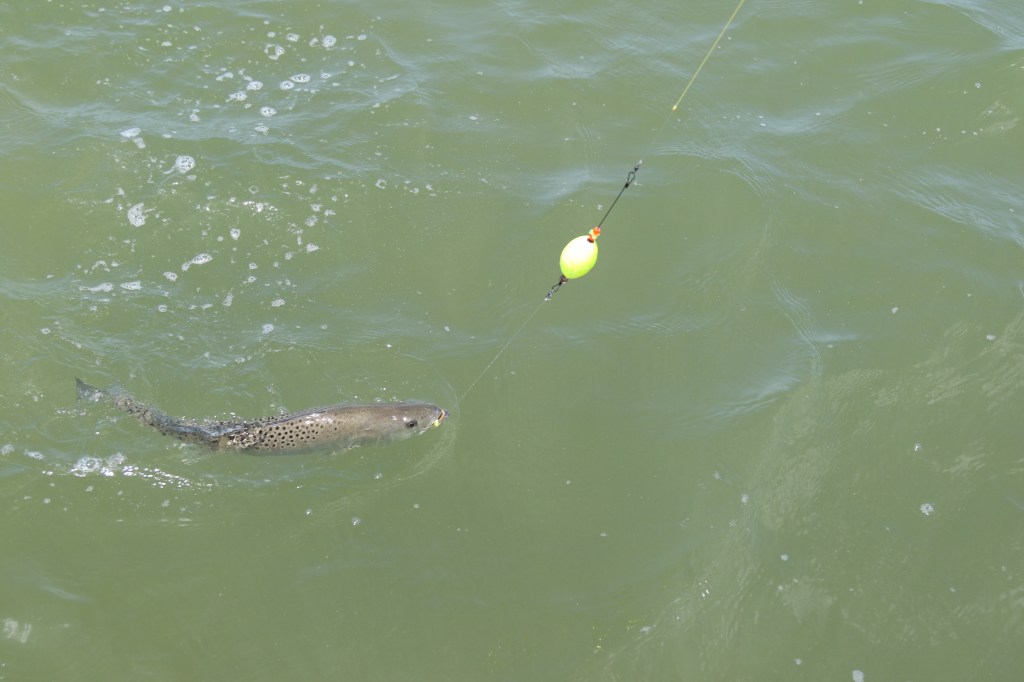
At the bottom of the leader, you can tie on a single hook and add a live shrimp or baitfish, or you can go with a 1/8- to 3/16-ounce jig and paddletail or a synthetic shrimp like a LIVETARGET Rigged Shrimp or a Z-Man PrawnStarZ.
Popping cork rigs from brands like DOA, Four Horsemen Tackle, and Cajun Thunder come in weighted or unweighted models. Base your decision on how far you need to cast and how much wind you’re facing, as heavier rigs fly farther and punch through blustery conditions.
When you experiment with various sizes, weights and colors, float rig options are many, but that’s what makes this technique so valuable — there’s a specific formula for practically any fishing scenario in which you need to keep your bait in suspense.