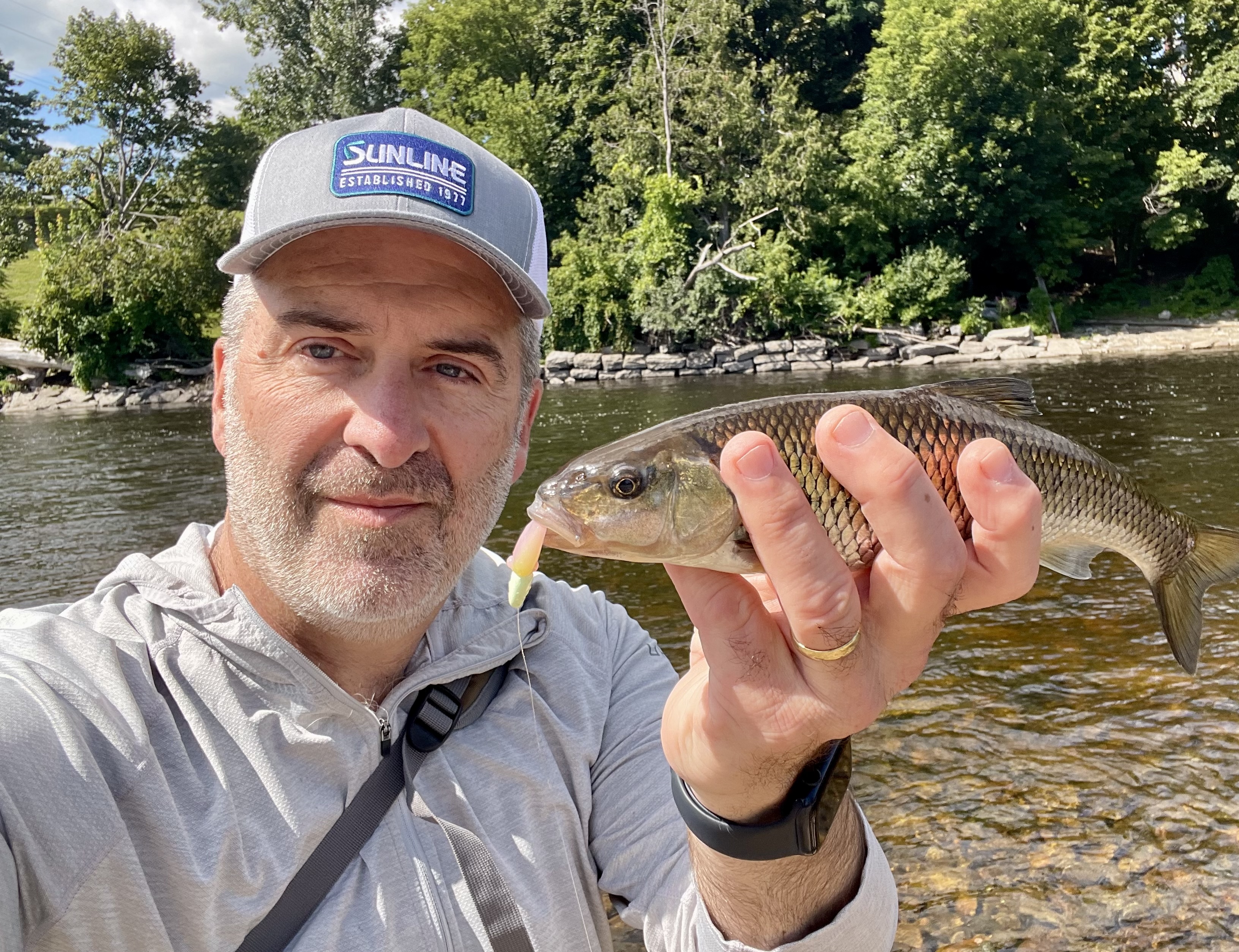
Fallfish may not be the most commonly targeted freshwater species in North America, and with smallmouth bass, various trout flavors and yellow perch often sharing the same waters, that’s easy to understand. But don’t let this B-team status hide a very worthy opponent — or the broader beginner-friendly principle it represents.
I’ve caught the aggressive, hard-charging fallfish in three different places in Upstate New York. Each time, I was travel fishing in new areas of a state where my experience is minimal. Each time, I caught those fallfish while probing current zones in an effort to quickly dial in my opportunities in the limited time I had.
I’ve caught a lot of what most would call the top-tier species, but the fallfish’s consistency has impressed me. Everyone has their own definition of a good fishing day and personally, this species has added a nice action element to one of my favorite low-key, relaxation activities — walking rocky banks and bars and throwing tiny baits on light spinning gear.
Fallfish are certainly not the only species that fits this formula, but over the past few years that I’ve been able to visit northern fisheries, they’ve proven reliable.
A Fine Example
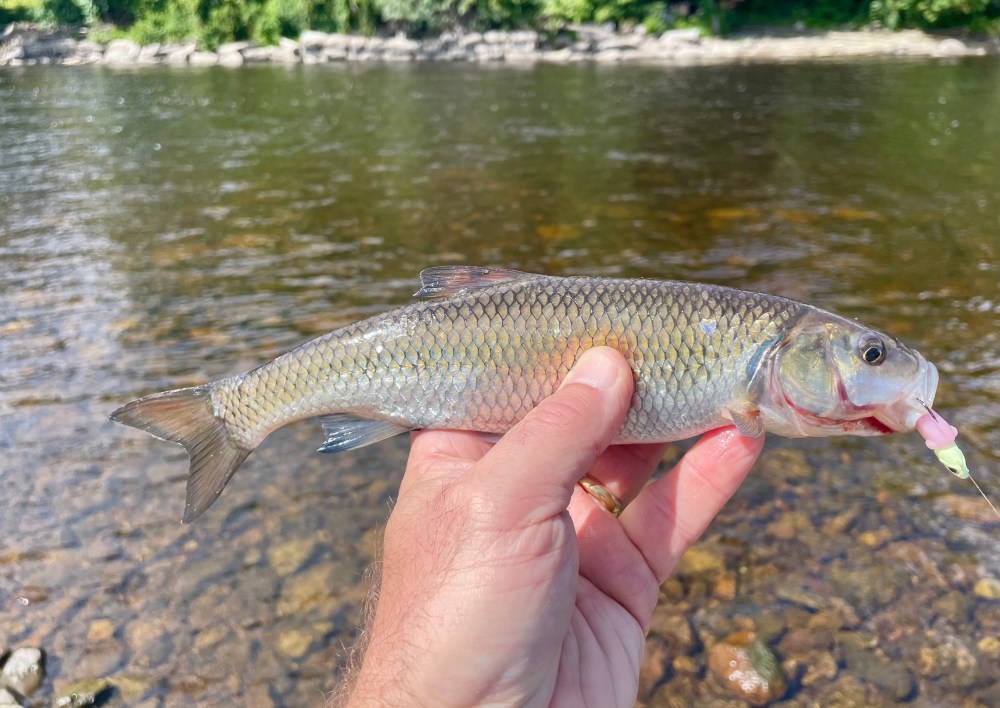
Recognized as the largest native minnow species in eastern North America, the slender, shiny fallfish with its the toothless jaws is an opportunistic feeder, so bugs, minnows, crawfish and the artificials lures that resemble them are fair game.
This indiscriminate feeding, along with an impressive fighting style lands the fallfish on our list of beginner-friendly species. For proper framing, I’ve been fishing for over five decades, but on Northeast fisheries, I’d definitely call myself a beginner, so those spunky fallfish have been welcome line-stretchers every time.
In the broader sense, fallfish deserve their spot on my list of eager participants that provide ideal targets for kids and beginners of any age. The list below includes a selection of species that are known biters, which means you’ll usually enjoy a good number of learning opportunities.
For clarity, boats, kayaks and canoes expand range and reach, so don’t hesitate to enjoy this option when available. However, we’ll keep our focus on land bound fishing. For one thing, this is where most kids and beginners start, but there’s no denying the immersive delight of standing next to, in (wading), or over (dock/pier) the waters you’re fishing.
5 To Know
Fishing, like any sport, becomes more rewarding as you push yourself to take on more challenging targets. But you have to start somewhere and, in terms of accessibility, abundance, and aggression, these fish check all the boxes.
Since we started with the fallfish (Semotilus corporalis), we need to distinguish it from the common creek chub ((Semotilus atromaculatus). In simplest terms, the creek chub has a darker back, a dark horizontal bar and a dark spot at the front base of the dorsal fin, while the fallfish lacks those markings and typically has a shinier finish.
Often reaching 12-14 inches, the fallfish is mostly found in northeastern North America from Canada’s Hudson Bay to the Virginia-North Carolina border. Creek chubs usually run around 6-8 inches, with adults sometimes reaching a foot, but they are more widely dispersed with a range covering the eastern two-thirds of the U.S.
Both species are usually abundant in creeks, streams and smaller rivers, often around current-breaking rocks. Light or ultralight spinning tackle like the Leland’s TCB combo (LINK: https://www.bnmpoles.com/collections/rod-reel-combos/products/lelands-tcb-combo) with 4- to 6-pound line allows you to throw small swimbaits and paddletail jigs, along with tiny twitchbaits and crankbaits that fallfish and chubs will attack.
You’ll also tempt these fish by drifting earthworms under a small cork. Stay alert for the tips of branches that indicate a submerged tree or limb that’ll snare your rig.
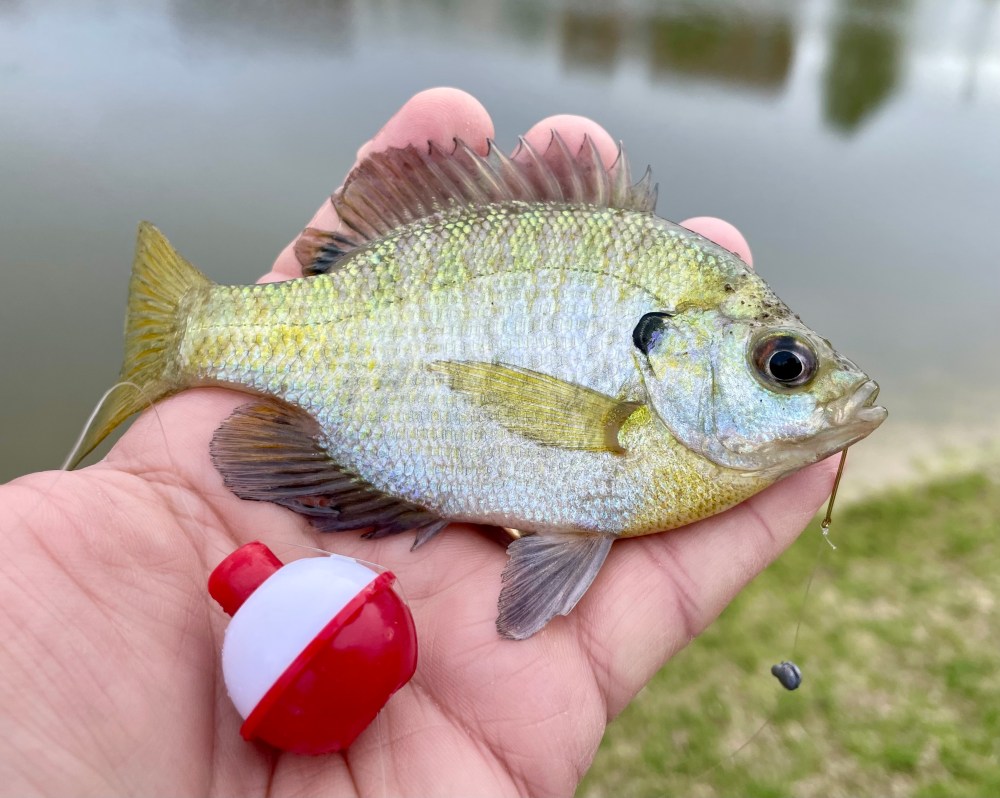
Bluegill: Present in every state but Alaska, this is the nation’s most widely available panfish, and likely the gateway fish for the majority of serious lifetime anglers. Docks, seawalls, laydowns, lily pads, grass lines, marinas — bluegill occur just about anywhere, except strong current areas.
Bold and gluttonous, bluegill can be super aggressive and the more you find, the higher the feeding competition. I’ve seen bluegill so fired up that they literally tracked my bobber as it flew across the surface and attacked it the second it hit the water.
When they’re that eager, it doesn’t take long for someone to find the earthworm, cricket or bread ball below. You’ll also catch bluegill on small jigs, either floated or hopped along grass lines and other shady cover.
During a past tournament assignment in Mississippi, my hotel sat next to a large retention pond with multiple inflows and a small spillway for flood control. Armed with a multi-piece Daiwa travel spinning combo (LINK:https://daiwa.us/collections/freshwater-travel-tackle/products/mini-systems), I used white bread from the breakfast buffet on a small hook with a split shot with the classic red-and-white bobber to target groups of bluegill holding in the deeper holes in front of drain pipes.
Good example of why it’s a good idea to keep a multi-piece or telescoping rod/reel combo in your vehicle or in your luggage. If you find relatively clean water with some kind of cover or depth break, you’ll find bluegill.
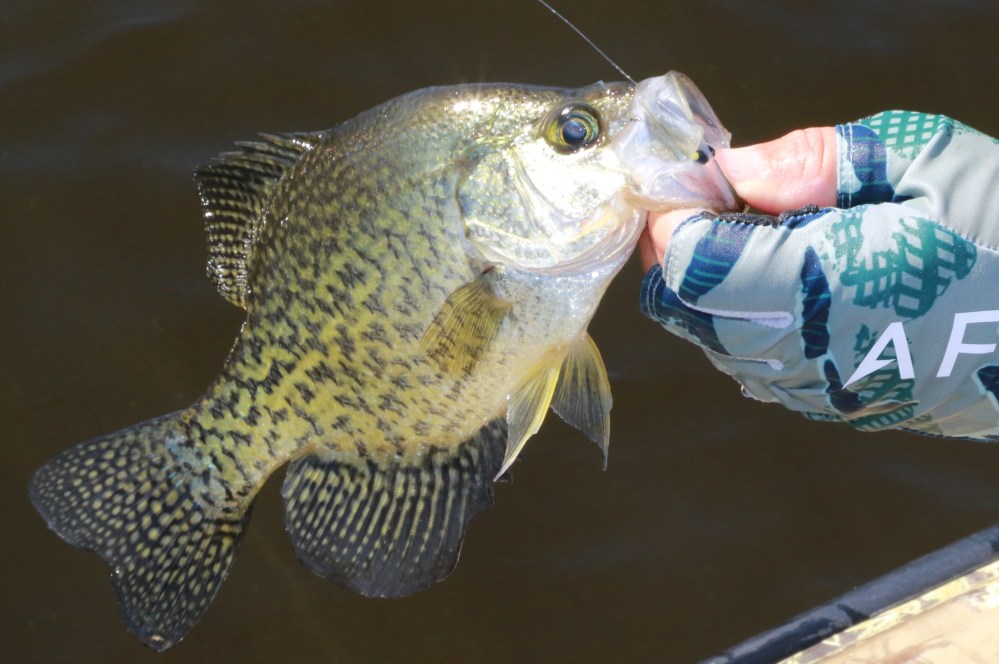
Crappie: A lot of anglers take their crappie fishing very seriously and for good cause. Typically growing larger than bluegill and often displaying remarkable discernment, crappie level up the sporting value and reward anglers with some of the tastiest filets in freshwater.
But don’t worry if your tackle and experience fall below tournament level. Fact is, plenty of respectable crappie are commonly taken by anglers casting small jigs or underspins from docks, or simply dropping jigs into the dock’s shadows.
Lake Okeechobbee’s multiple arteries exemplify the seasonal bank fishing opportunity when crappie flood into the Kissimmee River and the many creeks and canals for spawning season. Casting baits and lures works, but keep a telescoping long pole like one of BnM’s Little Mighty 10- to 25-footers (LINK: https://www.bnmpoles.com/collections/fishing-poles/products/the-little-mighty?variant=39416527159373) and a modest selection of jigs and terminal tackle handy and you’ll stay ready to capitalize.
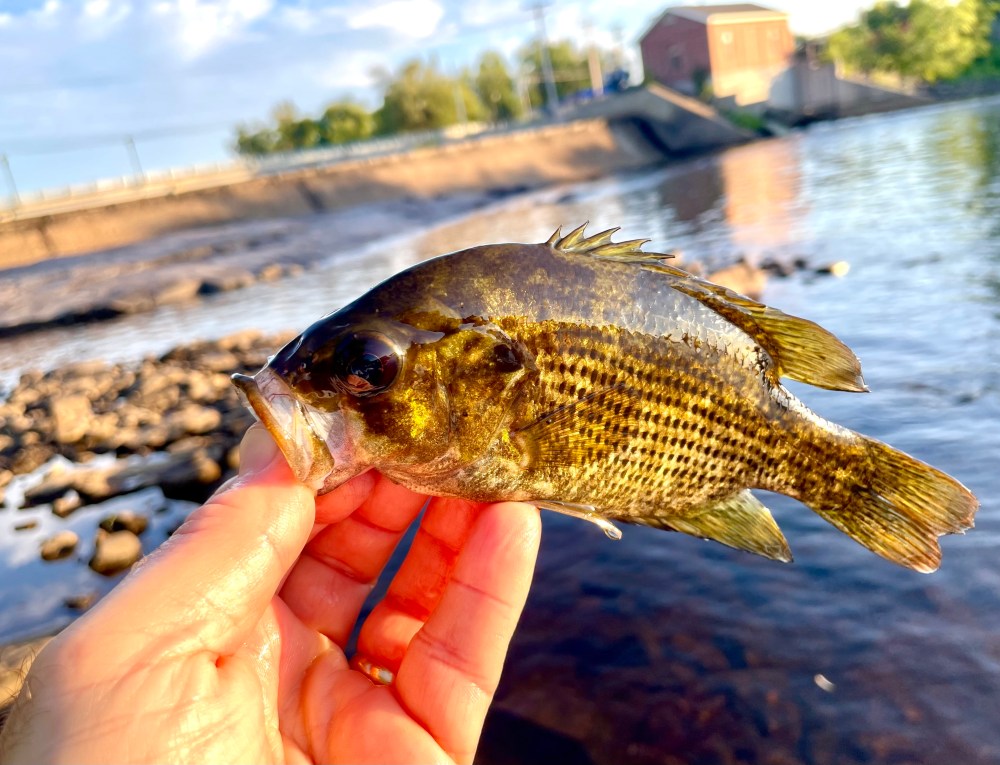
Rock Bass: This one’s a common bycatch for smallmouth and largemouth anglers fishing bridges, riprap, and pretty much any rocky habitat in about 10 feet or less. Dropshots with finesse worms or minnow baits, Ned rigs, small jigs and even crankbaits will tempt rock bass, as will earthworms under bobbers.
Another highly aggressive little fish, the rock bass bites hits hard and pulls like he’s trying to make a point.
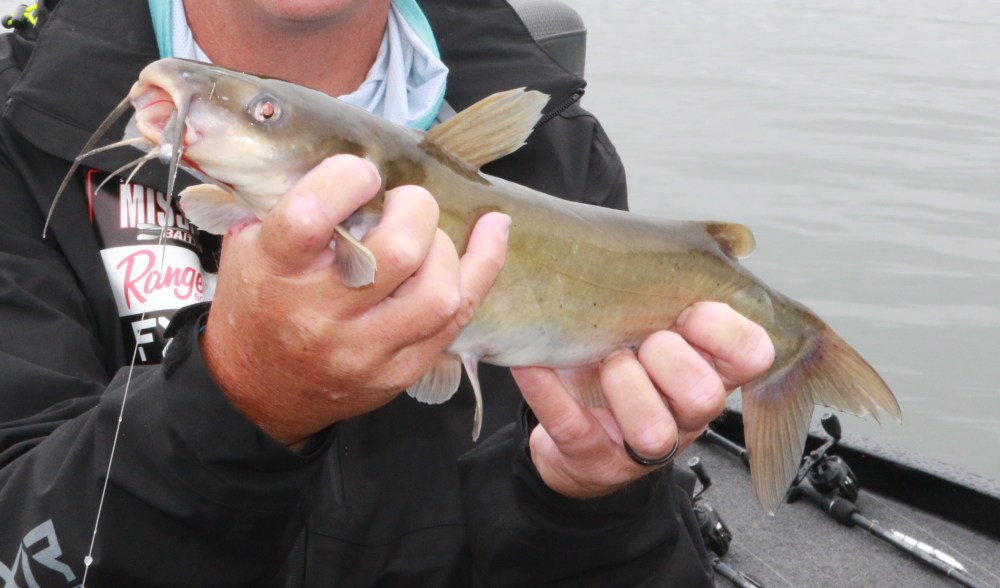
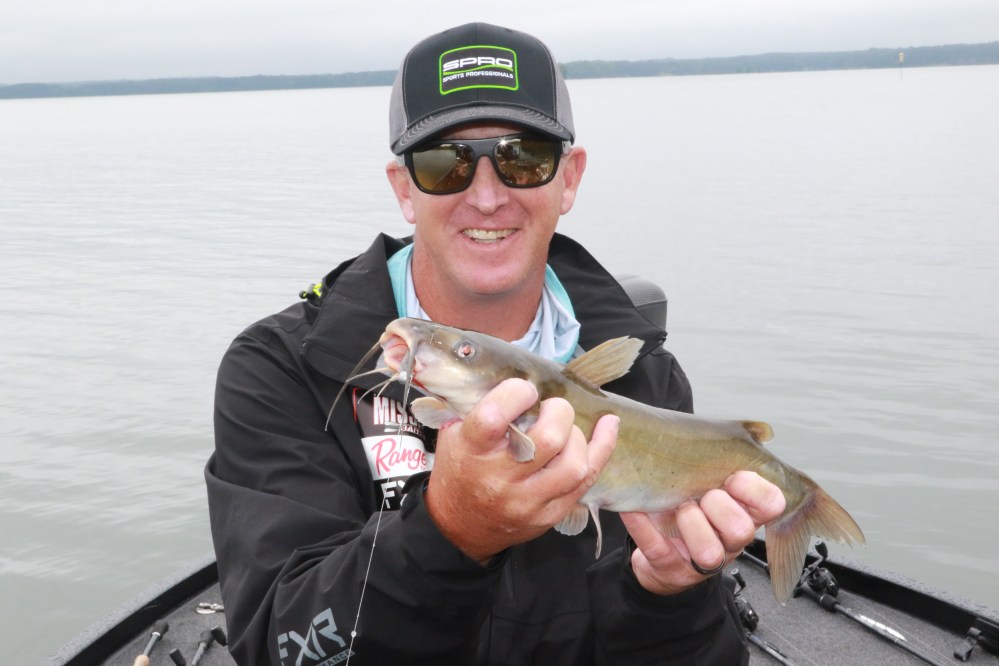
Catfish: Fish a big earthworm, leech, dead shad or chicken liver on the bottom, and you’ll likely feel the tug of a whiskered bottom feeder. They’re not fancy, they’re certainly not the most photogenic fish in the lake, but the common channel cats, along with the smaller bullhead catfish offer easy sit-and-wait targets for anglers who are working on developing their cast-and-retrieve skills.
Careful when handling, as catfish have sharp dorsal and pectoral fin spikes, but channel cats, along with the larger growing flathead and smaller specimens of blue catfish (which can reach 100 pounds) offer excellent table fare.
What You Can Learn
Reeling in a fish is the name of the game, but along the way, observant types will pick up key details that can improve angling skills and increase productivity. Pay attention to time of day, weather conditions, and recent flood or drought events, as all of this factors into when and where fish will bite.
Some of the most accomplished anglers have maintained decades of fishing logs, which provide reference for future trips. Keep track of how your day goes (scenario/location, conditions, baits used, fish caught) and you’ll start to notice replicable patterns.
How they’re biting?: Are the fish really getting your bait, or do you feel a lot of noncommittal nipping before finally hooking a fish. The latter means the fish are unsure about your bait’s size, color or style. Adjust until you find what makes ‘em really “get it.”
Where are the bites occurring?: Shoreline points, docks, culverts, laydowns — all of these stationary features are easy to spot when you get bit. However, in moving water, you have to account for bait drift. That could be a natural bait under a float or an artificial like a swimbait or a spinner.
On a recent trip to the lower Saranac River, I noticed I was consistently getting bit in a zone about 20 degrees to my left. This zone lined up with a notable spot on the bank, so I’d cast upstream of this reference point, keep my rod tip high to avoid rocks, and give my bait a little extra jiggle when it passed that zone.
I went two for five on what felt like fallfish bites and, even though I’ve caught giant peacock bass in the Amazon and trophy Northern pike in Saskatchewan, I thoroughly enjoyed tracking down and catching those foot-long New York fighters.
I think you will too.