
Lately, I’ve been thinking about what defines generations and eras. Partly, it’s because I’ve been reading World War II history again, a subject that always makes me think about my grandparents’ generation and their sacrifices during the war years.
Also, I’m raising a family, and now that I pay attention to “kids these days,” I see just how different their generation is from mine. Heck, my kids still can’t believe phones used to be connected to the wall.
But where I’ve been thinking about this subject the most is how it relates to fishing. We’re in the forward-facing sonar era, in case you didn’t know it. Some folks act like this is the first time in our sport’s history that technology has changed the game, but it most certainly is not. I can remember about a decade ago getting cornered by a seasoned bass pro who was insistent that side-scanning sonar was the biggest evil in bass fishing. He was frustrated at getting his butt kicked by the younger pros, and he placed the blame on the technology.
While fishing technology is apparently something that every generation will have to tussle with, I believe it’s not what most defines an era. That honor goes to the anglers. Each decade brings a new wave of stars. By now, this sport has seen multiple eras of old guards leave and newcomers arrive to fill their post. I really haven’t felt much of a personal impact by it until recently, when some of the sport’s biggest names from the early 2000s decided to retire from competition. First, it was Kevin VanDam. Then Skeet Reese. Now, Mike Iaconelli has announced that 2026 will be his last season on tour.
That’s a big deal for me. Every generation has its icons, and their generation peaked at a pivotal time for me.
See, I didn’t grow up watching Hank Parker, Bill Dance or Roland Martin on the three TV channels we got when I was a kid. It wasn’t until high school and college that I really even knew of such a thing as a pro bass angler, and Ike, VanDam and Reese, along with FLW pros like David Dudley and Andy Morgan, were some of the first names I learned as I dove into the sport.
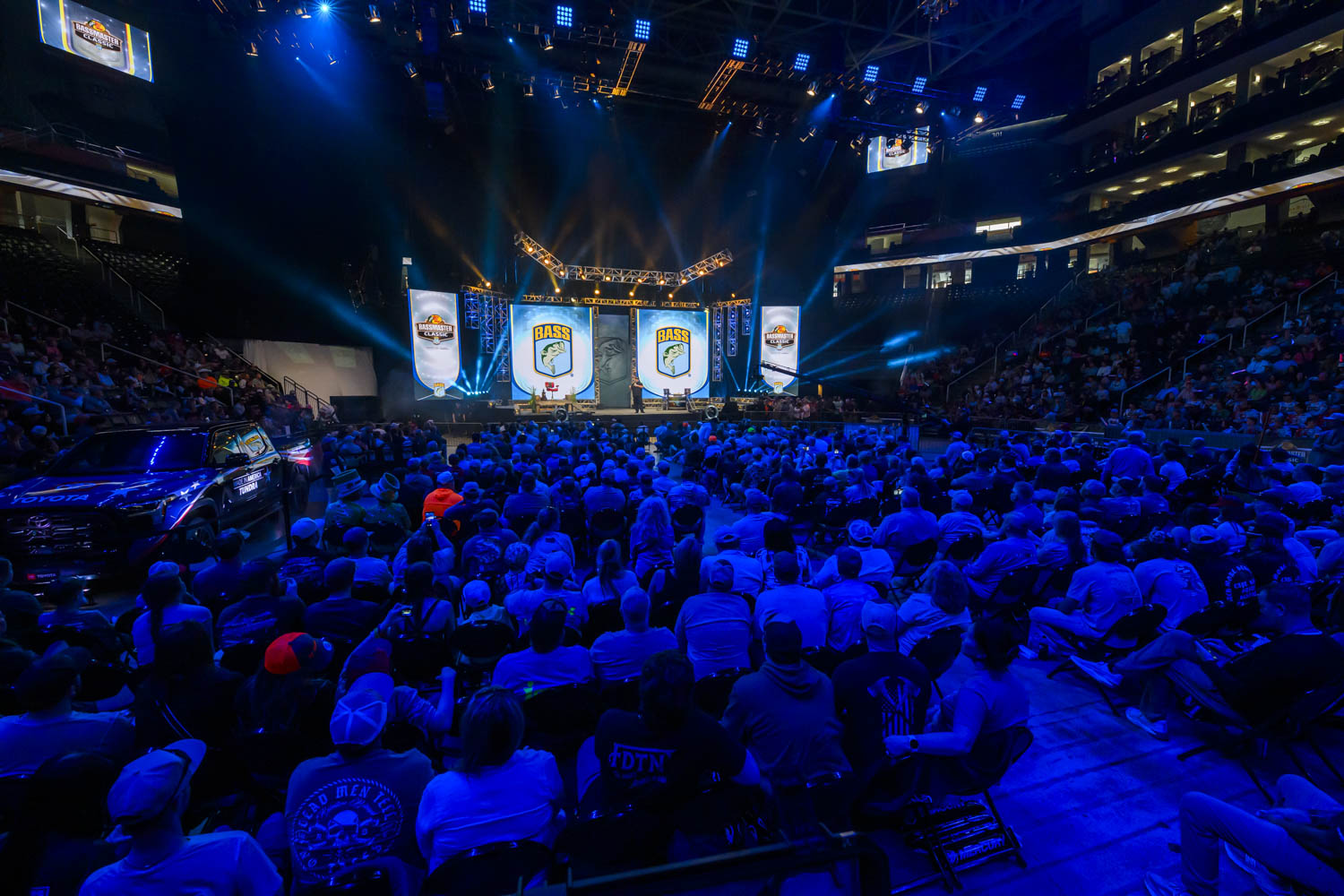
For reference, Ike won the Bassmaster Classic in 2003 — the year I graduated from high school. His generation was in command of the sport when I started taking fishing seriously and remained at the top when I broke into the industry. My fishing and career have been heavily influenced by the stars of that era when tournament fishing was exploding.
And now, they’re starting to call it quits. It’s not easy to see them go. We all want to hold on to our icons. Not for their sake, but for our own. Seeing our greats walk away reminds us that time is marching on, even if we’re not ready to move forward ourselves.
Hearing that Ike will be hanging up his Progressive Bassmaster Elite Series jersey made me sentimental for those early years of discovery, when everything about bass fishing was totally new to me. I didn’t know it then, but I was about to go through an incredible period of growth. It was an exciting time, and now it’s only memories.
The good news is that even when bass pros retire, they rarely vanish. In an article on Bassmaster.com, Ike described his career change as a “pivot,” not retirement. He’ll still jump in a few tournaments and will continue building his media business. It’s a new era for Ike, and I’m happy for him.
As a bass fishing fan and professional, I’m leaning into this new era, too. New superstars are rising. Some may become my kids’ icons. Some will help define their generation. A few might even change the sport forever. And that’s exactly the kind of change we should all be excited for.