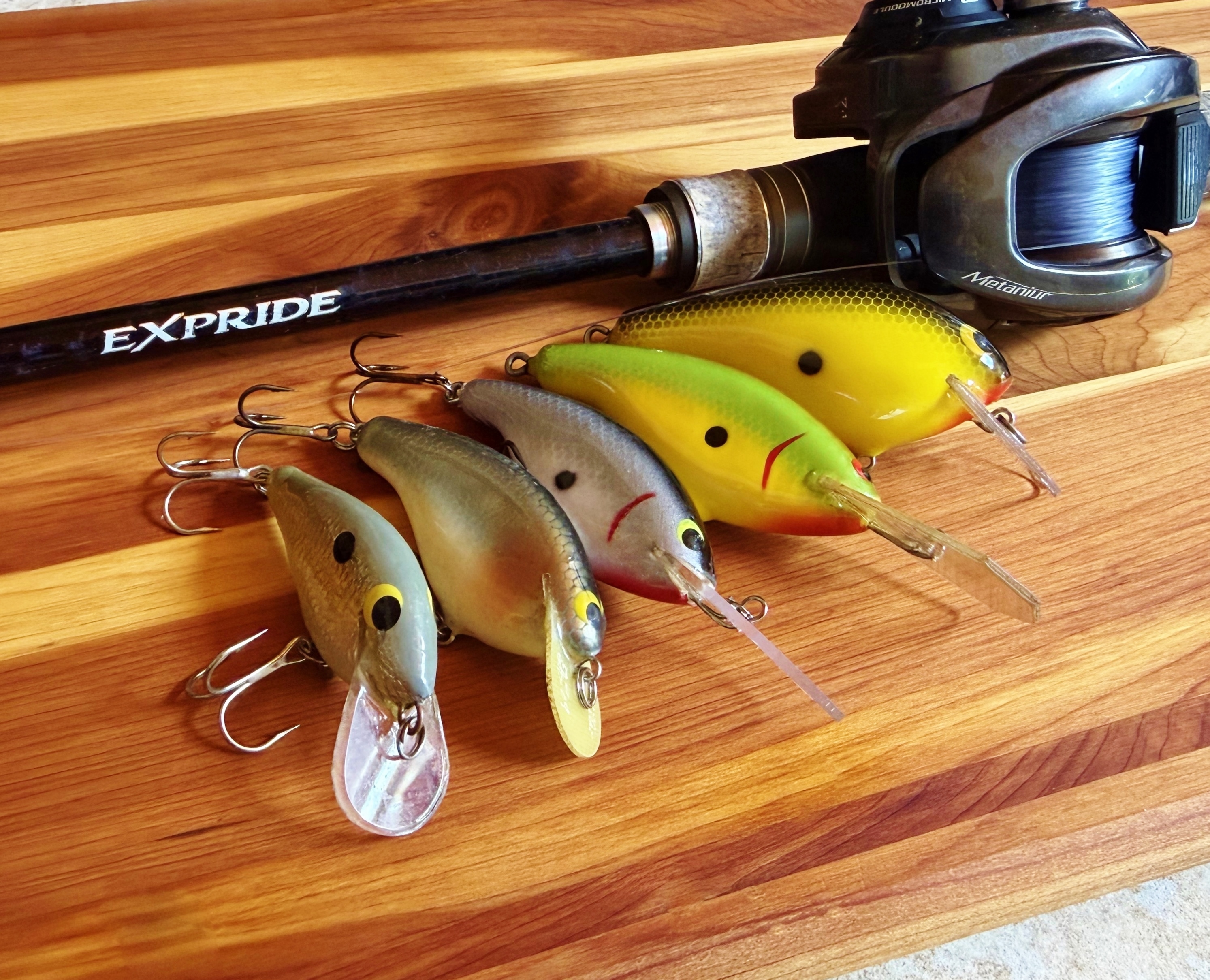
In a time when forward-facing sonar and minnow-tipped jigs seem to dominate the headlines, one group remains loyal to a more traditional method of catching bass … and that is the crankbait culture. Centered among them are the custom builders based in Eastern Tennessee and the Carolinas.
Considered the birthplace of custom, handmade crankbaits, this region of the country features an abundance of reservoirs that serve ideally as a proving ground for shallow and deep water cranking. A place where countless innovations in design originated and eventually became mainstream in lure production worldwide.
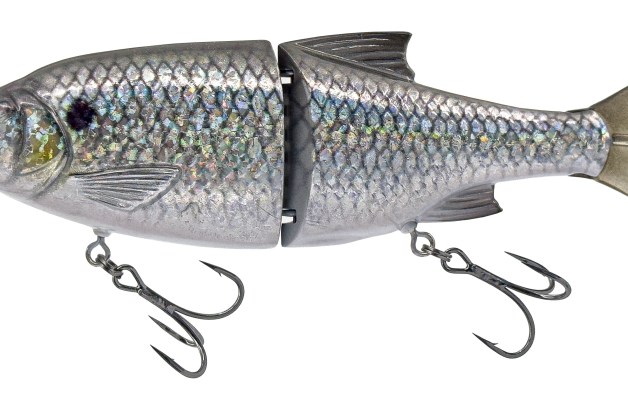
Many of these custom builders concentrate their efforts on flat-sided profiles with rounded or coffin-shaped bills. Others prefer fuller, more rounded bodies fitted with square diving bills. And though the means by which these builders execute their craft may vary, the intent is always the same — to create a visually appealing lure with specific buoyancy and swimming characteristics.
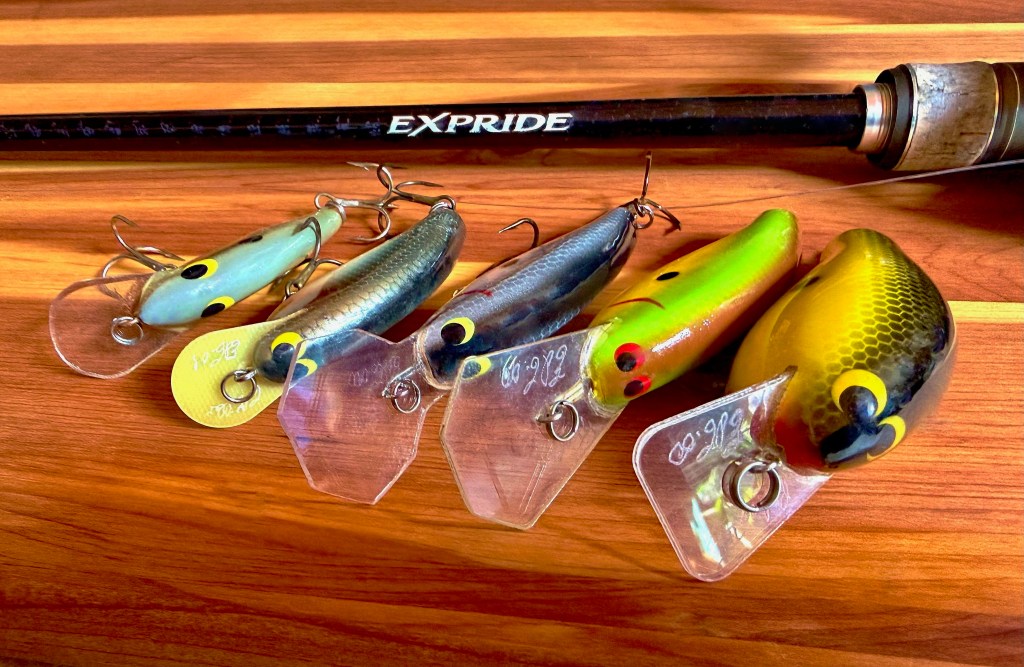
But that’s true for all crankbaits. So what is it that makes customized models so appealing?
Perhaps this will explain it.
A formula for success
Nearly all custom crankbaits are fashioned from some type of wood, including balsa, basswood, cedar or something more exotic. Which of these depends on the builder’s personal preference for what he likes to work with. Many favor balsa for its maximum buoyancy, while others choose denser woods for better castability and/or durability.
Their preferences for swimming actions vary as well, but two in particular seem to dominate. One is for a tight, true-tracking motion. The other is for a more erratic, “hunting” movement, whereby the lure runs intermittently off track.
The hunting variety of crankbaits have a pronounced wobble or “thump,” and they displace considerable amounts of water. They are ideal for stained-water applications and/or plowing through hard cover. Crankbaits designed to have a tight shimmy tend to be better in clearer water, and they usually track true at any rate of speed.
There are varying degrees at which each builder may choose to employ these basic actions, and that will depend largely on personal preference, the intended clientele and/or the type of water the lures are designated for.
Many of today’s anglers see the advantages of having a variety and range of these customized actions. It’s precisely what gives custom-made crankbaits their appeal … that and the many attractive finishes they come in.
Social media marketing
Most boutique builders utilize the internet and social media to reach their market — platforms where word of mouth travels at warp speed.
TikTok, Facebook and Instagram offer such platforms. Numerous websites also host forums devoted to the craft and those who appreciate it. Among them are Wood Bait Nation, Carolina Crankbait Supply, Custom Crankbait Techniques, Tackle Underground and the Japanese page — Crankbait Lovers Room.
Within these separate forums, you’ll find references to some of the most accomplished craftsman in the trade. Guys like Brian Huskins of Brian’s Bees, Rob Cochran of Jaw Jacker Custom Tackle, Jimmy Etter of Etter’s Custom Balsa, Norman Coulter of Coulter Cranks, Herman Oswald of Catching Concepts and Wes England of Wee Baits — each possessing his own unique style and approach to making subsurface lures dive.
Predating this group are the true pioneers, Fred Young and Mike Estep. Young was the creator of the Big O — a rounded, full-body crankbait that was so effective at catching bass, it changed the direction of the sport. Estep followed with his own version of the lure called the Big E, and both makers’ lures are highly sought after, even today.
Another builder who stands out is Steve Blazer, creator of the famed Tennessee Tuffy. According to Blazer, his customized designs account for two Bassmaster Classic victories — one by Rick Clunn on the James River, another by David Fritts on High Rock Reservoir. Other anglers recognized for their skills with a crankbait include Gerald Beck, David Wright and Jeff Coble — each winning numerous tournaments using Blazer’s lures. His crankbaits became so popular, in fact, he was barely able to keep up with demand. Overwhelmed, he eventually sold his designs to Ed Chambers at Zoom Bait Company.
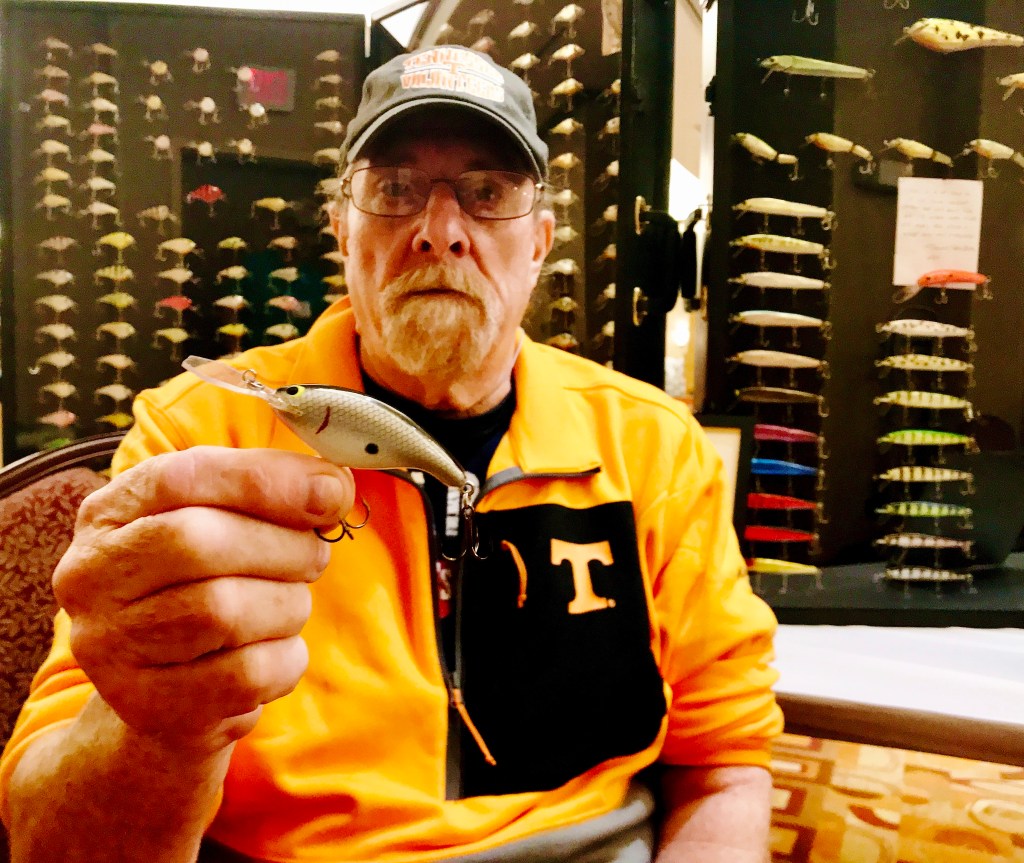
Both Blazer and Chambers crankbaits feature polycarbonate (clear plastic) diving bills, a material favored by many custom builders. Others, however, prefer diving bills made with Micarta, more commonly referred to as “circuit board.” Before the bills are applied, lure bodies are shaped and sanded, then coated with a sealant and cured for painting. Some builders offer foil appliqués for greater reflection, others airbrush and/or hand paint their finishes.
For a more lifelike appearance, many choose gel or decal type eyes. Others prefer to paint their own. Once the cosmetics are complete, the lures are then sprayed or dipped in clear resin and allowed to dry. After that come the split rings, hooks and packaging.
Fish them or frame them
Due to the aesthetic appeal of custom-crafted crankbaits, some anglers find it difficult to put them to the test. Instead of fishing them, they would rather arrange them in shadowboxes for display. Their lines, shapes and varied finishes all contribute to their attractiveness, and for many, that makes them more of an art form than an object to fool fish.
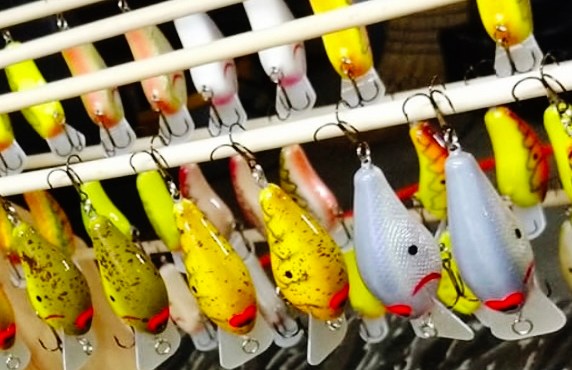
To find them, collectors frequent various message boards, chat rooms and other online forums hoping to acquire as many hard-to-find body styles and color patterns as possible. Events like the East Tennessee Fishing Show in Knoxville draw thousands of attendees each year, as does the National Fishing Lure Collectors Club (NFLCC) Winterfest at Pigeon Forge and the Eastern States Antique Tackle Show in Gettysburg, Pa. — all offering places for custom crankbait enthusiasts to congregate. There, they can buy, sell and trade the lures they are so passionate about … and some will pay a premium for the items they seek.
Whether we are throwing them or displaying them, anglers are collectors by nature. We all have an appreciation for well-crafted lures and, for many, crankbaits top the list in desirability.
To learn more about the craft and the builders who create these works of art, visit the aforementioned platforms and message boards. I’m certain you will find them welcoming and eager to share their knowledge and skills.
Follow Bernie Schultz on Instagram, Facebook or through his website.