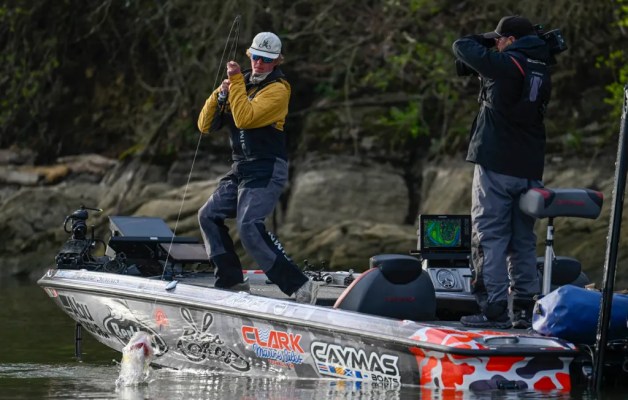


Wednesday of Bassmaster Classic Week is all about practice and it’s been that way, well, since the beginning. But it’s carried a different weight for every Classic since.
Allen Iverson may have raised a few eyebrows in 2002 with the words: “We’re talking about practice, man. We’re talking about practice. We ain’t talking about the game. We’re talking about practice.”
In the bass fishing world, though, practice is kind of important. To the unbaptized of fishing derbies, this isn’t a practice day (although the implications are there) of learning plays, going through the motions or even getting stronger. This single day on the water may mean everything to the Classic competitors. What makes this sport so interesting is we won’t know just how important until Sunday afternoon.
In historical terms, it really wasn’t intended to be that way. If you go back to the early days of mystery lakes and well into the 2000s, this day of practice started as the first look many of the anglers ever got to see of the Classic waters. Up until 1990, there were two days of practice. All of that was important but at the time equally as important was putting the equipment on the water and making sure it worked.
Every Classic angler for almost 50 years fished out of someone else’s boat. That first year was Rebel boats, followed by Rangers for decades and ending with Tritons, all of them straight from the assembly line to the chosen waters.
“In those early days practice was really just as important for us to get our timing down and for them to get their equipment in order,’’ said Trip Weldon, longtime Bassmaster Classic tournament director. “It was a full day where we had a tournament and pulled the boats and anglers through the arena to get everything down.”
The tournament Weldon mentioned was between the outdoor writers/media who were there to cover the event. Practice day was their pseudo-Classic with $500 to the winner with the biggest bass that day and another $500 to the angler he was riding with.
Keep in mind the whole idea behind the Classic was to bring media exposure to the sport. Fishing with big name anglers and winning money at the same time was an enticement. It was competitive too.
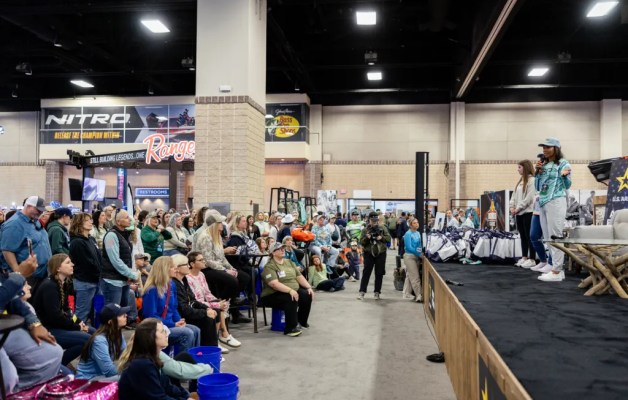
In 1990, at Chesapeake Bay, practice was cancelled due to Hurricane Bob and the writers and anglers had round table discussions all day. Coincidentally, more stories were rolled out and Press Day, beginning Thursday became a major part of the Classic experience. And practice was relegated to one day.
Things were growing, becoming refined. Boats and equipment were almost perfect off the assembly line. Practice started to become an actual practice. For more than a decade, Classic pre-fish periods were a month before the derby, and that one day started gaining weight. For more than a decade now that pre-fish period has been the week before. Practice begins on Friday, ends on Sunday. Monday is a rest day, Tuesday is registration and now we get to the last hurrah. And the weightiness of this day is just getting heavier.
“When I won the last time in New Orleans it was critical,’’ Kevin VanDam said. “I was sick, felt like crap, didn’t have anything going and wasn’t going far. I settled into Cataouatche and caught a 10-pounder and on the next cast caught another keeper. I wasn’t going anywhere else after that.”
Jordan Lee tells a similar story on Lake Conroe when he shocked everyone by coming from behind after he broke down and stayed put on a point and milked it for all its worth. In part it sounds like divine intervention. But if that’s the case it started on that single practice day, where he caught a couple of “good ones” on that point, mixed the point into his game plan and was confident enough that breaking down near it didn’t put him in a tailspin.
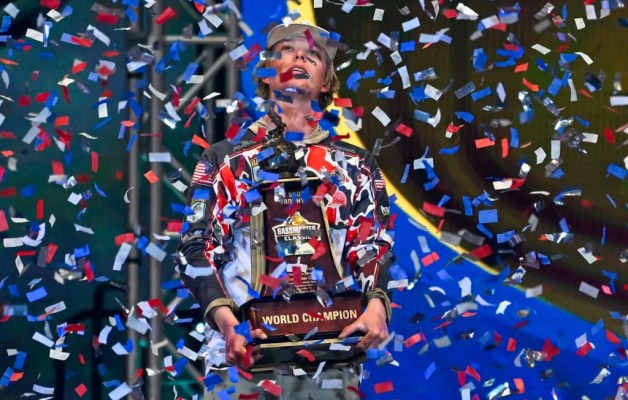
All of these guys will tell you confidence is key in everything they do. Even Easton Fothergill gained that confidence on practice day.
“I didn’t fish that day where I won the tournament,’’ Fothergill said. “But that practice day told me what I learned in pre-fish was still working. That gave me everything I needed to stick with my game plan.”
Without that day of practice and a slow start, things could be different.
There are some who adopt some of Iverson’s take on practice.
“I’m ready to go now,’’ John Cox said. “Let’s just do it.”
There are those like Justin Hamner who figured out Grand Lake on the fly, seeing a bigger fish follow a caught fish on a new spot on Day 2 and putting together a championship run. Even Lee, did that on Hartwell when he won his second Classic, with the weather changing from cloudy to sunny and making adjustments to pass Jason Christie by a little over a pound.
We grow up in an imperfect world where supposedly “practice makes perfect.” But that counts on a world that doesn’t change.
In the bass fishing world, changes are constant. Practice brings information, good or bad, and even in a single day that’s what makes this event so special, and this day, more important than even Iverson could ever realize.