
Winter in the South has a way of blurring together. Once the holidays pass, most anglers go quiet. Money gets tighter. Deer season takes priority. Boats stay covered. Fishing does not disappear, but it stops being urgent.
Then there is that one day.
It might land in late January or sometime in February. The sun feels different. The air is warm enough that you roll the windows down. Hoodies come off by midday. You drive past the lake and notice trucks at the ramp again. Nothing has fully changed yet, but everything feels like it is about to.
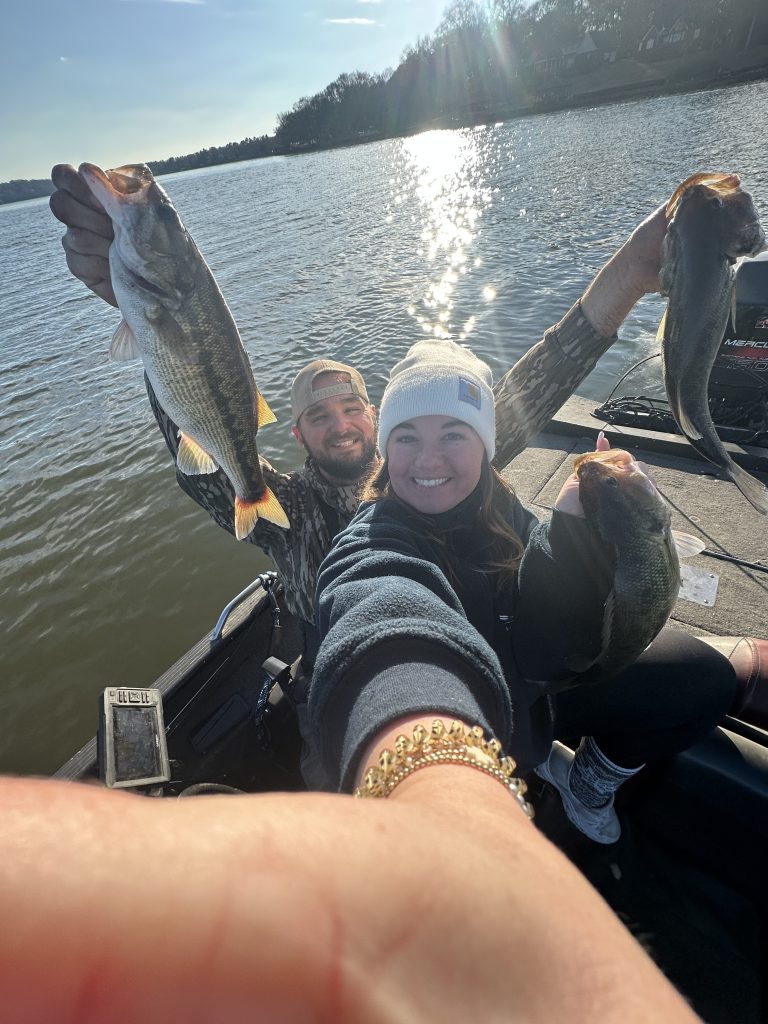
What this winter weather does to fishing in the South
Early 2026 across the South is shaping up to be familiar but unpredictable. Overall, winter trends warmer than average, but with sharp cold snaps mixed in and generally drier conditions across much of the Deep South. That kind of pattern keeps anglers guessing.
From a fishing perspective, variability matters more than averages.
Extended warm stretches can pull bass shallow earlier than expected. Feeding windows get longer. Activity increases just enough to spark confidence. Then a hard front rolls through and pushes fish back out, slowing things down again.
This back-and-forth does not shut fishing down, but it stretches the transition period. Fish tease spring behavior without fully committing. Anglers experience flashes of what is coming, followed by reminders that winter is not finished yet.
That is exactly why that first warm day feels important. It signals possibility, even if conditions are still unstable.
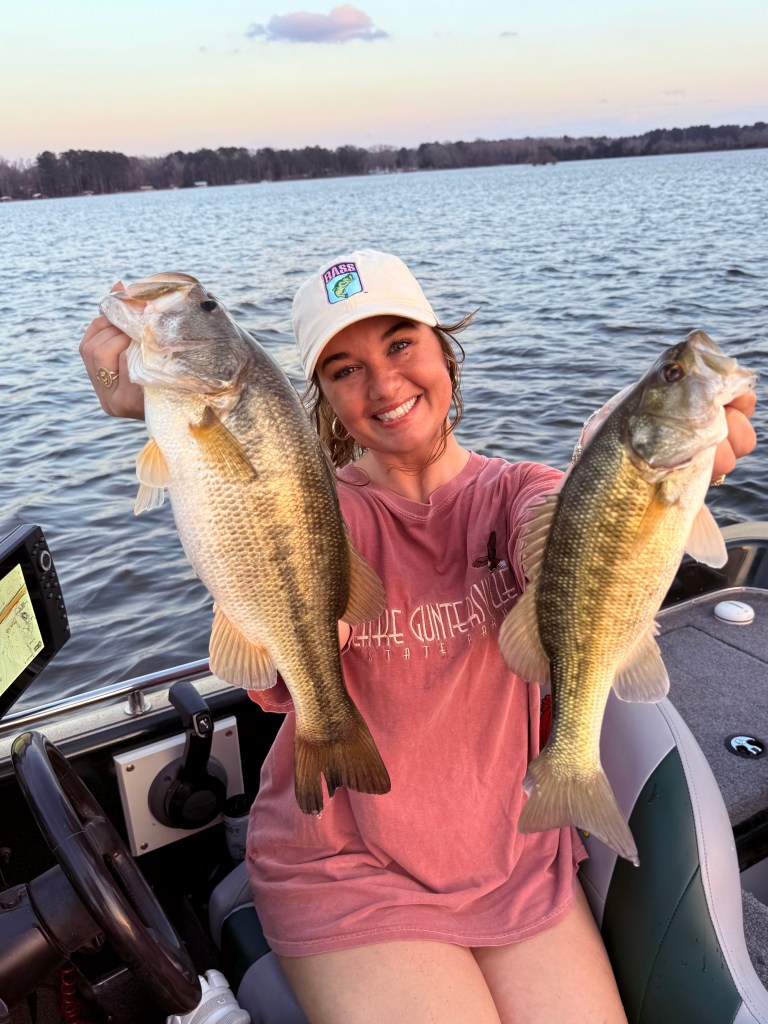
Why an earlier spring feels likely this year
When winters lean warmer overall, spring techniques tend to show up sooner. Not dramatically, but subtly.
Shallow areas get checked earlier than usual. Confidence baits come back into rotation. Fish start moving during mild windows, even if they do not stay long.
An earlier spring does not mean immediate consistency. It means more opportunities. More days where conditions line up just enough to justify a trip.
For anglers balancing time, budgets and unpredictable weather, those chances matter.
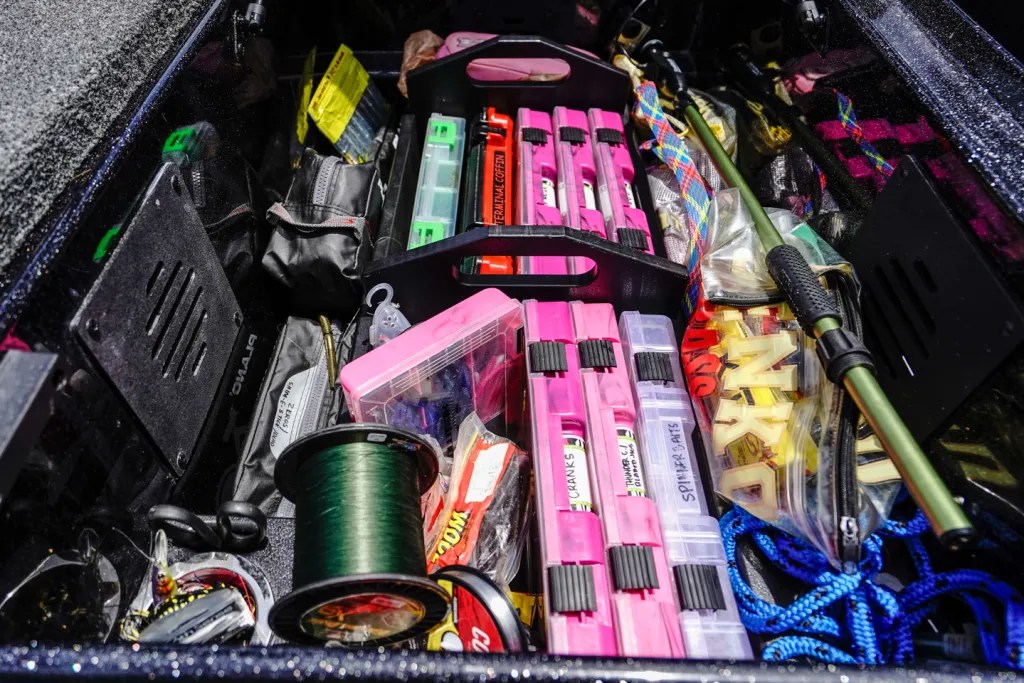
Getting the boat ready without spending a fortune
That first warm day does not usually send anglers straight to the tackle shop. Most are easing back into fishing, not rebuilding their entire setup. Spring prep, especially after winter, is more about resetting what you already own than buying something new.
A few simple tasks now can save time, money and frustration once fishing picks up.
Start by clearing the boat. Winter trips and hunting season tend to leave gear scattered and forgotten. Take one afternoon to clean compartments, wipe down the deck and reset your storage. A clean boat feels more fishable, even before the bite improves.
Check your line next. Cold weather and long storage periods are tough on fishing line. If it feels brittle, cloudy or nicked, strip it off. Even changing line on just your primary rods can prevent early-season breakoffs.
Retie and pre-rig with restraint. This is not the time to rig every technique you own. Focus on a small rotation of early spring confidence baits and tie fresh knots. Having a few rods ready makes spontaneous trips easier when warm windows open up.
Test batteries and electronics before you need them. Weak batteries and glitchy graphs are easy to ignore in winter and frustrating in spring. Power everything up at home or in the driveway and address issues early, before ramps get busy.
Finally, restock the basics, not the extras. Instead of chasing new gear, replace terminal tackle you already rely on. Hooks, weights and soft plastics disappear faster than expected once fishing picks up. Covering the essentials now spreads costs out and keeps spring trips simple.
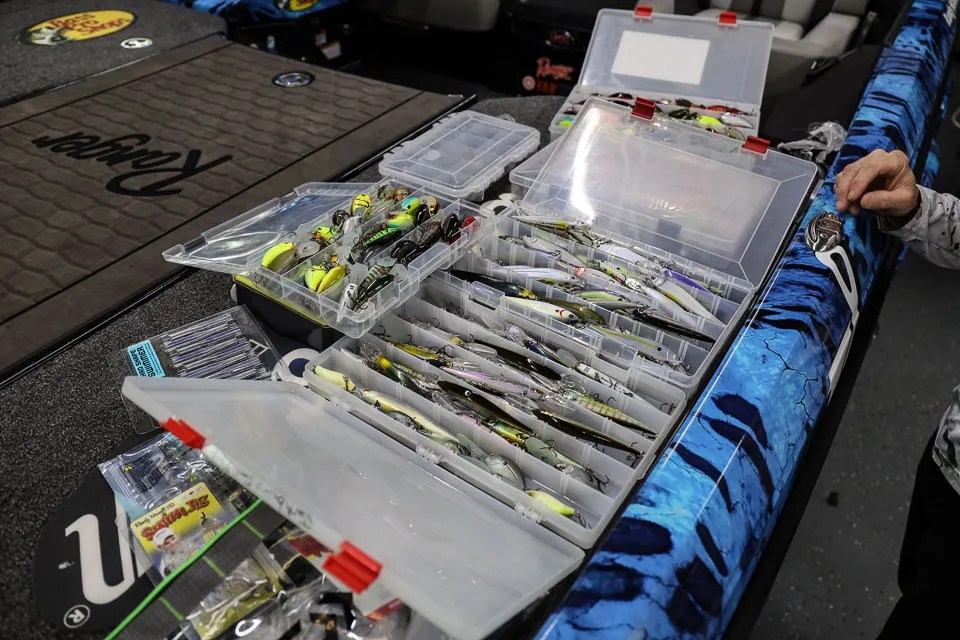
What to do on that first warm day
That first warm day is not about forcing spring patterns. It is about paying attention and fishing with intention. In the South, the most productive anglers during the winter-to-spring transition are usually the ones who let conditions guide them instead of jumping ahead.
Start by fishing where winter and spring overlap. Look for areas close to deeper water that lead into shallow flats, pockets or docks. Bass may not stay shallow all day, but during warming trends they often slide up briefly, especially in the afternoon.
Jerkbaits are often the best starting point.
A suspending jerkbait covers water while still giving fish time to react. On colder mornings, longer pauses are key. As the day warms, shorten the pause and let the fish tell you how aggressive they want it. This bait shines around points, channel swings and the first shallow areas inside pockets.
Flat-sided crankbaits and medium divers follow closely behind.
These baits work well when bass are feeding but not fully committed to chasing. Focus on steady retrieves with occasional deflections off cover. Rock, riprap and harder bottom areas tend to warm faster and can be especially productive during this period.
Spinnerbaits come into play when wind or stained water is present.
A slow-rolled spinnerbait lets you fish deliberately without slowing down too much. This is a good option around shallow cover, dock edges and windblown banks where bass may position briefly during warming windows.
Soft plastics still matter, just fish them efficiently.
Texas-rigged worms, creature baits or compact jigs work well when bass show themselves but refuse moving baits. Focus on short targets and likely holding areas instead of covering large stretches of water. This is about picking apart key spots, not fishing everything.
Pay attention to sun and wind throughout the day. Sunshine often matters more than air temperature during this transition. North-facing banks, darker bottom areas and protected pockets warm faster and tend to hold fish longer. A light breeze can help position fish, but heavy wind usually pushes them back into winter mode.
Expect shorter feeding windows rather than all-day action. Many of the best bites happen mid to late afternoon when water temperatures peak. The morning may feel promising, but patience usually pays off later.
Most importantly, treat that first warm day as information, not a guarantee. Every bite, follower or missed strike tells you something about how close fish are to fully transitioning.
The goal is not to rush spring. It is to recognize it when it starts knocking.