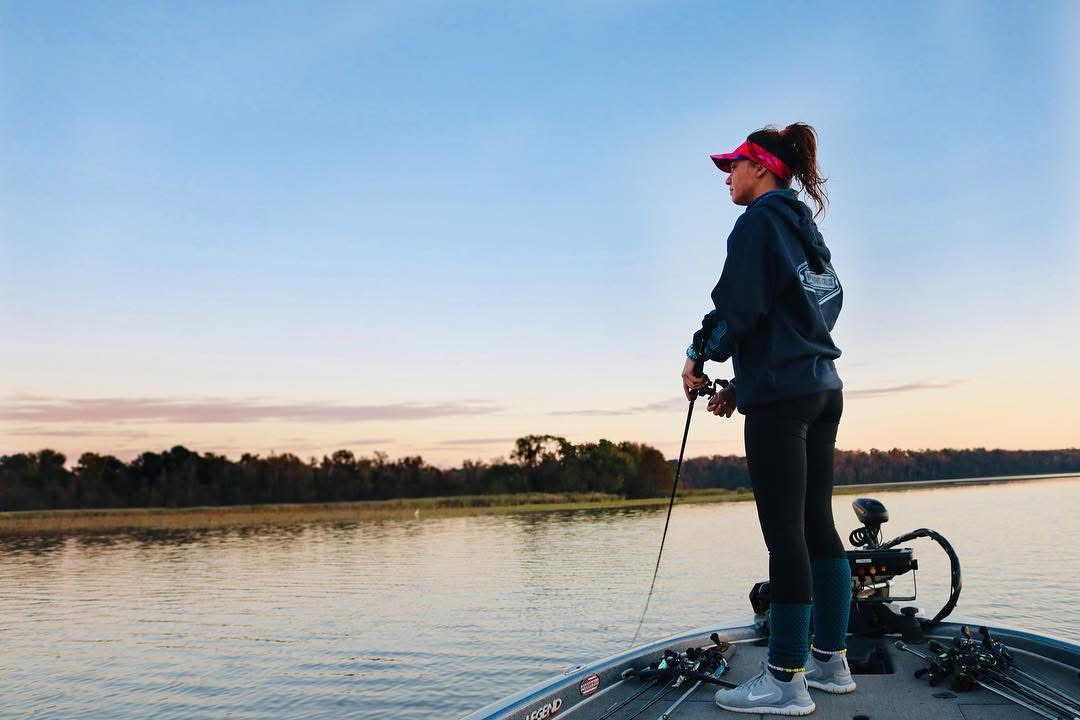

I’ve been fishing tournaments out of a boat since my sophomore year of high school, and even with that background, I still know exactly what it feels like to stand on the water and wonder if I know enough, if I belong or if I’ll ever truly be “good.”
My very first impression of fishing wasn’t competitive at all. It was simple.
As a kid, I would fish off the dock at my grandfather’s house in the fall, bundled up in a jacket around Thanksgiving, catching catfish. I remember the excitement of catching so many fish and the praise that came with it — so much so that I ran all the way up to the house to show the women in the kitchen what I had caught. That night, we cleaned and cooked our fish and ate it together. Fishing felt natural, rewarding and joyful.
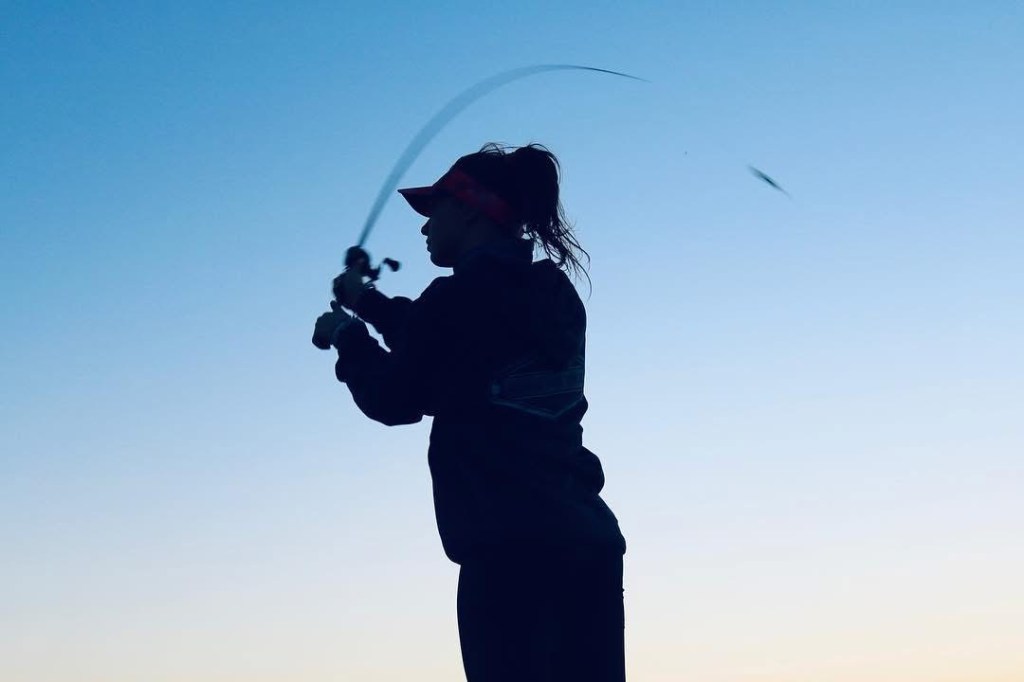
My second impression of fishing was very different.
Not long after, I went bass fishing with my dad and my little brother on Lake Martin. I didn’t know what I was doing. There were no bobbers or live worms — just a push-button rod and a spinnerbait. We fished for hours without success, mostly because we were using the bare minimum of skill and knowledge. I wasn’t thinking about where to cast or why — I was just casting.
Right as we were about to leave, I made one last cast toward a bluff wall where a tree hung into the water. Suddenly, my line started pulling hard to the right. I honestly didn’t believe we were actually catching a fish. My dad got excited, and we both started talking at the same time, trying to figure out how we were going to land it — like we were catching our very first fish together. When that bass jumped next to the boat, I heard my dad curse for the first time in my life. We didn’t even have a camera. That moment exists only in memory — and it’s one I’ll never forget.
Between that day and where I sit now is an unbelievable amount of learning, travel and experience.
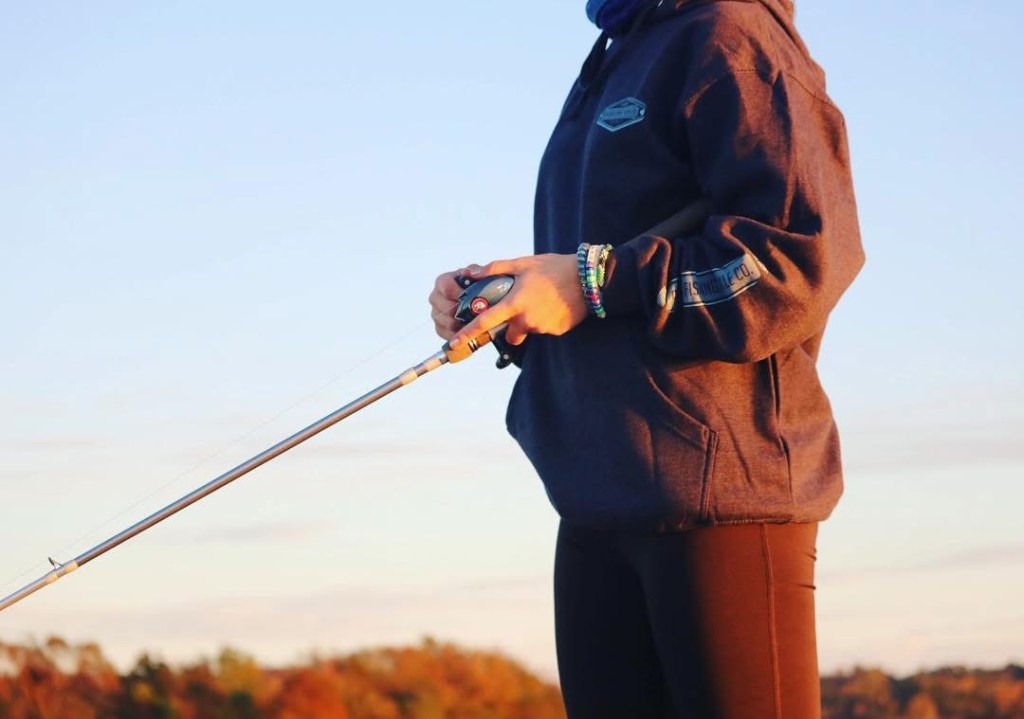
I’ve spent years fishing tournaments across the country, pulling a boat and dedicating countless hours to the sport. Even now — fishing weekly and working in the fishing industry — I don’t consider myself good enough to fish professionally. The anglers who do this for a living have logged far more time on and off the water, constantly learning, researching and refining their craft.
The learning curve in bass fishing is wide — and it never ends.
If you’re new to fishing, or if you’re aspiring to be really good but feel intimidated by how much there is still to learn, (especially in this technology driven era) I want to offer a few pieces of practical encouragement.
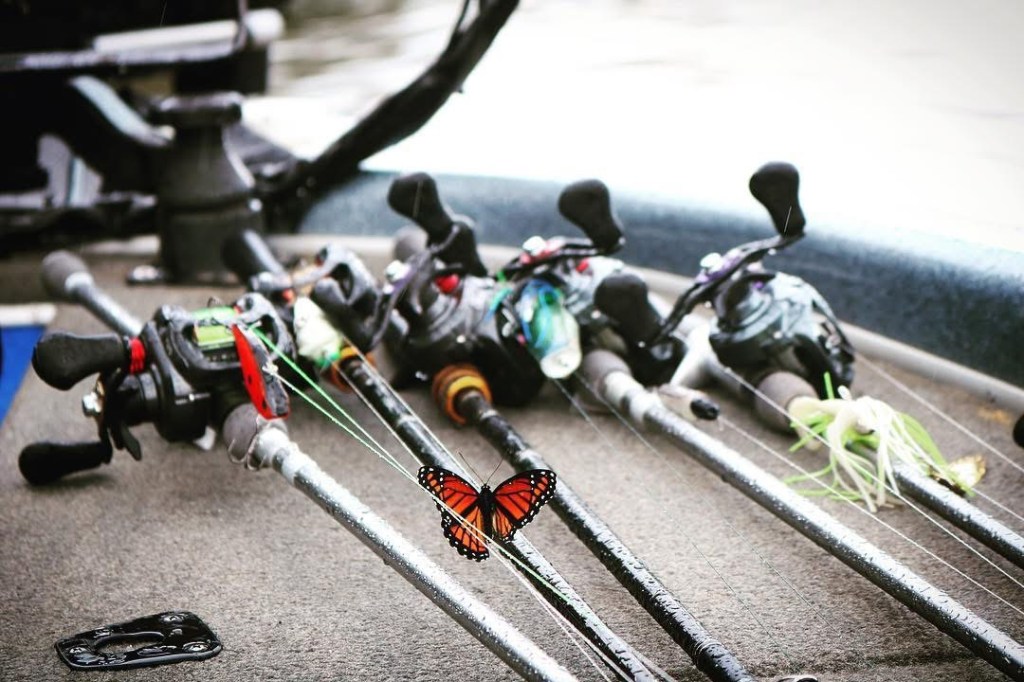
First, find a friend who is learning at the same level as you.
Those early learning stages are precious. Some of my fondest memories on the water come from learning a body of water alongside my high school fishing partners. We laughed harder than I ever have in my life. I fished with several different partners during those years, and each one brought unforgettable memories. Learning alongside someone who’s figuring it out too keeps you curious, motivated and enjoying the process.
Second, find a mentor who is both skilled and respectable.
Look for someone who is consistent, trustworthy and willing to help you grow — not someone who cuts corners. A good mentor should want to see you succeed, both on and off the water. This is especially important for women. Most of my mentors were men, simply because most anglers are men, so it mattered that they respected me, encouraged my growth and celebrated my success rather than feeling threatened by it.
Lastly, understand what kind of angler you want to be.
There are anglers who view fishing as a hobby — a source of rest, enjoyment and escape. There are anglers who see fishing as their purpose — something to pursue competitively and professionally. And then there are anglers who fall somewhere in between, unsure how far they want or are able to take it.
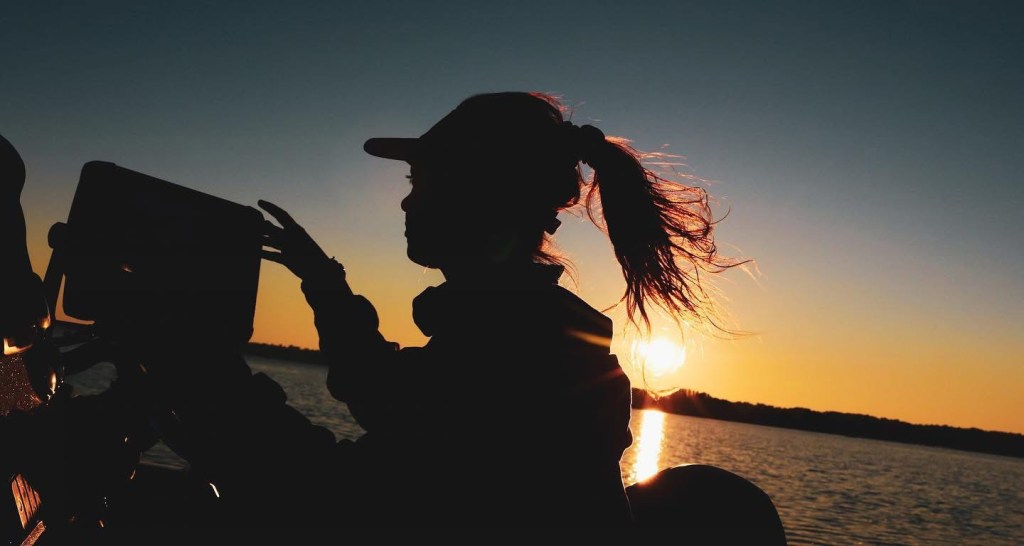
I’ve lived all three phases. I started fishing as a hobby, became a very serious competitive angler and eventually returned to fishing primarily as a hobby due to the stage of life I’m in now. Knowing where you stand matters because it helps you prioritize your time, finances and effort in a healthy way.
Once you’ve found friends to learn with, a mentor to guide you and clarity about your goals, the rest is simple: enjoy the learning curve.
That stage is where the memories are made — the sunrises and sunsets, the failures and breakthroughs, the laughter and growth. Years from now, you won’t measure your fishing journey by your biggest bass or your best trophy. Achievements fade. Titles come and go. But the people you fish with and the memories you create along the way stay with you forever.
If you feel behind, let this be your reminder: you’re exactly where you’re supposed to be.
You’re not behind. You’re still becoming.