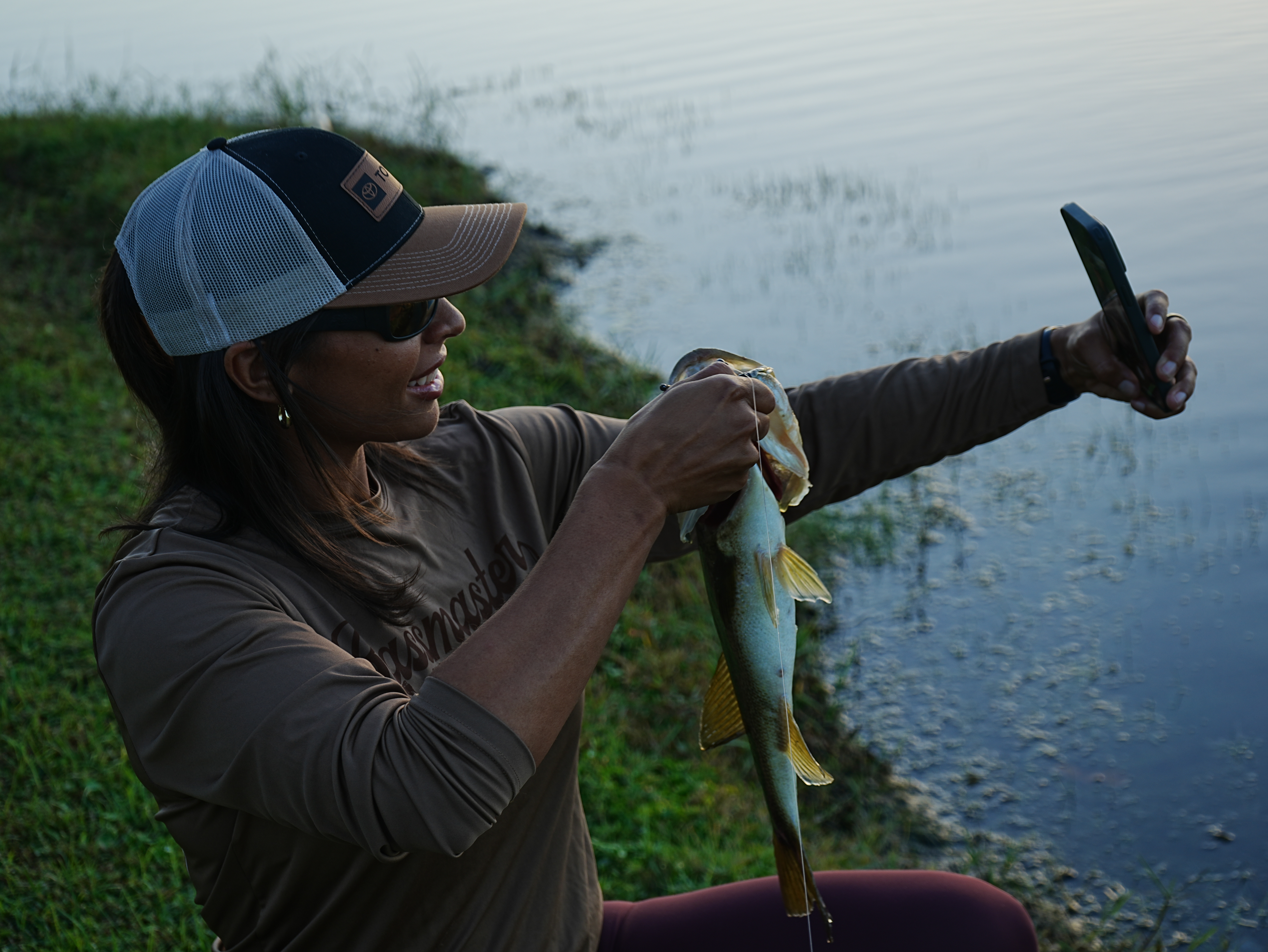
Photos by: Shanae Johnson
Like most anglers, I definitely had my fair share of learning moments when I first got into fishing (and let’s be honest… they still happen). I wanted to try every bait, learn every technique and somehow catch fish every single time I went out. Ambitious? Yes. Realistic? Not exactly.
That mindset did help me grow, but it also came with a lot of unnecessary frustration.
Looking back, these are five things that would’ve made the journey a whole lot smoother and less complicated.
Choose confidence over abundance
There are endless ways to catch bass. Every season brings new baits, new techniques and new trends. It’s easy to feel like you need to try all of them, and that can be overwhelming and expensive.
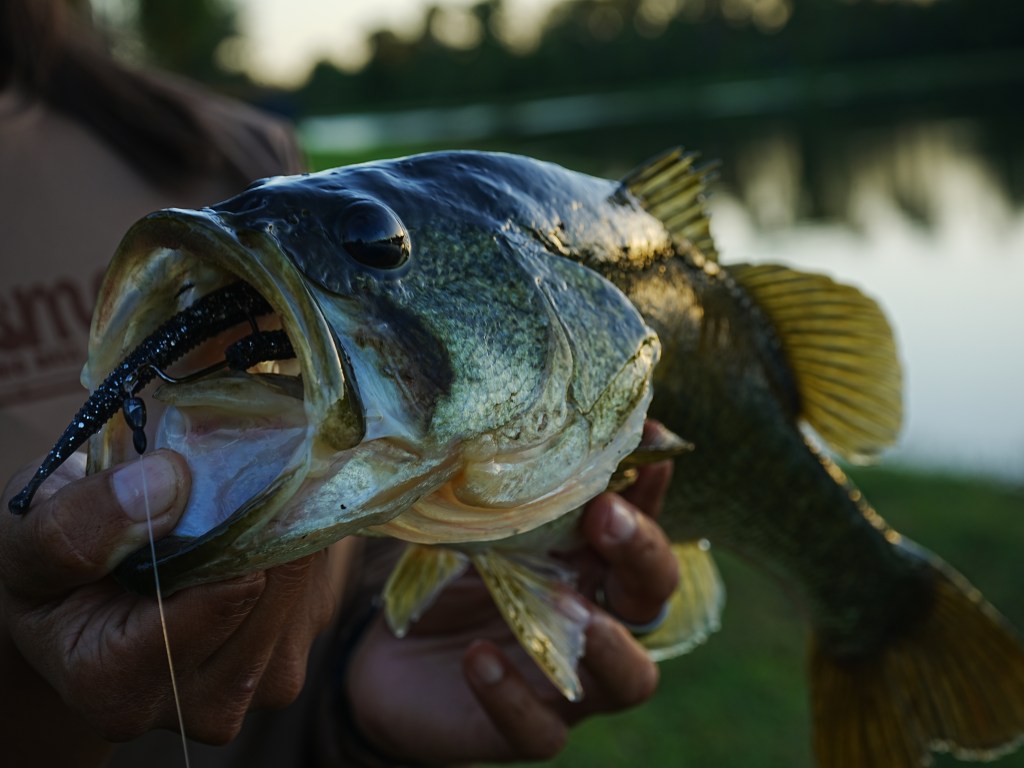
Instead of doing a little bit of everything, focus on a few proven staples first. Baits like a Texas-rigged Senko, wacky rig or paddle-tail swimbait are effective almost anywhere and will teach you a lot about how bass bite.
The more comfortable you are with what you’re throwing, the better you’ll fish it, and you’ll actually end up catching more fish. Once that foundation is there, expanding into new techniques becomes much easier.
There will always be time to expand your arsenal. But confidence in what you’re throwing will outproduce variety every time.
Every day will look different
Fishing has a strong foundation in science. Seasonal patterns, water temperature, structure and forage all contribute to what presentations work best.
But one of the hardest lessons to learn is this: bass don’t always follow the rules.
You can do everything “right,” fish the right areas, use the right bait, match the conditions, and the fish still might not cooperate. Other times, the best pattern is the one you weren’t expecting at all.
Instead of chasing perfection, focus on staying adaptable. Pay attention, make small adjustments and don’t get discouraged when things don’t go as planned.
Don’t overcomplicate your gear
When you start looking into rods and reels, it can feel like you’re being hit with terms like power, action, gear ratios and rod blank materials. It’s easy to think you need a specific setup for every technique, but you don’t.
One or two versatile setups can take you a long way. A 7-foot, medium-heavy, fast-action rod is one of the best all-around options out there. It allows you to fish everything from finesse presentations to moving baits effectively without overthinking your setup.
Focus on learning how to fish your setup well rather than trying to build a full arsenal right away. The gear can always grow with you over time.
Fish what is accessible
Many people think you need a boat or kayak to learn how to fish, and that couldn’t be further from the truth.
Ponds, banks, docks and small public waters can be incredibly productive and are often easier to break down than large lakes. These environments help you focus on the fundamentals like casting, presentation and understanding how fish position.
There are fewer variables, fewer places for fish to hide and more opportunities to learn how bass behave, all without the added task of managing and navigating a vessel.
Fish what’s around you, however you can. If that’s on a boat, great. If it’s from the bank at a small pond, also great. Time spent fishing matters more than whether you’re on land or water.
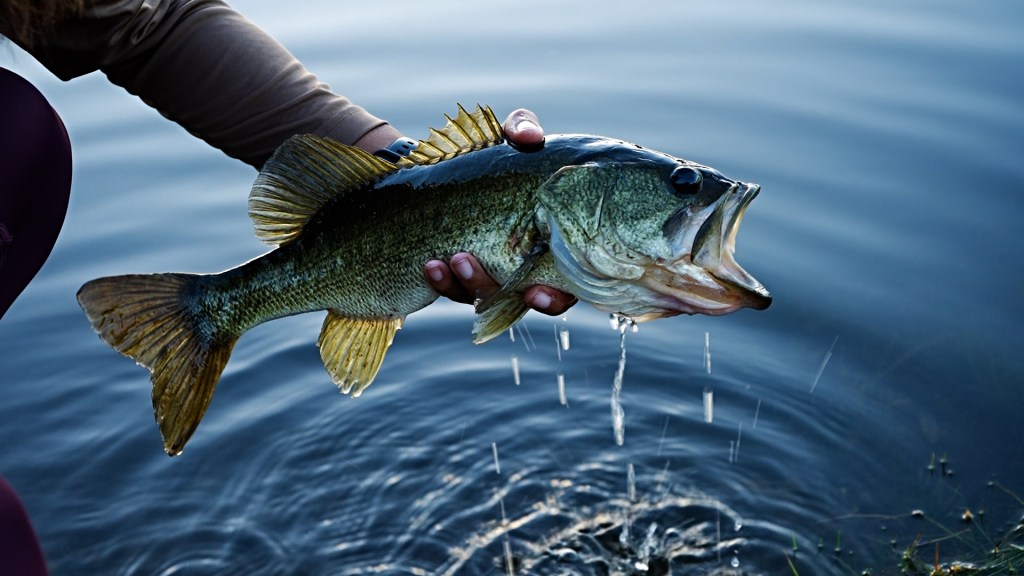
Make the most of time off the water
While time on the water is critical, what you do off the water can be just as valuable. Time of year, weather, accessibility and many other factors can interfere with your ability to get out and fish. Life gets busy, but there are still plenty of ways to improve your skills without ever making a cast.
Practice knot tying in your living room, pick a target and dial in your casting accuracy in the yard, or study fish behavior through videos and articles. It all adds up.
Even something as simple as organizing your tackle or learning how different baits move in the water can give you an edge the next time you’re out.
Preparation builds confidence, and confidence is everything.
Final thoughts
If there’s one thing fishing has taught me, it’s that there isn’t one exact formula for catching fish. There are a lot of opinions out there about what works best, but you have to learn what works for you.
Keep things simple. Stay patient. Use what you have. And give yourself the space to improve over time.
Confidence builds with experience, and every trip, good or bad, is part of that process.
It’s all worth it. You’ve got this.