
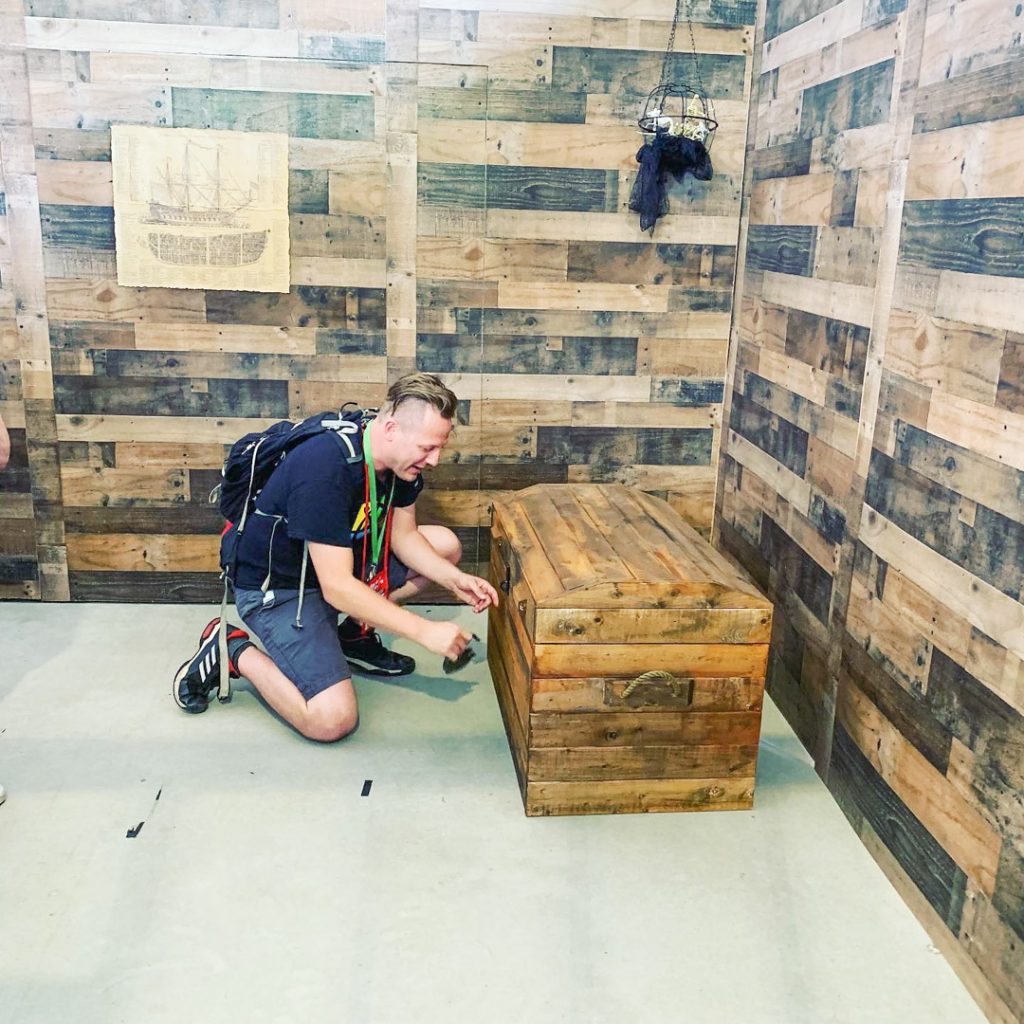
After a find, be sure to leave the cache where you found it.
Do not leave any illegal items, weapons, explosives, drugs, alcohol, scented- or food-related items in a cache. Head to geocaching.com for a full list of restricted items.
Be mindful of personal and private property, posted rules and regulations.
As always, follow the principle of Leave No Trace.
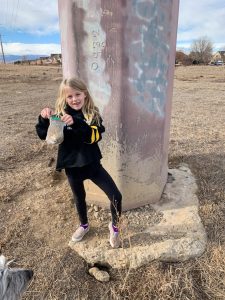
Caches typically are categorized by a star rating based on terrain and difficulty finding.
There are several kinds of caches, and understanding the types and how to find them will be beneficial as you continue to get involved in geocaching. “New people should know that there are many different kinds of

Some caches involve more time to find and may include a hike. “If going in the woods, bring anything that you would normally bring for hiking,” said Johnson. Some of the recommended items are a first-aid kit, water and snacks, closed-toe shoes, long pants and bug spray. Don’t forget a pen, your fully charged phone for running the app and trading items.
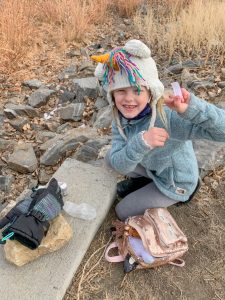
One of the most important tips is to make sure you obtain permission to leave a cache in your desired location whether public or private. Once you have permission, make sure you place it in a good location, making it an exciting challenge to find for a hunter and not too easy for just a passerby to find. It should also be the proper distance from other caches. Be conscious of the Leave No Trace principles in the placement of your cache and the impact even searching for it can make. Do not bury the cache and make sure the contents are family-friendly. A waterproof container that can withstand weather is your best bet for placing the cache. Include a trinket, writing utensil and log in the container. Monitor your cache regularly and read and respond to feedback as necessary on the app.