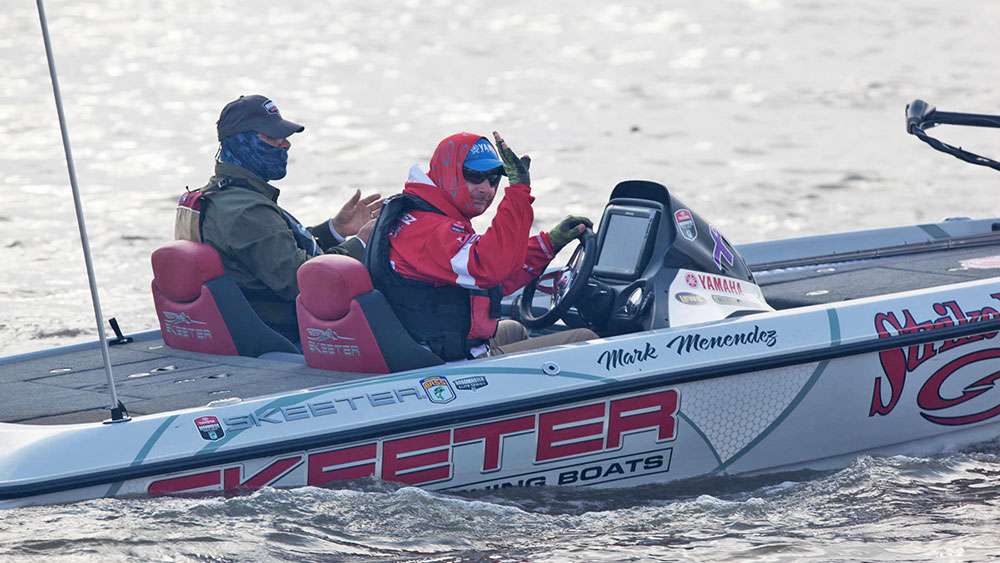
âEach of the following five presentations will work throughout the season, but letâs look at this starting with postspawn and into the heat of summer.â
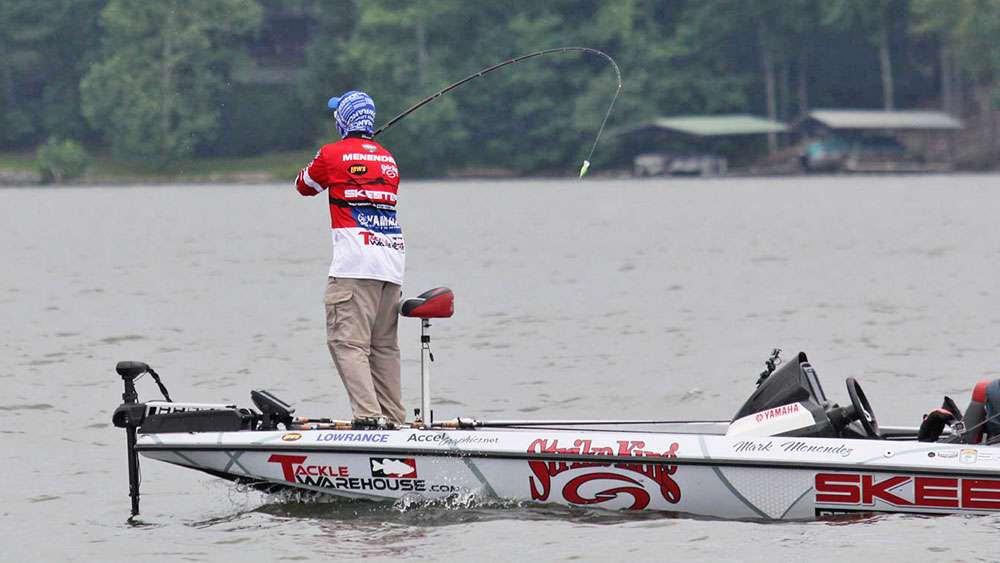
âThis is one of my absolute favorite patterns to catch big bass on, because itâs so much fun. The bass are dumb and hungry, which is a perfect scenario for the angler,â Menendez said. âThis is the time where angry anglers can get revenge for all the difficult early spring conditions when itâs cold out, and an angler will fish all day for just a couple hard-to-come-by bites â you know, the days when we should have stayed home and tackled the âhoney-doâ list.”
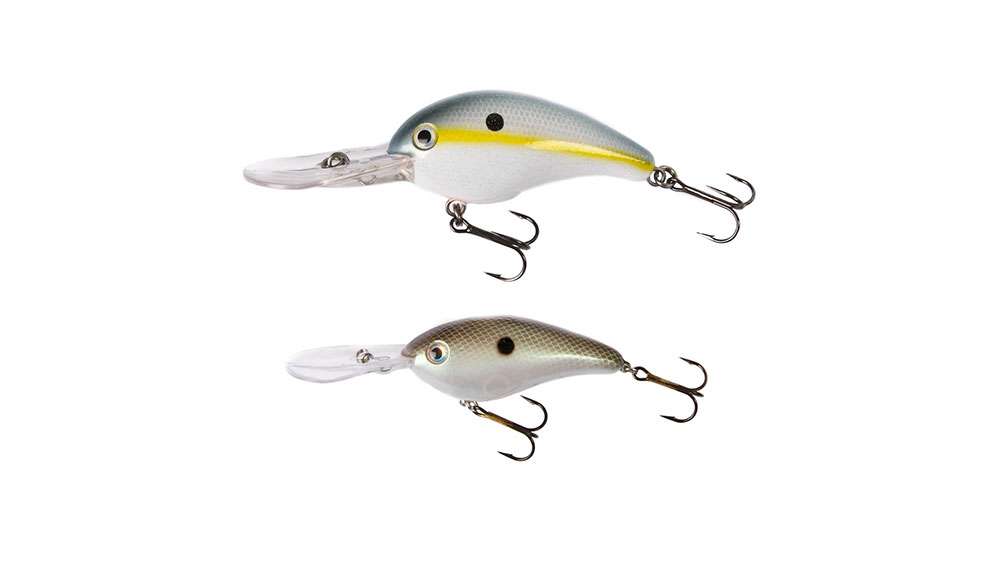
Menendez said as soon as you catch a fish, put it in the livewell, and make another cast as soon as possible. He also suggests triangulating the spot-on-the-spot. Hitting a good area from several different angles can be productive.
He said this pattern really shines when the water temps are 72 to 76 degrees. He prefers a Lewâs 7-foot, 6-inch David Fritts cranking rod with the Palmer grip, which is designed to place the pistol grip beneath where you pinky would typically be positioned. It straightens your wrist, elbow and shoulder to reduce the arm fatigue that typically comes with pulling big crankbaits. Heâll match the rod with Lewâs BB1 reel in a 5.1:1.
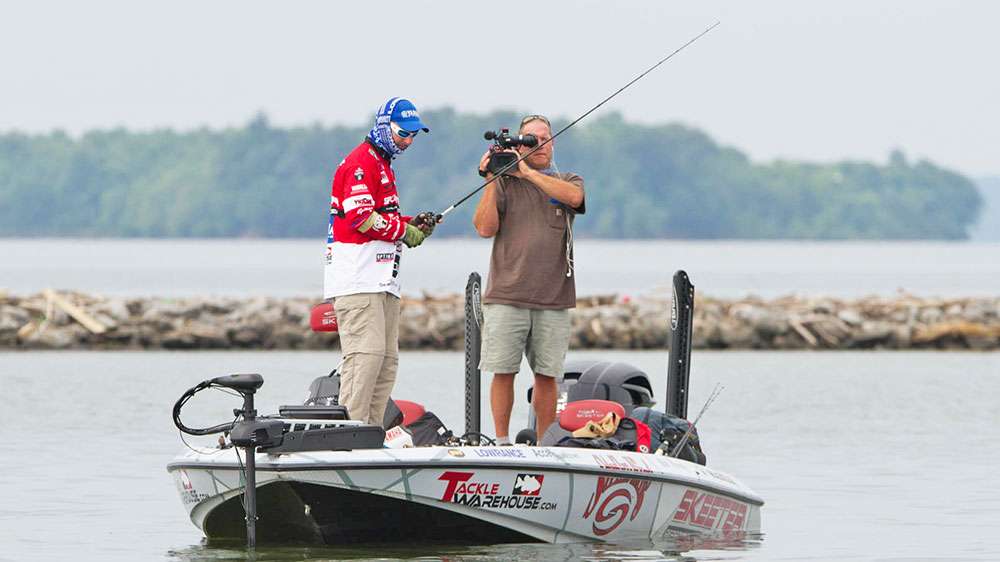
He said bass are still aggressive enough to confront a big bait, which can create an exciting strike. This is when Menendez likes, as he calls it, âstroking a jig.â As the water temps climb to 76 to 80 degrees, itâs time to slow down and go vertical.
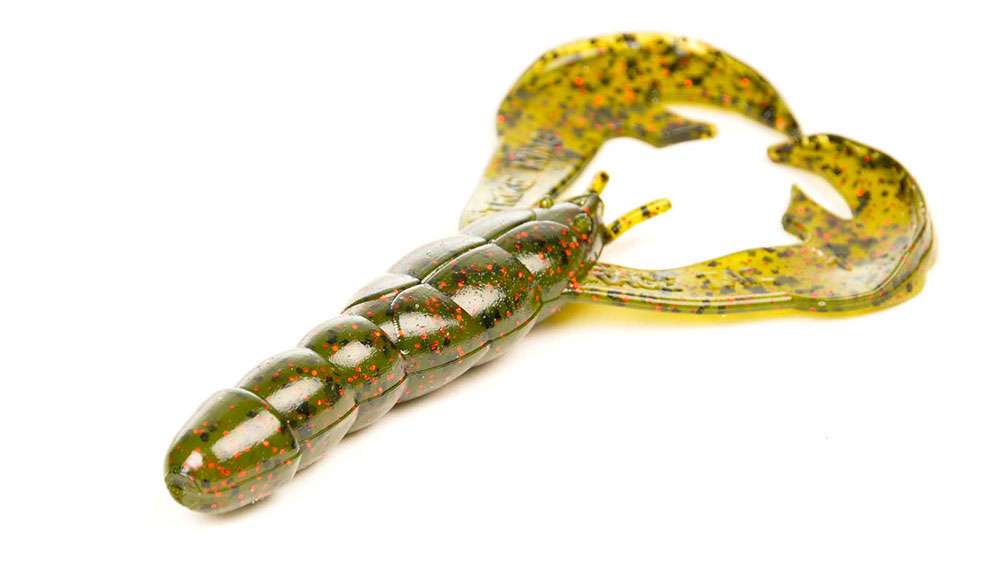
Menendez prefers light line, 10- to 12-pound Seaguar InvizX fluorocarbon, which increases the sink rate, but maintains the kind of strength required to pull big bass from the depths.
He likes a Lewâs 7-foot, 6-inch Magnum Heavy Cover rod paired with Team Lewâs Lite Speed Spool reel in a 7.1:1 gear ratio.
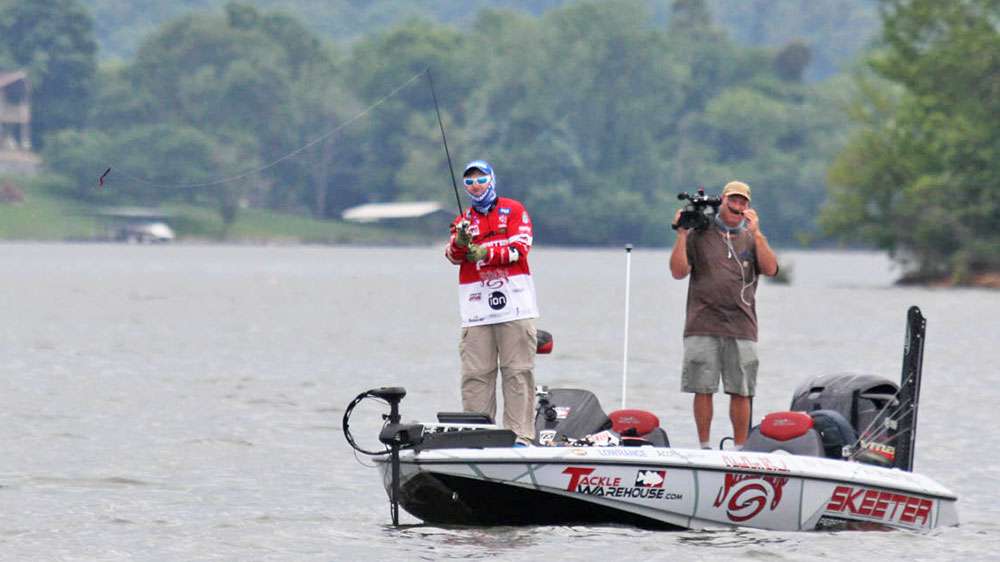
âThe bass have taken up residence in a fish condominium somewhere, and they need added encouragement to step outside and confront an annoying neighbor,â he continued. âThey like to hang out near stumps, beneath brush piles, trees and laydownsâsome form of dense cover. I like to get that big worm inside that cover and force a reaction. Basically, I hang the bait on the cover and lift and drop it six inches at a time.â
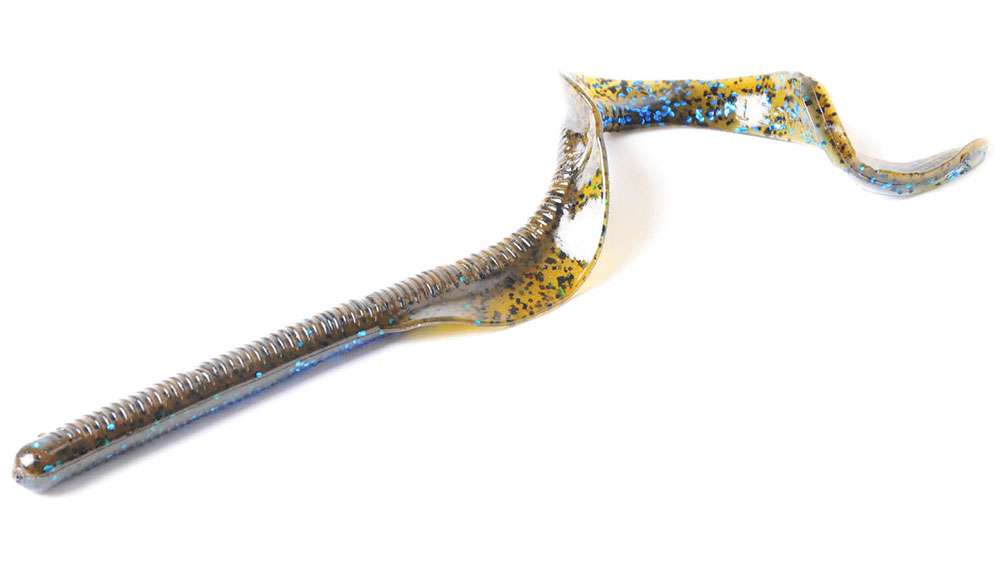
âIn deep water, anything close to the color blue holds to its identity the most,â he said. âI like the exact same rod-and-reel combo that Iâd use for the jig, but Iâll up the line strength to 15- to 17-pound test line.â
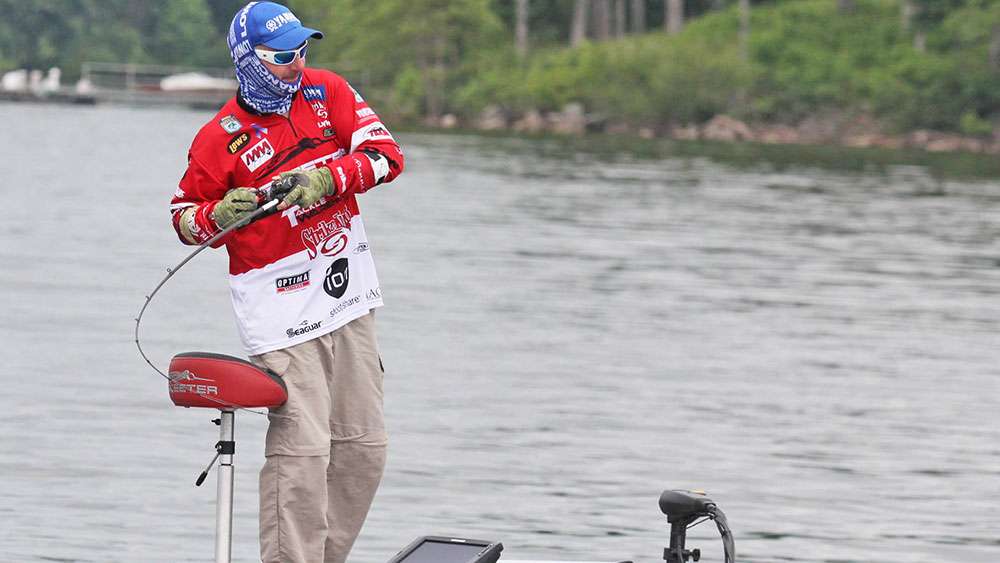
Menendez said that a large heavy swimbait is essential to making long casts and keeping it on the bottom, which is where the bass will be feeding this time of year. As far as the retrieve goes, he said itâs a day-to-day thing.
âSome days the bass seem to want the bait hopped along the bottom, while other days a crawl seems to get the most attention,â he said. âAt this point in the season, the fish have transitioned to the river channels and ledges that have shell beds on them, gravel bars â anything that the bass use to position due to current. They like deep water this time of year. Youâre typically using an open hook, so I like to avoid areas that contain lots of trees and brush.â
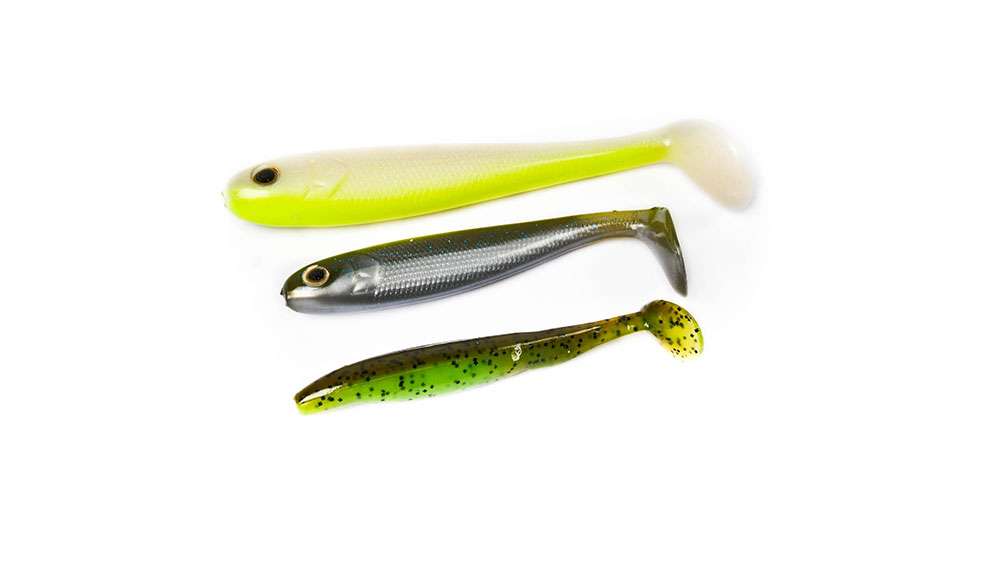
âA big swimbait is the best option when the water is that warm,â he said. âItâs just a great way to catch big summertime bass. I prefer a 7-foot, 11-inch Lewâs Custom Speed Stick matched with a Lewâs SuperDuty Wide Speed Spool reel 6.4:1 loaded with 17-pound Seaguar InvisX. Youâll be making long, long casts and a wide spool will hold a bunch of line allowing for optimum casting distance.â
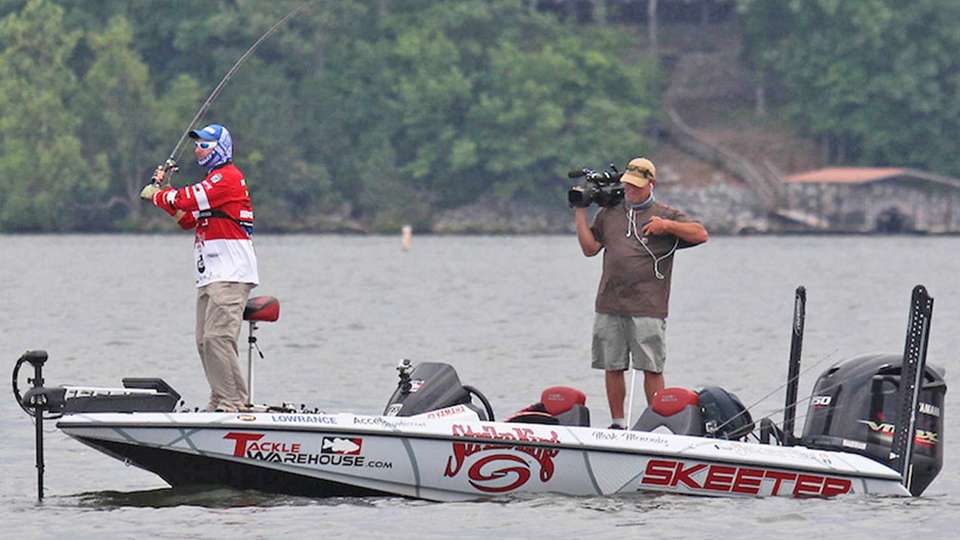
âWhen the water gets still and flat, the oxygen levels often get depleted and the fish seek out portions of the lake with an abundance of oxygen,â Menendez explained. âAt this time, the bass tend to suspend at a level that is even with the nearest breakline, but positioned out from it in open water. For example, if the breakline is in 15 feet of water, the bass will suspend at 15 feet over 30, 40 feet of water, or even deeper.â
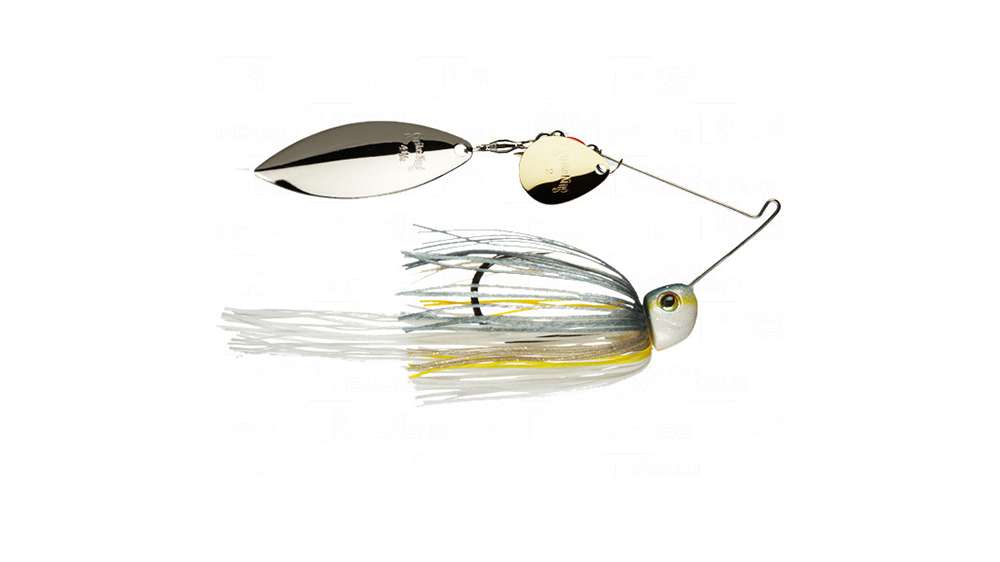
A big, 3/4-ounce spinnerbait really shines according to Menendez. He prefers a Strike King Hack Attack in white, white/chartreuse, sexy shad or blue shad patterns â the bright colors help attract attention in deep water.
Menendez works this presentation much like a Carolina rig with a long rod sweep, then catch back up with the reel. He uses a 7-foot, 3-inch Lewâs Custom Speed Stick, which is a football jig rod, with a moderate action paired with a Lewâs BB1 5.1:1 crankbait reel loaded with 12- to 15-pound line to keep the bait on the bottom until it hits the break. A slower reel with a slow retrieve keeps the bait below the breakline, which is critical to the effectiveness of this presentation.