
Part of natureâs beauty is the uncanny consistency of her creations. But sometimes nature takes a detour from her blueprint. Sometimes abnormalities in body shape, scars, coloration, condition, or markings tell interesting stories about a dimension of bass or the bassâs world that we have never explored. Some are bellwethers of changing water or environmental conditions. Others hint at violent attacks and amazing tales of survival. Yet many remain mysteries for field, lab and even us armchair biologists to ponder and debate.
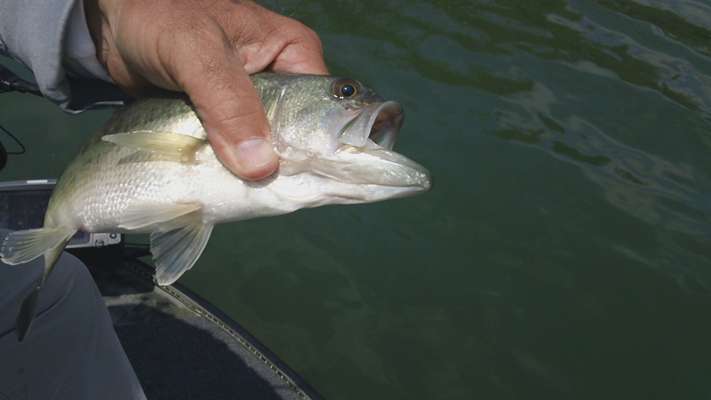
âPopeyeâ bass with a severely shortened maxilla (upper lip) result from a genetic abnormality. Widespread numbers of such defects can occur when such abnormalities go unnoticed in a hatchery.
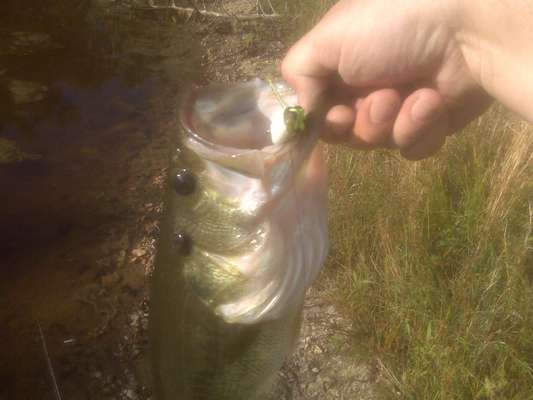
This three-eyed bass, caught from a private pond, is a rare genetic mutant. The eye reacted to touch, but biologists are uncertain if it was a functioning organ.
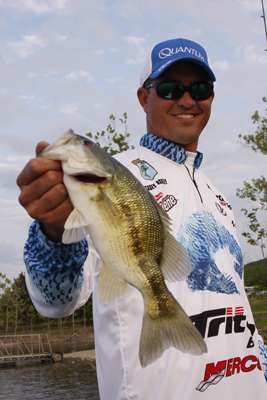
S-curve, humpback and swayback bass generally result from injury in the wild or during hatchery transplant. Here, Elite Series pro Casey Ashley shows off a bass with this type of abnormality.
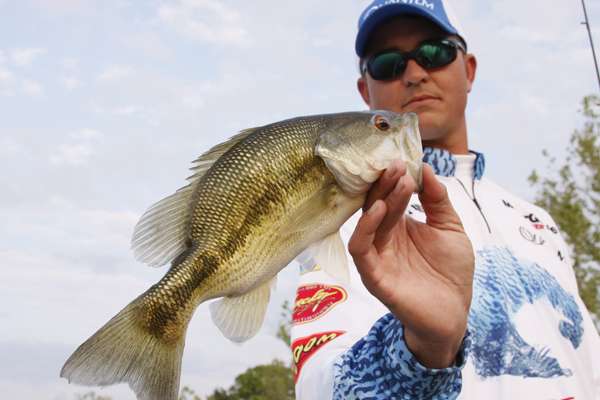
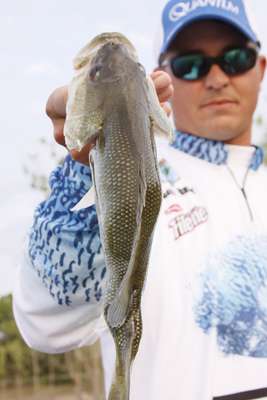
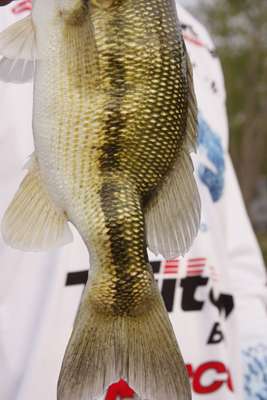
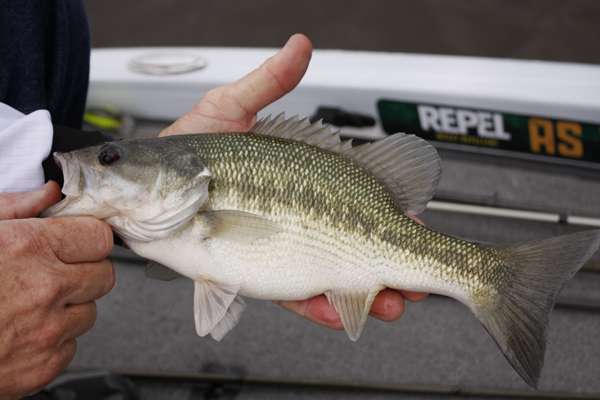
Gary Kleinâs humpback bass was one of multiple bass with spinal deformities caught in April at Table Rock Lake.
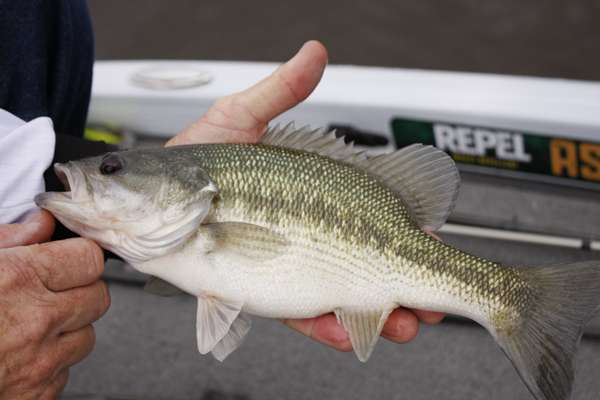
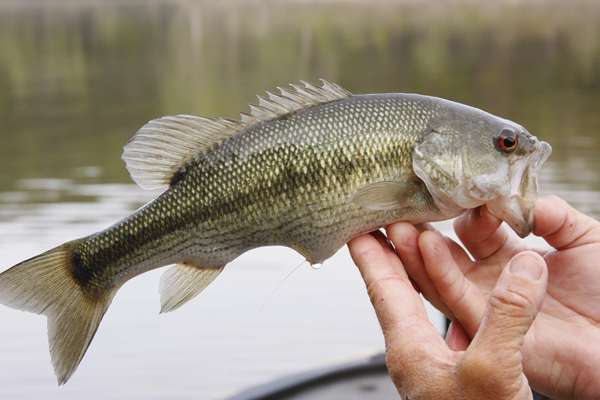
This strange udder-like protuberance displays another manifestation of spinal deformity.
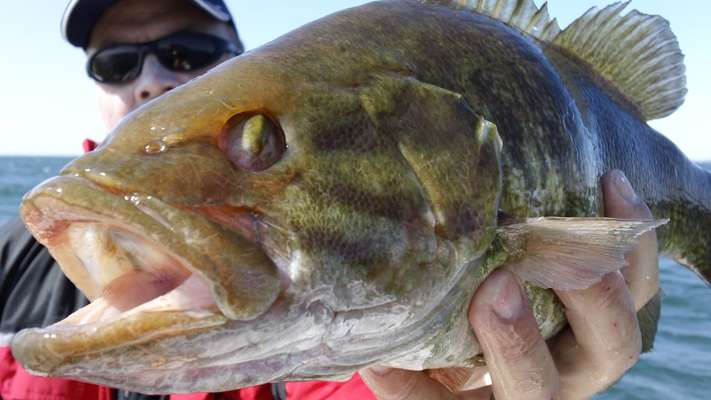
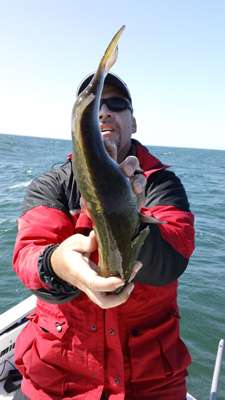
Mark Davis of âBig Water Adventuresâ caught this Lake Erie smallmouth with one blind eye and a spinal deformity. Yet somehow this bass has beaten the odds to reach 4-pound proportions.
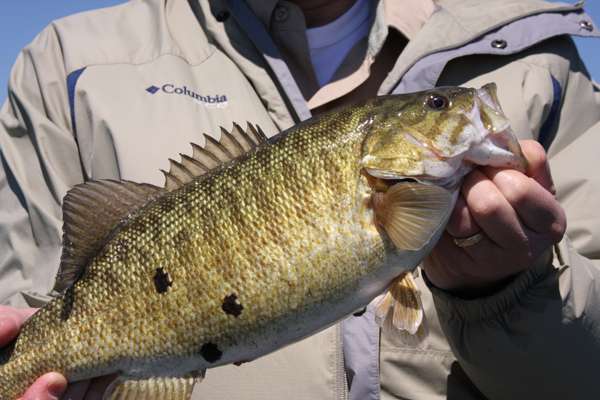
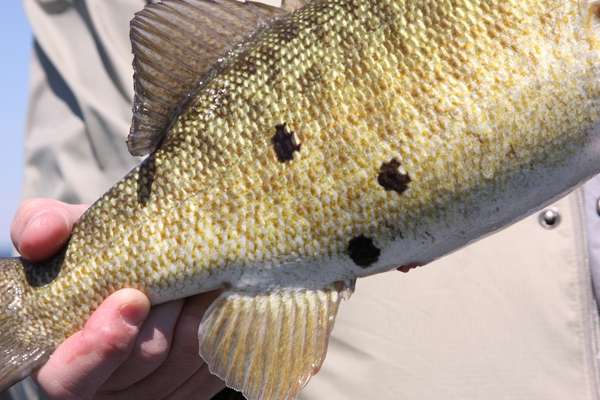
The source of these melanistic blotches remains unclear, but they result from an excess of pigment in certain cells. For reasons unknown, the Great Lakes and other waters with big smallmouth seem to boast more than their share of these pit bull bass.

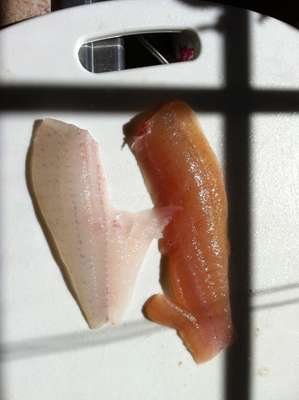
Ever find a bass with salmon-colored flesh? The carotenoids from a heavy diet of 10-year locusts turned this crappie flesh orange, but crustaceans can cause a similar transformation in sunfish family members, including bass.
To see the entire April 2013 issue of Bassmaster Magazine, click here.