
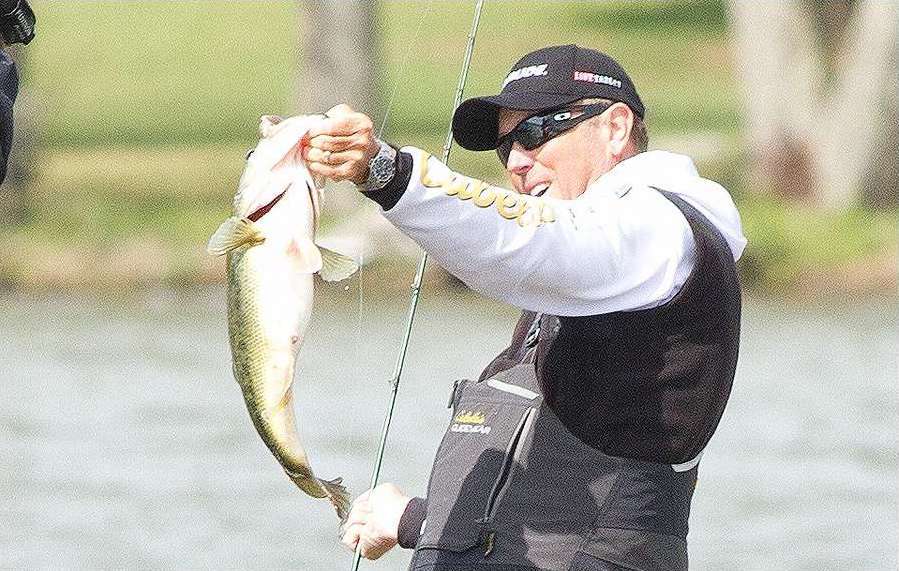
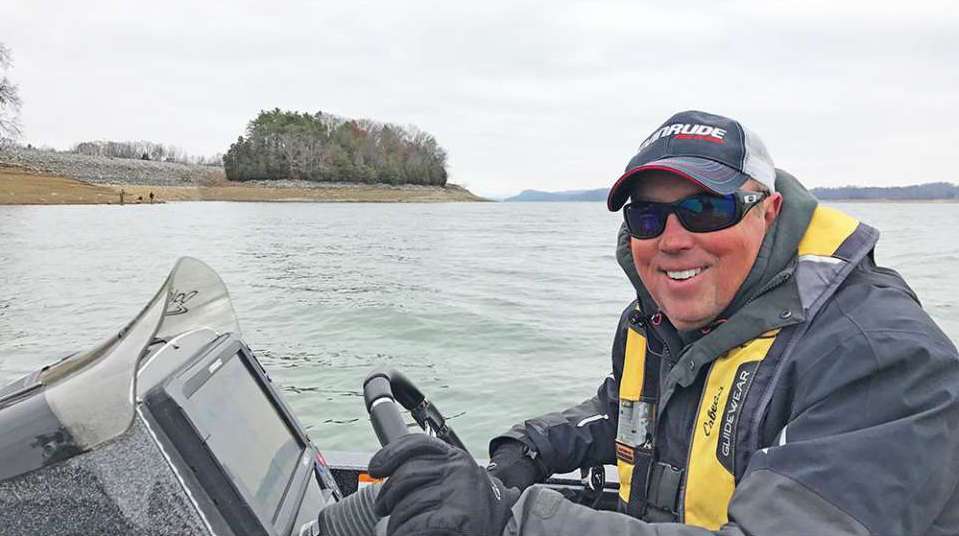
âI fished a lot as a kid. I fished for everything. Nobody in my family tournament fished. When I was 19 or 20, I signed up for a tournament with a guy from work. I had an aluminum boat with a 15-horsepower motor. He didnât have a boat. When youâre working 60 hours a week in a factory, youâll try anything to have something to look forward to. I had three rods and a two-tray tackle box. We never caught a fish. It rained sideways all day. The best thing that happened is that the boat didnât sink. Despite the fact that we did so poorly, I was determined to do it again. I was amazed at the boats that zoomed by us that day. I fished quite a few more years of club stuff.â
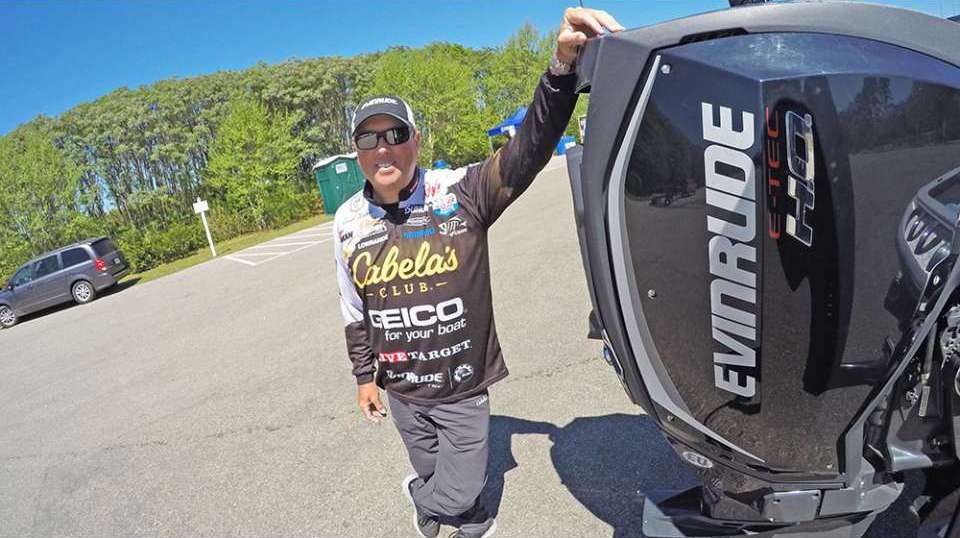
âIâd fished a lot of tournaments by the fall of 1998. I quit my factory job after 15 years and signed up for everything I could in 1999. But I had to win enough money in the first one to pay my deposits for the next one. Thatâs the year I won Angler of the Year (on the FLW Tour) and was on the Wheaties (cereal) box. Iâd put off what I should have done earlier, but I had no other funds besides that factory job to support this bass fishing experiment.â
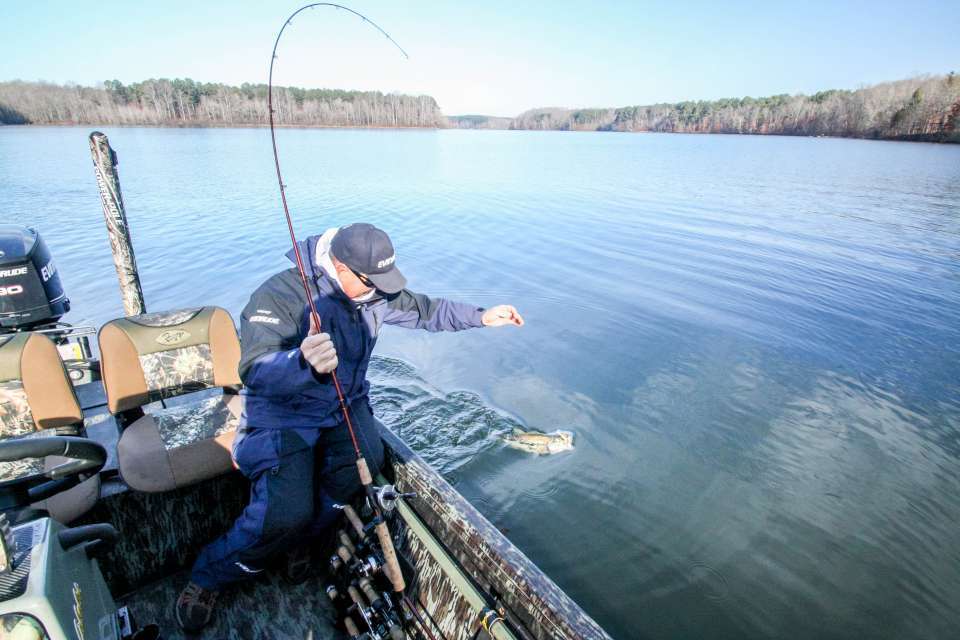
âI finished third in that Classic. On the last day, I was fishing a mat. I caught a huge fish â 5 or 6 pounds, which was big for that tournament. I went to the back of the boat to land it. Every time I reached for the fish, it went the other way. McKinnis told me that after watching that video footage, weâre never going to have nets again. Iâm fine with that, by the way.â
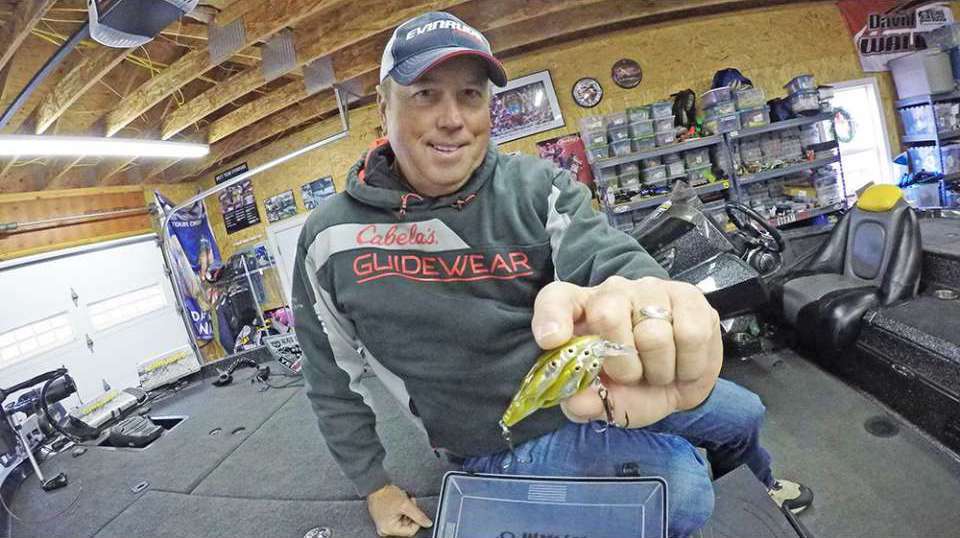
âThe first lures I had success with were jigs. Once you get confidence in something, it tends to be your favorite. I was using jigs to fish the outside edge of grass lines in Michigan. That eventually led to pitching and flipping a jig in shallow cover. As I made the transition from fishing 400-acre lakes to 40,000-acre bodies of water, crankbaits become something I found success with. Jigs and crankbaits are still the lures I like a lot.â
âThe bigger question would be what hasnât changed? Well, the payouts are about the same,â Walker laughed. âBut probably the biggest change has been the amount of knowledge that is available. It wasnât there 20 years ago. The only information you had on techniques was in a monthly magazine or a weekly TV show. Thatâs why the young guys are doing so well today. There are no more specialists, like Rick Clunn with a spinnerbait or Denny Brauer flipping. Iâve got no idea of what these guys under 30 are particularly good at. You look at their front decks, and thereâs a path between two bales of rods with every kind of lure imaginable tied on.â

âI donât know. I told Jerry McKinnis this a long time ago: It seems to be a pattern that the more tournaments you fish, the worse you get. Iâve never seen anybody at the end of their career who was the best theyâve ever been. Just go down the list. I donât know what to attribute that to. I donât know if itâs one thing, or itâs a cocktail of things, where you just get stuck in what you used to do and where youâve fished before. I think you get smarter, but that doesnât seem to translate into better performances.â

âI donât know why that hasnât happened already. Thatâs another thing that puzzles me. I can see why it hasnât happened in other sports, where brute strength is a factor. But thatâs not the case in bass fishing. I think youâll start to see more girls competing because of high school bass fishing. I think girls would be good at it. My daughter, Lilly, I think would be good because of her competitive nature. Iâm not encouraging her to do it, but I wouldnât discourage her either. I donât think a woman in this sport would run up against a barrier.â

(Laughs) âMercer is going to have to find that one out for himself.â