I was born and raised in and around Little Rock, Ark.
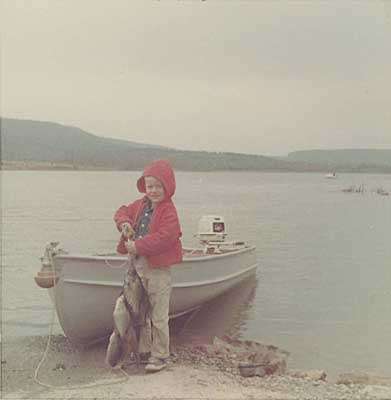
My family always fished. My dad and my brothers [two older and one younger] all loved to fish, and I fit right in. We fished everywhere in Arkansas. As soon as I could walk and get outside, I was fishing. When I was very small, my dad warned my mom that when I left the house, I needed to be wearing a life jacket because I was going to the pond.
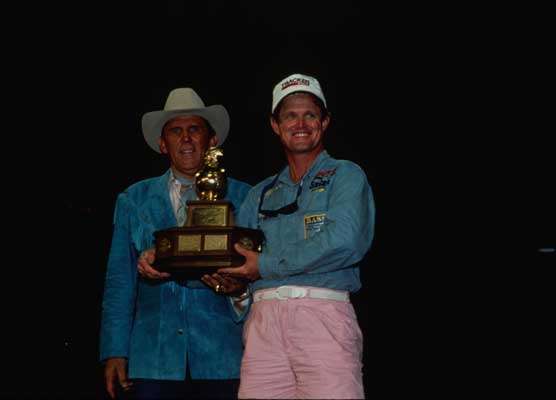
My father was definitely my earliest fishing hero. He could catch anything and everything. When I started fishing tournaments, I was in awe of Rick Clunn because he seemed to do things differently. Later, once I started fishing against him in tournaments, I’d run into him on the water because our styles are similar.
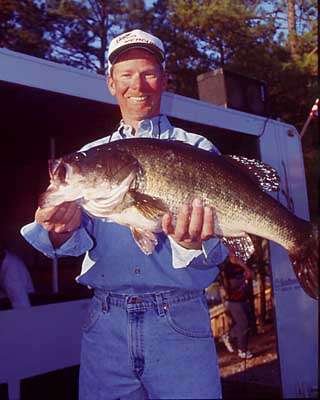
She weighed 10.22 pounds and came from Lake Ouachita in February of 2000 on a Norman Deep Little N. It’s still the biggest bass ever weighed in during a Mr. Bass of Arkansas tournament. I won the tournament and had big bass, but I wasn’t in the big bass pot. That cost me several hundred dollars!
Every day is different. I’ve never been very good at working a job where I had to do the same thing every day.
Rick Pierce of Bass Cat Boats. Even before my association with Bass Cat, we always had a friendly relationship with lots of good conversation. He was a big help in my developing an understanding of the boating and fishing industry and how they work.
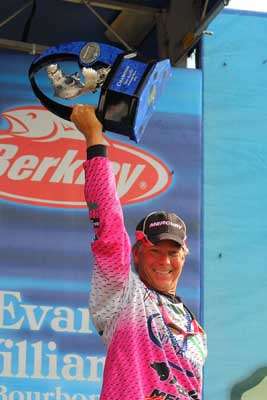
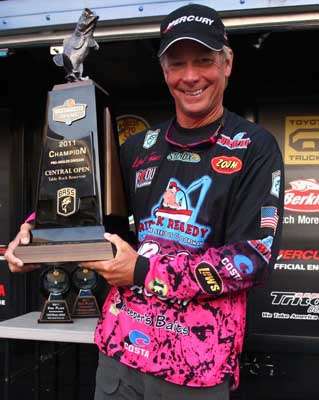
I won my first Elite Series tournament in 2009. That night, when Kerry and I got back to the camper, I set the trophy on our dining table â it was the only place big enough to hold it. I woke up in the middle of the night and could just see the trophy from our bed. I thought, “Wow, I actually did it! I can compete at this level.”
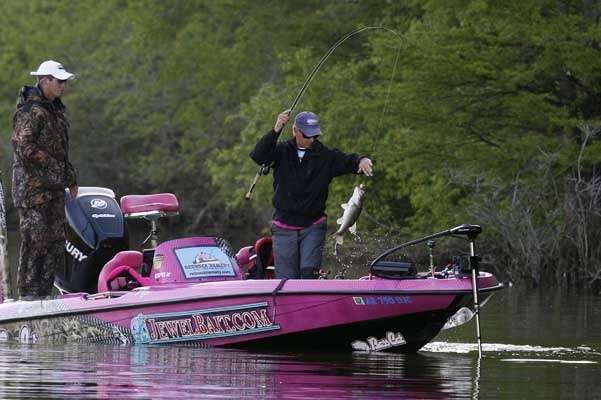
It would have to be watching the sales of WEC E1 crankbaits go from next-to-nothing to off the chart after I won that Elite Series event in 2009. When you see what a big tournament win can do for your sponsors and the products you use, it’s impressive.
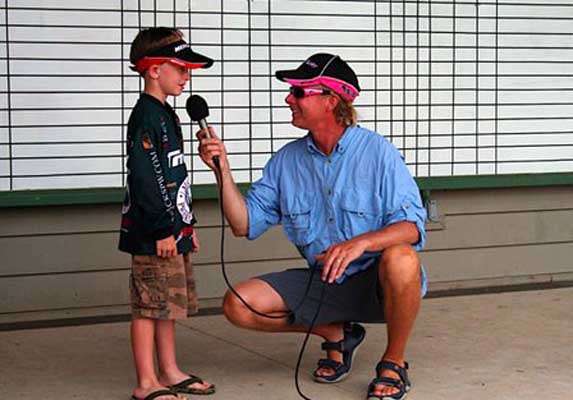
A lot of tournament organizations are working hard to make the sport more accessible and appealing to the youth through college and even high school programs. That bodes well for the future both from a tournament perspective and the fact that more young people are being exposed to fishing. We still need a new vision, though, to open it up to the world.
From a tournament perspective, the sport is still all about the weigh-in, but the real climax of a tournament day happens out on the water. We need to convey that. On the business side of things, we tend to glorify ultra high-end products, but that’s not where most of the market is.
The financial side of things has always been a struggle. I’m still working on that. Dealing with the mental aspects of the financial struggle can weigh on you, too. When you go out there knowing you have to catch them to get a check, it can affect you negatively. You need to be able to focus on fishing rather than on finances.
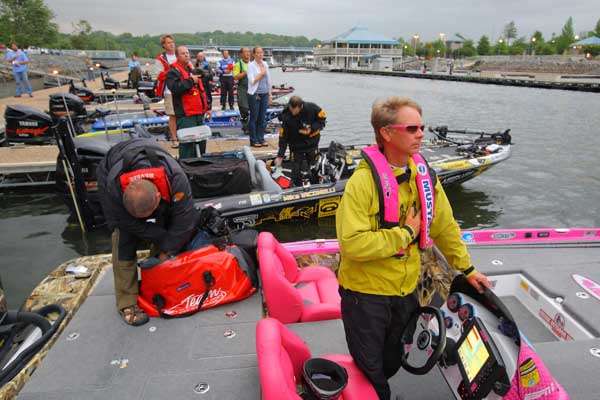
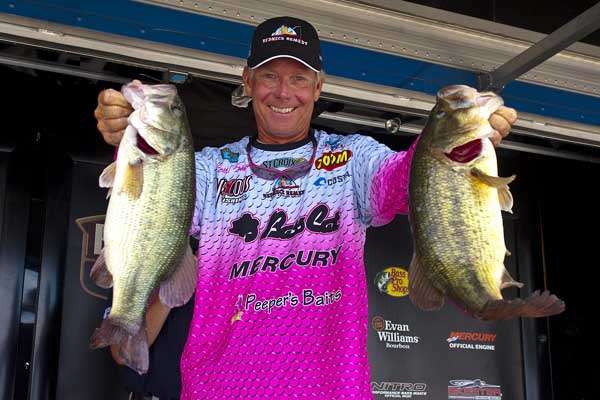
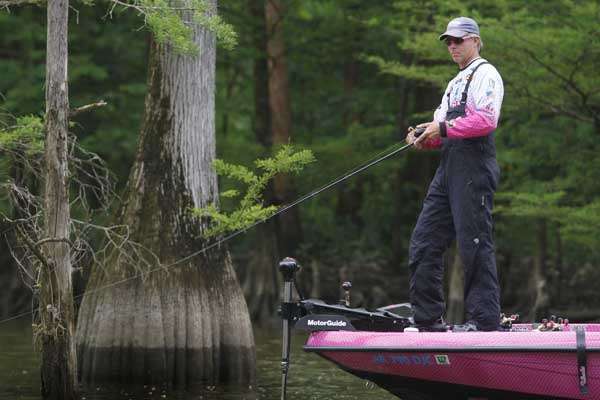
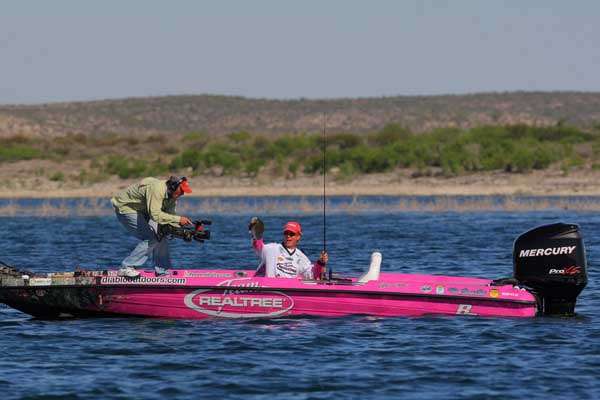
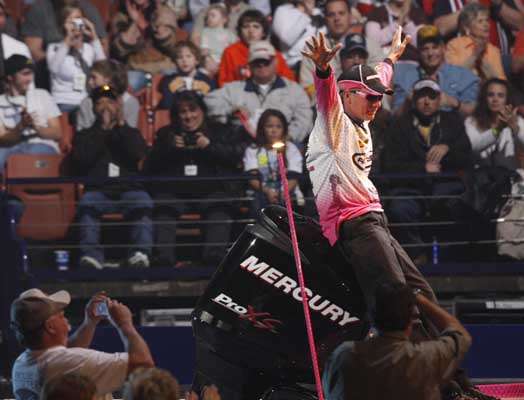
A lot of people think I wear pink and that my boat and equipment are pink in memory of my daughter, Michelle [killed in an automobile accident in 2004 at the age of 19], but that’s not true. Pink was a marketing decision I made. It’s about standing out and being brave enough to wear that color when no one else will do it. It started back when I worked for Farm Bureau and would occasionally wear a pink shirt that got a lot of attention and comments.
Early in my career I had a big contract with a major company, and I trusted them to be as good as their word. They weren’t, and I never got paid a dime. I chased after that money for a while, but learned a valuable lesson about the business side of this business. I’ll never make that mistake again.
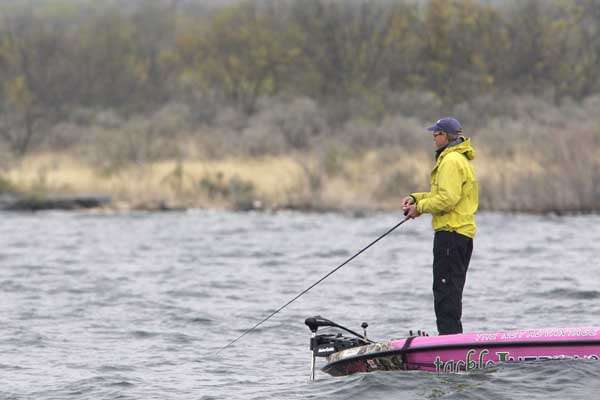
Rick Clunn once said the easiest tournaments to win are the tough tournaments â at the first take-off, half the field is already done because they’ve taken themselves out mentally. That stuck with me.
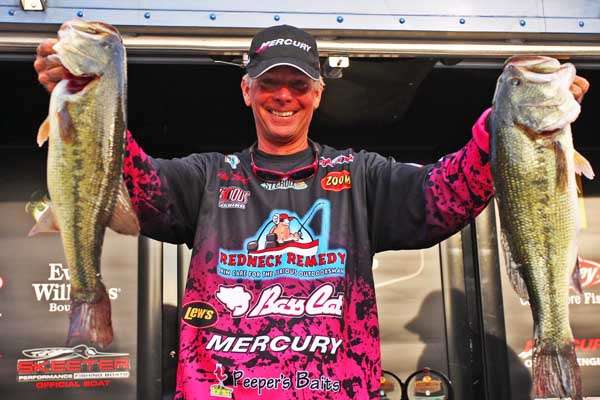
The inside of this business [professional fishing] doesn’t look anything like the outside. Once you get into the game at the top level, it doesn’t look anything like it does on TV or in the magazines. It’s both 100 times worse and 100 times better than that. The fans see the good stuff â the trophies and the big fish and the prize money. They don’t see the weeks you spend away from your home and your family, all the miles on the road, all the money we spend to play at the Elite level. Those were the most eye-opening things for me.
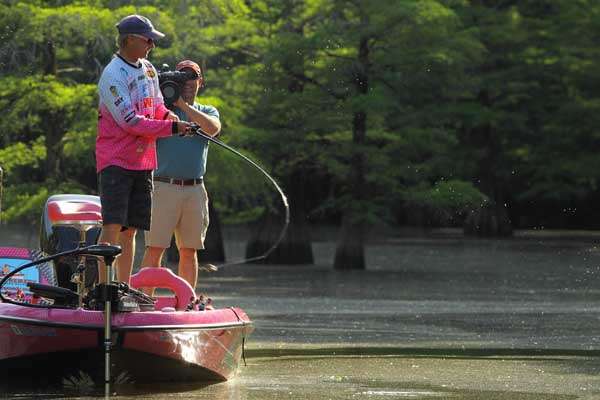
The ability to fish my butt off when I need to. When the going gets tough, that’s when I get going.
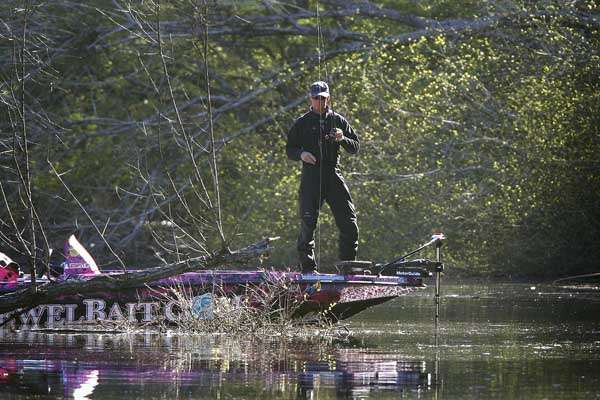
Consistency â it always has been. All the way back to when I started fishing tournaments seriously in 1995, I’m either a hero or a zero.
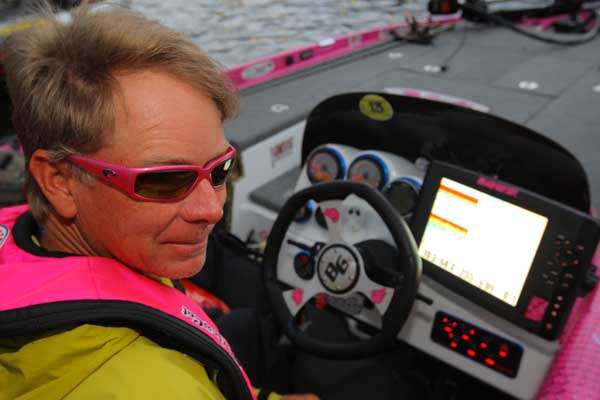
[Laughing] “Dude, what’s with the pink?!”
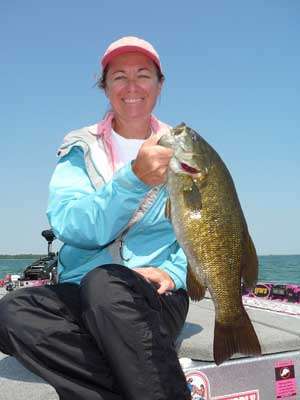
Bass fishing! After Green Bay [2012 Elite event on Lake Michigan], my wife and I went to Big Bay de Noc and caught smallmouth bass until our arms hurt. Kerry’s the only person I know who can have more fun catching bass than me. Bay de Noc’s our favorite fishing spot. I’d rather go there and watch her catch fish than go to Falcon Lake and catch giants all day long for myself.
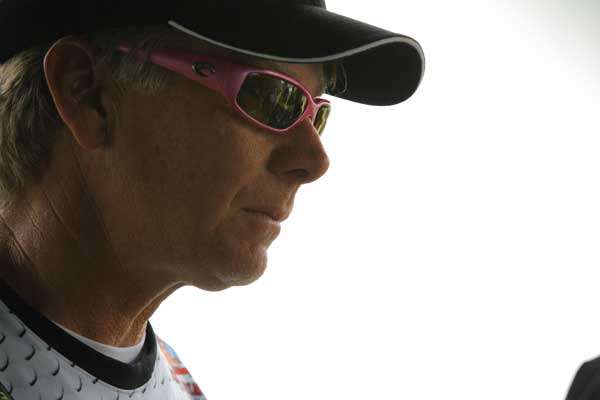
I want them to remember that when they were playing Fantasy Fishing and a tough tournament was coming up, Kevin Short was the first guy they put on their roster.
Originally published October 2012