I was born in W.W. Hastings Hospital in Tahlequah, Oklahoma. It’s run by the Cherokee Nation. I’ve lived within about 20 minutes of there my entire life.
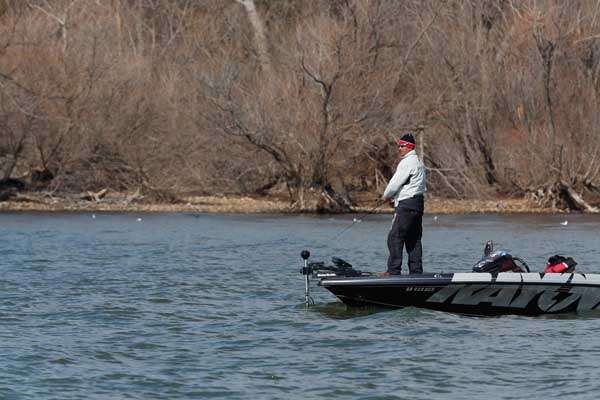
Fishing has always been a family thing for us. My dad fished, and he had five brothers who all fished. When my dad was too busy to take me, one of my uncles would take me. It seems like I was always fishing or deer hunting.
I was probably four or five years old. I remember that I was fishing in a pond and using cut bait for catfish, but I caught a 2- or 3-pound bass. Right away I went from being a bobber watcher to casting and covering water with a Beetle Spin. That one fish got me pointed in the right direction.
Of course, that would be my dad and my uncles; I really looked up to them. On television, I remember watching Larry Nixon, Mark Davis, David Fritts and Denny Brauer. I remember watching Brauer flippin’ and pitching and Fritts throw a crankbait. Nixon and Davis did everything. I learned a lot from all of them.
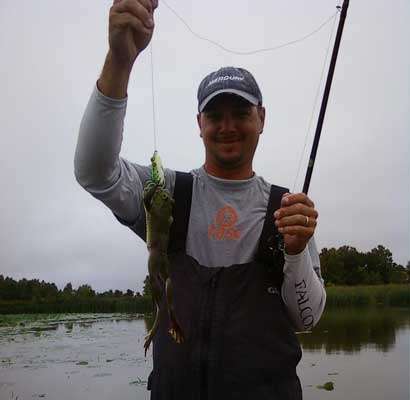
I’ve caught four that weighed around 10 pounds, but I never weighed any of them. I usually don’t carry a set of scales with me when I’m fishing.
I’ve never done particularly well in Florida tournaments, but I think fishing there is very exciting. There’s all kinds of cover to flip, and I love flippin’, plus you never know if that next bite will come from a 1-pounder or a 10-pounder.
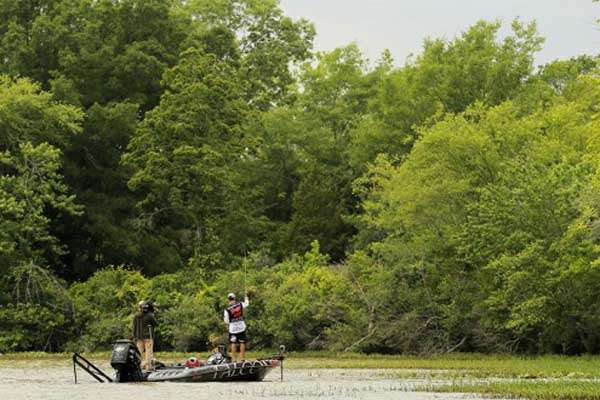
We’re getting kids involved early. The high school and college programs are the biggest positives right now. We’re doing a good job there, but there’s always room for improvement. Ultimately, all you have to do to get a kid interested in fishing is take him out on the water, put a rod and reel in his hands and let him catch a fish. If you can do that, he’ll want to go again.
We create the impression that it’s really expensive to catch a bass â with our big boats and motors and state-of-the-art rods, reels and lures â but it doesn’t have to be that way. You don’t need a lot of money to catch fish. I started bass fishing out of a Water Scamp and probably caught more bass from it over the years than any other individual boat I’ve ever had.
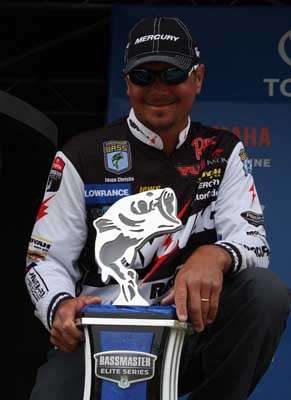
My biggest challenge was financial. For the first three years of my career, I paid 100 percent of my entry fees and expenses out of my own pocket. At just about every tournament I went to, I knew that if I didn’t catch ’em it might be my last event. I could never put myself through that again.
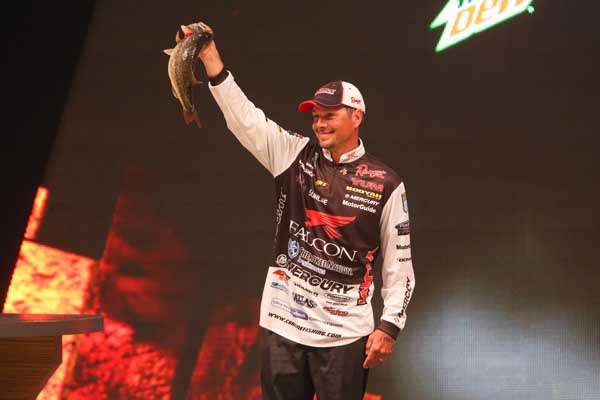
Some people seem to think that the only way I can be successful catching bass is by flippin’ or throwing a spinnerbait. It’s true that I tend to win that way, but I’m a pretty versatile angler and will do whatever it takes to be competitive.
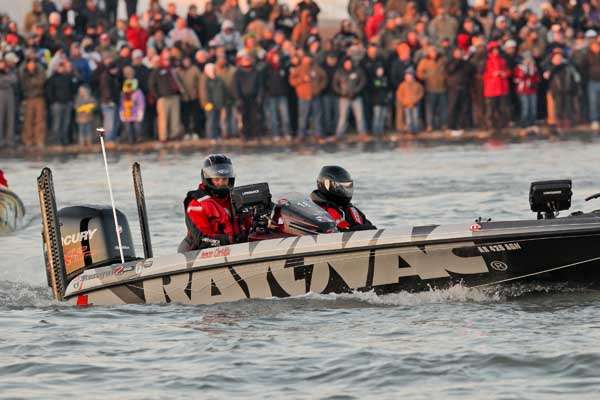
I’d really hate to change anything because if you do that you might affect other aspects of your life in ways you couldn’t anticipate, but if I had it to do over I would have started my career as a pro angler sooner. I quit my job when I was 33 years old, and wish I had done it in my mid 20s.
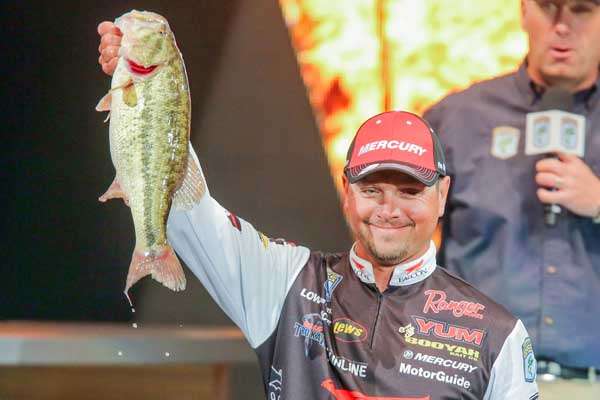
I think it was Larry Nixon who told me to just be myself â as a person and as an angler. He said, “Do what you know how to do and you’ll be fine.”
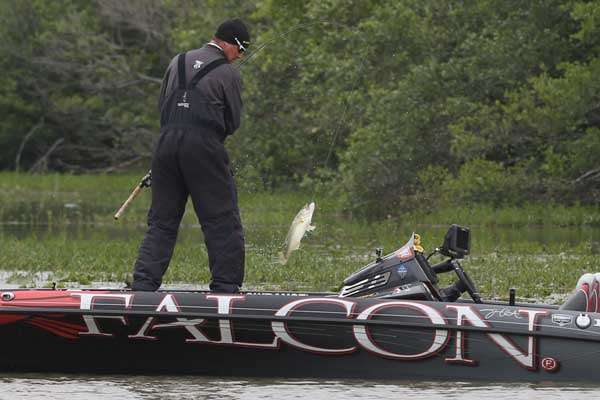
A tournament is usually an eight-hour day, and the last five minutes are just as important as the first five. Early in my career, if things didn’t go right early, some self-doubts would creep in and derail me for the whole day. In the last few years, I’ve learned to resist that. Good things can happen quickly and at any time, but you need to be ready to take advantage of them.
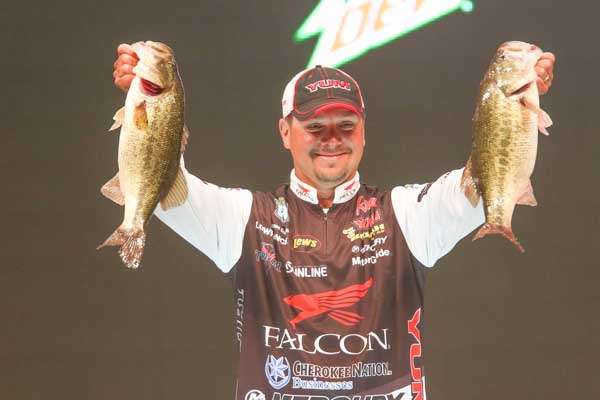
I think it’s two things. First, I’m pretty versatile. Second, I understand my strengths. If I can fish my strengths, that’s what I’m going to do. It gives me the best chance to win.
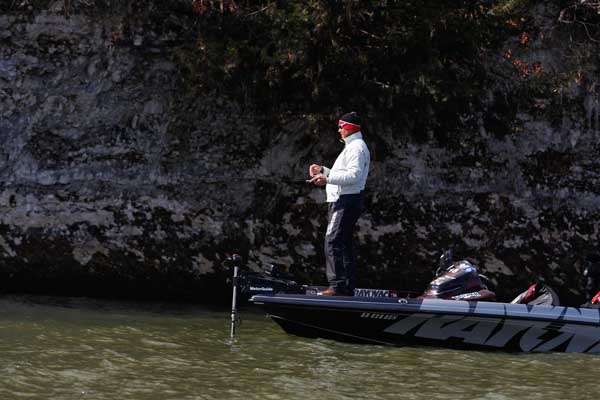
Fishing in a crowd spins me out. I can’t stand to be fishing around other people … especially if they’re catching fish and I’m not.
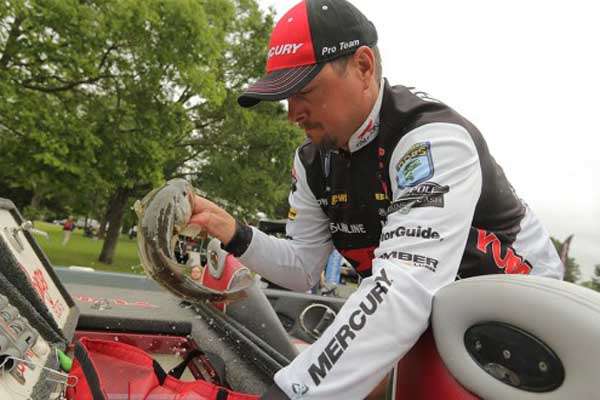
“How do I become a pro fisherman?” The best answer to that question is probably to tell them to quit their job and start fishing tournaments. Then you’re a pro fisherman, and you have to catch ’em to eat! Usually, though, I tell them to start small and work their way up. I started by fishing lots of local events. Then I went to regional tournaments and then Opens before finally qualifying to fish at the Tour level. You need to find success at each stage before going to the next. I see a lot of guys trying to advance too fast, and pretty soon they just give up.
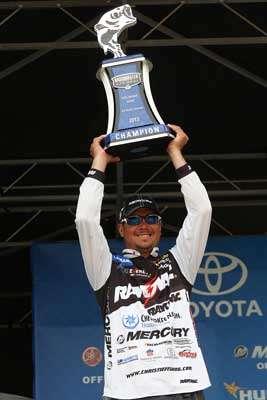
Not really, but I do have a tradition with my three daughters. Every year before the season starts, I ask them each to give me something small that I can carry on my person when I’m on the water. I always have those things with me. Last season (2013) was so good that I asked my sister to put the items into a charm that I can wear on a necklace, so I still carry last year’s items, plus new ones for 2014.
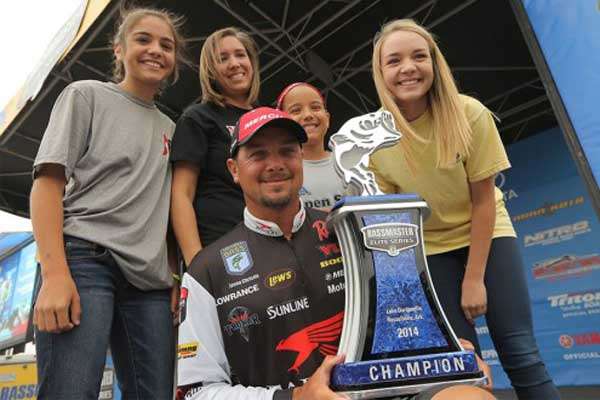
My girls are very involved in all kinds of athletics, so that keeps me and my wife pretty busy. I also enjoy deer hunting. I do a lot of thinking about my fishing while in a deer stand. It lets me clear my head.
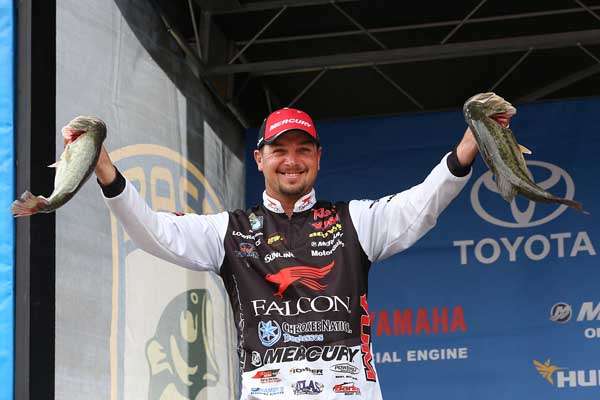
I’d take AOY â absolutely. Three or four years ago, I would have said the Bassmaster Classic, but when you’re up against the quality of anglers in the Elite Series, to be the best for an entire year is amazing.
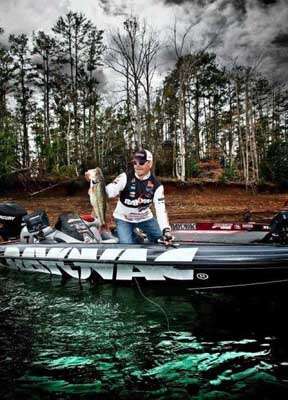
I’d like to be remembered as a good guy who had the respect of his fellow competitors and who could catch a bass now and then.