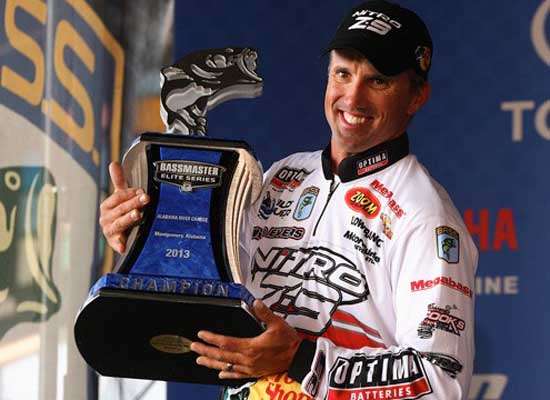
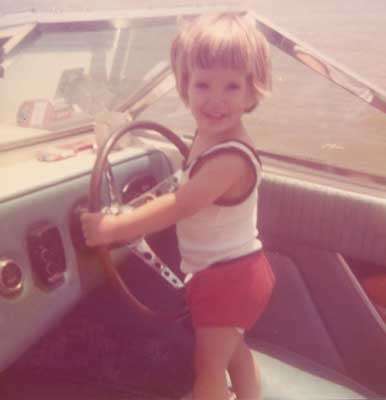
I was born in Louisiana, Mo., about an hour north of St. Louis. I lived there until my family moved to Texas when I was in the fifth or sixth grade. Then I went to high school in Illinois and college in Oklahoma. I’ve been here in Oklahoma ever since.
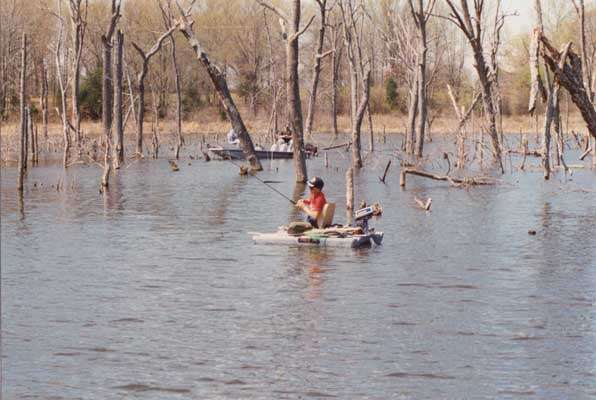
When I was a kid, I was eaten up with fishing. My dad worked in the packaging industry and did a lot with Styrofoam. He didn’t really fish, but a man named Gary Powell came to him with the idea of making small Styrofoam boats. I did some of my earliest fishing out of those boats, and Gary Powell was one of my first fishing teachers.
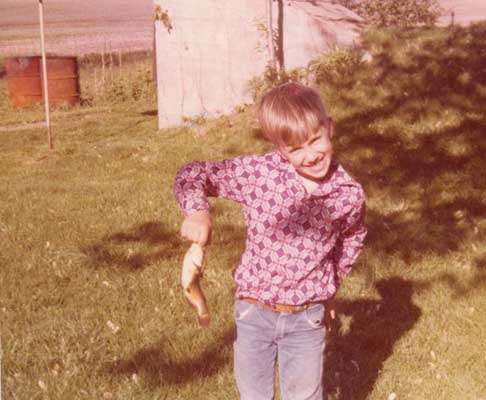
I must have been about five years old when I caught a mud cat and a crappie out of a slough on the Mississippi River. I was fishing with my mom and caught both fish on a Snoopy pole.
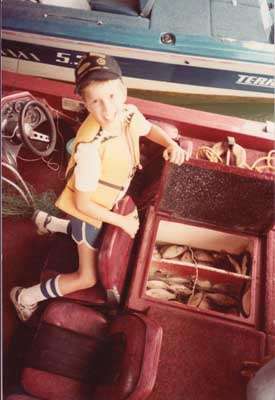
When I was in the fifth grade and living in Eldorado Springs, Mo., I asked for a guided fishing trip on Stockton Lake. A guide named Pete took me out in his red bass boat, and I caught a bass on a buzzbait. That was a thrill!
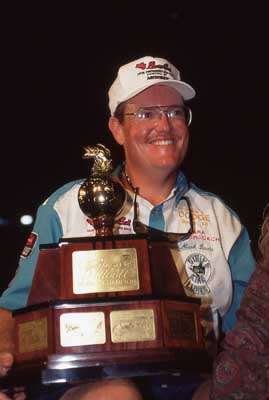
It would have to be Rick Clunn and Mark Davis. Rick Clunn … well, he’s Rick Clunn! And Mark Davis seemed to be winning everything when I was younger â the Bassmaster Classic, Angler of the Year â and he’s such a good person.
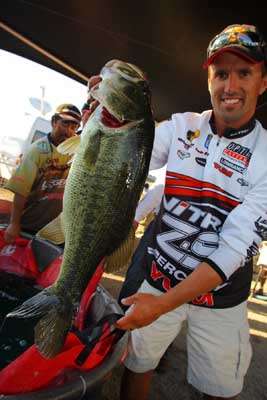
I’ve caught six or seven 10-pound largemouths, including at least three that weighed 10 pounds, 9 ounces â one on Lake Amistad, one on Falcon Lake and one in Florida.
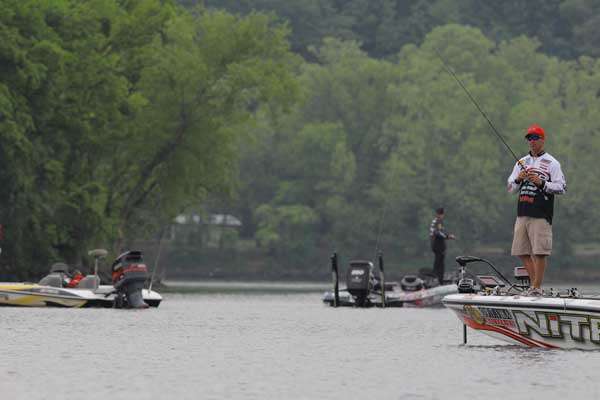
I love being outdoors. It’s a struggle for me stay inside. I wish I had a giant photo album of all the amazing things I’ve seen in the outdoors.
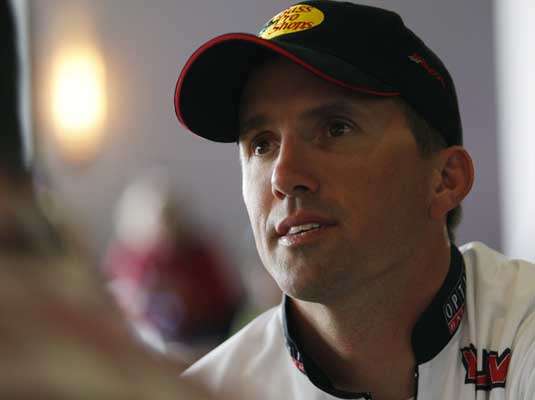
I still love floating the streams in southern Missouri in a canoe and using ultralight tackle. To me, that’s about the most fun you can have while fishing. The scenery is amazing, and the fishing’s just as good.
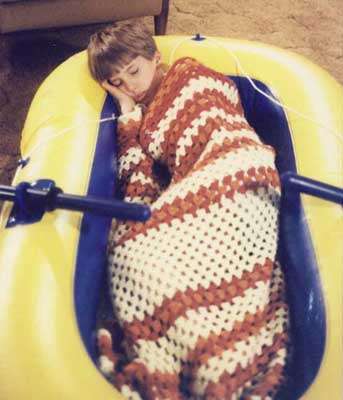
That would have to be my dad â Ed Evers. He didn’t really fish or know much about it, but he found ways to take me fishing. I’d fish and he’d sleep or read the newspaper. He introduced me to people who knew about fishing and could teach me. When I was trying to make it as a bass pro and was struggling and broke, he’d find a job for me so I could keep going. He made all the difference in the world.
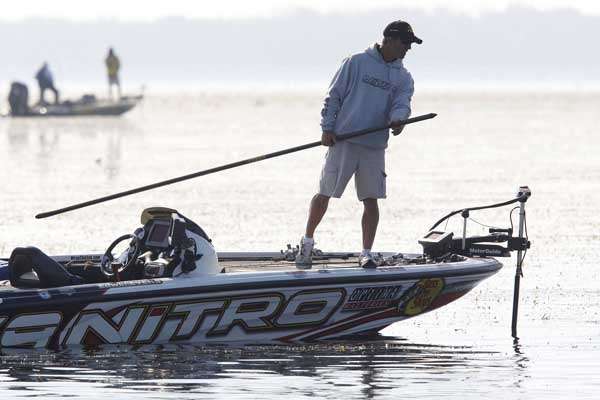
We’re conserving the resource pretty well, and that’s obviously very important. There are also a lot of kids who are eaten up with fishing today, just like I was when I was young. New anglers are coming into the sport every day, and it’s great to see that.
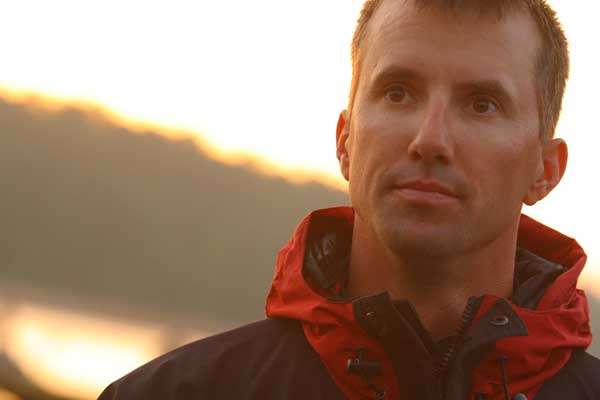
Getting started was extremely difficult. I don’t think people realize how tough it is to break through in this sport. I lived in my truck until I graduated to a pop-up camper that leaked in all four corners. I spent months and months in that thing. For years I practically starved to death. Getting started requires a tremendous number of sacrifices. For me it’s been worth it, though.
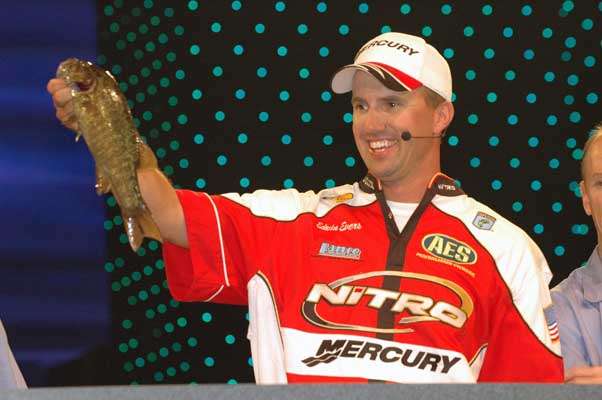
I’d like to have Day 2 of the 2005 Bassmaster Classic on Three Rivers over. I caught one bass that day and lost three or four good ones. In the final round, I had the biggest catch of the day on just four bass, and I missed winning the tournament by 1-12.
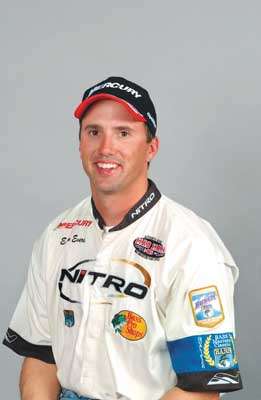
I’m not sure about the best advice, but I’ll never forget something that George Cochran said to me at the 2000 Bassmaster Classic. It was my first Classic, and I was sitting next to him at lunch one day before the tournament started. He told me that qualifying for my second Classic would be the toughest. He was right, too. I missed the Classic in 2001 and made it to my second in 2002.
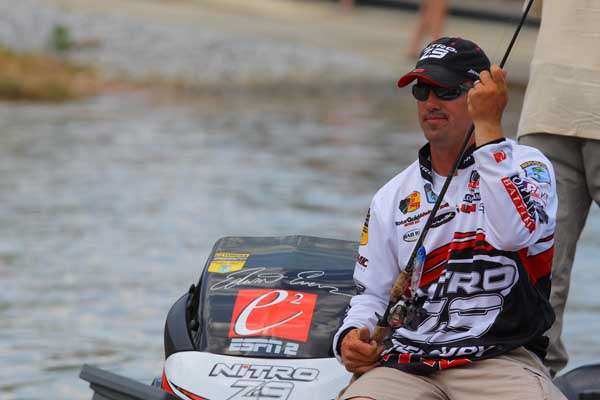
There are no shortcuts. You’ve got to do things the right way. I’ve learned that I’ve got to figure things out for myself in practice if I want to succeed at the highest level. And I’ve learned that the three practice days we get for an Elite tournament are enough … if I use them right. I’ve also learned that I have to turn a deaf ear to all the talk about who’s catching them and where and on what. I have to fish the current conditions and not fish for the bass that other guys are catching or that were being caught a week ago or last year. Outside sources can help you to some good finishes, but most of my wins have come on waters I’ve never seen before and on fish I found by myself.
It would have to be versatility. You’ll see some guys who are a little one-dimensional have some success and maybe even win a tournament or two, but versatility keeps you in the hunt all year long and helps to hold off the slumps that can hurt you as a professional angler.
For the past four or five years my hookup-to-landing ratio hasn’t been where I’d like to see it. Sometimes I think I need to get twice as many bites as other guys just to catch as many fish. It’s something I’m working on.
The question is “How do you get to be a pro angler?” and I always tell them they should join a club and fish as a non-boater or co-angler for a while â or come be a Marshal at an Elite event and watch what these guys do. Use your tournament money to create a learning experience, and don’t compare yourself to other anglers. In the beginning, you’re there to learn not to win money. As you see yourself progressing, move to the front of the boat and get more tournament experience.
They do the same things over and over even when the fish are doing something different. Also, they don’t pay enough attention to their electronics.
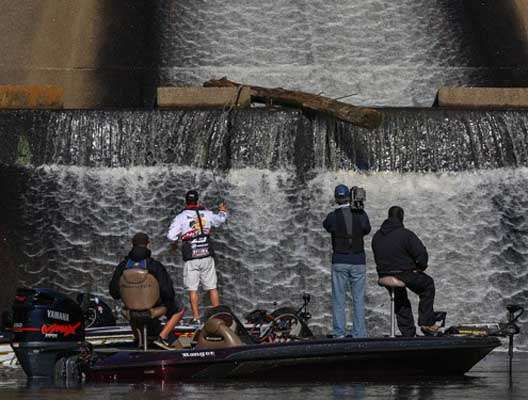
It would probably be a jig. You can do a lot with a jig. It’s an extremely versatile bait that you can crawl on the bottom or swim near the top and fish just about anywhere in between. For the pure joy of fishing, though, I love to fish topwater baits.
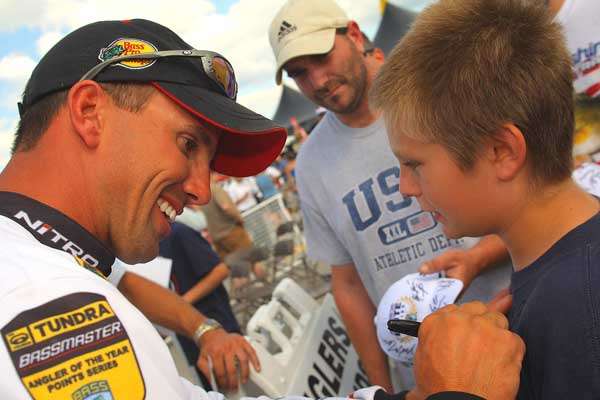
I’d like them to know that I did things the right way and that I played by the rules. I have a tremendous respect for the sport that I hope comes through in the way I approach it.