I was born in Detroit, Mich., and was raised just outside of Detroit.
Iâm not really sure. My dad and uncles fished some; they all introduced me to the basics of fishing, but by no means were we a big fishing family. I am mostly self-taught in bass fishing. So, I really have no idea where this fishing gene came from.
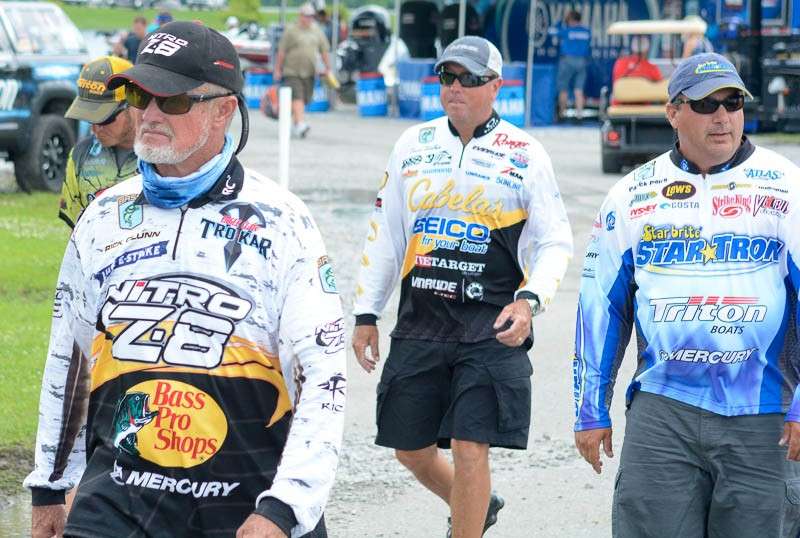
Rick Clunn (left), Larry Nixon and Guido Hibdon
Probably my uncles and my dad. They hunted more than they fished. And they did not tournament fish at all so when I say fishing, I mean fishing for whatever was in season at the time. But they were big influences in getting me started.
I never had that sudden eureka moment that I wanted to fish professionally. The day after I graduated from high school, I started working in a factory for $275 a week. My goal was not to work a punch press for the rest of my life. In my late 20âs I began flirting with the idea of making enough money fishing tournaments so I didnât have to work in a factory anymore. And it evolved from there.
In 1999, I fished both the FLW Tour and the B.A.S.S. Invitationals. I won the Angler of the Year on the FLW Tour, which landed me on the Wheaties box, and I qualified for the B.A.S.S. Top 150âs. After that, I figured I was not going to have to return to the factory for a while. To me that was âmaking itâ in professional fishing.
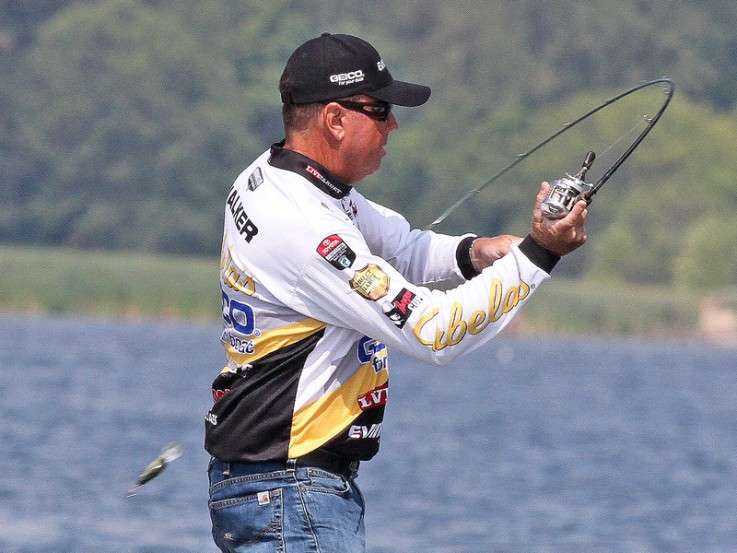
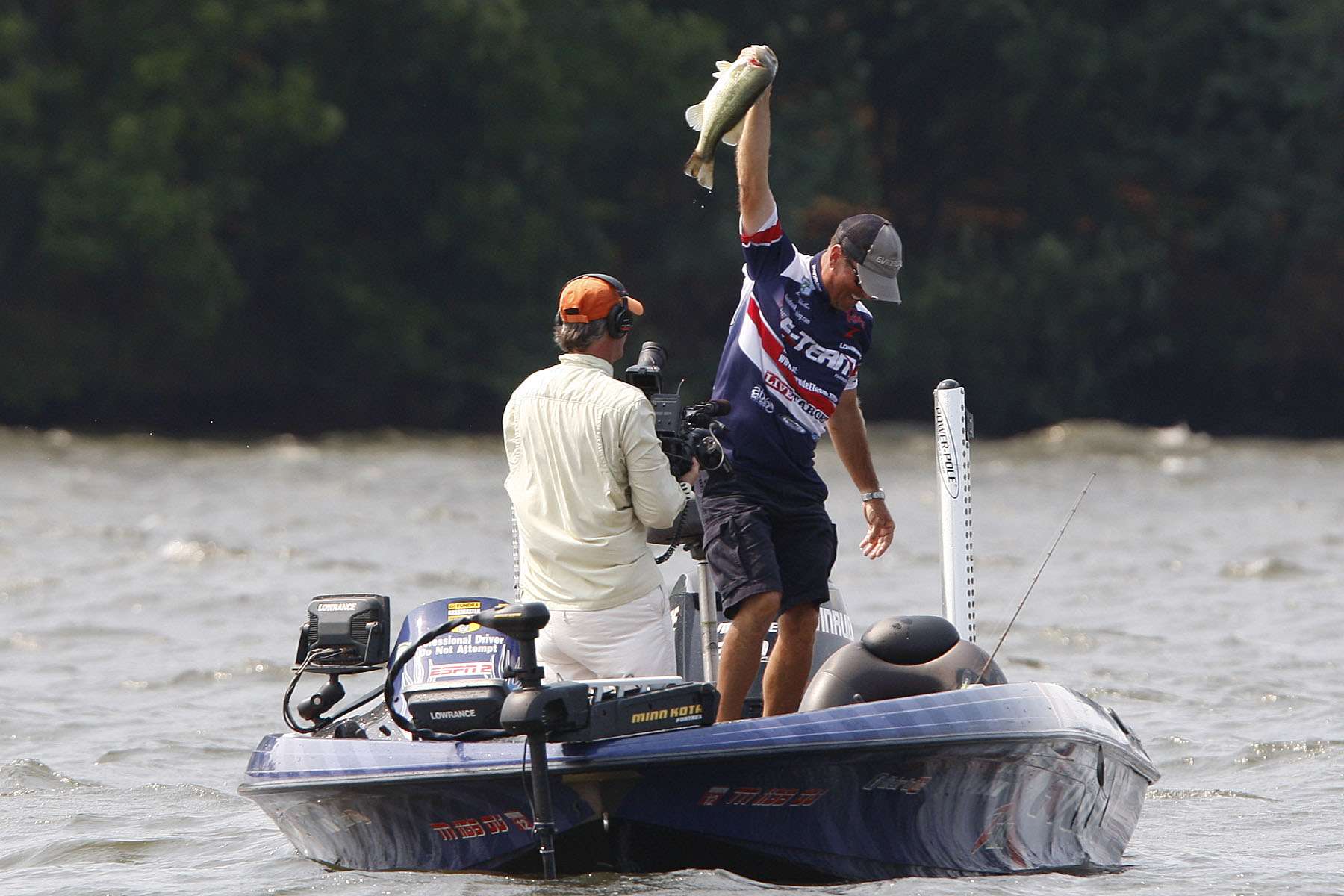
A 12-2 on Lake Toho in January of 2001 in that freakish B.A.S.S. Top 150 that Dean Rojas won when he broke the record for the heaviest five-bass limit in B.A.S.S. history.
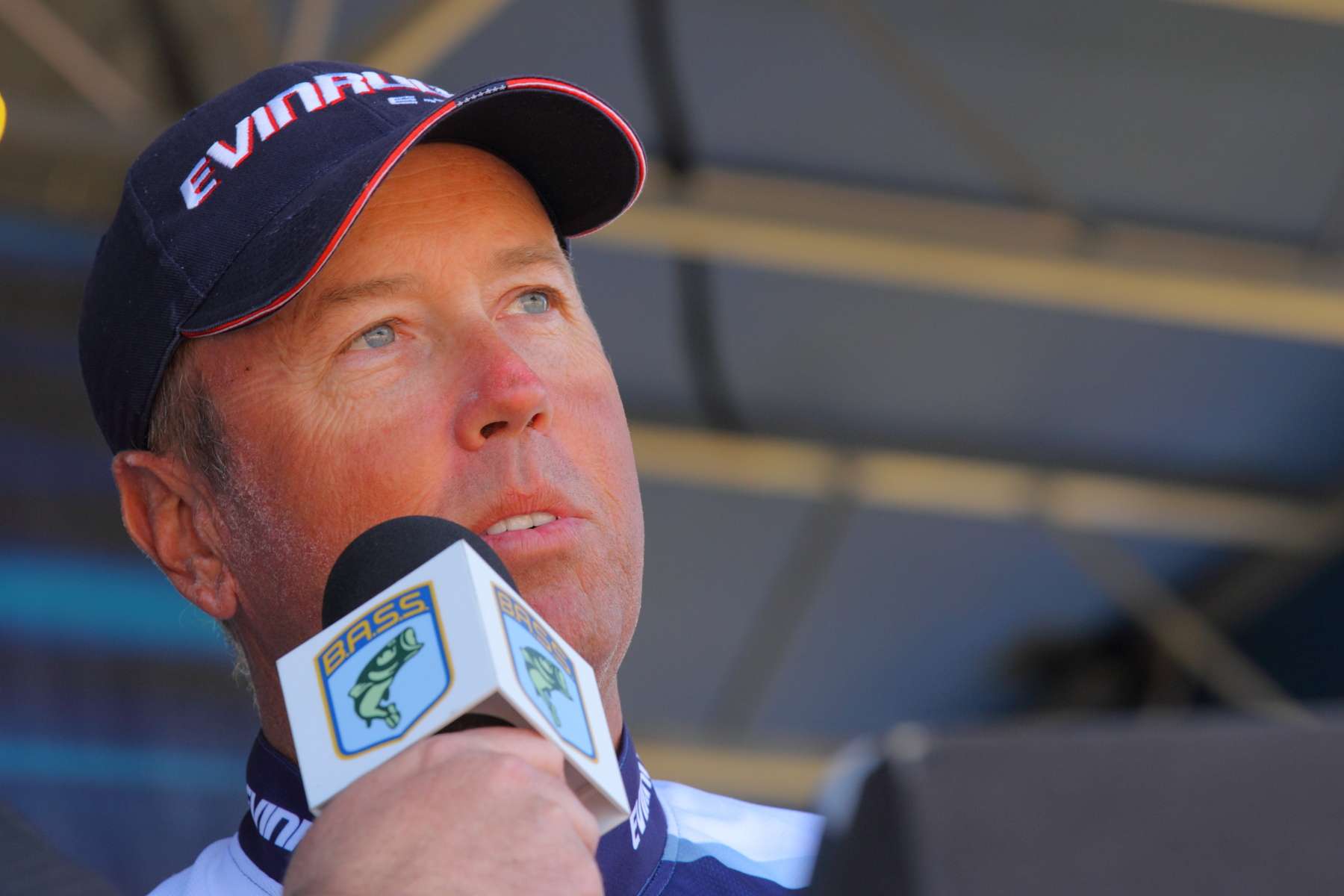
Three letters: KVD.
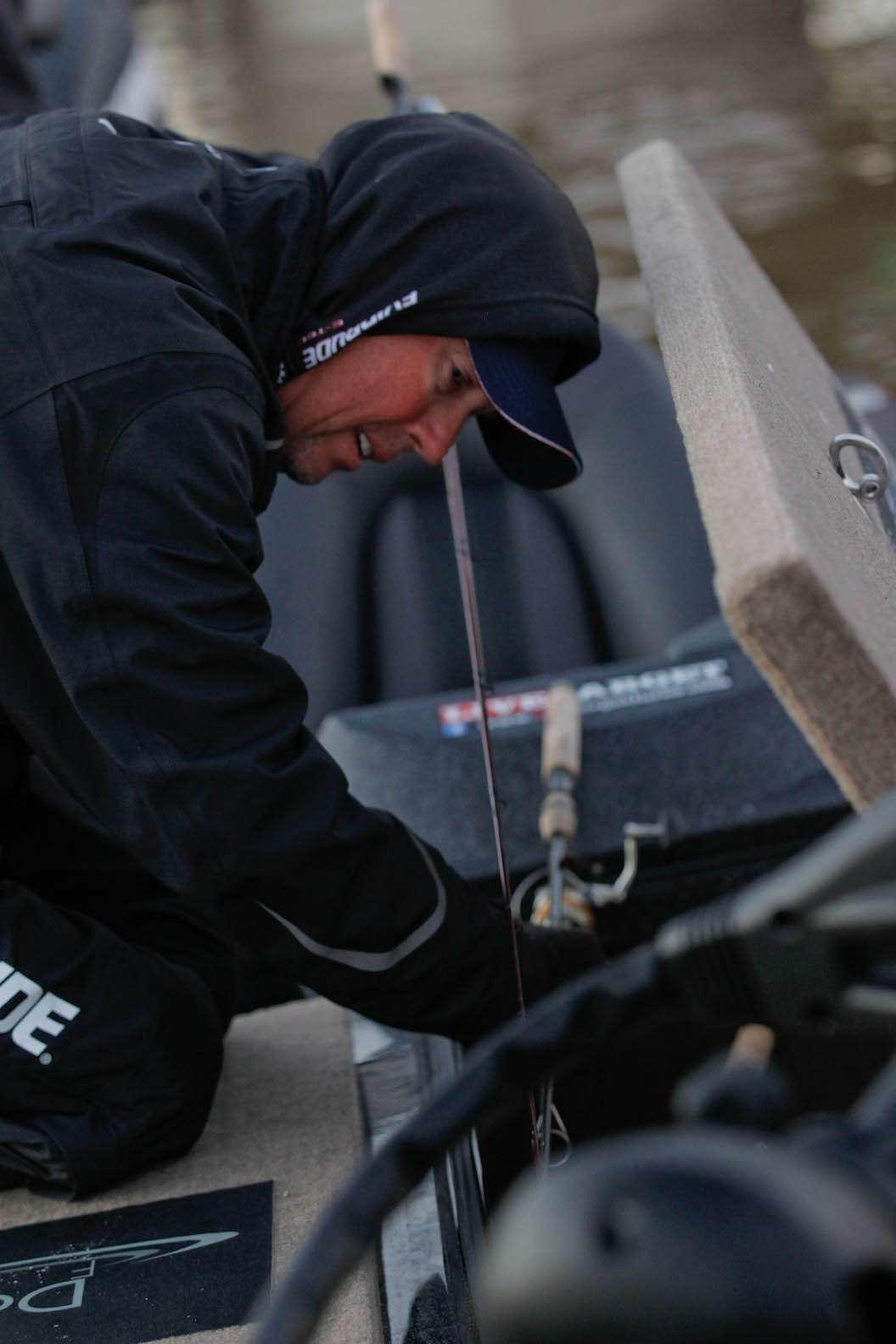
Consistency â catching bass no matter the fishery, seasons or conditions. Being consistent has kept me fishing professionally for 16 years.
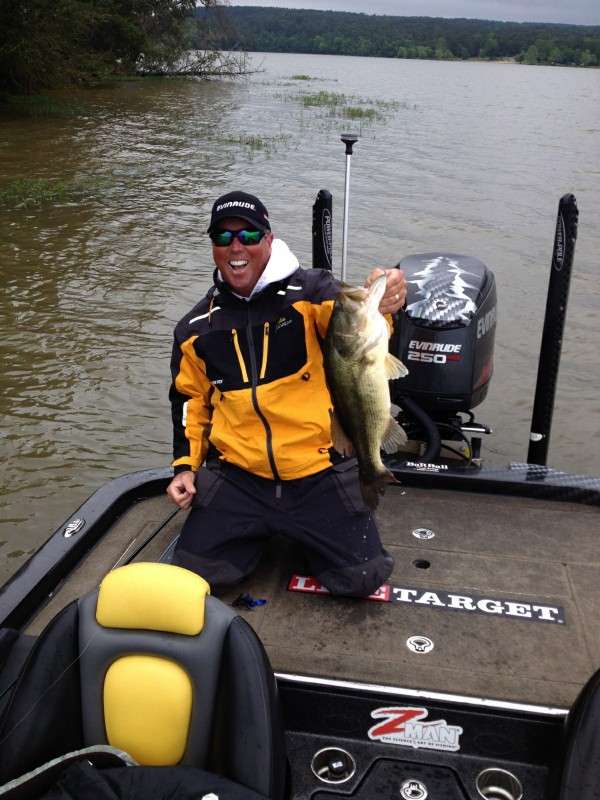
Stubbornness. It can be my best friend and my worst enemyâ¦sometimes at the same time.
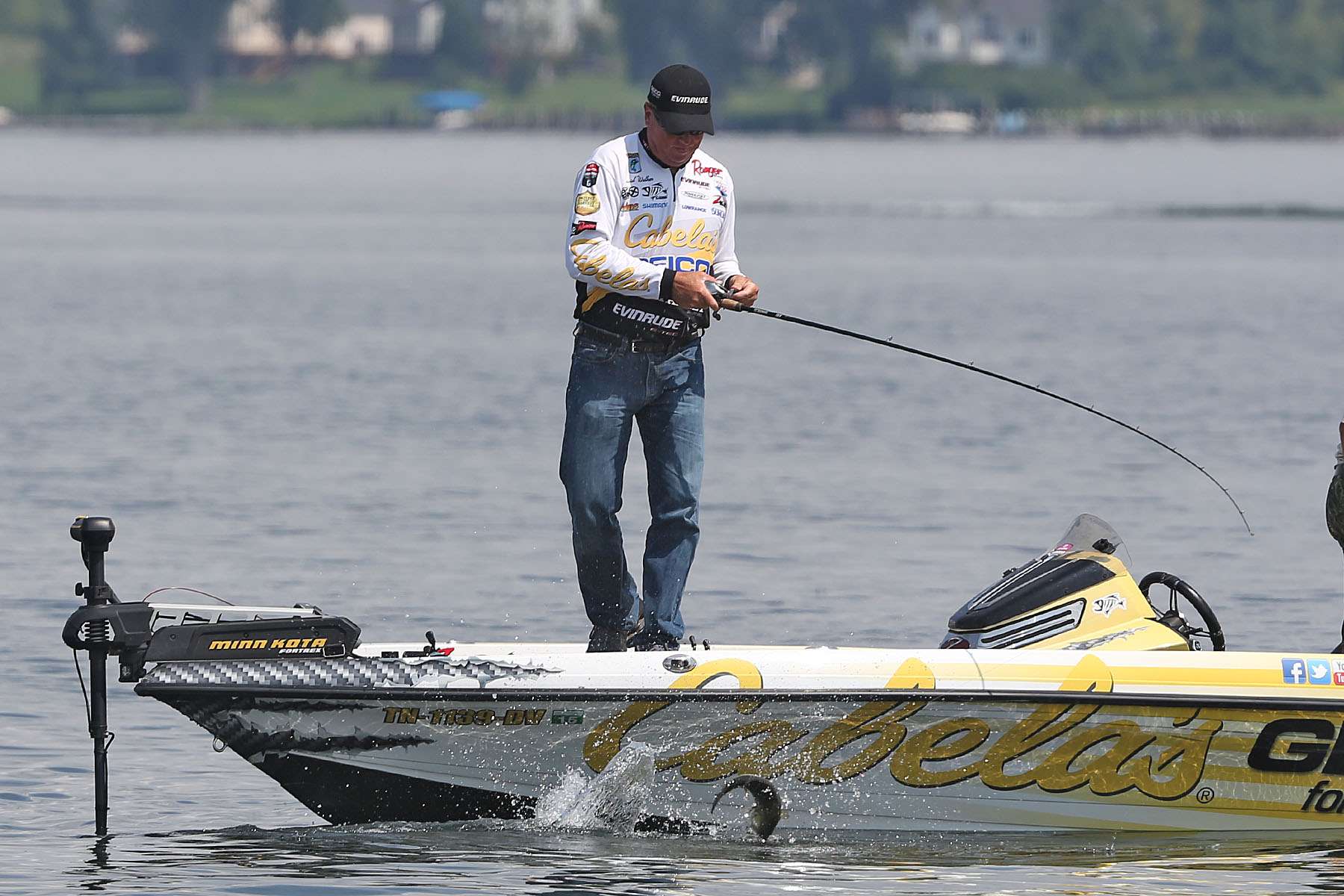
I like any fishery that is really big and vast and has a lot of fish in it. I like places where the field can spread out; where I can get away from the crowd and not feel like Iâm missing out on something because there is just one small place to catch them. Okeechobee, Kentucky Lake and Toledo Bend are a few examples of those kinds of big, expansive places.
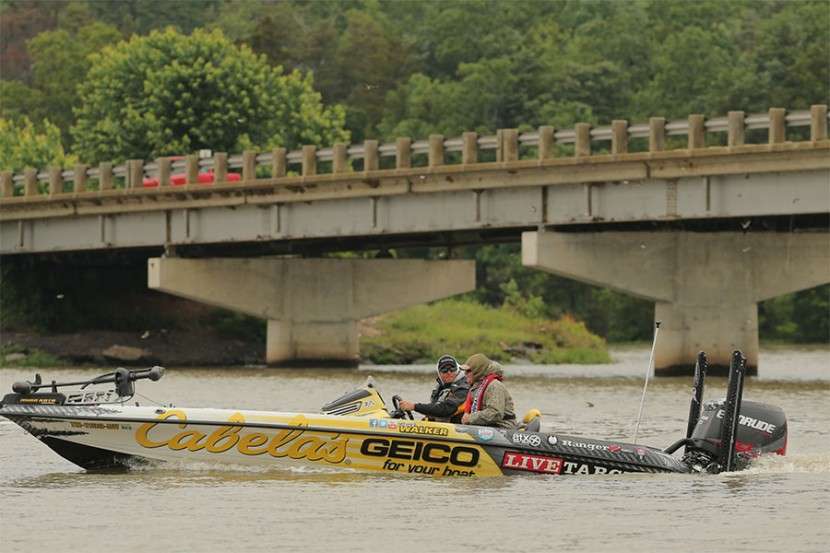
Not paying attention to details. Successful bass fishing requires noticing the smallest details. They are valuable clues to whatâs going on under the water.
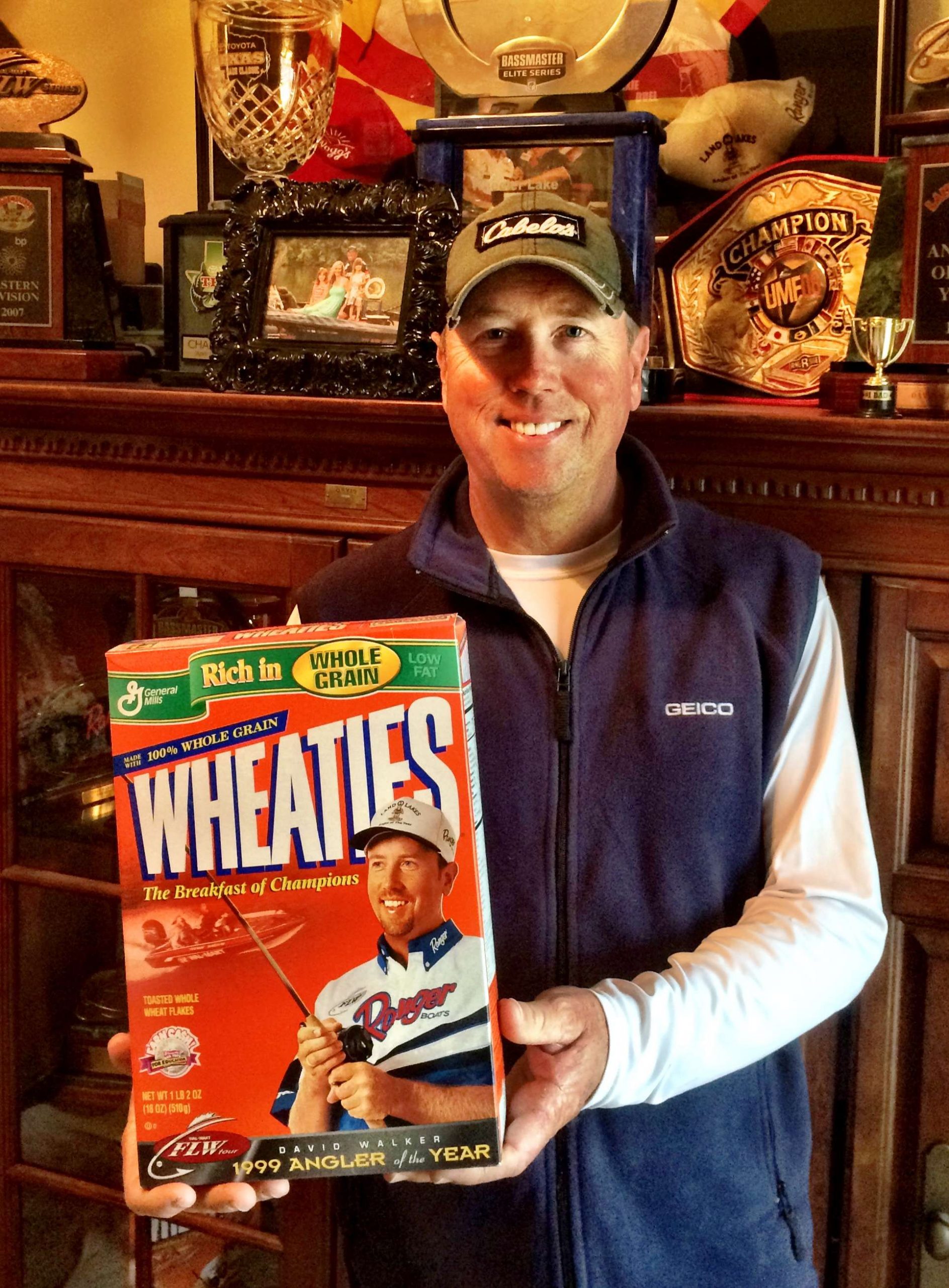
Being on a Wheaties box was pretty cool, but Iâd have to go with my Elite Series win on Lake Wheeler in 2011. And the main reason is because I beat KVD cranking on a TVA lake in June. Trust me, thatâs a major accomplishment!
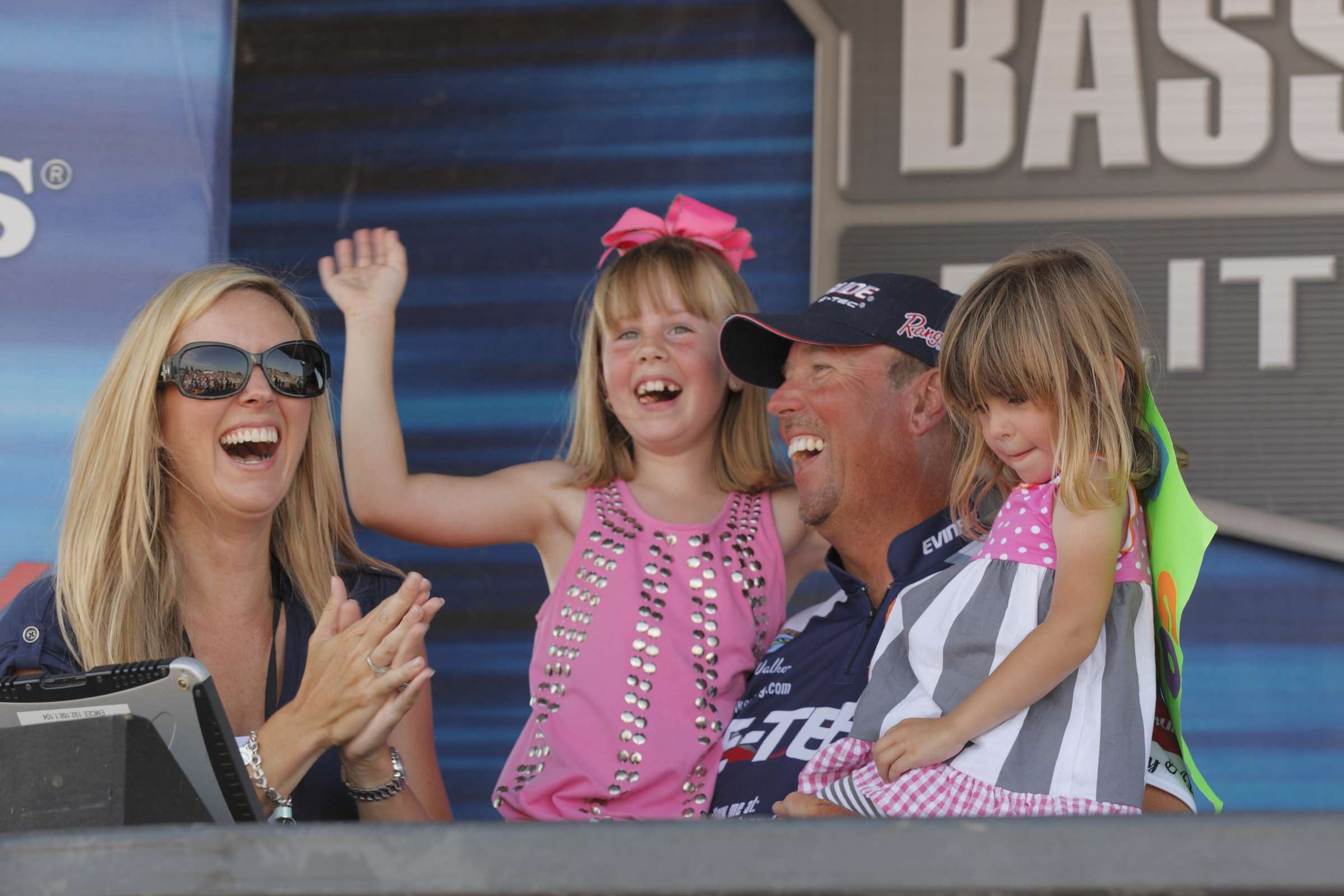
My family, without a doubt. Misty and the girls are my team and I want to give them something to cheer for.
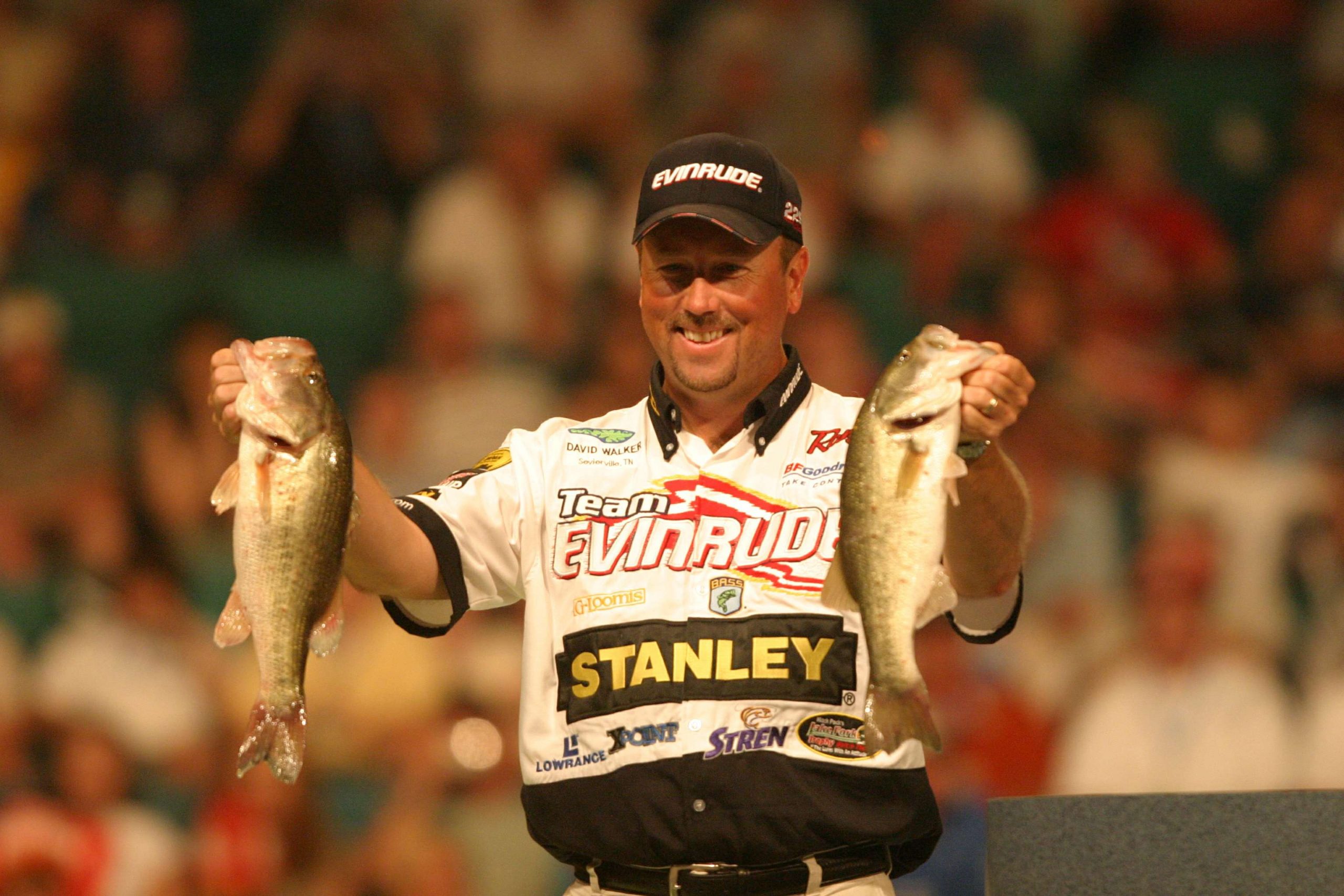
That I did not start my pro fishing career earlier. I didnât even own a baitcaster until I was 25. I didnât start fishing tournaments seriously until I was 30. Some of these younger guys had made three or four Classics by the time they were 30. In terms of age, I feel like I got started behind the curve in this sport.
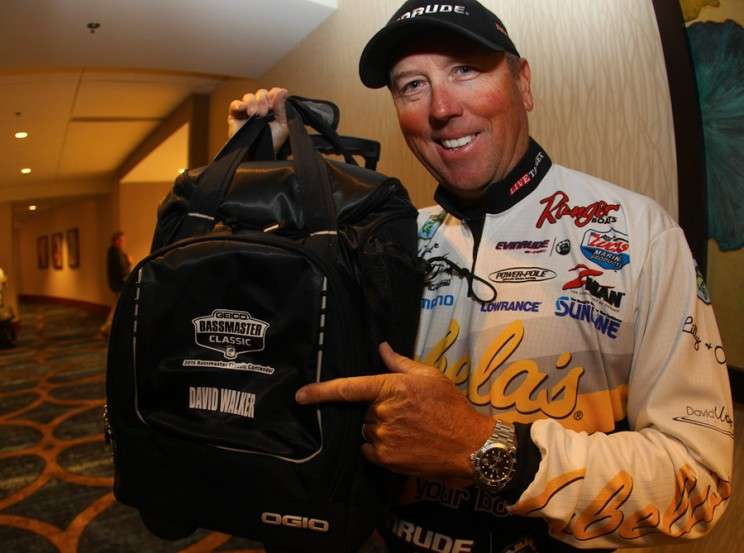
Classic, no doubt. Honestly, I think an AOY is harder to win. But itâs that Classic I want.
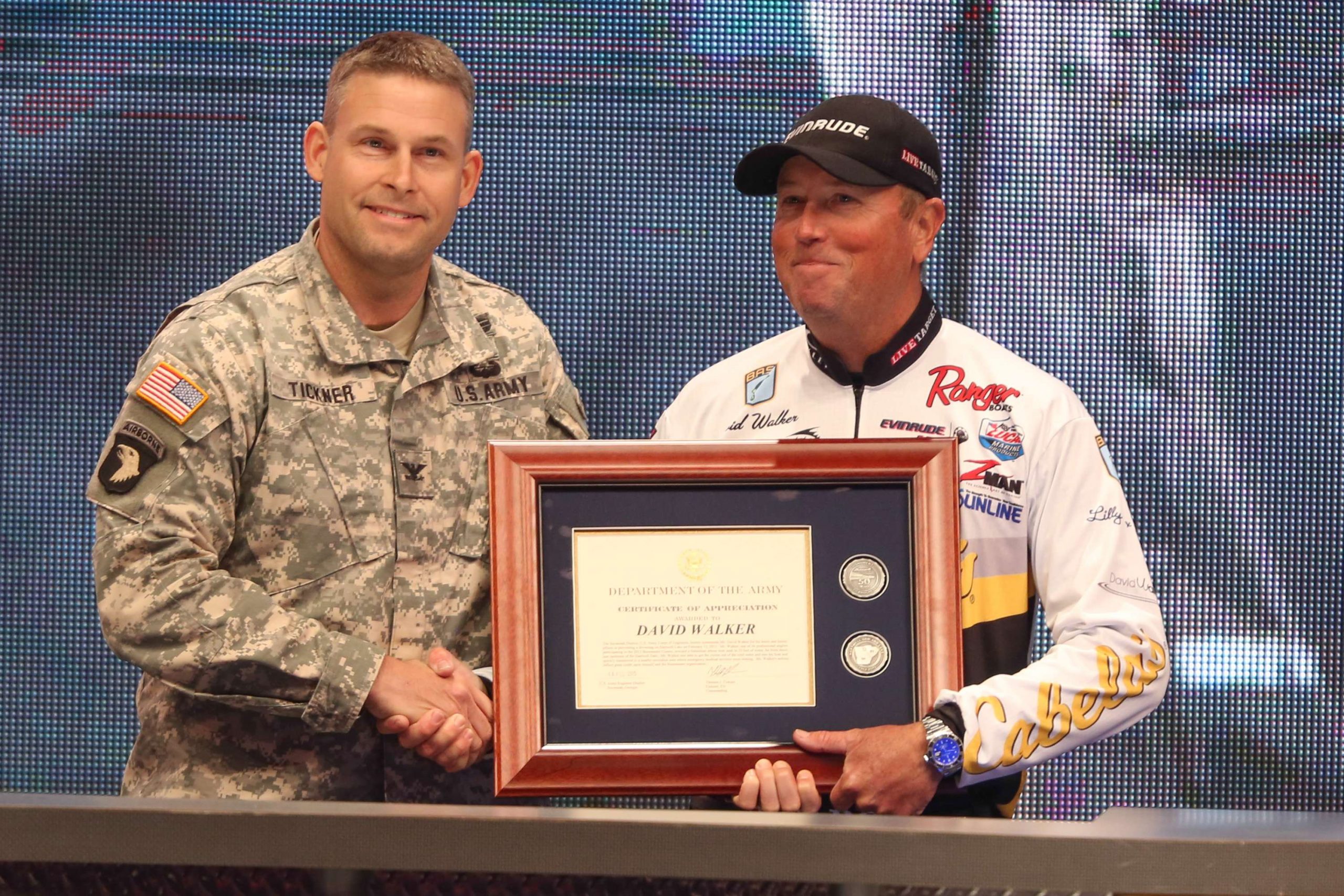
Honestly, at the time, I was just doing what any person would do â itâs just human instinct to help. All I knew was this guy needed to get out of the water and to safety immediately. In my mind, all I did was pull a guy â a very big guy â from the water. It wasnât until a few days later when I spoke with the Colonel from the Army Corps of Engineers in that area that I truly grasped the magnitude of what happened. He point blank told me, without a doubt, the man would have died had I not been there to save him.
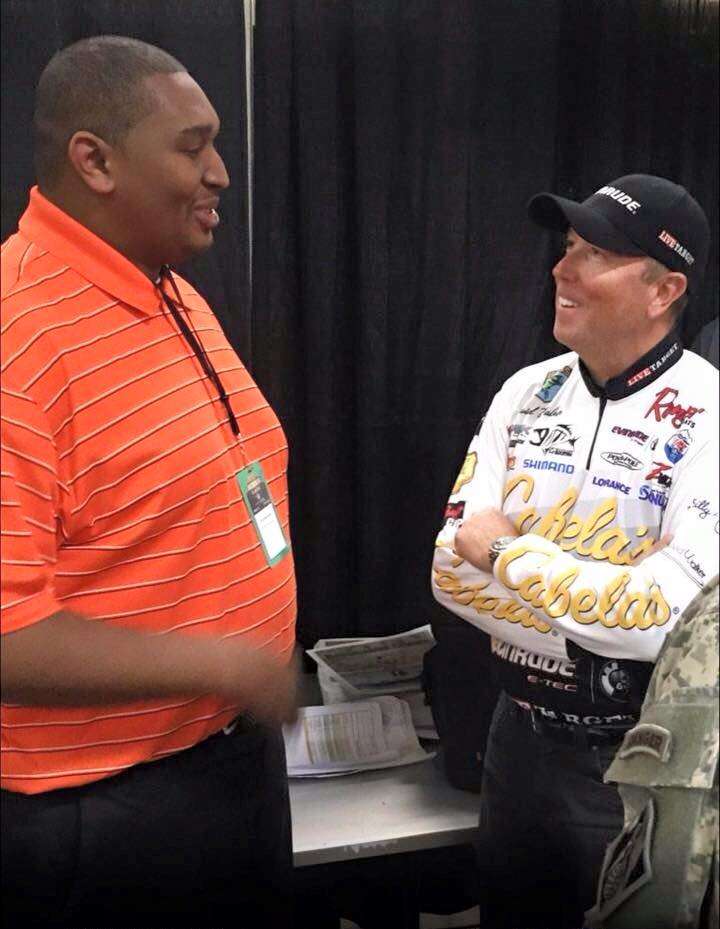
Yes, his name is Brandon Ardister. He is an avid fisherman â he was actually bass fishing the day his boat sank and left him treading water. I think we are going to do a little fishing together this summer or fall.
In my early years I traveled the circuits with a great guy named Jack Bell who was older and wiser than I. The two of us camped in his 1972 Dodge Sportsman van. One evening, after a bad tournament day, I said out loud, âThis has been a really, really bad day!â And he replied, âWell you better get used to it, because in this sport, there are a lot more bad days than good days.â
![20. But you fish for a living. How could there be more bad days than good days?
You know the saying, a bad day of fishing is better than a good day at work? Well, when fishing is your work, itâs a whole different deal [laughs]. Seriously, we put an incredible amount of pressure on ourselves to do well in tournaments and when the results donât meet our own expectations, it makes for a bad day. But like Jack pointed out, you canât let those âbadâ days get to you every time; satisfaction is a hard thing to find in this sport.](http://www.bassmaster.com/wp-content/uploads/2010/03/Ronnie20Moore.jpg)
You know the saying, a bad day of fishing is better than a good day at work? Well, when fishing is your work, itâs a whole different deal [laughs]. Seriously, we put an incredible amount of pressure on ourselves to do well in tournaments and when the results donât meet our own expectations, it makes for a bad day. But like Jack pointed out, you canât let those âbadâ days get to you every time; satisfaction is a hard thing to find in this sport.

Oh man, you donât even want to know. Letâs see, Iâve got everything in there from April Wine to Marilyn Manson â that should tell you all you need to know.