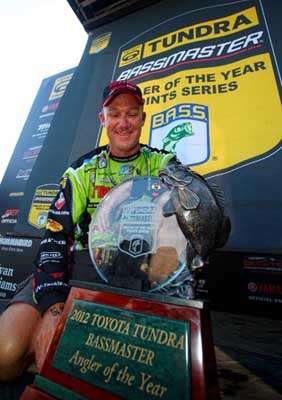
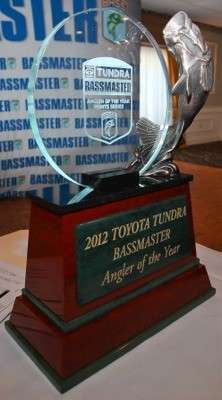
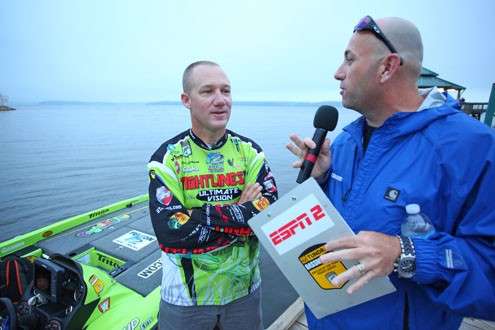
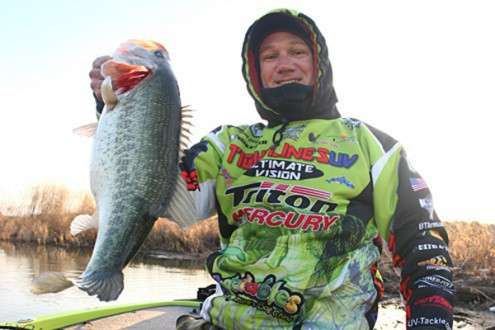
Meet the 2012 Toyota Bassmaster Angler of the Year â Brent Chapman. The Kansas pro had a dream season in 2012, ending Kevin VanDam’s four-year reign over the most prestigious title in fishing and triple qualifying for his 12th Bassmaster Classic in the process. Through 2014, Chapman has fished 13 Classics and established himself as one of the sport’s greats. See how he fared against our 20 Questions:
I was born in Merriam, Kan.
My dad introduced me to fishing and taught me a love of the sport. I took it to the next level after I saw a tournament at Melvern Lake on a family camping trip. It seemed like every angler had 20 pounds of bass at the scales, and I heard that they could win money. I must’ve been 10 or 12 years old, and I hounded my dad to get us involved in tournament fishing.
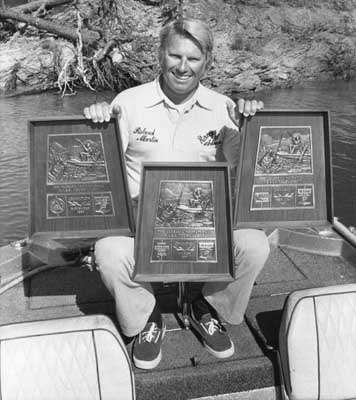
First and foremost, it would have to be my father. He got me started. I also followed Jimmy Houston, Roland Martin and whoever was featured on The Bassmasters with Bob Cobb.
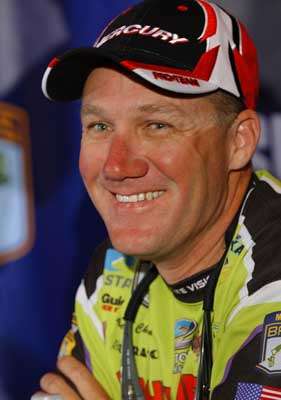
After making my first or second Bassmaster Classic (1997 and 1999), I realized I could make it in the industry. That’s when I started getting better deals from my sponsors and things improved financially. Now that I’ve got one of the titles (AOY) I dreamed about for so long, I definitely feel more secure in the industry and that I’ve made it.
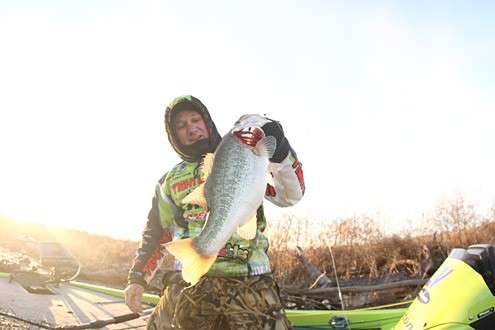
Believe it or not, I’ve caught seven bass that all weighed 9 pounds, 8 ounces, and I’ve caught them all over the place â Falcon, the California Delta, Seminole. Once I caught one that I think weighed 10, but I didn’t have a scale with me, so I can’t be sure.
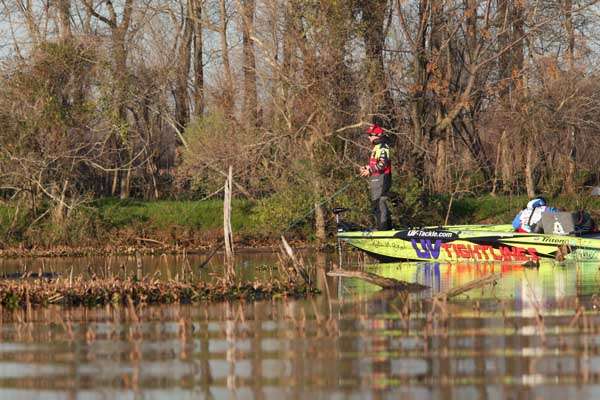
I ask myself that question a lot when times are tough. I guess it would have to be the competition and the chance to be outdoors. I truly love the outdoors and find so much beauty in it. That’s a big part of what I love about bass fishing. The highs and lows I went through in 2011 and 2012 taught me a lot. I learned that my passion and competitiveness drives me, and those tough times motivated this year (2012).
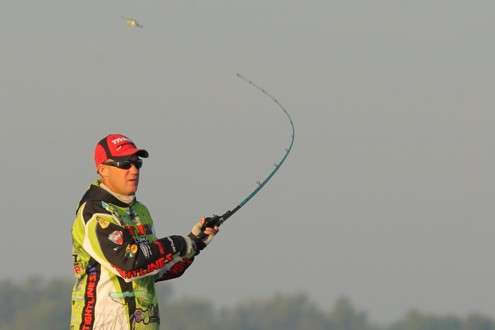
It has to be my versatility. There are no techniques that I’m afraid to try. If you’re not versatile, you can’t compete at the Elite level, and I certainly couldn’t have won AOY without that. Watching the guys who won those titles over the earlier part of my career taught me how important it is to be able to do a lot of things well.
It would have to be Carolina rigging. I think it’s boring, and it’s the least likely thing that you’ll ever see me doing on the water. The first time I ever had a chance to win a boat in a tournament, I was Carolina rigging and lost a big fish â one that would have won the tournament. I’ve hated it ever since.
I have lots of favorites, but if I have to pick just one it would be Falcon Lake. I’ve only been a few times, but every time you’re there you feel like you’re going to catch a giant. You usually do, too!
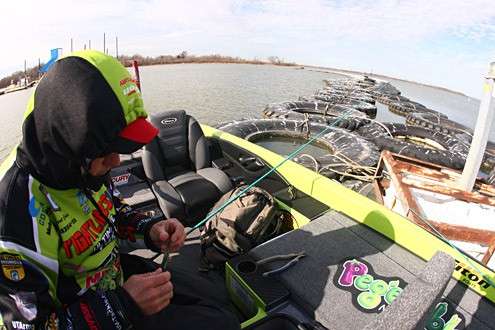
This year (2012), the question would have to be “What’s that seashell on the bottom of the deck of your boat?” They’re talking about a good luck charm my kids gave me at Okeechobee early in the season.
Casual anglers tend to ignore the details, and they’re not as organized as they might be. Those fine points are usually the difference between a good day and a bad one. As for organization, you need to know where everything is in your boat and be efficient. Rusty or dull hooks will cost you. Not being able to quickly locate the crankbait you need is a problem. Details are huge.
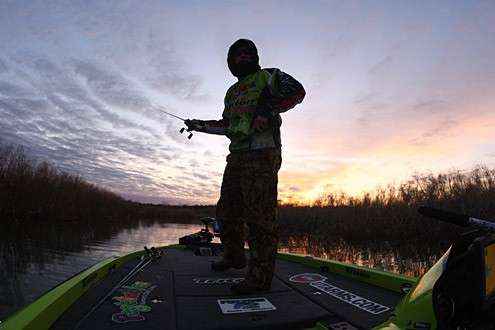
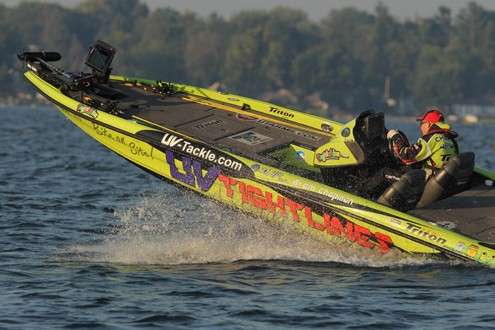
I’m not overly superstitious, but I do have a routine before I fish that I like to stick to. The biggest part of it is making sure that my Triton/Mercury rig is extremely clean before I launch. I know a lot of guys are superstitious about keeping bananas out of their boats, but I feel undernourished without them. Between my kids and fans, I’ve probably picked up enough good luck charms this year that they’re slowing my boat down (laughs).
I think it plays a big part, but you create your own luck. The guys who work harder and prepare better are the luckiest ones. Luck is when you’re really prepared and have found a bunch of 3-pound bass, and you catch an 8-pounder.
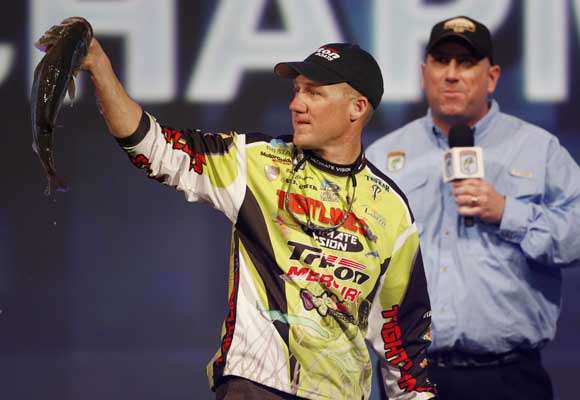
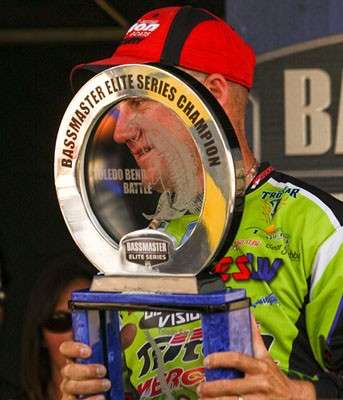
It would have to be this year (2012). I won a Bassmaster Open, an Elite Series tournament and Angler of the Year. It was a dream season for me.
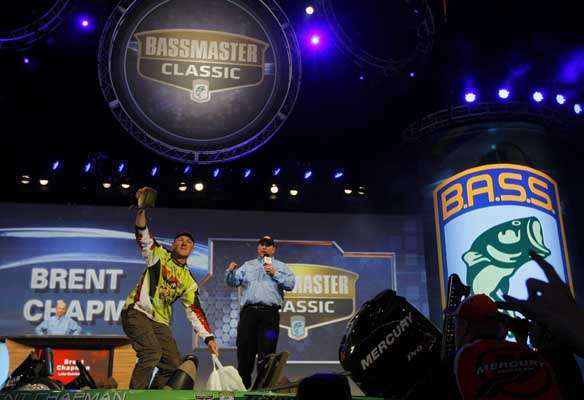
I want to win the Classic and another Angler of the Year title. The success I’ve enjoyed this year has made me hungry for more. It’s motivating me to reach higher and do even better. I want to experience more of the joys that this success has brought me and my family.
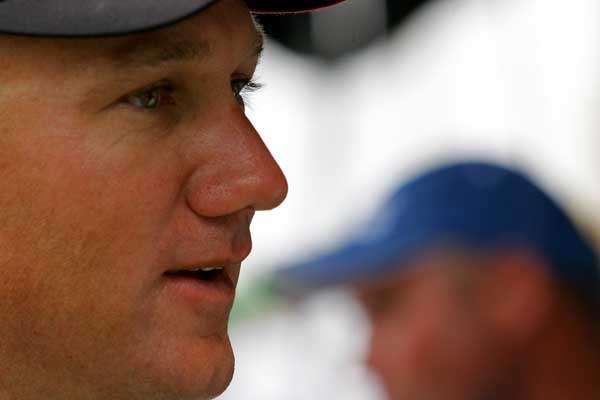
I’m 40 now (2012), and I really wish they had competitive collegiate bass fishing when I was younger. I think maybe I jumped into the sport a little too fast. I wish I had gotten my college degree and learned more about marketing myself. Also, if I had waited, I know I could have learned a lot more about fishing by competing from the back of the boat for a year or two.
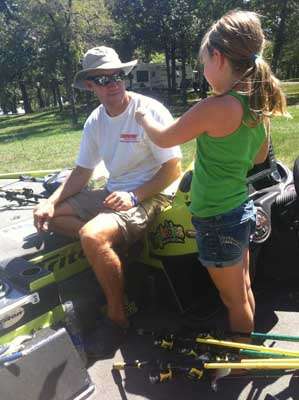
I love spending time with my family, and my mind is always on deer hunting and land management. That’s a real passion of mine.
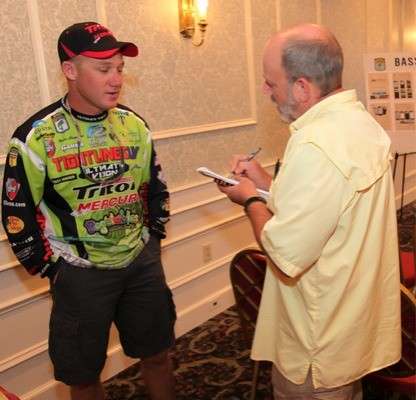
I think it would have been great to be a professional deer hunter, but I’d have probably gone into law enforcement or become a fire fighter. That always interested me, and I have a great deal of respect for the people who work in those areas.
I wish I had started later and spent more time fishing from the back of the boat. I was pretty naïve about the sport and the industry early in my career. When I was young, I had a little success and thought sponsors were going to throw big bucks at me. That’s not how it works, and it was a tough lesson learning that. I think today’s rookies and College B.A.S.S. anglers are better prepared than when I started.
There’s just no substitute for hard work. Nothing happens overnight, no matter how it might appear. You’ve got to pay your dues. As far as fishing goes, my biggest lesson has been that there’s no substitute for time on the water.