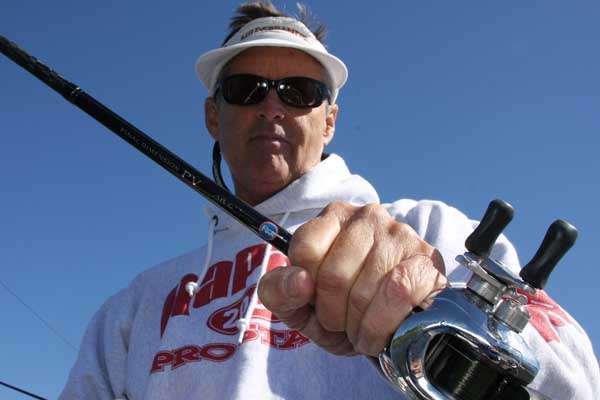
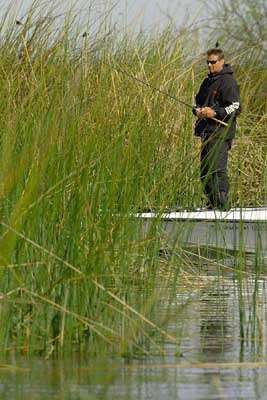
Sanford, Fla. A small town located northeast of Orlando.
I was raised on a small lake outside of Sanford, called Lake Markham. It’s basically a stone’s throw from the Wekiva River, which feeds the St. John’s just north of Sanford.
Definitely my granddad. He took me fishing different places and showed me various ways to catch fish â both fresh and salt. There were also a few local guys I admired, who were known for catching big bass.
I guess when I was able to support my family.
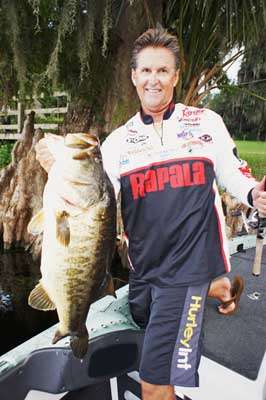
I caught one in Orange Lake near my home in north Florida that I estimated at over 13 pounds. Although I caught it during a filming project for Shimano, I didn’t have a scale to weigh her. Hopefully she’s still swimming free.
The challenge! Each day and body of water is different, and there’s no telling what it will take to catch them. There’s plenty of challenge in that.
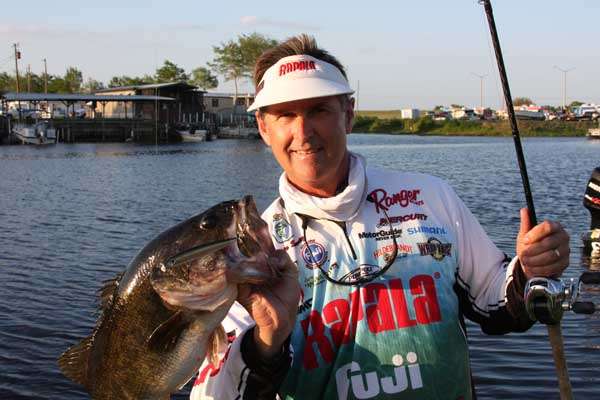
Versatility, especially with shallow water tactics.
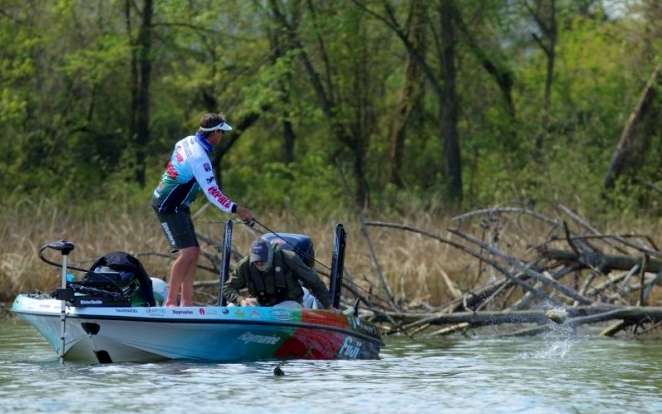
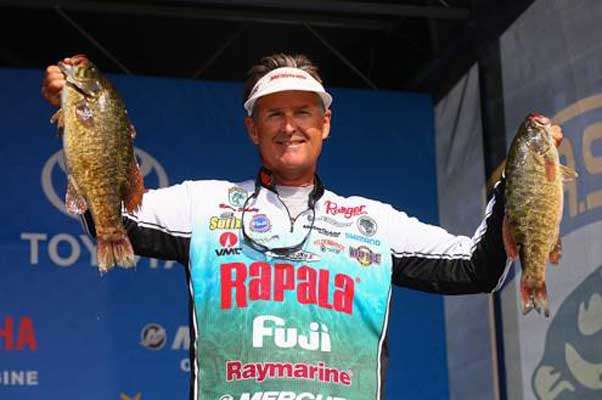
The Thousand Islands on the New York-Canadian border. It’s beautiful and diverse, and there’s an abundance of both largemouth and smallmouth … and they eat!
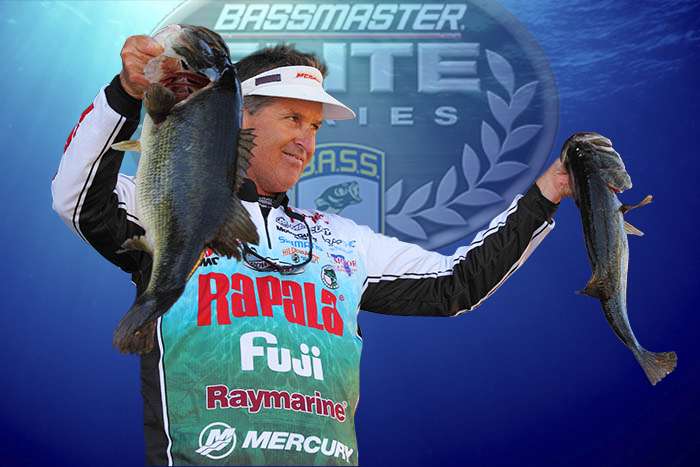
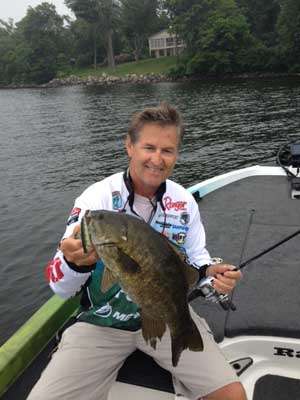
I don’t think so. I believe in luck, but I don’t think I’m superstitious. However, if I’m doing well somewhere, I try not to change anything … including my clothes. (laughs)
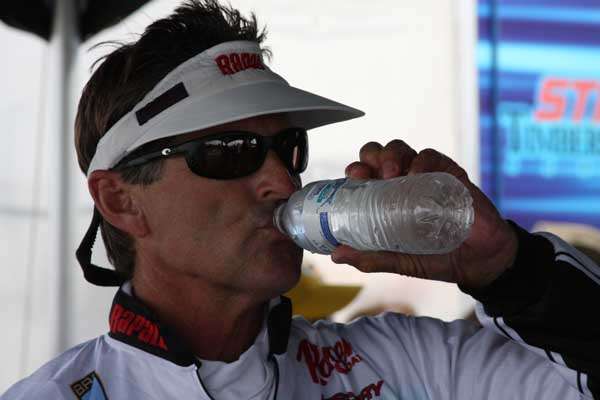
I think it plays a bigger part than most pros will admit. Suppose two guys are on the same exact pattern, but one catches a huge fish that puts him over the top. Is that skill? No, that’s luck. And that’s why we have 4-day events â to eliminate the luck factor. It’s hard to be lucky for more than a day.
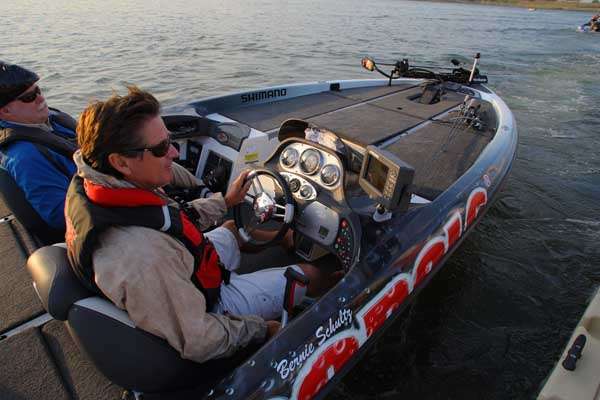
I think it was when Dave Precht (Senior Director of B.A.S.S. Publications) asked me to work as an illustrator for B.A.S.S. publications. That enabled me to blend my skills as an illustrator with my passion for tournament fishing. About 1986 I submitted a rough sketch for a story, and Dave ran the illustration as-is. In the early ’90s he gave me my own column called Techniques Illustrated, and though it was supposed to run only a year, it lasted nearly four. I eventually had to call it off because I wanted to focus on fishing. Another meaningful accomplishment was the fishing videos I did with Shimano.
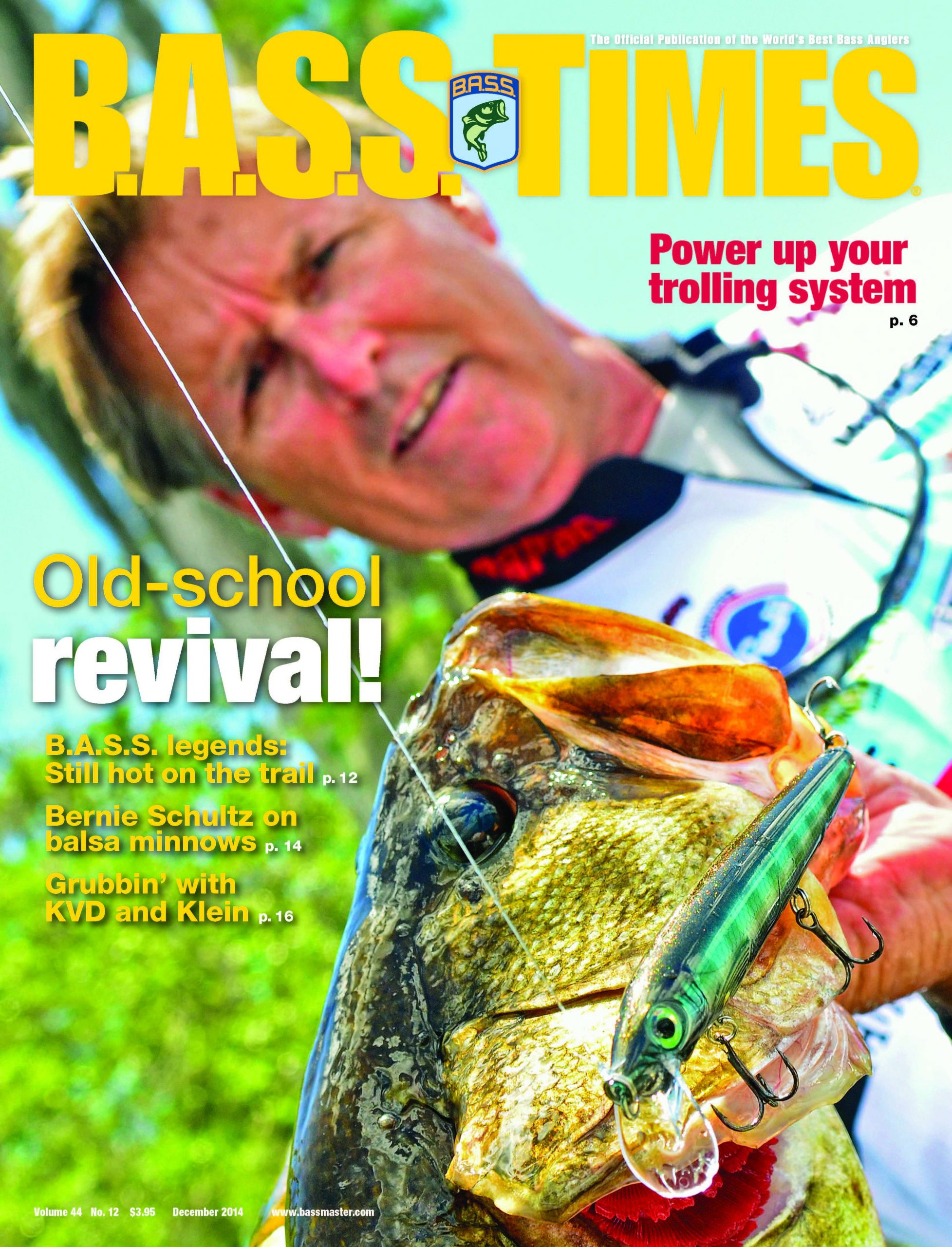
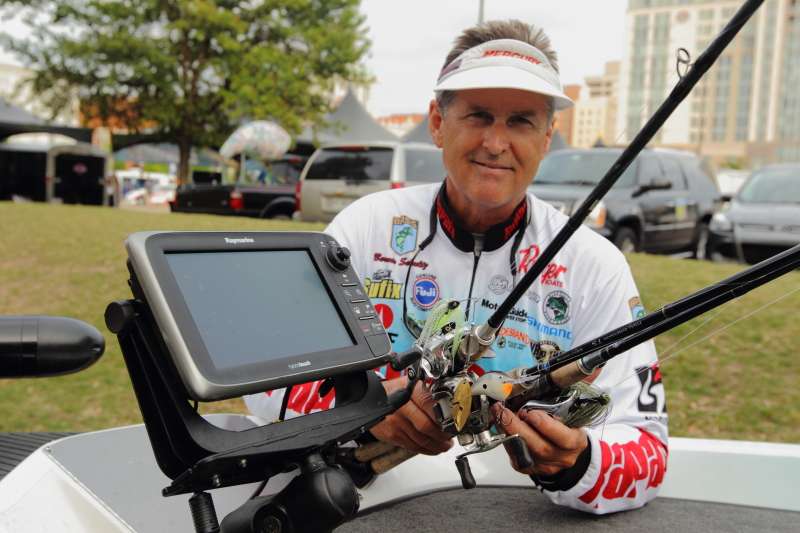
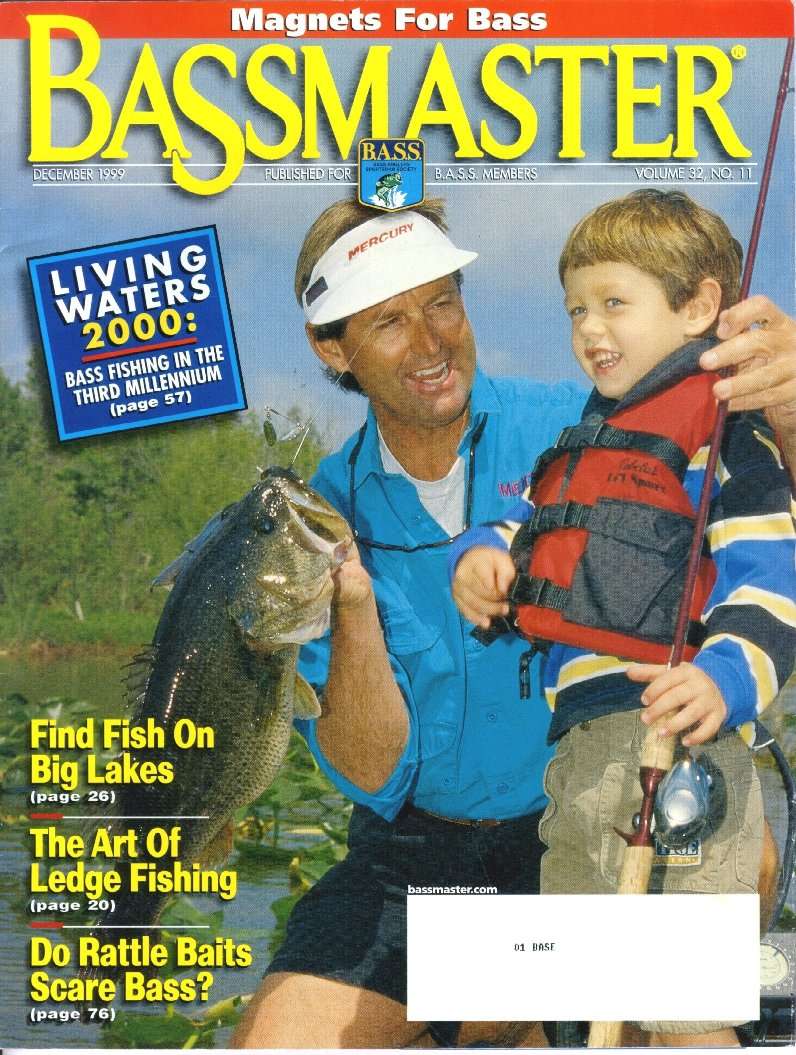
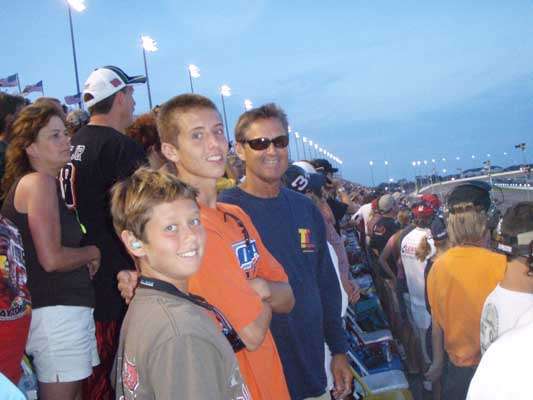
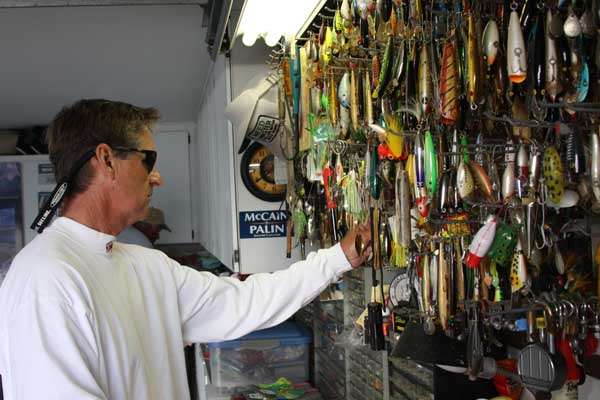
I hang out with my two sons, and I enjoy collecting vintage tackle. I actually have an index of antique tackle on my Web site, www.bernieschultzfishing.com. Visitors can also find instructional information on bass fishing. There are even a few how-to articles and illustrations I did for Bassmaster.
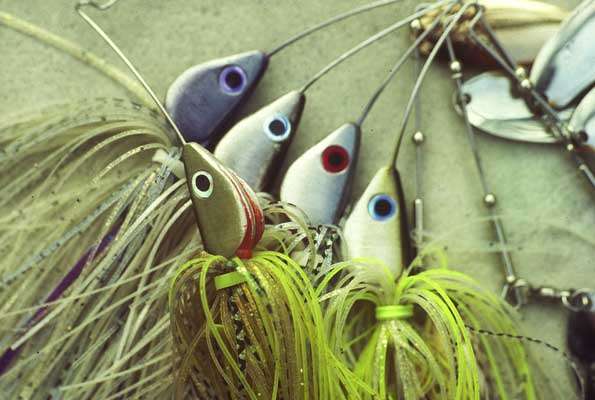
It would have to be the spinnerbaits and buzzbaits I designed for Hildebrandt. They’re unique and they catch fish, especially in clear water.”
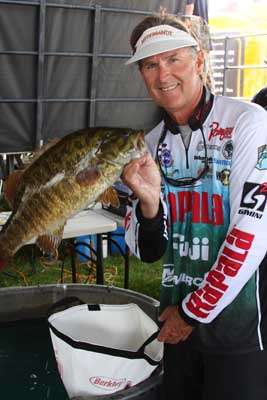
As a kid I tied flies with whatever material I could get my hands on â including hair from the neighbor’s dog. I liked to carve and paint lures. I guess I’ve always tinkered with tackle, and when I became involved with various tackle companies, I was able to offer some input on design. Hildebrandt was first, but that led to working with other companies, like Rapala. Those guys are sharp. They involve their pro staff anytime they’re developing new products, such as the X-Rap series. Those were particularly rewarding projects, as much of my input was utilized in their ultimate design.
I’d like to be remembered as a guy who put back more than he took.
I get a lot of questions really, but one that pops up frequently is, “How do I become a bass pro?” And until now, I could only give them a brief response …nothing in detail. But now there’s PAR (Pro Angler Resources), a partnership of professionals dedicated to teaching young aspiring anglers how to make it in this sport. I teamed up with fellow pros Shaw Grigsby and Kevin VanDam to offer an intensive, online training program.