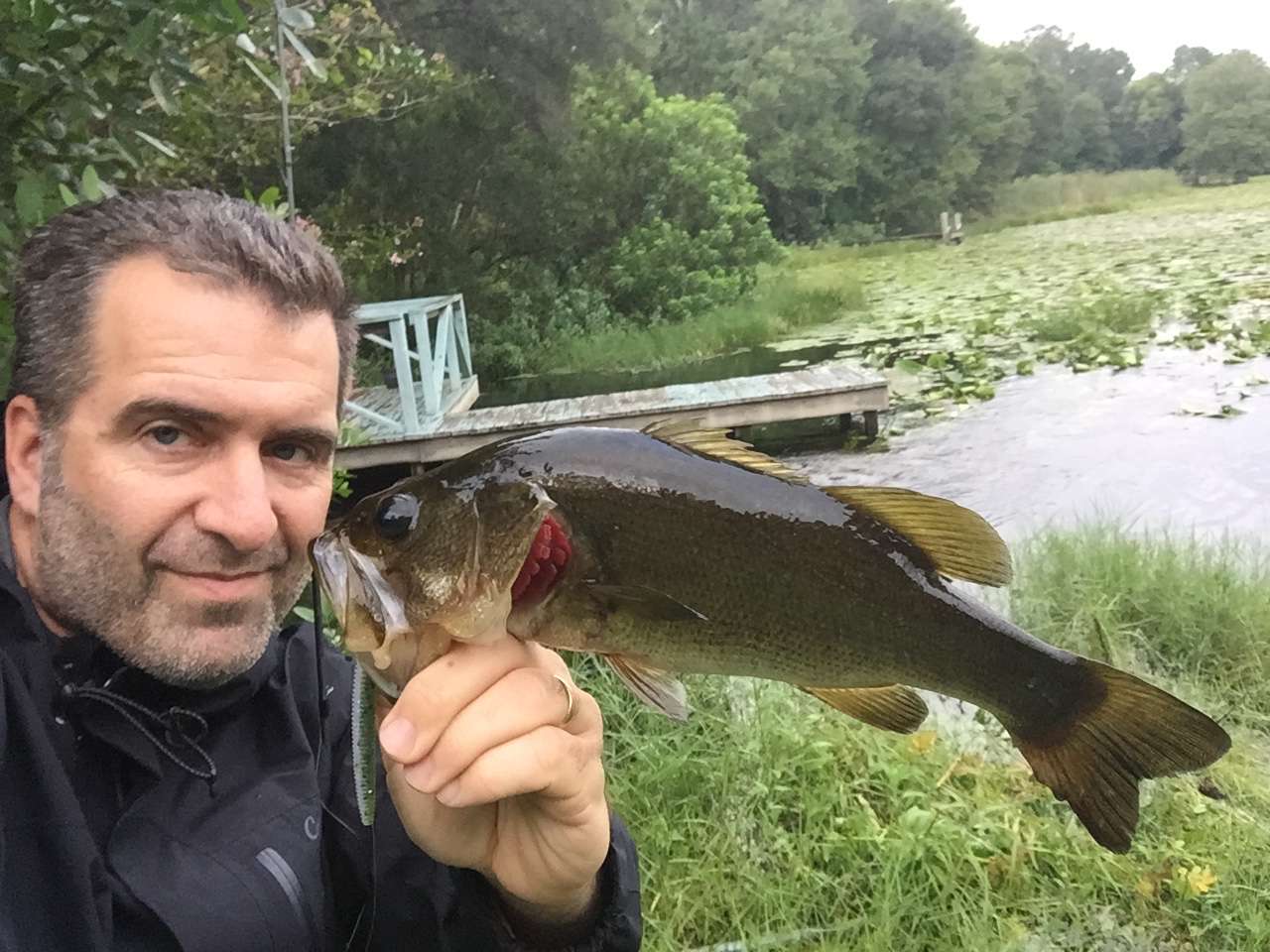
Unfamiliar water, somewhat familiar tactics. That’s the story for a quartet of Progressive Bassmaster Elite Series pros as the Yamaha Bassmaster Redfish Cup Championship presented by Skeeter gets underway in Port Aransas, Texas.
Now in its fifth year, the tournament has comprised a mixed field of pure redfish teams and teams pairing a bass pro with a redfish pro. One of the most interesting aspects of this blended competition highlights how much crossover exists between redfish and largemouth bass tactics.
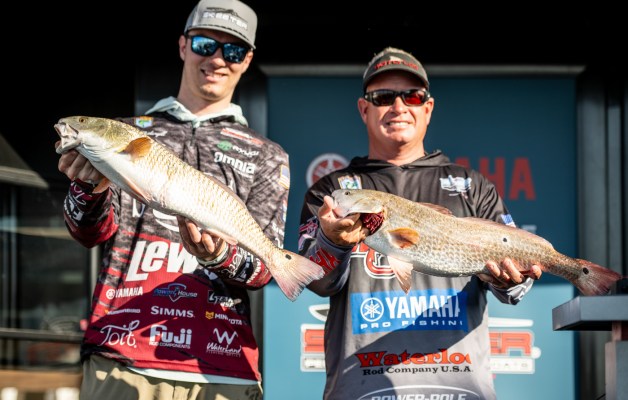
This year, reigning Bassmaster Classic champion Easton Fothergill, Carl Jocumsen, Bryant Smith, and Tyler Williams represent the Elite Series. All accomplished bass pros, but all are admittedly new to redfish tournaments.
Jocumsen has targeted reds a few times recreationally, and most have incidentally caught this hard-charging species during Elite events at the Sabine River — a tidal bass fishery at the Texas/Louisiana border. After the official practice period, Williams expressed a viewpoint echoed by his fellow Elites.
“You can pattern redfish, even though they’re so nomadic,” Williams said. “There is some little pattern to what they’re doing, which is kinda like bass fishing. Like, there’s a reason why they’re there.”
Jocumsen agrees and notes that the myriad variables impacting bass behavior have helped prepare him for this week’s competition.
“Bass fisherman adapt really well because of how versatile a bass is,” the Australian standout said. “The redfish are doing what bass do in a similar area somewhere else, like on a shallow flat around grass where they’re eating baitfish.”
Generally Cooperative
If there’s one thing that applies to redfish wherever they roam, it’s the fact that they think with their stomachs. That’s partly due to the feeding competition inherent to a schooling fish and partly to a gluttonous nature.
Anyway you slice it, this is a see-food-eat-food kinda fish.
“You just have to get a bait in front of them and they’ll eat it,” Smith said of his practice observations.
Encouraging, but that premise hinges on the understanding of a key trait consistent with highly pressured reds, like those this Port-A fishery: These are wary creatures that value their privacy.
“They are some of the spookiest fish I’ve ever seen in my life,” Williams said. “You can get 80 feet from a bass before they get kinda weird on you, but with these redfish, if you get within 100 to 150 from them with the trolling motor a little bit too high, they’re running away from you.”
As all of this year’s Elite participants learned through their practice experience, one of the best strategies for engaging redfish in a mostly shallow fishery like this one is to drop the trolling motor and hunt them down. Reds show up well in clear water, but you’re also looking for pushes, wakes, boils and “smoke” — the silty disturbance left by departing fish.
“Redfish like the shallow flats just like a largemouth, but I think they roam a little more than largemouth,” Smith said. “That makes sense with the way they’re built, but the way you fish for them is the same way I would fish a big flat on Lake Okeechobee.
“You just chuck and wind until you find a big group of them, so there are some similarities. You just keep hunting and pecking until you find that group of them.”
What They’ll Eat
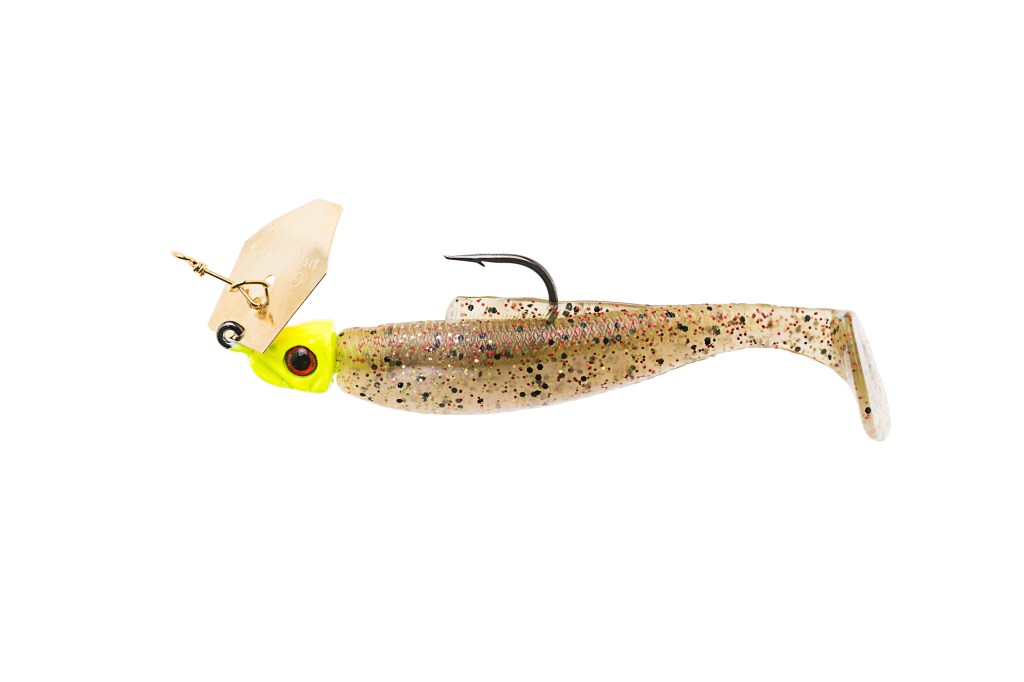
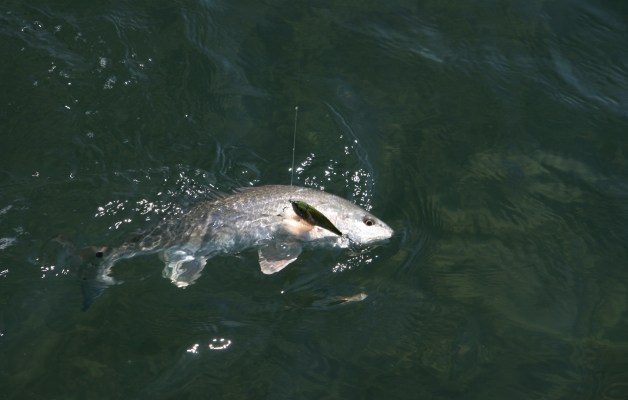
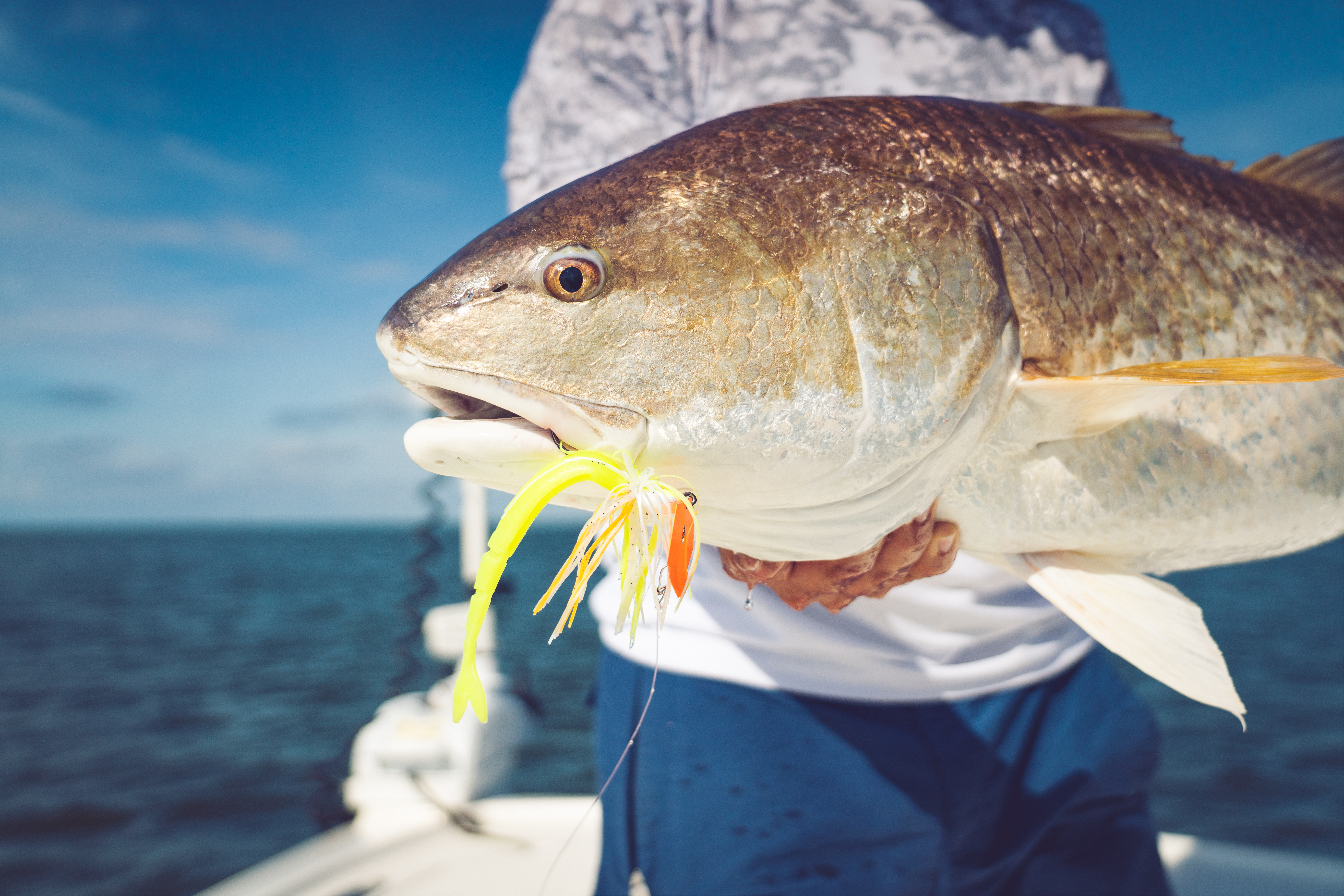
For redfish search efforts, traditional bass baits with cast-and-wind simplicity include bladed jigs, spinnerbaits, and lipless baits. Also, topwater plugs that resemble the finger mullet common to this fishery get a lot of attention and even though redfish are built for bottom foraging, they’ll aggressively attack surface baits.
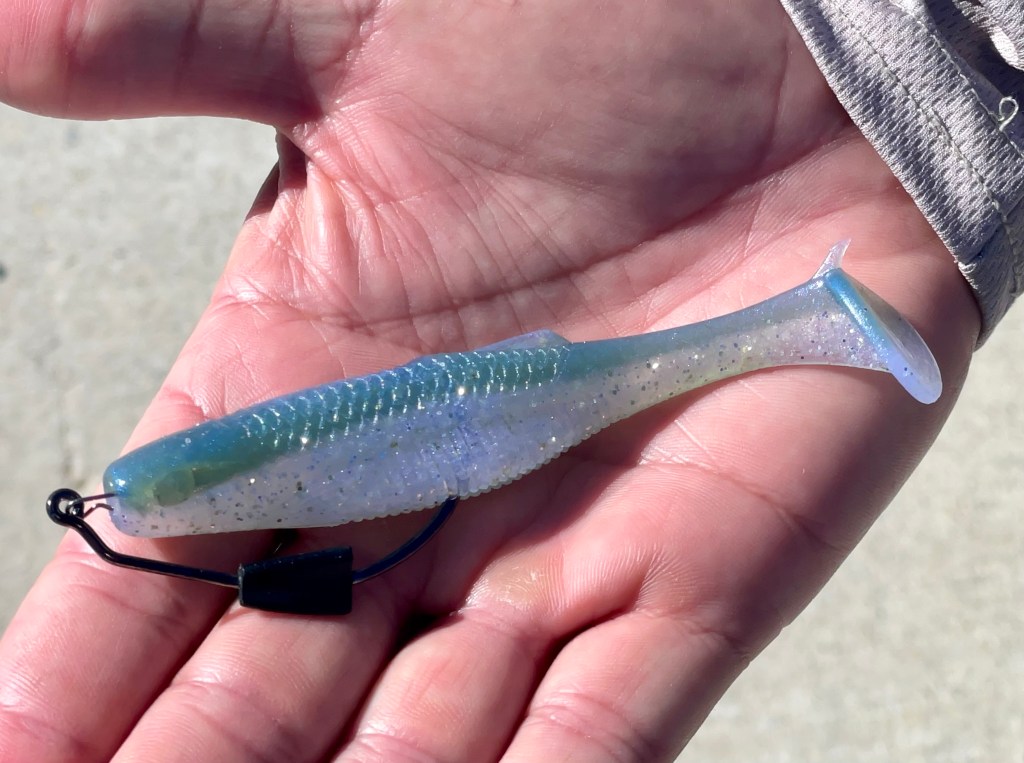
The common mention among this year’s Elite anglers — paddletail swimbaits. Fothergill, who pairs with Clark Jordan Jr., said the swimming plastic bodies rigged on jig heads remind him of his freshwater bass game, but he’s confident this crossover technique will help him and his partner effectively work their area.
“These redfish are always on the move, even though the pattern’s the same,” Fothergill said. “If you cover enough water, the way I like to do, you’ll run into them. We have some big areas that have big fish, so hopefully, we can locate those schools.
“I’m always a finesse guy when I’m bass fishing, but there’s no need for that here. These fish pull hard, so I’m using straight 30-pound braid. You can hit ‘em hard and reel ‘em in.”
Jocumsen agrees and noted that he invested much thought and observation into dialing in the best way to present his 4 1/2-inch Crush City The Mayor swimbait.
“It was all about getting the line right, getting the hook right, getting the bait right to where it would come through the grass,” said Jocumsen, who pairs with Robbie Hunziker. “I’m rigging my bait weedless on a VMC Heavy Duty Weighted Swimbait hook.”
Jocumsen also ditched the standard fluorocarbon leader he’s used to for bass fishing, as eliminating a knot makes his rig more sleek and snag resistant. That’s an important consideration for the rapid-fire presentations he’s planning.
“The first day, I was fishing very methodically, like slower casts and then I realized how far apart these fish are,” Jocumsen said. “Once that clicked, I was able to power fish and make lots of long casts and cover water. Then I started getting more consistent bites.”
A Look Back
As Shakespeare wrote in The Tempest, past is prologue. To that point, previous Redfish Cup Championships have offered insight into some of the other crossover baits that have produced big results.
During the inaugural 2021 event, Elite pro Chris Zaldain paired with redfish pro Ryan Rickard to win that first title. While Rickard mostly stuck with his paddle tails, Zaldain caught several nice reds on a 6-inch Megabass Magdraft swimbait — an internal harness-rigged bait.
At that 2021 event, veteran Elite Mark Menendez teamed with multi-species pro Ricky Bort to lead Day 1. Spending most of the day in a narrow, wind-protected ditch, Menendez went straight-up Bass Fishing 101 and pitched to shallow targets with a Texas-rigged Strike King Rage Craw that probably resembled the crabs redfish seek.
Williams, who’s known for his Greenfish Tackle jig prowess, said he did not bring his freshwater tackle box to this event, but after seeing redfish behavior and feeding preferences, he’s confident that a return trip would afford him significant opportunities to boat a few redfish with his signature technique.
Worth a mention, you’ll often hear bass anglers mention spoons and this bait category includes a foundational redfish lure that has played in every Redfish Cup Championship.
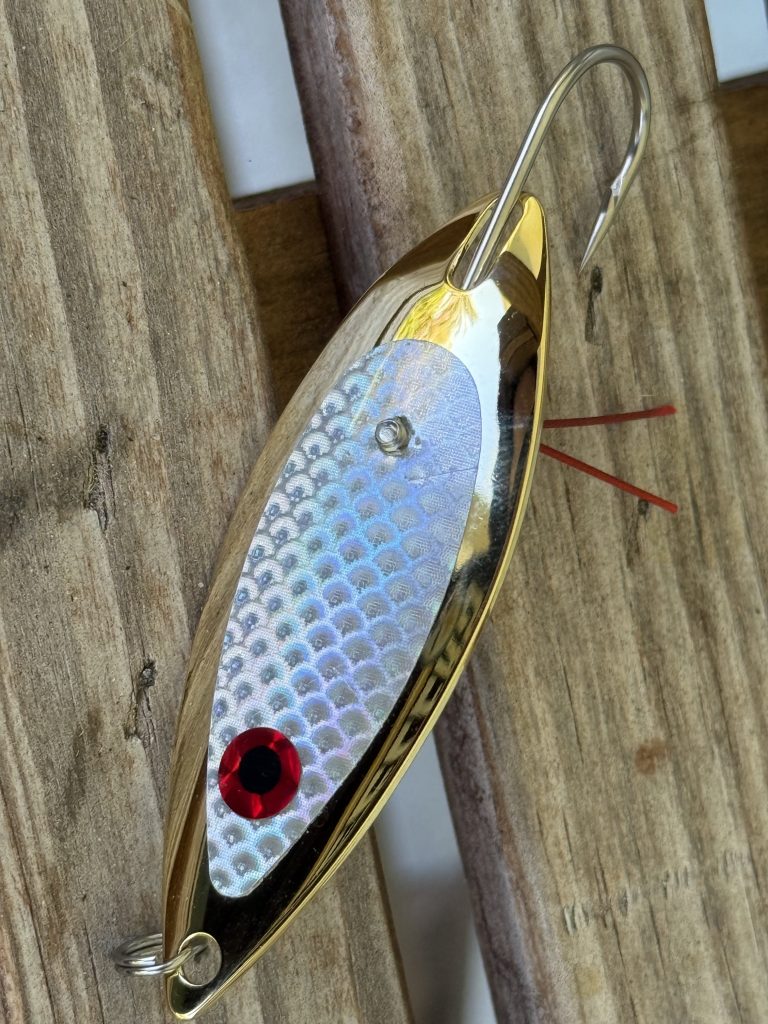
For clarity, bass applications generally involve either deep water jigging presentations or slow fluttering looks. Redfish anglers are almost always casting and retrieving a weedless style spoon with a fixed hook that’s designed to skitter across sand, shell or grass to imitate a fleeing baitfish.
Considerations For Catching
A few parting thought for the redfish scene.
Durability: Even those double-digit largemouth will never exert the level of force a big redfish will unleash on your baits. Beefing up hooks and hardware is essential, otherwise, you’re just gonna get your feelings hurt.
Proximity: When pursuing redfish in shallow water — the general preference — you cannot ignore how perceptive these fish have become in this age of elevated angling pressure. Even when you’re standing frozen and silent, wind and tide can create enough “hull slap” to alert reds to your presence.
And know this, reds are not what you’d call independent thinkers. Spook one, he’ll goose his neighbor and within seconds a chain reaction sends the school packing.
Worth the Work: Ask anyone who’s spent significant time chasing redfish if this game’s an easy one and you’ll consistently hear that it is not. However, ask the same anglers if the achievement justifies the effort and you’ll get a hardy “Yes!” every time.
Regardless of whether you bought your bait in the tackle shop’s freshwater or saltwater section, at the moment of truth, you’ll understand why the redfish consistently ranks as a prized inshore species.
“I caught a couple of redfish at the Sabine and I knew what they were the second they hit, because those things started ripping,” Smith said of the legendary redfish runs. “It’s unbelievable how, when you set the hook into one of those things it’s like you stung ‘em with a needle.
“They take off as fast as they can. It’s so much fun. I can see why people get addicted to it.”