Latest Industry News
2013 Classic: So far, so good
The trip out here was uneventful. We arrived on Wednesday evening, set the camper up and settled down. I spent Thursday getting ready for practice and then it was off to the races.

Please enter your details.
We cannot find an active B.A.S.S. Membership for the information you have provided. Please renew your membership here.We cannot find an active B.A.S.S. Membership for the information you have provided. Please try again.Scheduled maintenance. We'll be back shortly.You're offline. Try again when you're connected.Something went wrong. Try again. If you continue to have trouble please contact customer service at 877-BASS-USA.
The trip out here was uneventful. We arrived on Wednesday evening, set the camper up and settled down. I spent Thursday getting ready for practice and then it was off to the races.
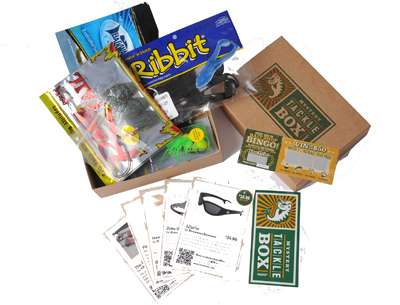
Have you ever heard of a bait-of-the-month club? We hadn’t either and couldn’t wait to get our chartreuse dye-stained hands on it.
Rigid Industries will be the title sponsor of the second event of the 2013 Bassmaster Elite Series. The Rigid Industries Falcon Slam will take place March 21-24 on Falcon Lake out of Zapata, Texas.
Ramada Worldwide will return in 2013 as an official Supporting Sponsor of the Bassmaster Elite Series, the highest level of competition on the Bassmaster Tournament Trail.
What if someone told you before last year's Bassmaster Classic we had a tool that would predict the exact Classic-winning pattern – and weight?
The Bassmaster Classic is a tournament where heroes are made and winners become household names. But what about the other guys?
A tournament angler’s stock in trade is looking forward. Reminiscing about lost fish and lost opportunities doesn’t affect the scale one iota.
Emphasizing a deep commitment to their expanded product line, Simms Fishing Products is proud to announce the addition of professional bass angler Brandon Palaniuk to the Simms Pro Tournament Angler Staff.
Elite Series Rookie of the Year lands a major sponsor and a new look to his truck and boat.
For every Rayo Breckenridge, Jack Hains or Jack Chancellor (who all won a Classic yet are mostly unknown to young fans), there's a Roland Martin, Bill Dance or Jimmy Houston who have earned almost all the accolades but never picked up the big hardware.
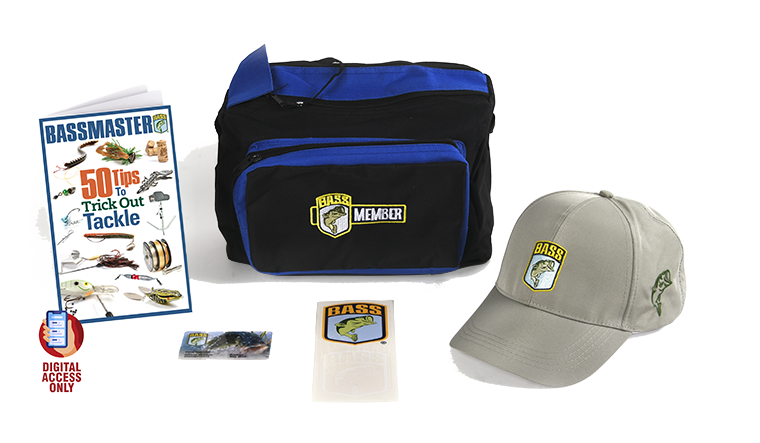
Membership Includes 1 Year Bassmaster Magazine, Plus $50 in free gear.