
TULSA, Okla. — Muddy water and how to deal with it is a buzz topic so far at the GEICO Bassmaster Classic presented by GoPro.
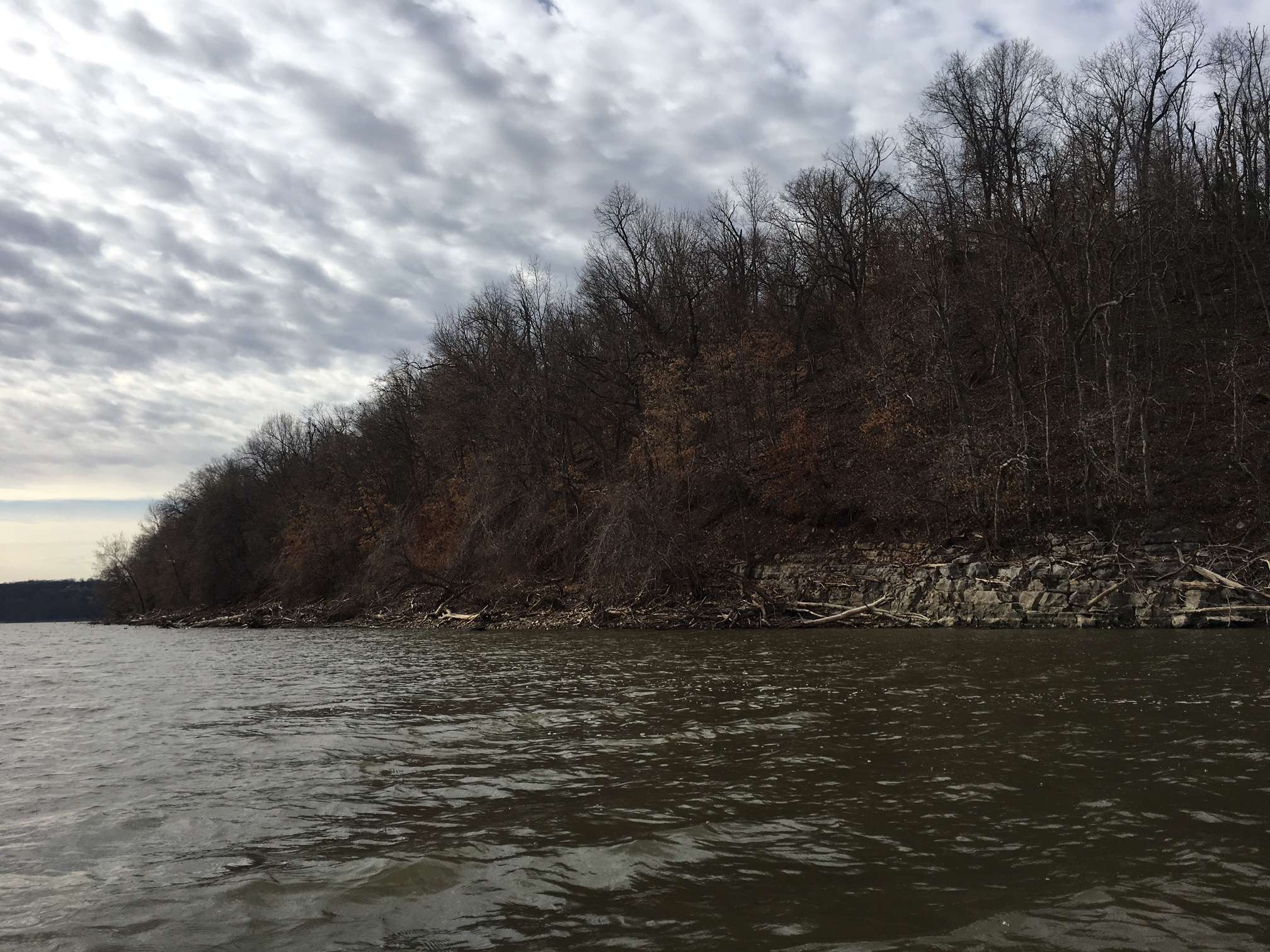
Depending on the source of information muddy water, or something like it, extends the 60-mile length of Grand Lake.
Some anglers blame the less than ideal water clarity for the inability to find a consistent pattern. Others just smile and say little, knowing they have a good reason to like the dingy water.
From a scientific perspective the dirty water is a benefit for the bass fishing this week on Grand Lake.
“The dingy water can actually be good for the bass fishing this time of year,” said Josh Johnston, a regional supervisor of fisheries for the Oklahoma Department of Wildlife Conservation. “There aren’t any negative impacts to bass behavior because of the water clarity.”
On the positive side he compares the scenario to the good fishing crappie anglers enjoy on turbid lakes in early spring. The 55 Classic anglers aren’t seeking crappie but both species favor warm, shallow water.
“In turbid conditions the suspended clay particles retain more heat from the sun and that warms the upper water column,” he explained. “In shallow water the light penetration is reduced and the heat stays concentrated in the same area.”
Grand Lake acquired the mud after heavy rains caused historical flooding months ago. Last November and December the Tulsa area recorded nearly 16 inches of rain. By comparison, that same amount fell during those months from 2011-14.
“It’s an unusual circumstance, especially as clear as we’ve been in the last couple of years,” explained Johnston. “It will be a while before the water clears up from end to end like it was before the flooding.”
Zebra mussels are the reason for the previously clear water conditions. Zebra mussels were discovered here in 2008, a sign the invasive species is spreading west. The population exploded recently and shows no sign of diminishing in size.
“We noticed last year that our water clarity was far beyond what it’s ever been in Grand Lake,” added Brad Johnston, also a fisheries biologist. “We had bottom clarity down to 15 feet and for the first time and modern times.”
The zebra mussel population has flourished despite the muddy water. Zebra mussels are hardy and can withstand turbid conditions.
“We haven’t seen any negative effects on our bass population,” added Johnston.
Baitfish populations are flourishing too and that’s good news for the Classic anglers. Another high water period happened last June during the shad spawn. Johnston said the influx of nutrient rich water was perfect timing.
“The lake is full of baitfish and that bodes well for the bass population,” he added.
The 2013 Classic held on Grand Lake happened two weeks earlier and that small timeframe can make a huge difference in eastern Oklahoma.
“From a biological standpoint I see two big differences between then and now,” said Johnston. “The water is warmer because of the timing and now the turbidity of the water is much dingier.”
With those scientific facts and plenty of bait what more could a Classic angler want?
The answer is three days of fishing to figure out just how good muddy water can be for bass fishing.