MILWAUKEE — Wisconsin B.A.S.S. Nation (WBN) has made some huge strides in improving relations with the Wisconsin Department of Natural Resources and gaining regulations that are more friendly to both recreational and competitive bass fishing.
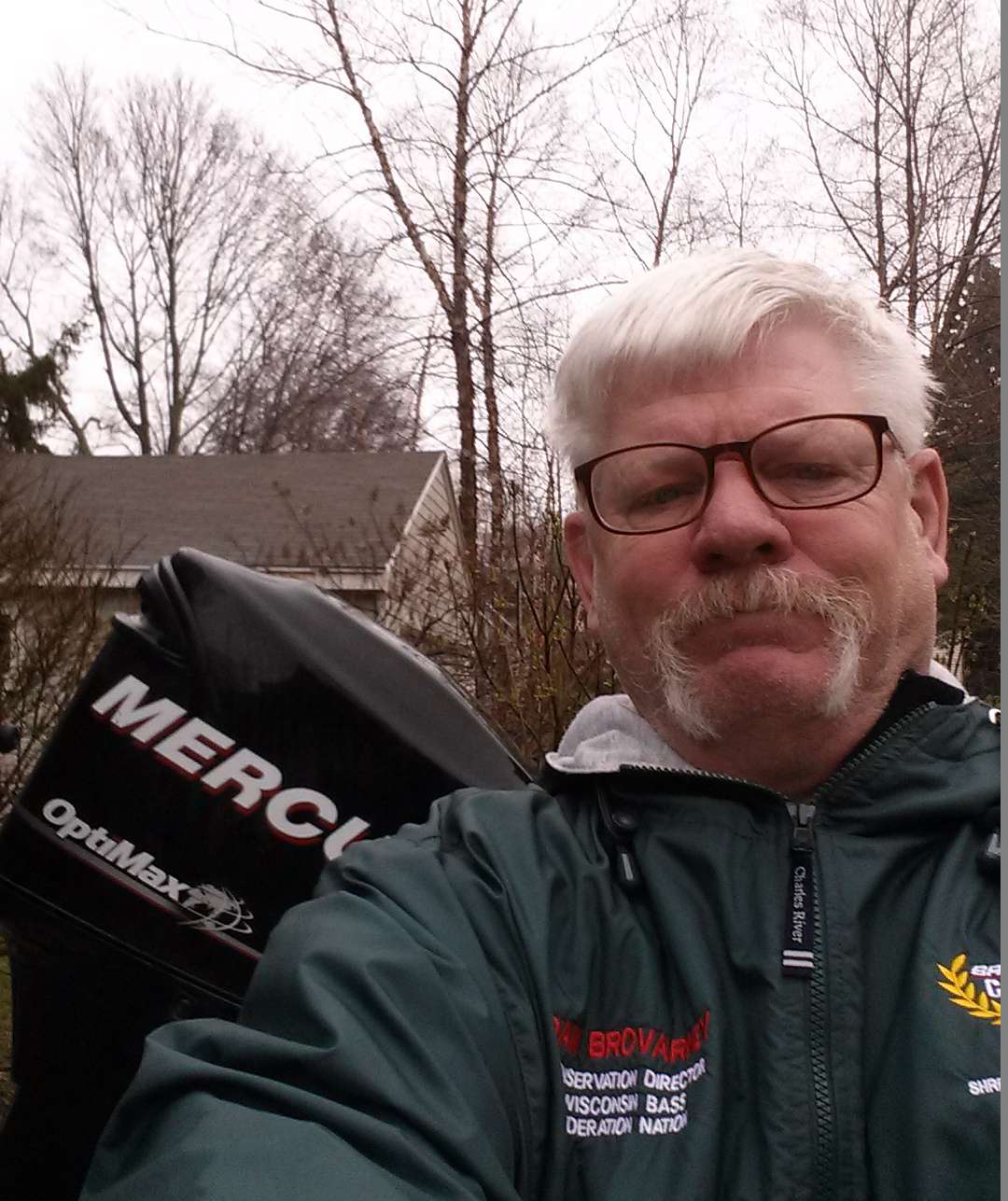
But challenges remain, says Dan Brovarney, state conservation director.
“The big picture needs to contain a focus on developing relationships with the legislature and Department of Natural Resources,” said Brovarney, who owns Brovarney Baits and is a member of Amelia’s Anglers bass club.
“The Wisconsin DNR has recently undergone some major changes that will either be beneficial to the B.A.S.S. cause or may be a setback,” he added.
“The head of fisheries is new and is taking over a division that has lost some major contributors, including the head of the bass team. All of the work and meetings by the B.A.S.S. Nation that went into bass-related work at the DNR is in jeopardy if the B.A.S.S. Nation doesn’t not keep up the pressure.”
Two key issues, Brovarney said, are re-evaluation of trophy and slot limit lakes and their availability for tournament use.
“During the culling fight years, the trophy lakes plan was used to deter use of lakes by tournament anglers, mostly in high-rent districts,” he said.
Additionally, the B.A.S.S. Nation needs to work with other angling and hunting groups to repeal a railroad trespassing law, which prevents the public from crossing railroad right of ways to access prime fishing and hunting areas.
“That rule was changed at the railroads’ request to allow them clearer authority in arresting activists blocking bridges,” said Brovarney.
Brovarney has been a B.A.S.S. member since 1982, and he has served in a variety of positions, including club vice president, club representative, tournament director and WBN political advisor.
The latter position was created for him so he could lobby in Madison, the state capital, for legislation to allow culling in permitted events.
“For many years, the approach we took was to present scientific arguments against the misinformation,” said Brovarney. “Without a concurrent move to influence the legislature, the science was ignored. It was only after we shifted our focus to get the lawmakers on our side that we were able to realize any successes.”
In 2011, Gov. Scott Walker finally signed into a law that allowed culling, a victory that required decades to achieve.
Along with maintaining a good working relationship with the legislature and DNR, Brovarney said, the WBN needs to be proactive in recruiting younger members into leadership positions, as well as maintain “a commitment to youth and conservation in a world more focused on competition.”