Visit Brunswick, Georgia and you’ll find Lanier’s Oak; a Georgia historical site standing on the grassy median separating U.S. Highway 17. From beneath the shady branches, poet Sidney Lanier, found inspiration for his famous poem, “Marshes of Glynn,” which describes the sprawling Glynn County salt marshes separating mainland Brunswick from the Golden Isles.
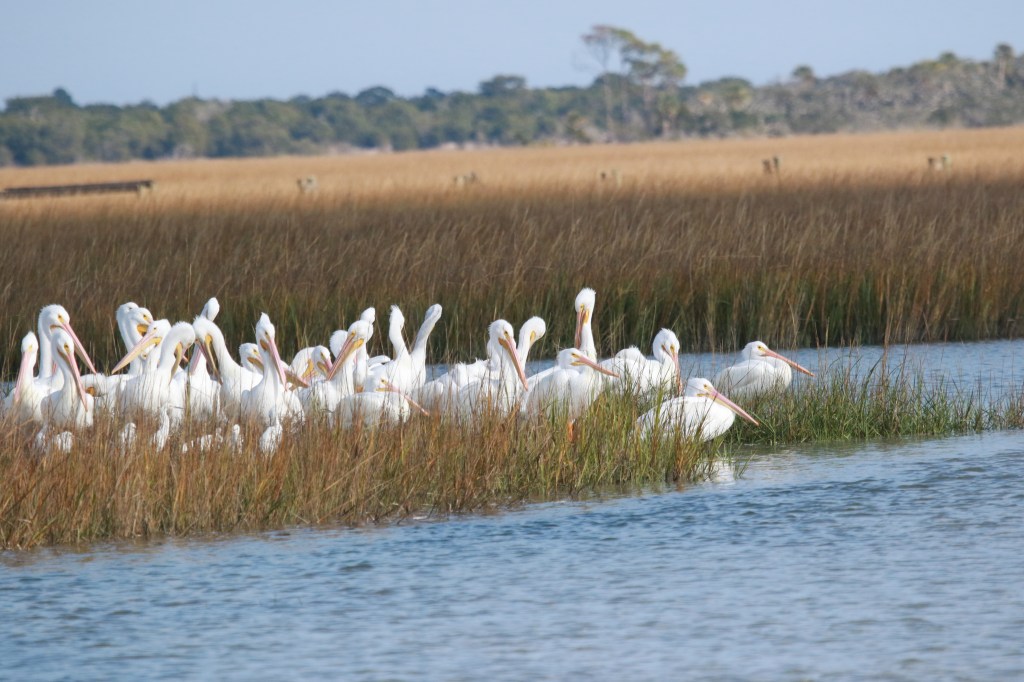
No doubt, Georgia’s coastal zone merits state pride, but the same can be said from the Gulf Coast, to the Carolinas, where vast acreage of thin, stalky vegetation — spartina grass or Roseau cane — anchors a typically muddy habitat that offers warmth in colder times and a year-round food production facility.
With baitfish, crabs, shrimp, snails, and marine invertebrates providing abundant feeding opportunities for a host of sport fish species, salt marshes present one of the most dependable and user-friendly of coastal habitats.
Who’s home?
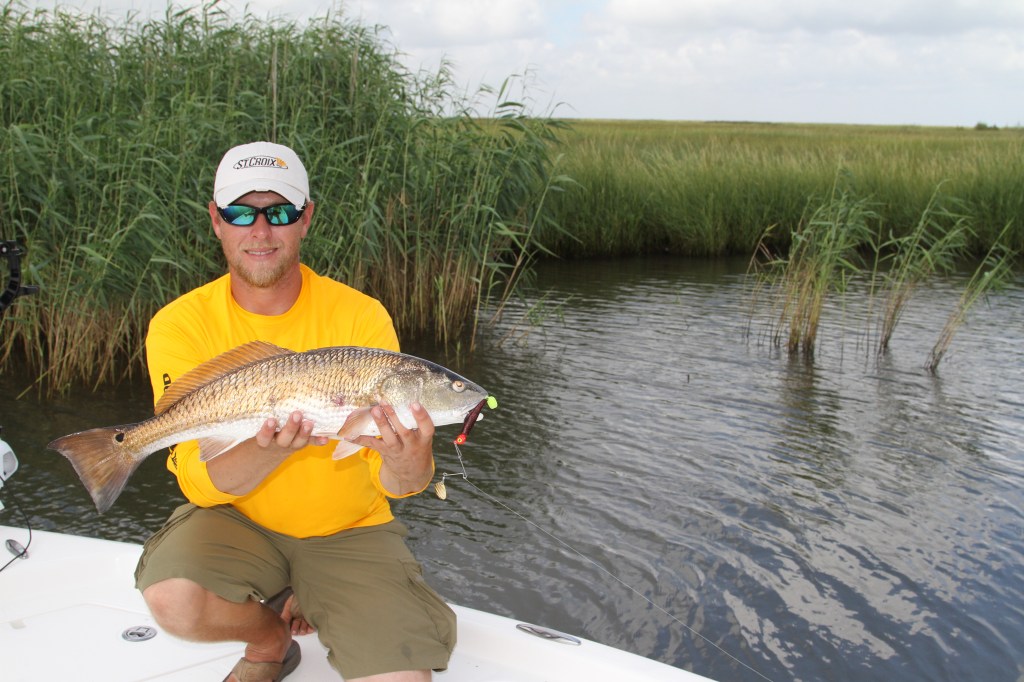
Probably the most consistent of southern salt marsh species is the redfish. Hardy, aggressive and built for memorable battles, this shimmering auburn fish with one or more dark tail spots, will graze the shallow marsh edges for all the crawling crustaceans they can find, while gobbling any finger mullet or mud minnows that wander their way.
A close relative, the black drum, has a steeper profile, noticeable barbels on its chin and dark vertical bars. A similar looking fish, the sheepshead, sports more vertical bars and easily differs from the drum with its protruding sheeplike teeth and thick dorsal spines.
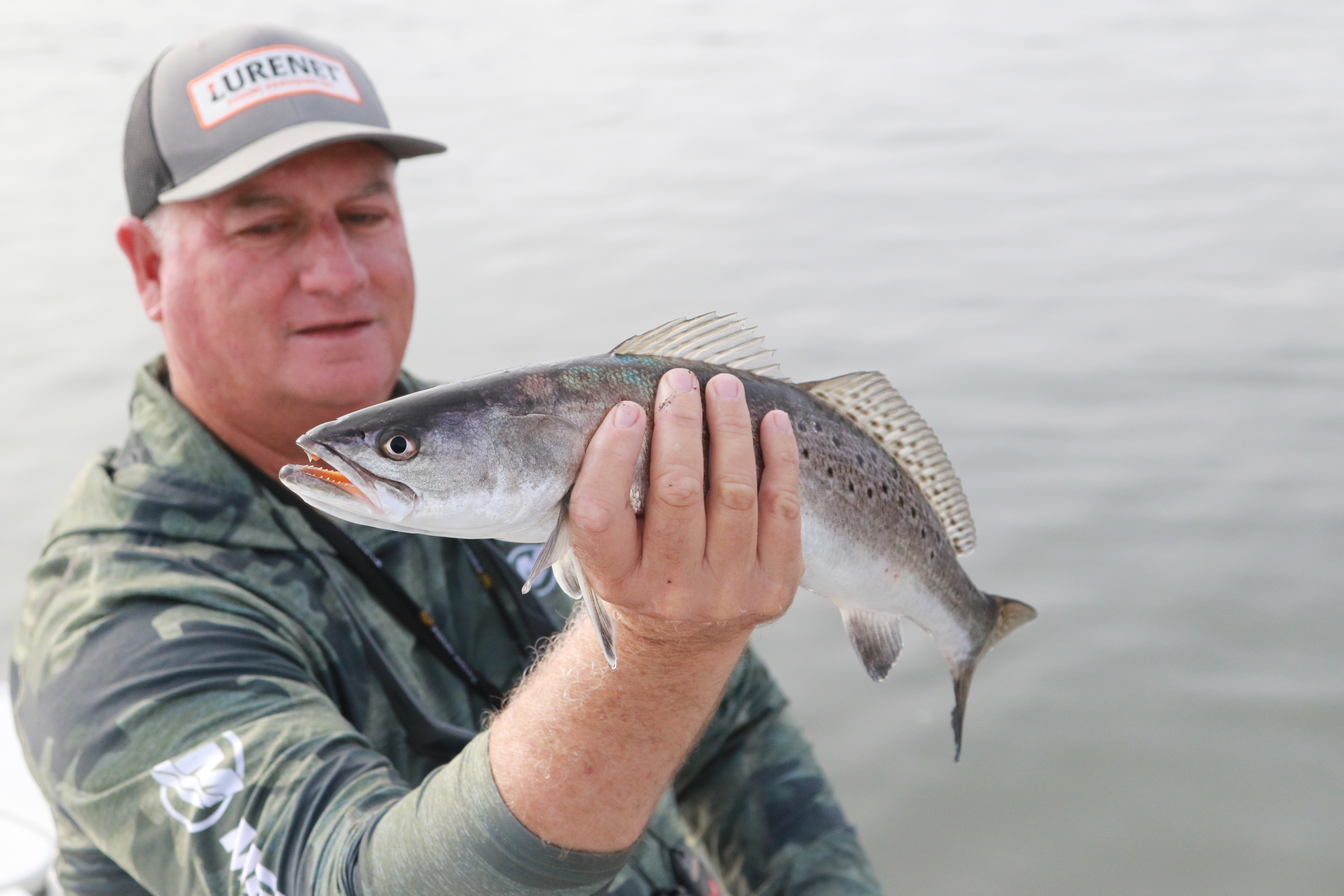
Speckled trout also roam salt marshes, as do the flat bodied flounder — both prized for their table fare. You’ll also find the hard-charging jack crevalle, mullet, ladyfish and juvenile sharks utilizing the salt marsh scene, while Florida and South Texas marshes often add snook to the mix.
Complementing the sport-fishing opportunities, salt marshes offer amazing wildlife viewing. You might spot a raccoon foraging along a low-tide mud flat, river otters poking their heads up for a better view, or deer swimming from one marsh island to the next.
Look closely and you might spot a blue crab scampering along a shallow grass edge. And on low tides, exposed mud banks bristle with the fiddler crabs that redfish, drum and sheepshead will seek once the water returns.
Consistently, the birdlife never fails to delight marsh anglers. From brown pelicans and cormorants, to roseate spoonbills, white ibis, herons and migratory species like white pelicans and hooded mergansers, you’ll definitely want to bring your camera.
Productive Areas
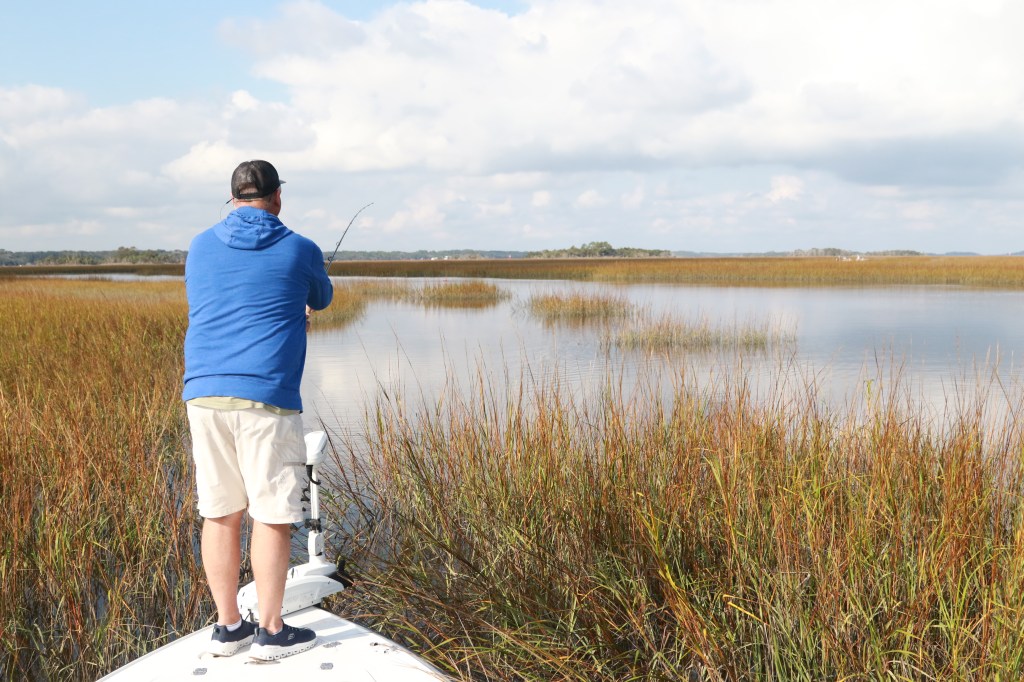
The good thing about a salt marsh is that it all looks fishy. The downside — it all looks fishy. If you’re only there for the ambiance and wildlife photos, take your time and have fun; but if bending a rod is your goal, learn to break down the vastness by understanding the key elements.
During a recent outing, Jacksonville, Florida’s Capt. Chris Holleman pointed out several fish-friendly marsh features.
Creek Mouths: Outgoing tides bring baitfish and crustaceans into predictable feeding areas, so predators gather just outside the creek to pick off easy meals.
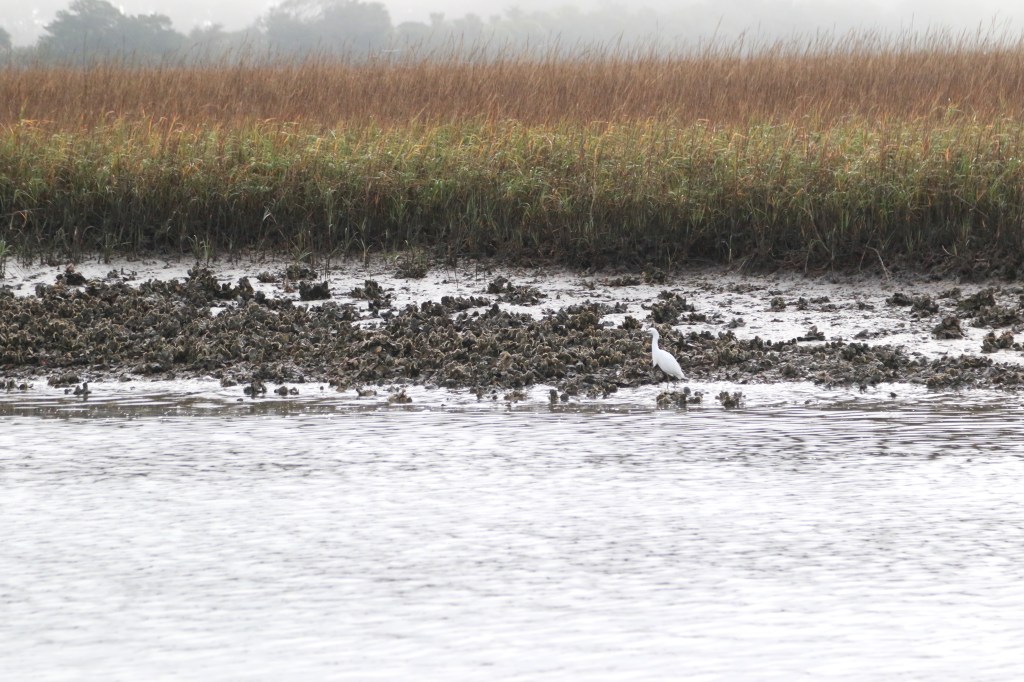
Oyster Bars: Natural habitats for crabs, shrimp, worms and various baitfish, these shell mounds are the salt marsh food court. Redfish, drum and trout will move progressively higher onto the bar as rising tides allow. When the water falls, they’ll drop off to the perimeter depths.
Broken Marsh: Holleman likes a dense grass line with patchy areas where redfish can wiggle into the vegetation to feed. As he notes, late summer’s extreme high tides flood the marshes and allow reds to venture far into the otherwise shallow areas. This makes for exciting sight fishing opportunities.
Grass Island: Don’t overlook isolated patches of marsh grass, as these unassuming stations often become redfish parking spots.
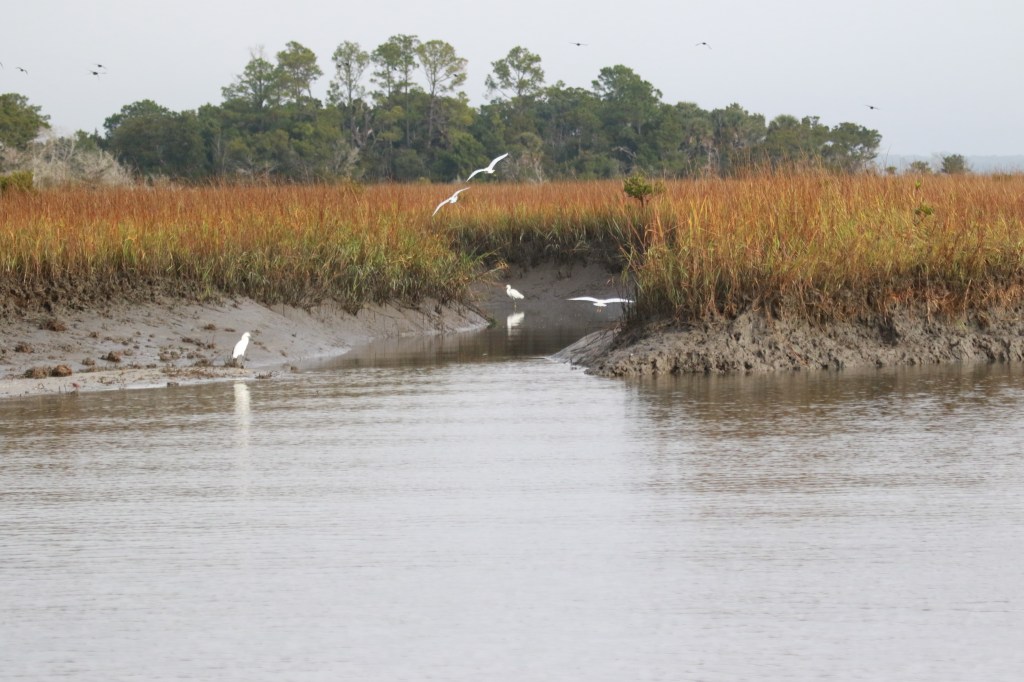
Cuts and Drains: Anywhere water funnels between dense vegetation, these neck-down points create a current accelerator, which predators will use to their feeding advantage. On high water, cast into these marsh ribbons for fish exploring their bounty. When the tide’s falling, work the openings as you would a main creek mouth.
Top Tactics
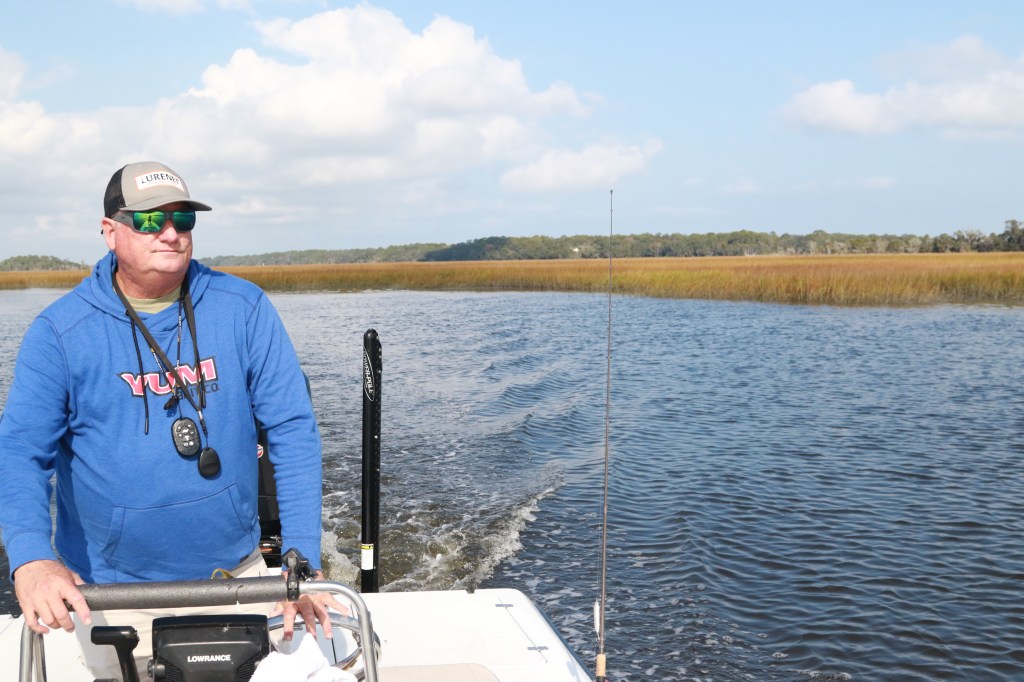
On high water, Holleman likes walking a Heddon Saltwater Super Spook Jr. along marsh grass edges. Look for finger mullet rippling along the surface and work your bait like a straggler to tempt redfish and trout.
Holleman’s also fond of shallow diving baits like the Booyah Flashpoint Jr. and the Cotton Cordell Redfin. Gold and silver bait with dark backs tend to stand out best in the typically stained marsh waters.
Lead head jigs with paddletails or curly tails are a good bet for open water, but for working through broken marsh areas, replace the jig with a screw-lock style wide gap hook and add a light bullet weight to your line. This weedless arrangement easily navigates the marsh grass.
Here’s a helpful marsh tip: With jigs or weedless setups, occasionally pausing your bait along grass edges and slowly hopping it over the muddy bottom will often interest the flounder that stake out the best feeding spots.
Spinnerbaits are another marsh favorite, especially in Louisiana, where the flashy bait resembles the crabs redfish seek. Similarly, retrieving a bladed jig through scattered marsh grass can produce fireworks.
For beginners, a popping cork rig blends ease of operation with proven fish-catching ability. Hang a live shrimp, pinfish, croaker, or pogy (menhaden) beneath the cork and give the rig a sharp tug to create a surface commotion that attracts predators. When a trout or redfish responds to what sounds like feeding activity, the vulnerable bait dangling below is usually an easy sell.
Coastal Considerations
In fairness, we can’t promote the salt marsh appeal without pointing out a few potential drawbacks. All are manageable, but go prepared, so your day ends well.
Access: Tides are the gate keepers of shallow coastal habitats and those narrow creeks winding through the marsh grass have a way of drawing your further and further into their alluring realm. The reward of finding secluded and cooperative fish is worth the trip, but make sure you know the day’s tide schedule (available on weather apps and navigational electronics).
It’s not uncommon for marsh beginners to spend so much time fishing and exploring interior waters that they lose track of the tide status. Rushing and trying to make your way out before low tide is a good way to run aground on a muddy point or a bar at the creek mouth. Marsh mud’s usually oatmeal thick and unforgiving, so don’t risk a 6-hour stranding.
“At high tide, the marsh grass will look bright and green, because that’s the part that’s standing above the water,” Holleman said. “At low tide, the lower part of the grass looks dark and brown (from the mud left by rising and falling water).
“If you’re approaching a marsh and you don’t know the tide schedule, find a creek mouth and see if there’s water falling out. If there is, it’s an outgoing tide.”
Competition: Porpoises, while pleasantly photogenic, do not enter marsh creeks to pose for your pleasure. They’re looking for food and their targets are often the same as yours — redfish, trout and the mullet with which these predators often mingle.
In a broad, open marsh pond, you can work around the porpoise problem, but when you’re stealthily sneaking back into a narrow creek, watching a couple of these highly efficient predators zip past you defines “no bueno.” They may not eat every fish in the creek, but the others will likely be too terrified to bite.
Frustrating, but the Marine Mammal Protection action makes harming or harassing porpoises a federal offense. You can’t directly impede their feeding or take any action to drive away porpoises, however, if you’re fishing a narrow marsh creek, try angling the boat to block further access, or lay your push pole across the creek to dissuade any approaches.
Insects Irritants: Salt marsh islands that catch and hold pools of fresh water, or interior fresh to brackish areas can become mosquito nightmares. Even absent these blood suckers, horse flies and tiny sand gnats (aka “nosseeums” or “jaws with wings”), can create unbearable situations.
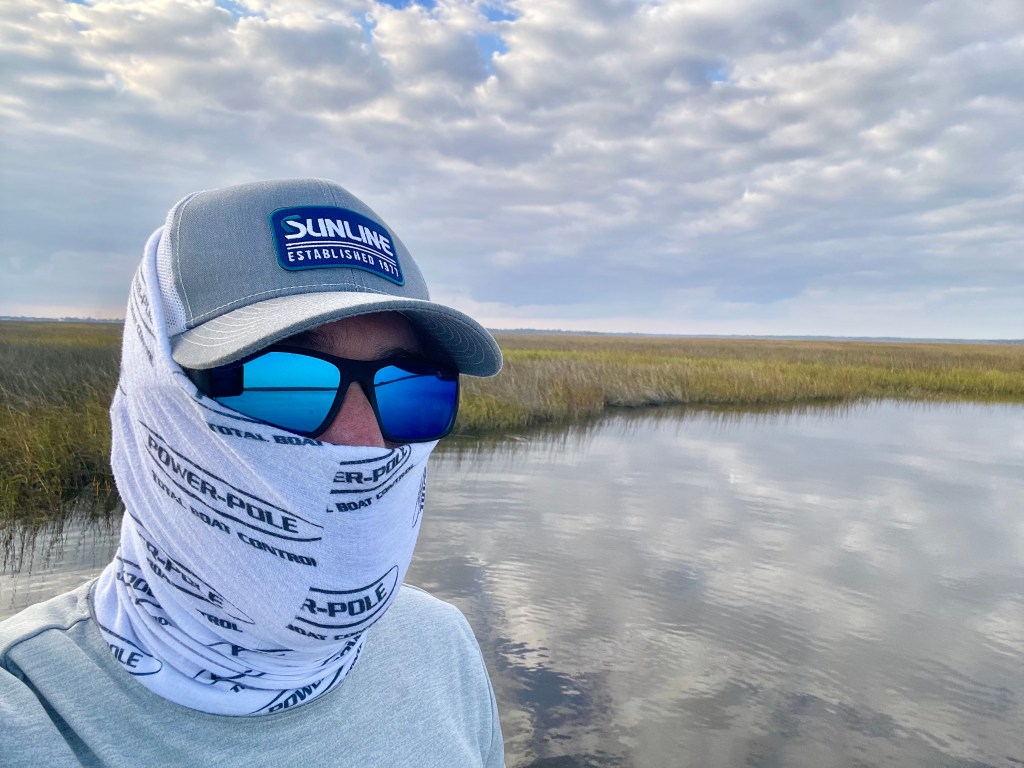
Insect repellants are helpful, but I like to add a neck gaiter and pull it over my nose and wrap the back side over my hat. With wrap style polarized sunglasses, I can mostly isolate my face. Wearing long pants with a long sleeve shirt and adding open finger fishing gloves like AFTCO’s Solblok Gloves (https://www.aftco.com/products/solblok-fishing-sun-gloves?view=cc-29602) helps keep bugs at bay.