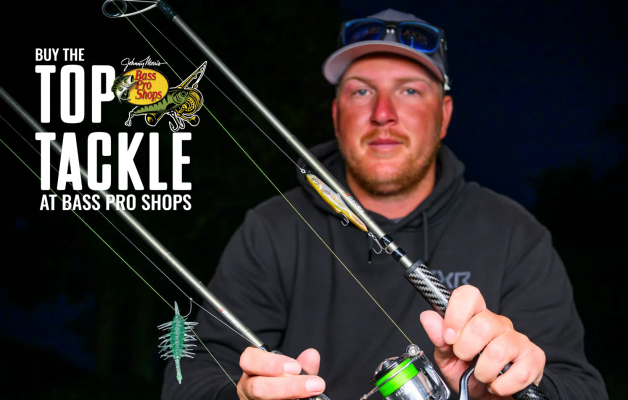
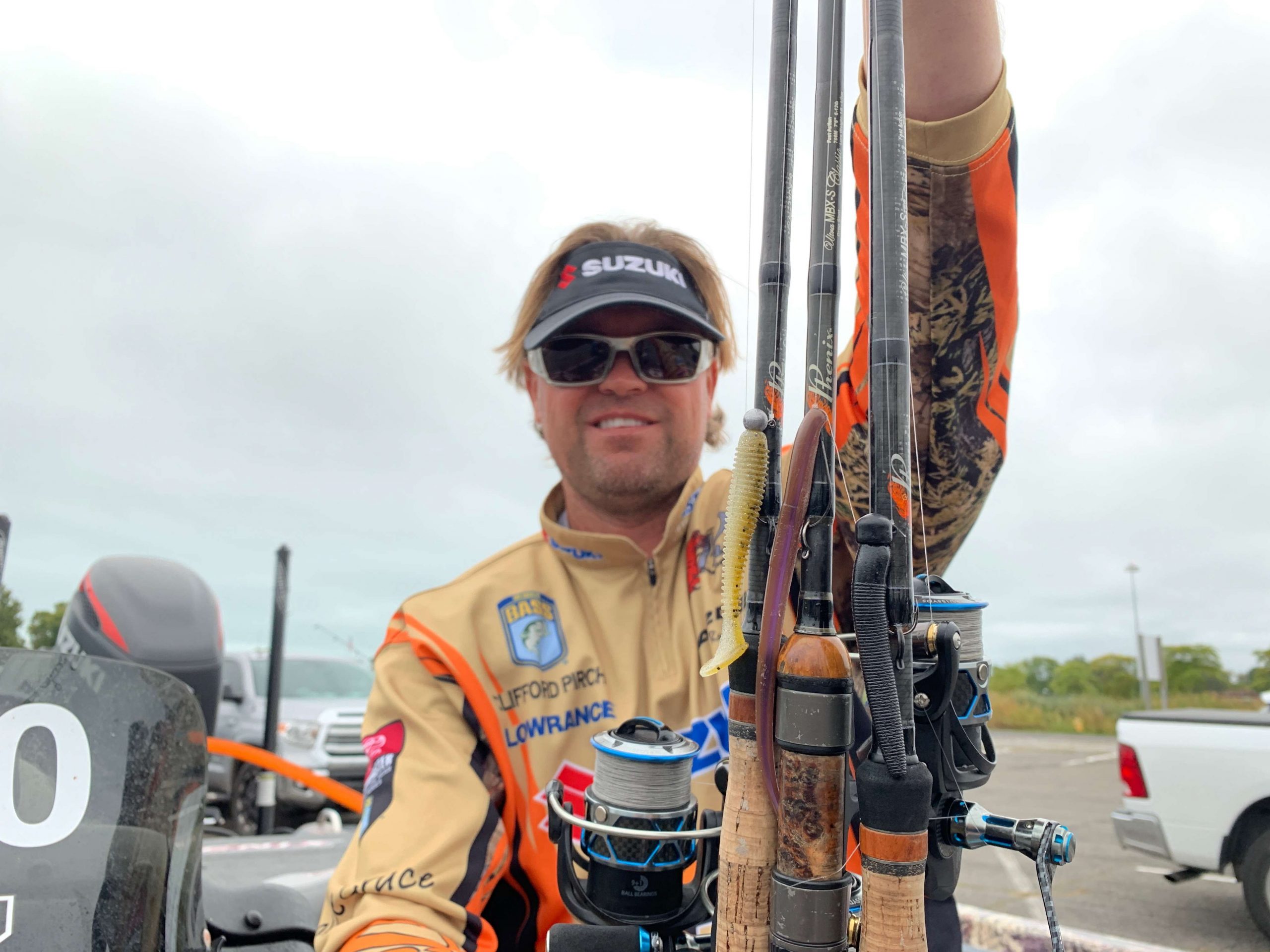
âHistorically, finesse fishing has kept me consistent,â Pirch said. âIt has kept me in the points range to make the Classic. It puts fish in the boat when your power pattern is not working or your home run deal isnât happening.
âI always have some finesse rig on standby. You can always find these in my rod locker.â
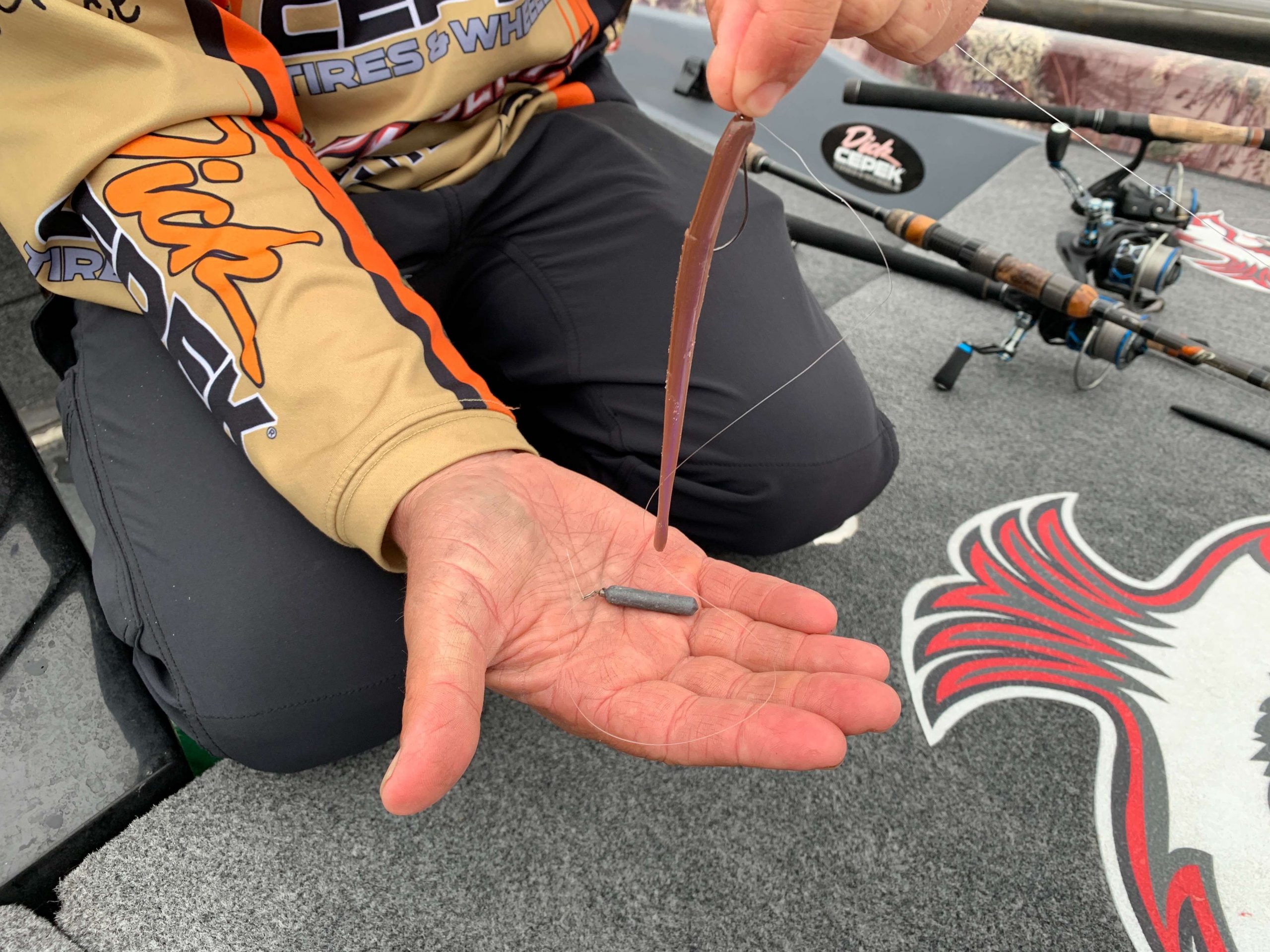
Calling this iconic rig his number one go-to, Pirch said heâll employ a dropshot â usually with a 4 1/2- to 6-inch finesse worm â mostly for target-oriented fishing. However, heâs confident in the dropshotâs ability to earn tough bites, especially when heavy fishing pressure squeezes down the opportunity level.
âThe nice thing is you can rig it Texas style for fishing around cover, or with a nose hook or wacky style for open water,â he said. âIt just depends on where youâre fishing.â
As for leader length, Pirch says this: âI keep it simple, but if your line is leaning at an angle on a long cast, you can go longer on the leader to keep bait off bottom. Also when you want to present your bait above cover, a longer leader can help. Most of the time, you canât go wrong with a 12- to 14-inch dropshot leader.â
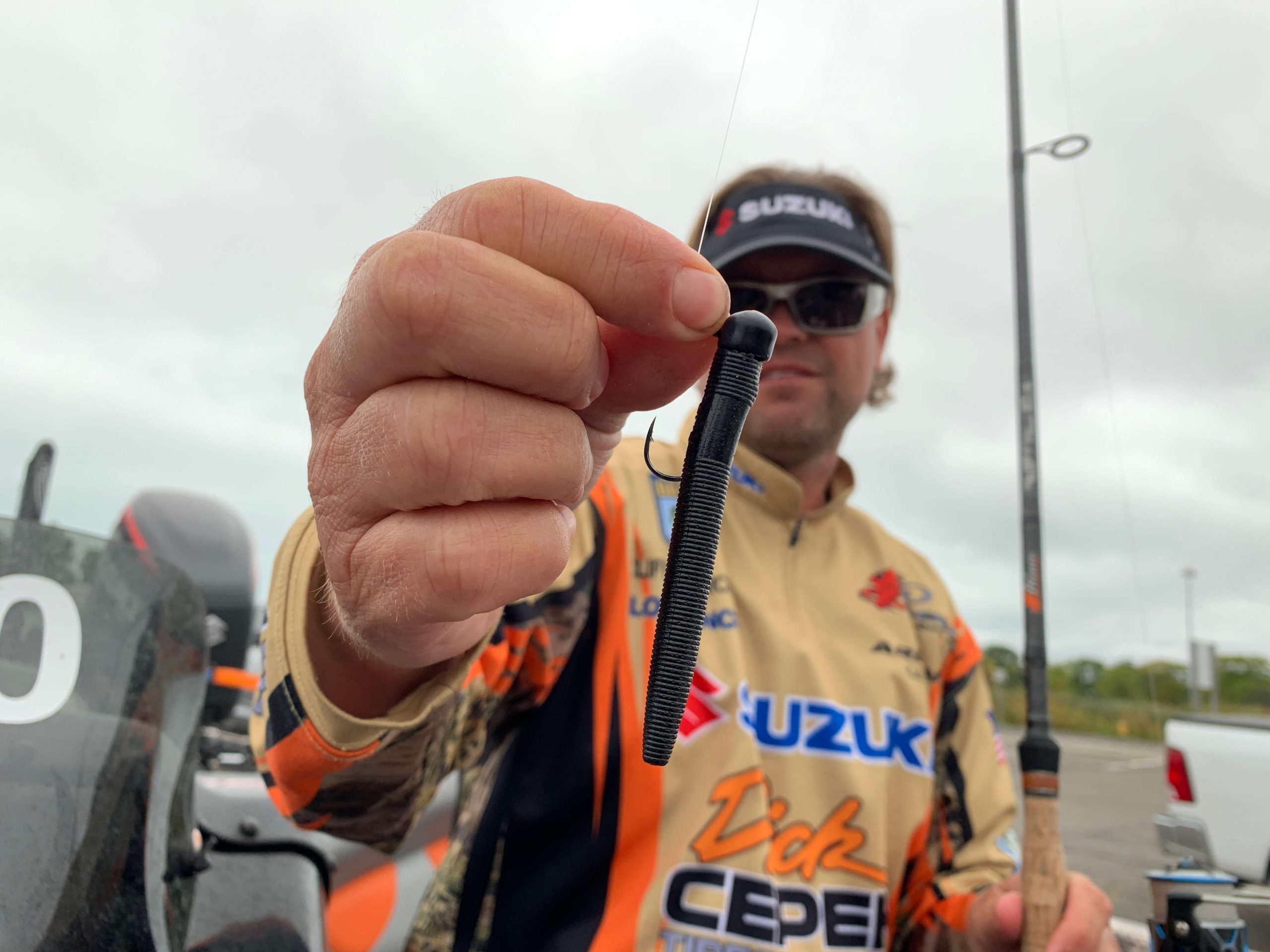
A fellow Arizona angler makes a Ned head that Pirch favors for its stout hook and bottom-friendly head. Lauding the manufacturerâs selection of sizes, he also points to the necessary balance between hook power and finesse design as a key feature.
Pirch will match this with half a Big Bite Baits Trick Stick to create the sub, yet remarkably appealing profile that make the Ned rig a dependable bite-getter. His ideal setup is 20-pound braided main line with an 8- or 10-inch Seaguar fluorocarbon leader.
âThe beauty of a Ned rig is your can fish it on the bottom, but you can also fish it for suspended fish; and you can fish it on walls,â Pirch said. âItâs pretty three-dimensional. At times, it might outwork a dropshot. For example, when fish are suspended, the Ned rig might work better because I donât have to worry about a leader.
âAlso, if the fish are bitting on the fall, the Ned rig falls clean. You donât have that leader and weight falling ahead of the bait, like you do with a dropshot.â
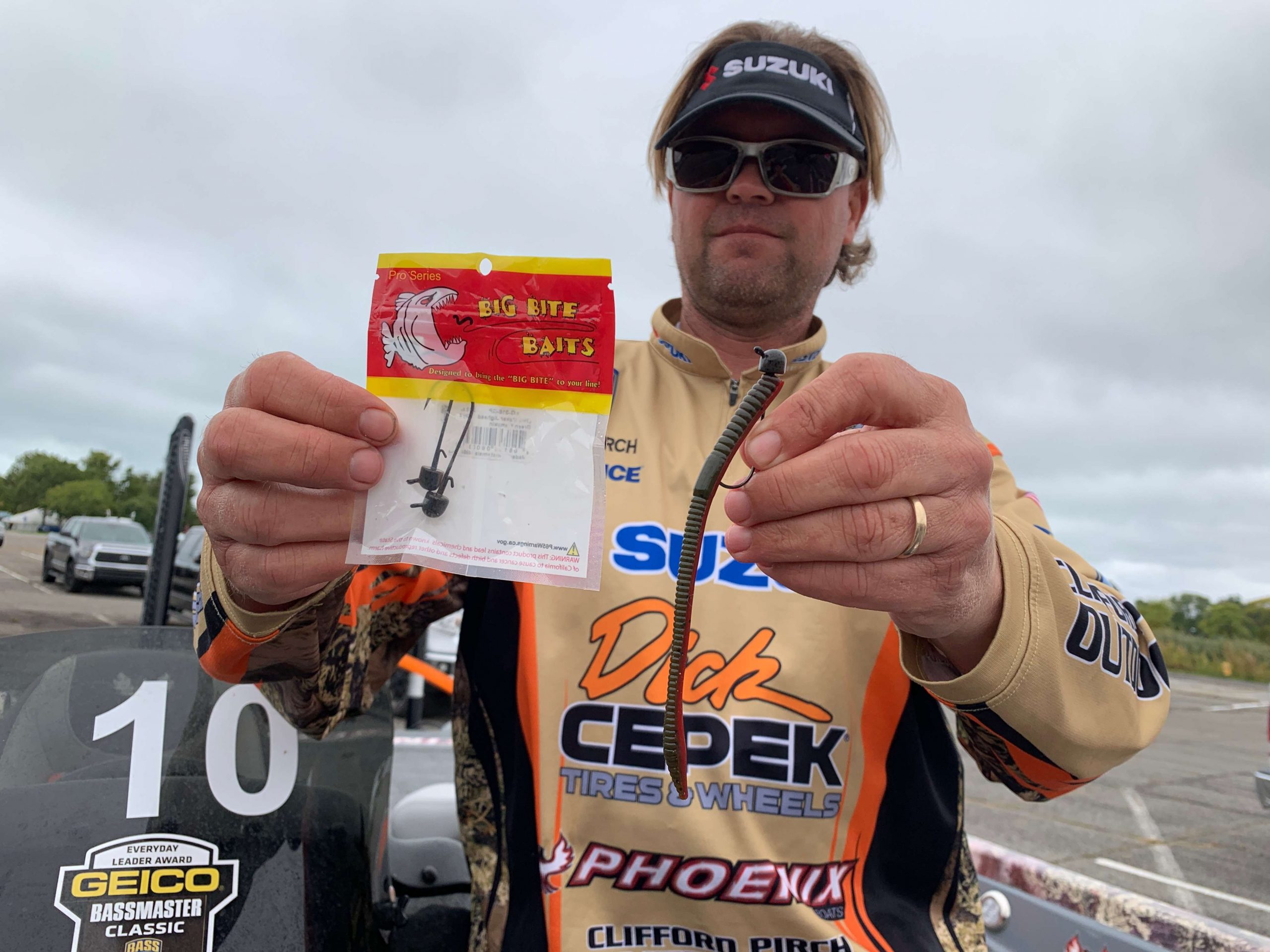
Often referring to this as the âjig head wormâ technique, Pirch prefers the Big Bite Baits Finesse Worm Gamakatsu Jig Head, but he points out a key design preference.
âBig Bite has (multiple) styles and I like the one where you thread the worm on the hook over the one with the screw lock,â he said. âI feel like when time is of the essence, the actionâs hot and you need to put on a new worm, this style is faster.
âThe screw lock keeps your bait on there longer, so there are benefits to both, but I just feel better about the quickness of rigging a new worm when Iâm in a time-sensitive situation.â
Pirch pairs his shaky head with a 6-inch Big Bite Baits Finesse Worm. His top colors: green pumpkin, tilapia, black and a green pumpkin/red style known as âSalt River crawâ among Western anglers.
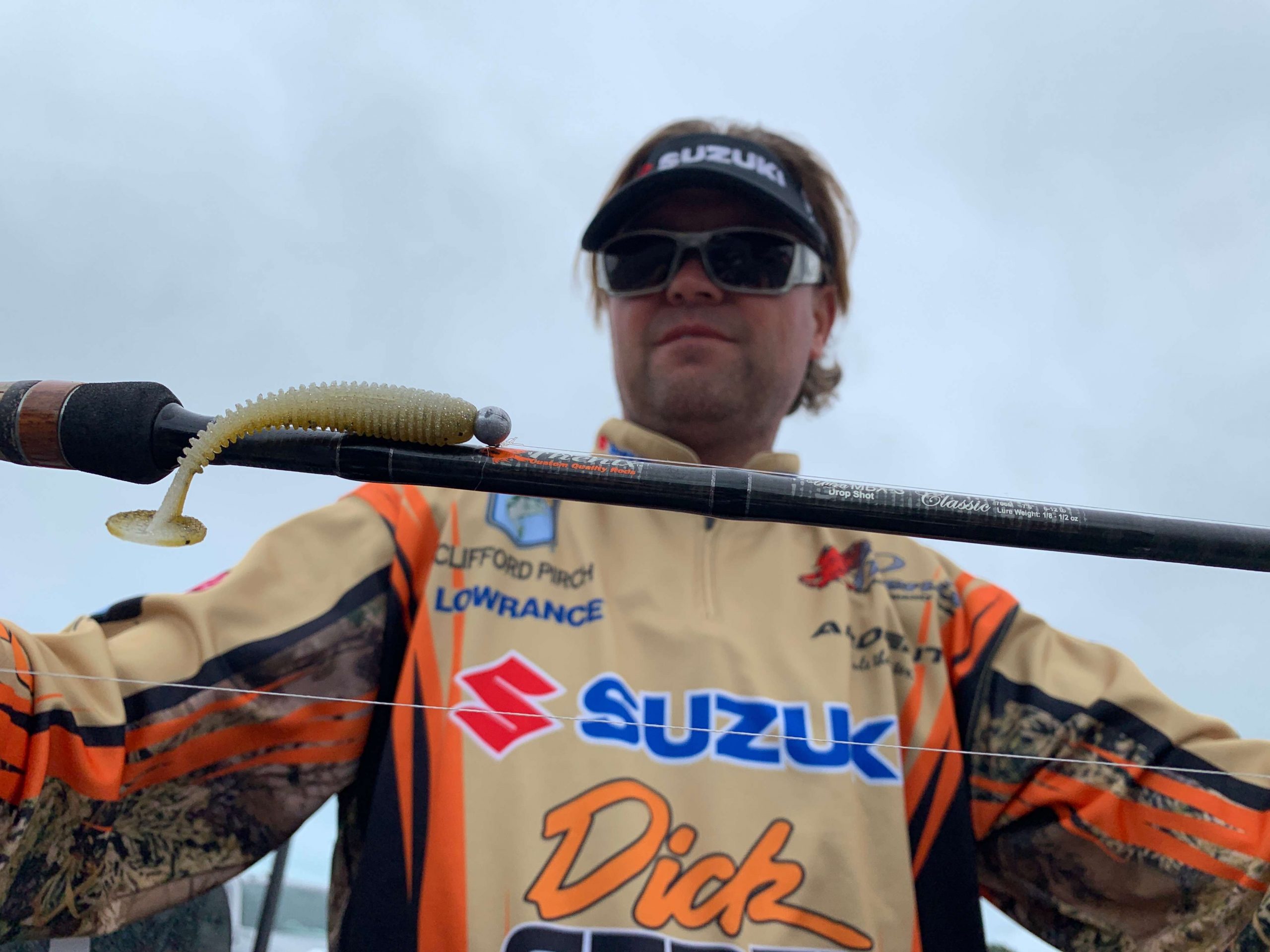
Soft body swimmers play a wide array of roles, but Pirch knows that downsizing to a less imposing swimbait profile can give him the right look in specific scenarios. Fish will often follow bigger swimbaits without committing and in such instances, itâs usually a match-the-hatch issue.
âI like a small, compact bait with good tail action, something thatâs not too bulky,â Pirch explains. âThe whole point is finesse because Iâm trying to get fish to bite in tough scenarios, or when theyâre feeding on small baits.â
Rotating through a handful of small swimbaits, including the Big Bite Baits Pro Swimmer, Pirch rigs each on a Hayabusa Delta Swimbait Hook. Noting that he favors this head for its needle sharp hook, heâll use a 1/8- to 1/4-ounce, depending on the variables of wind, depth and line size.
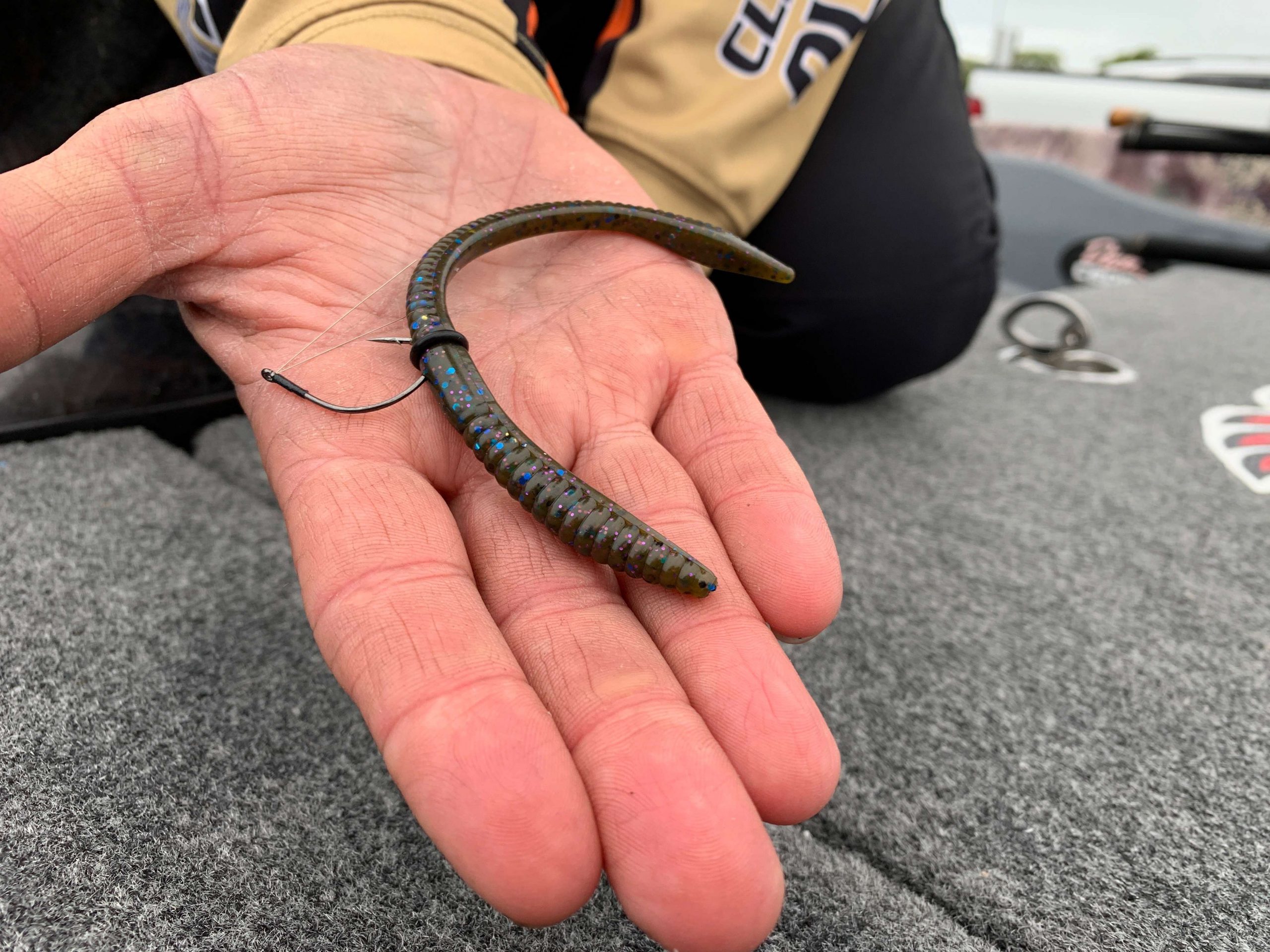
This evolution of the wacky rig finds the hook positioned parallel to the body and closer to the nail-weighted head. The benefit is a more targeted cast and a faster fall than traditional wacky rigging.
For this technique, Pirch uses a 4-inch stick bait with a 1/32- to 3/32-ounce nail weight. Water depth is the primary size determination; heavier for deeper spots, less for shallow.
Pirch said he prefers Hyabusaâs Power Wacky hook. This hook comes in weedless and open styles, so he keeps both handy to accommodate whatever is day presents. He goes weedless for cover such as docks or wood, while the open style best fits the open water scenarios.