
Dock Talk at Tenn-Tom 2026

Another no-forward facing sonar event has many options in play.

No forward-facing sonar. That’s the rule of the week at the 2026 Mountain Dew Bassmaster Elite at Tennessee-Tombigbee Waterway. The third Elite of the split scoping season could lean toward heavy tackle and power tactics.
The gnarly backwaters, channels and otherwise shallow riverine habitat is the ideal setup for an old school show like the first non-scoping event on Lake Guntersville won by Hank Cherry … on a simple soft plastic grub and jig head. 
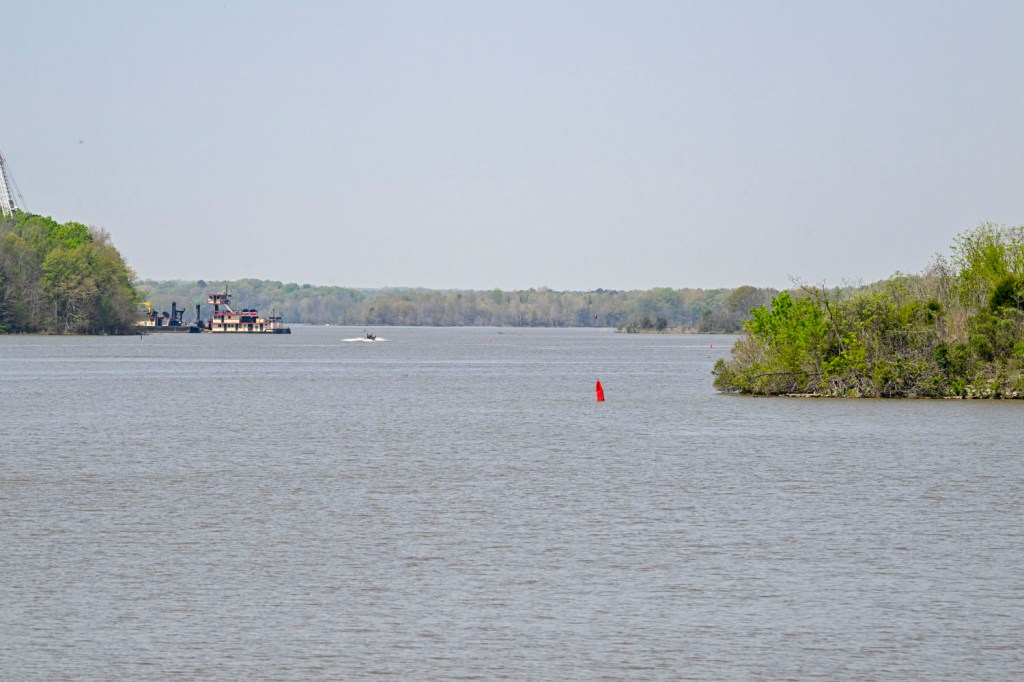
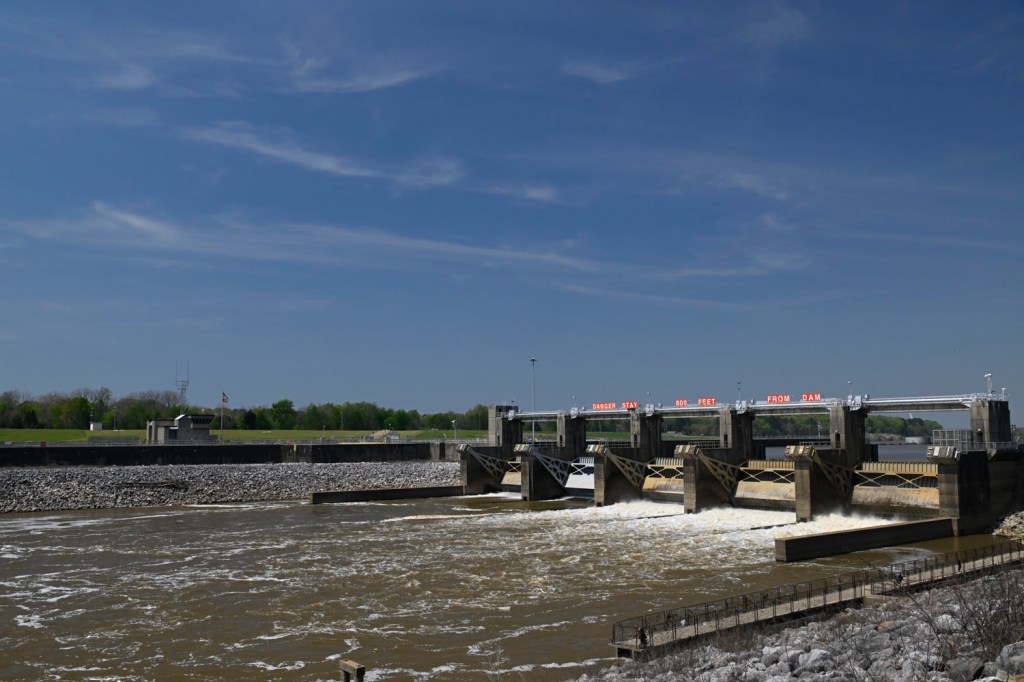
Beyond the technology twist the other significant factors in play are the locks and dams the anglers must traverse if they choose to venture outside Columbus Lake, location of takeoff and weigh-in. Locking decisions, travel time, and the wild card of barge traffic could make or break a successful day. 
What’ll it be? Old school tactics for the win? Run and gun and junk fishing to make the cut? Stay close or run far? We asked those questions and give you the answers to decide if those are fact … or just dock talk. 
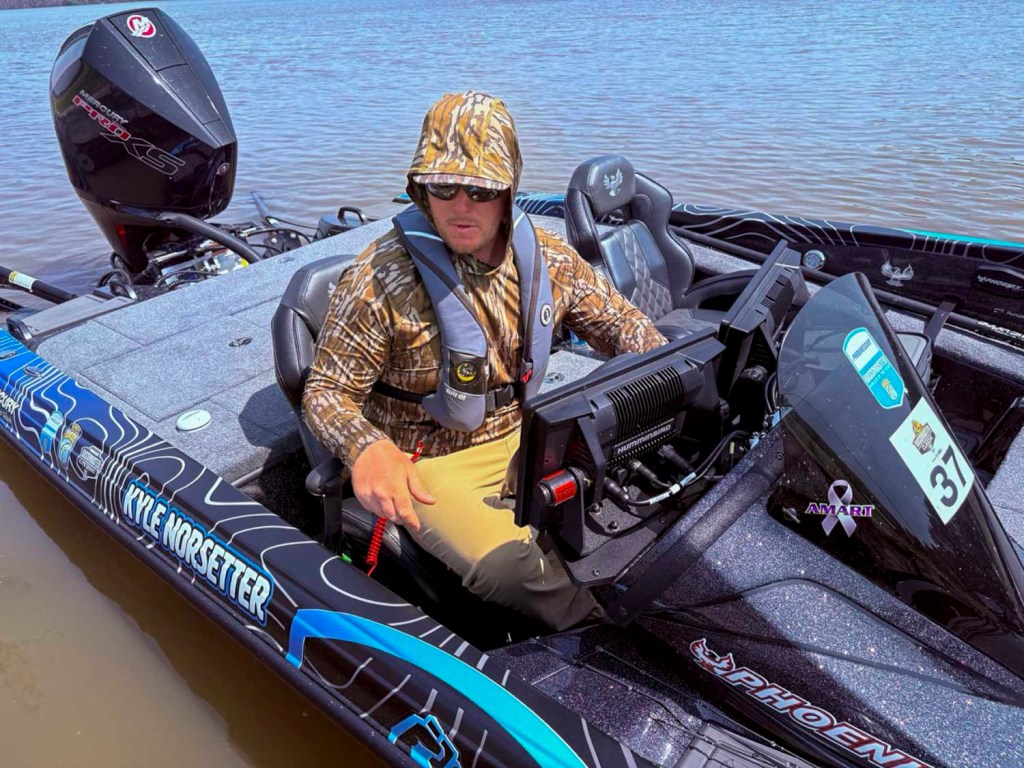
Kyle Norsetter
Will not having forward facing sonar make a difference? “It’ll make a huge difference for the postspawn bite especially with fry guarders relating to the large stumps that we’re not going to see without scoping. So really, it’s just not going to make it easier,” Norsetter said. 
“The dirty water runoff from the recent heavy rains will prevent sight fishing and it keeps funneling downstream. You can find some on spawning on beds, but the majority are guarding fry and that’s making it challenging. It’s 100 percent blind sight fishing. 
“That might not be part of my gameplan, which will probably instead be covering water with creature baits and fishing around areas like stumps, isolated trees and wood and hope those are spawning areas.”
Paul Marks
What are the advantages of staying close and running far? “Getting away from the crowds and fishing pressure, finding areas you can have to yourself. I think there will be quite a few boats staying around Columbus Lake. 
Can you run you run a pattern or will it take junk fishing? “I’m going junk fishing, just try and get five in the boat,” he said. 
“The advantage to running far is you have areas all to yourself and you can set up a milk run without it being thrown off by other boats along the way.” 
Wes Logan
Stay close or run away from the pack? “It’ll be a game time decision and boat draw number and time will be a big deal,” Logan said. “I think you can do good staying in one pool or moving around.
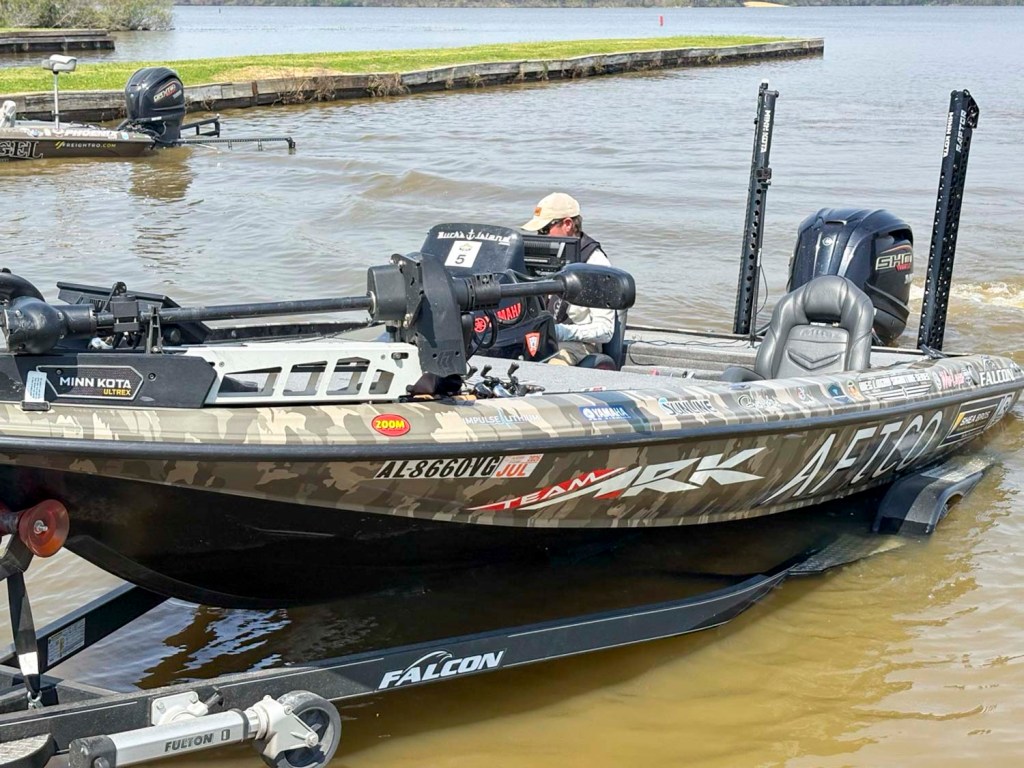
“With us being prioritized in the lock schedule it’s not going to be as stressful. I’ve checked two different pools and going to check another before dark and then make my decision.”
Mike Iaconelli 
What are the advantages of staying close or making a run? “There are split advantages. You maximize your fishing time by staying close, but I don’t think there is a motherlode nearby,” Iaconelli said. 
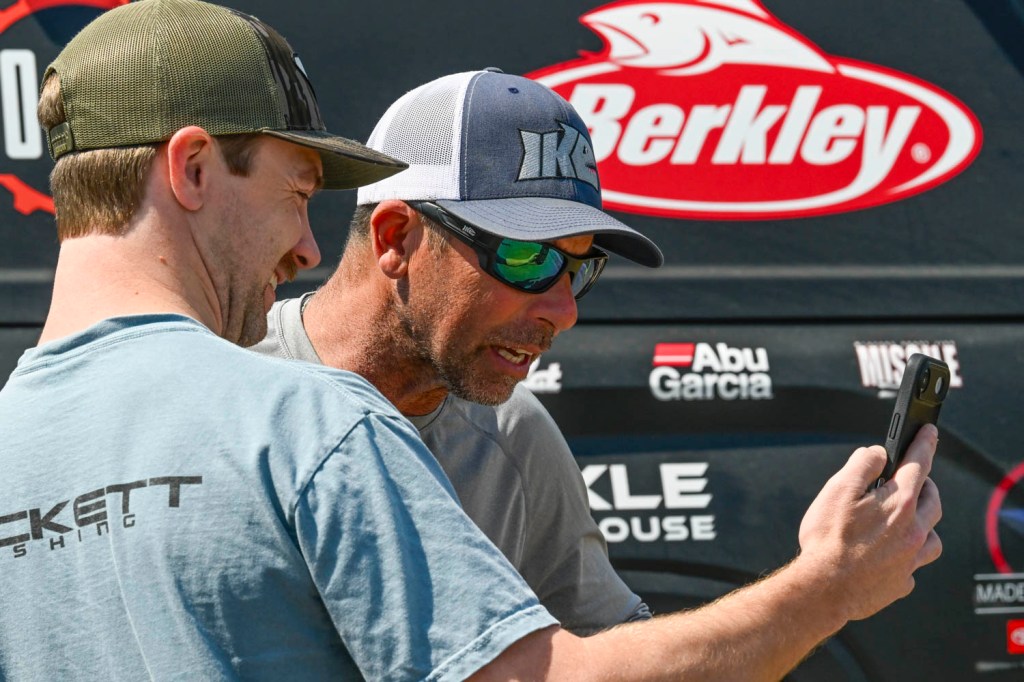
“With running far there is more of a gamble with locks, less fishing time if you venture outside the first pool, north or south. But those are the kinds of places where you can find that motherlode in one concentrated area.
“I’m going with the first option and not go outside of two locks to play it safer. I’m not staying too close and not going too far.” 
Alex Redwine
Stay close or make a run? “I don’t see any advantages of staying close given the fishing pressure,” Redwine said. 
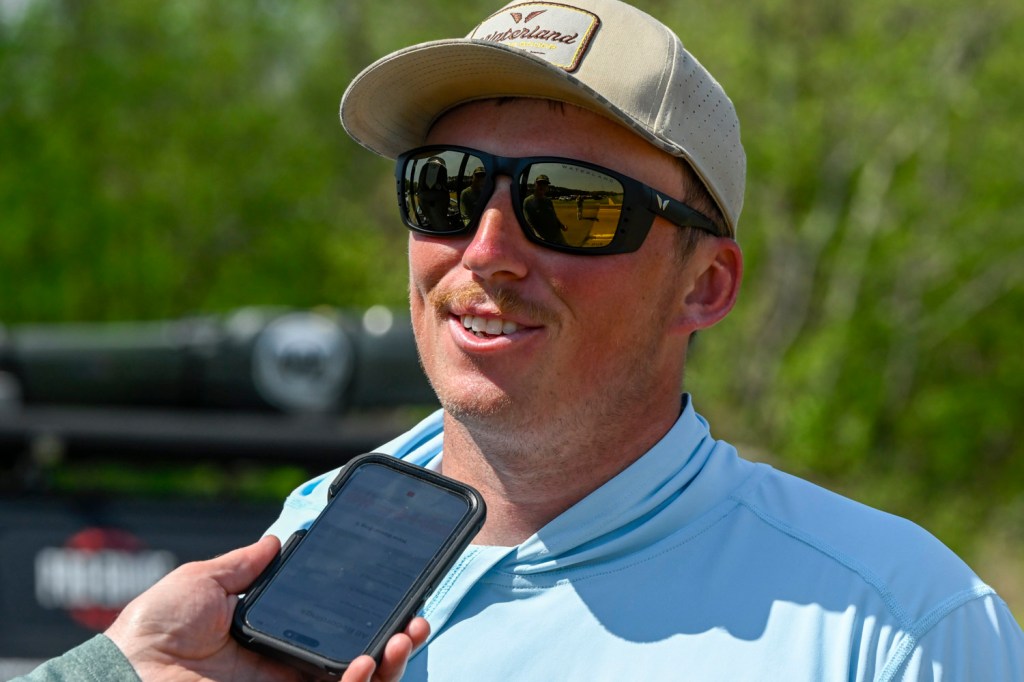
“I want to stay away from as many people as possible. That’s really all I must go by given it’s my first time here. 
“Sure, it could be won within a few miles of the ramp, but I just want the options to move around without any pressure if I do come up on a good pattern.”
Tyler Williams
Are you going to fish in the crowd or get away? “If you zero then you burned less fuel, so you are out less on your entire week, so it’s more of a business decision,” Williams said. 
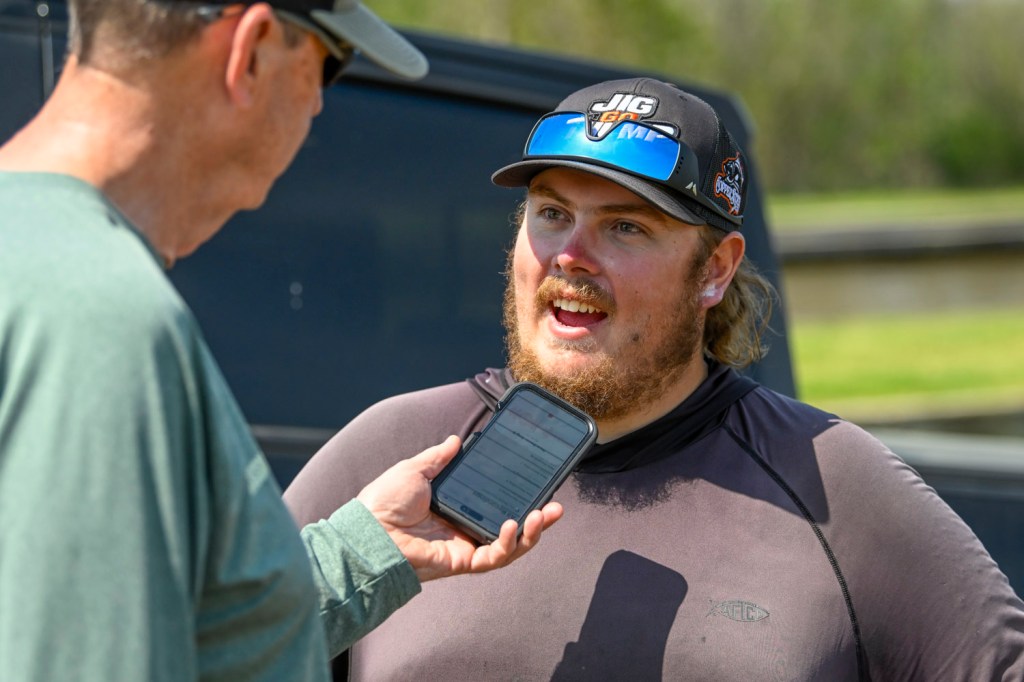
“Every time we go to a river that’s going to be tough that is always my game plan.
“Sometimes you catch fish and sometimes you don’t. I like to keep my losses to a minimum.” 
Kinta Kimura
Can you put together a solid pattern here or will it take junk fishing? “On Day 1 I’m going to go with the pattern I put together in practice,” Kimura said. 
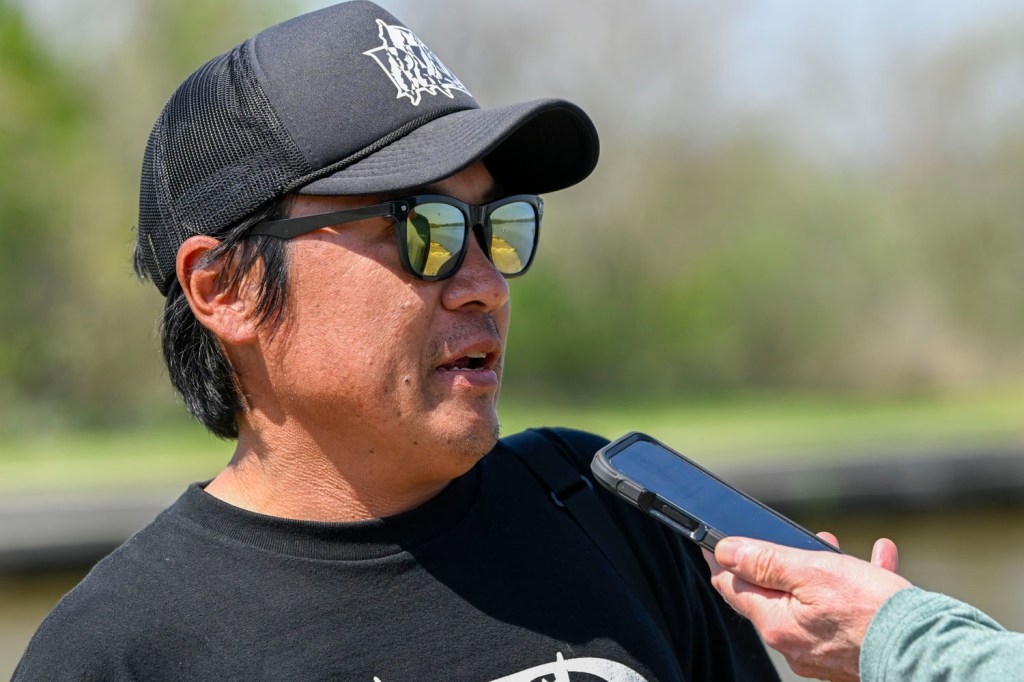
“After that it will take finding new fish every day. It will be hard to keep a pattern together two, three or more days.”
Why new fish? “There just aren’t enough concentrations of good fish in any one area. I’m not good at running far to catch fish, so I’m just going to stay close, maximize my fishing time.”
Andrew Loberg
One pattern, multiple tactics or all out junk fishing? “You can run a pattern but it’s spring and so much is going on with the spawning cycle. Out here it could change every day, and you’ll need to be flexible, prepared for it all,” Loberg said. 
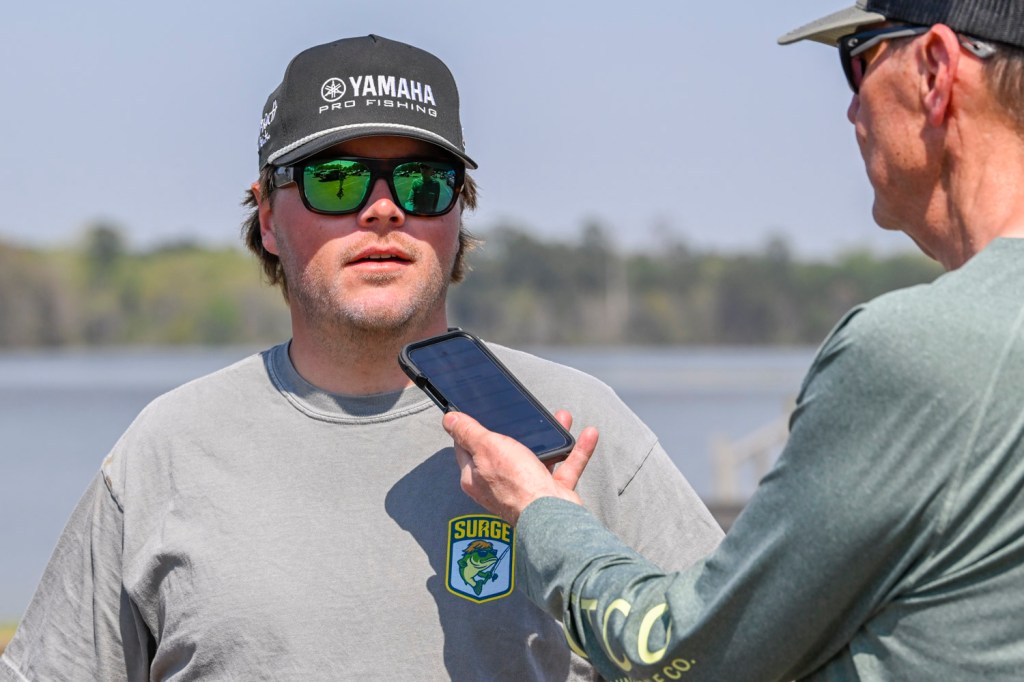
“I see it taking a lot of different tactics to get five fish. There’s a lot of pressure on the obvious areas that do have fish.”
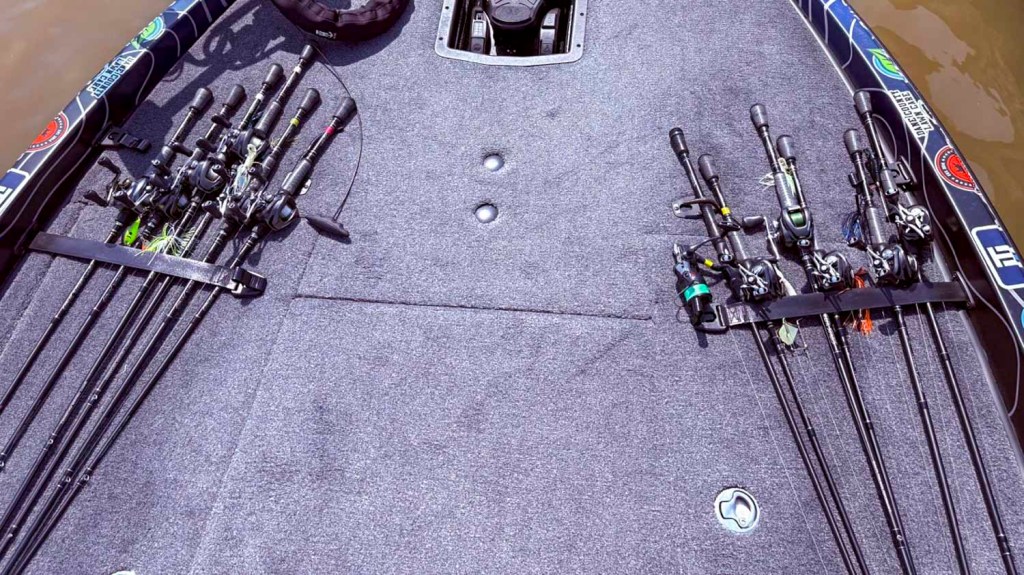
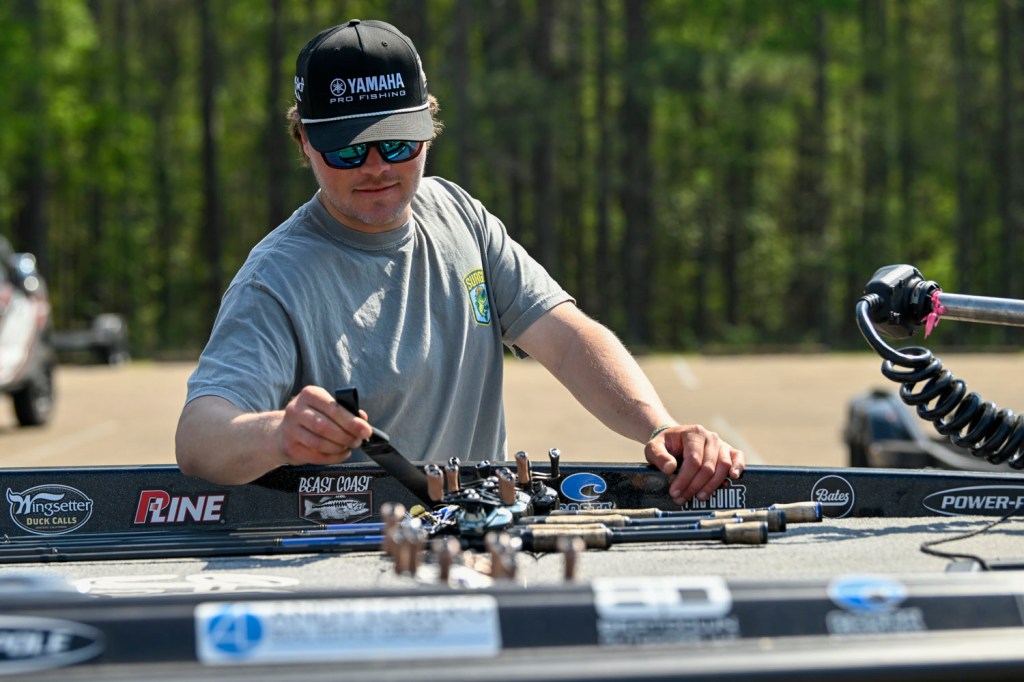
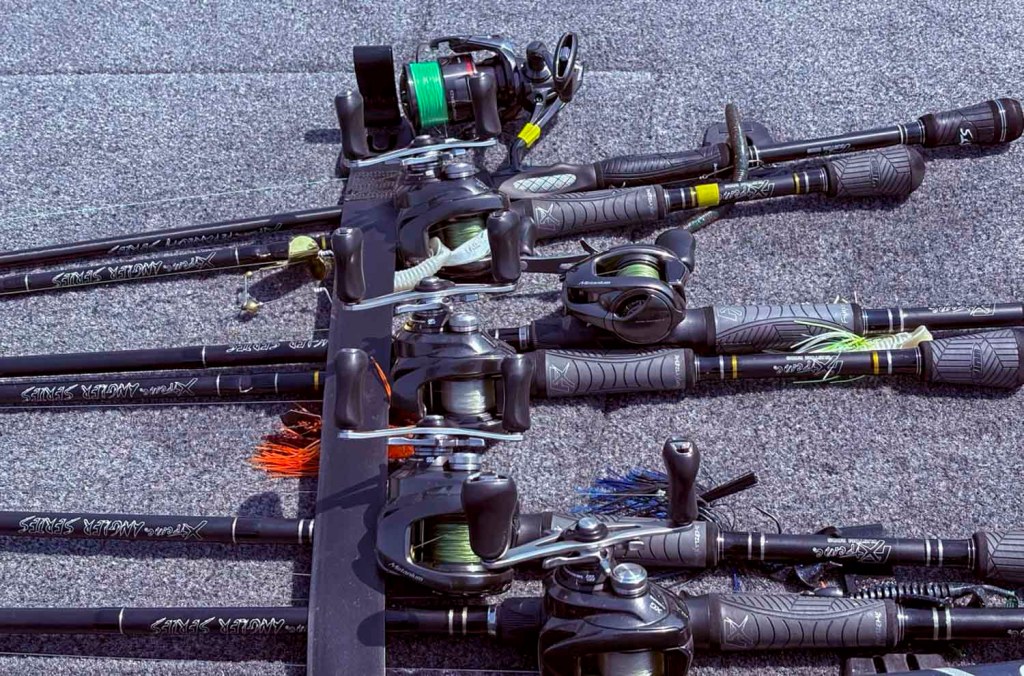
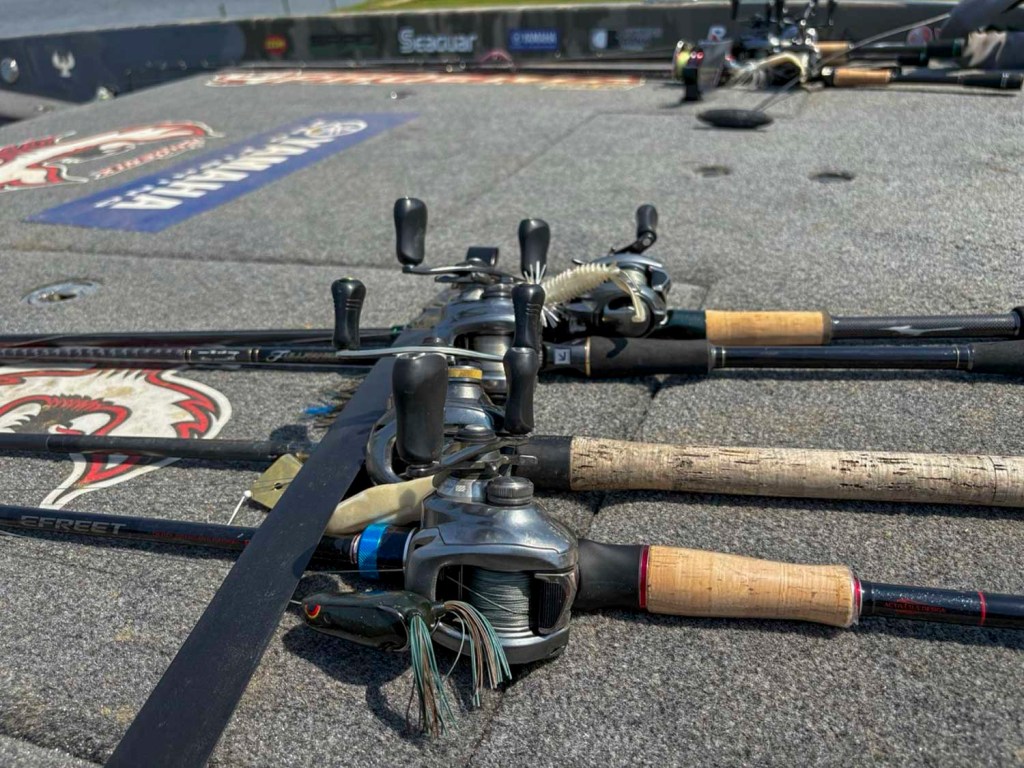
Why so many rods on the front deck (at least a dozen on each side). “There are variations of the same lure, different size, colors with the changing water clarity, and to power up or scale back on the cadence.” 
Brandon Cobb
Give us a lay of the lake. “More than finding a specific pattern it’s more about the area. You’ll fish one area and get lots of bites, then go to another identical area and get nothing,” Cobb said. 
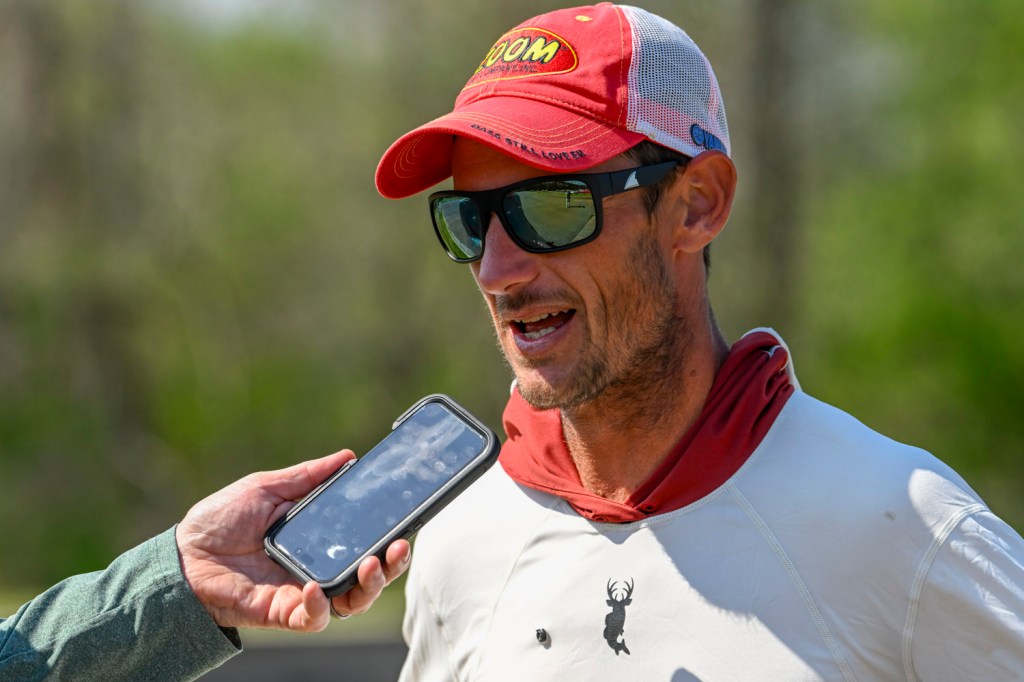
“It also seems like timing is everything. You’ll find an area that’s good, then check it later and it’s no good. 
“I think the water level has a lot to do with it, and it’s mostly postspawn and the fish are moving.”