


Dock Talk: Lake Martin

Which will it be for the blue trophy? Spotted bass? Largemouth? Or both? Here's what the pros said.

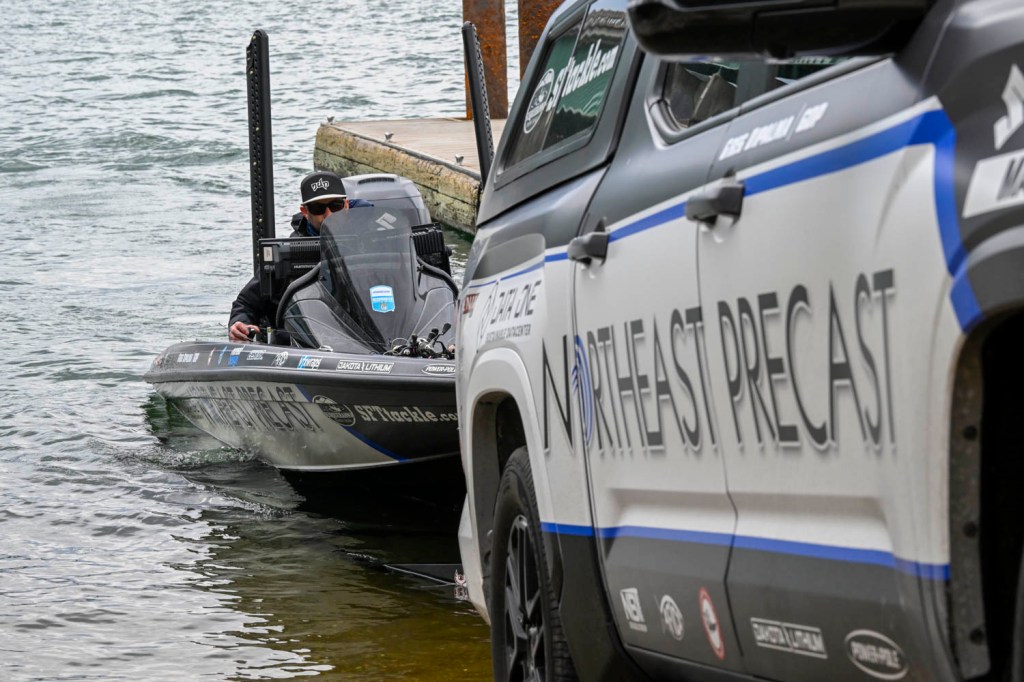
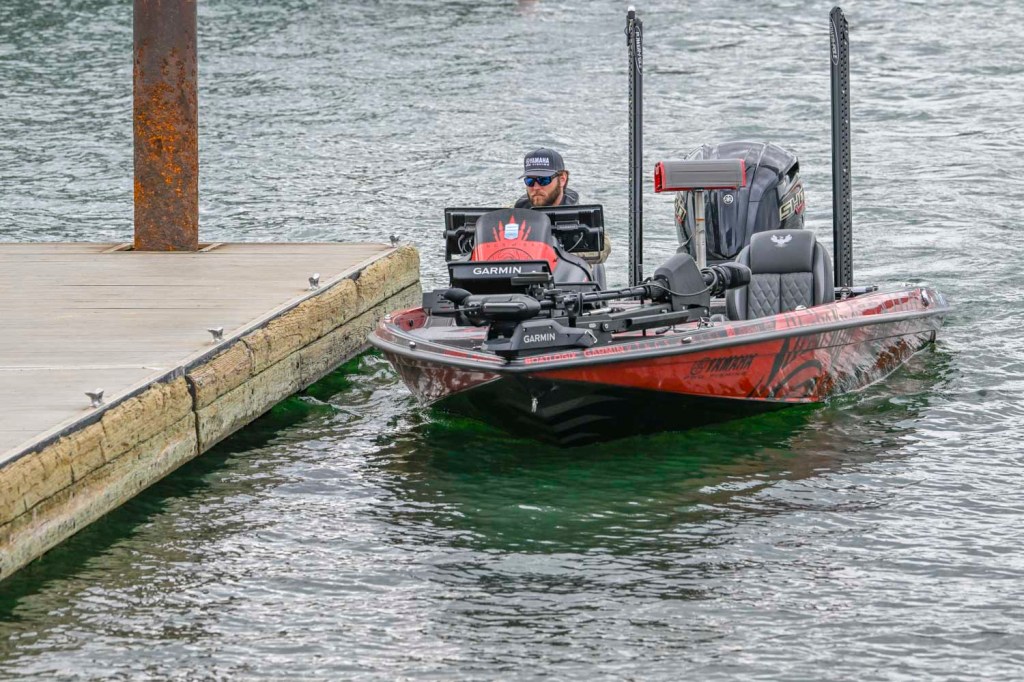
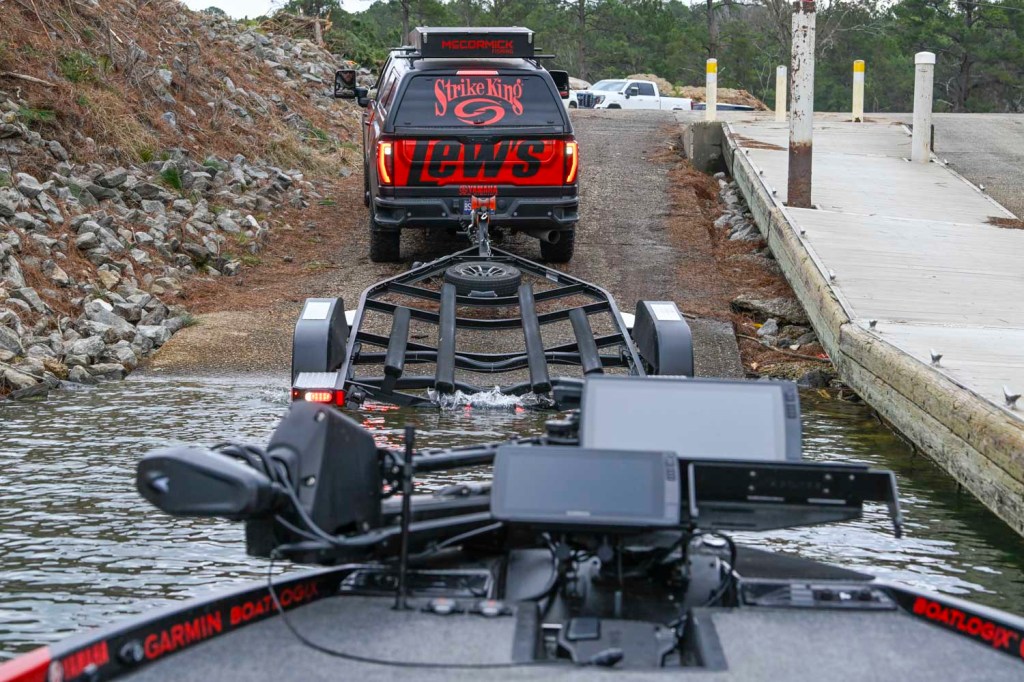
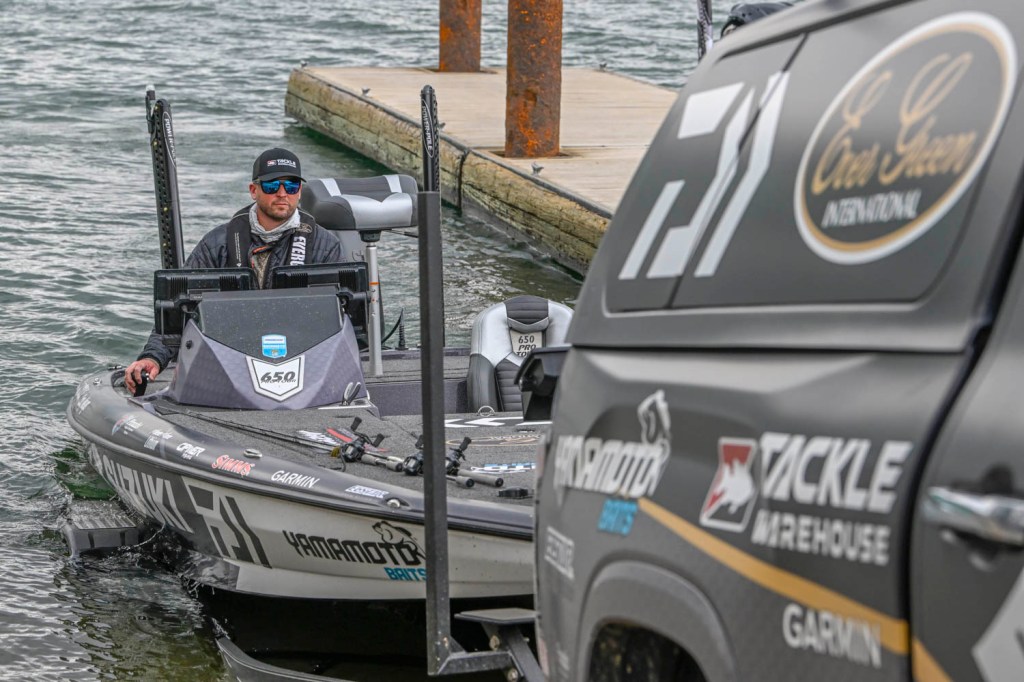
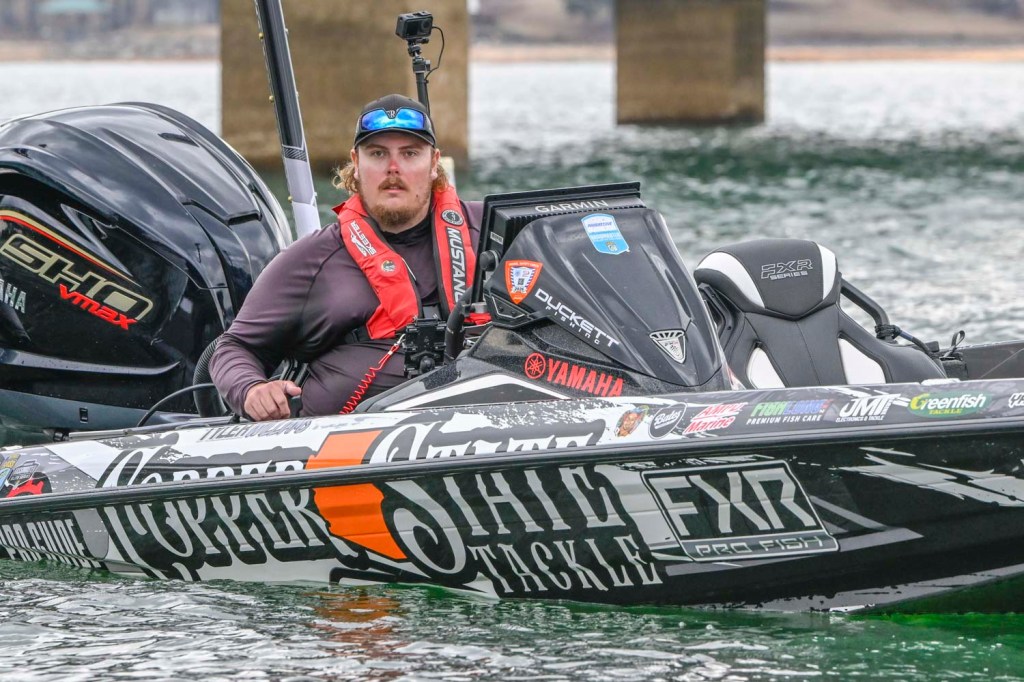
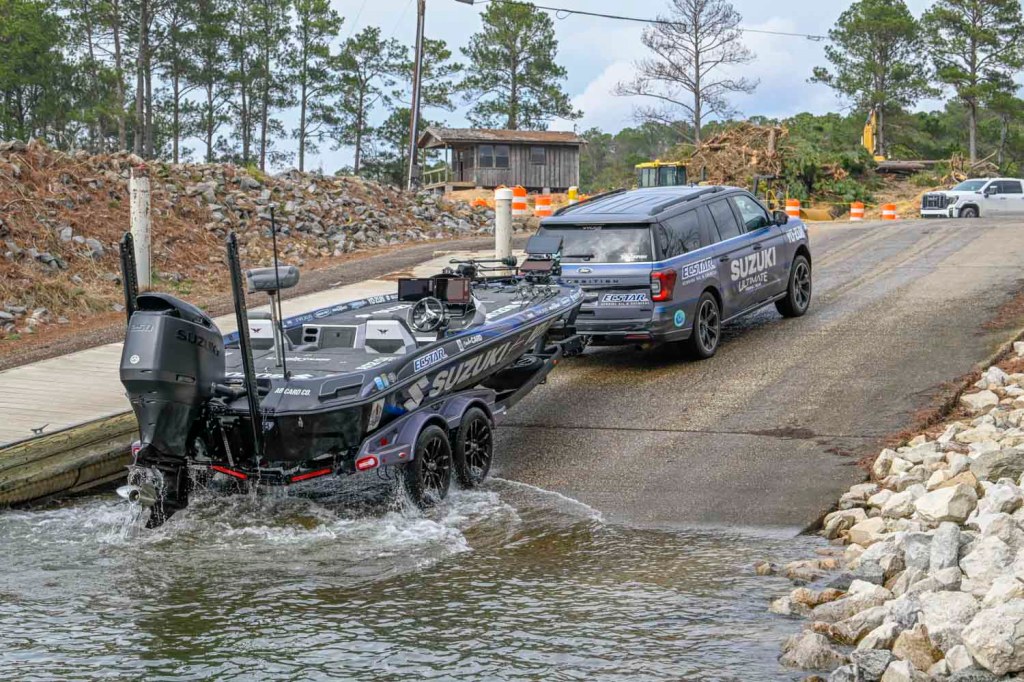
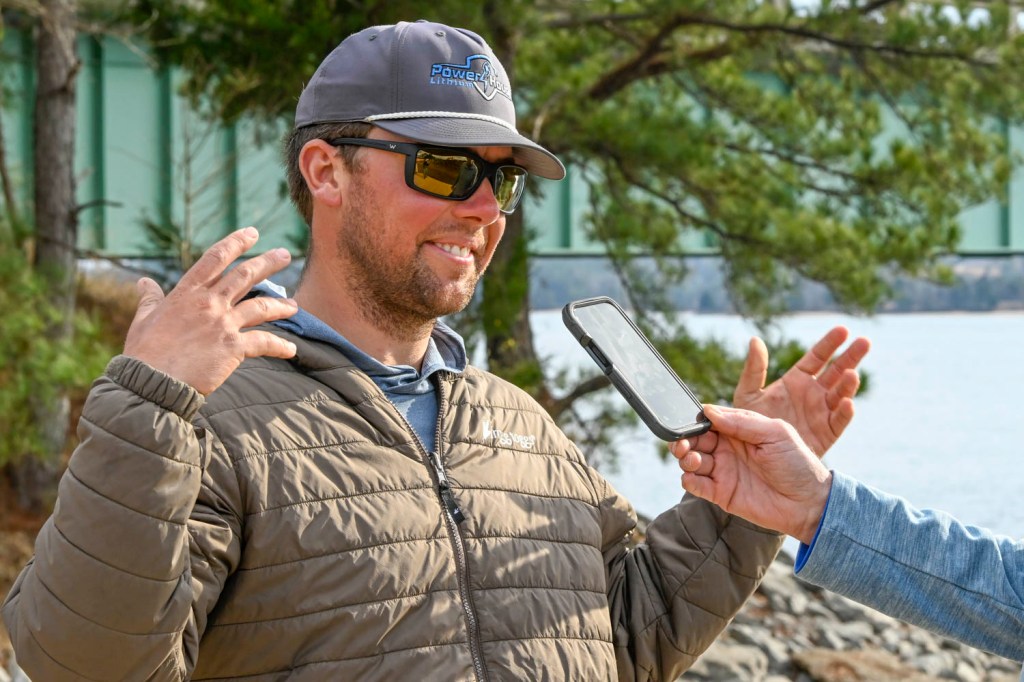
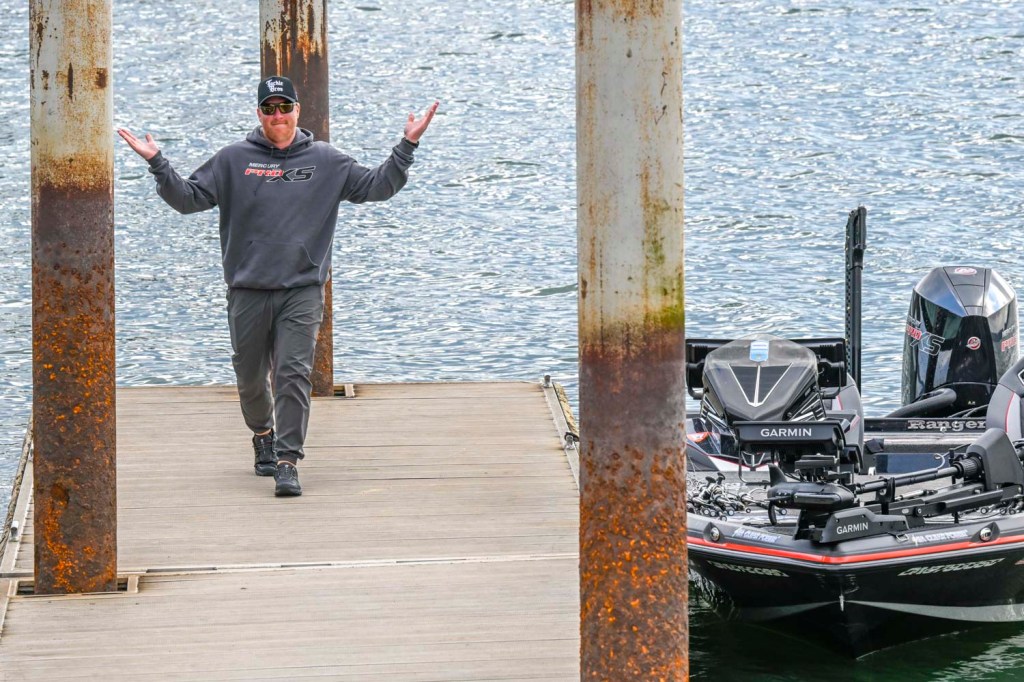
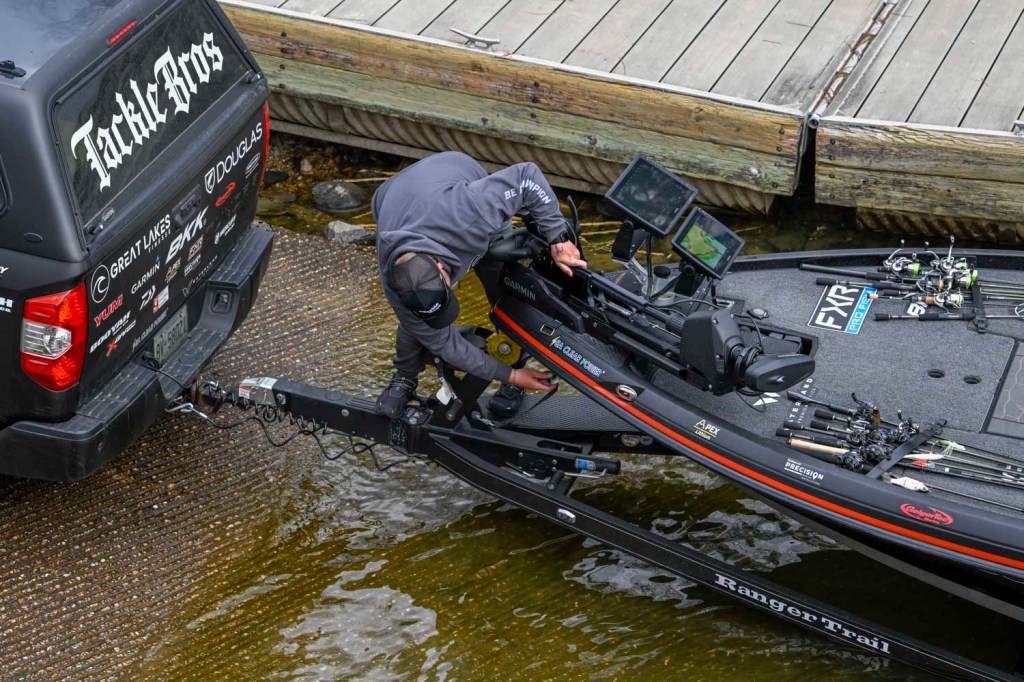
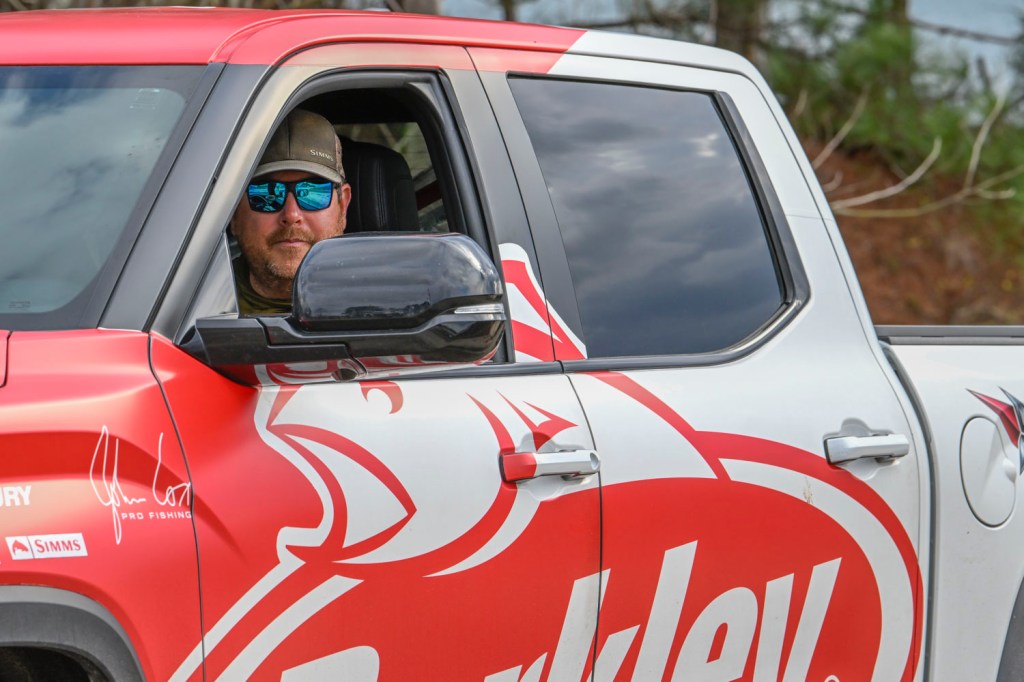
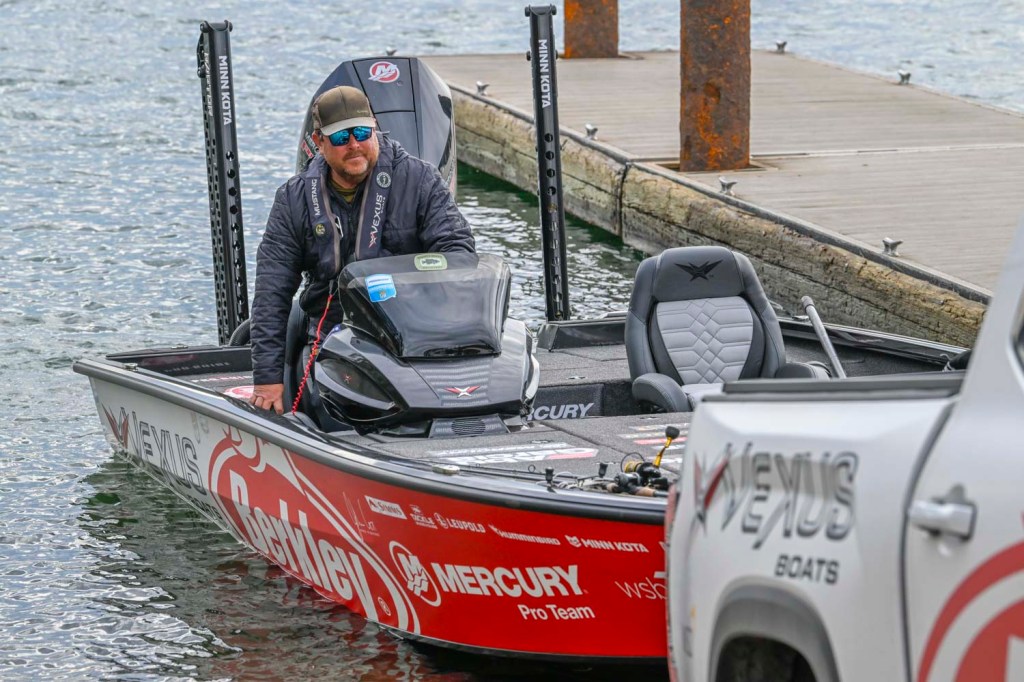
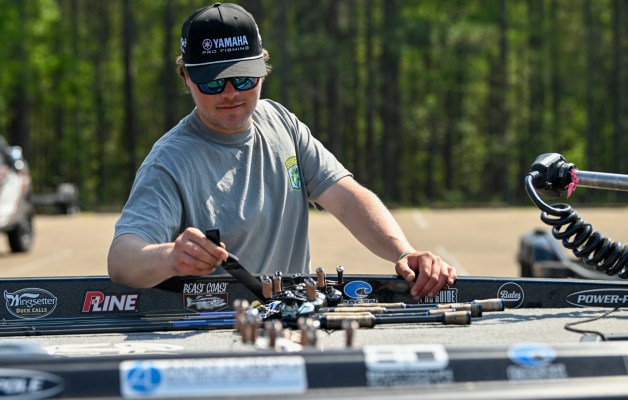
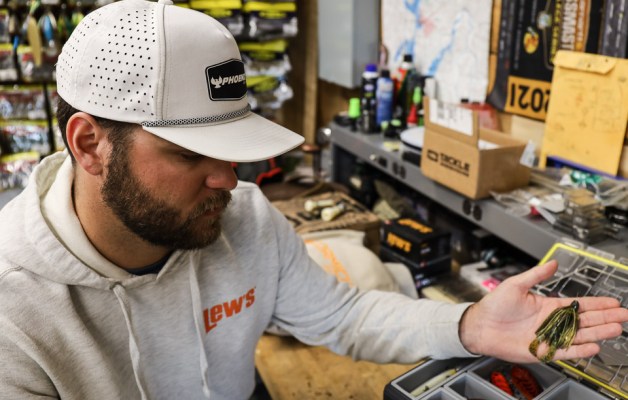
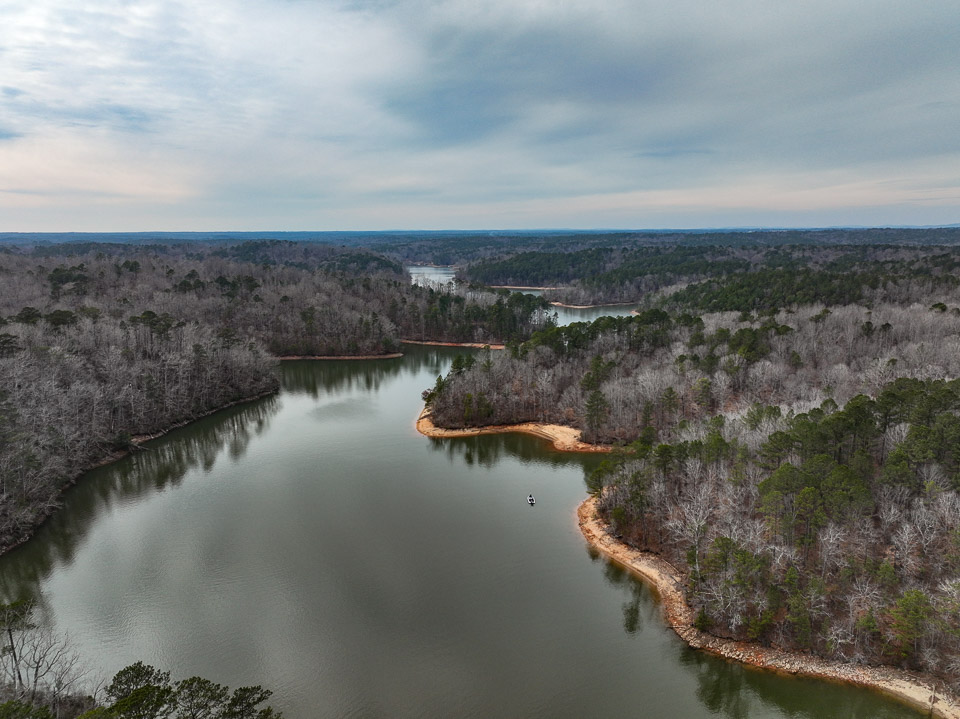
Welcome to the 2026 edition of Dock Talk, where we ask the questions and get the answers you beg to know. You decide if those are just dock talk or fact. This week we kick things off with the first forward-facing sonar event of the season at the Lippert Bassmaster Elite at Lake Martin. Photo: Craig Lamb
This tournament will be the tale of two fishes. Lake Martin is known for its prolific population of spotted bass with average daily limit weights barely pushing double digits. You fish through the numbers to gain an extra pound or more.
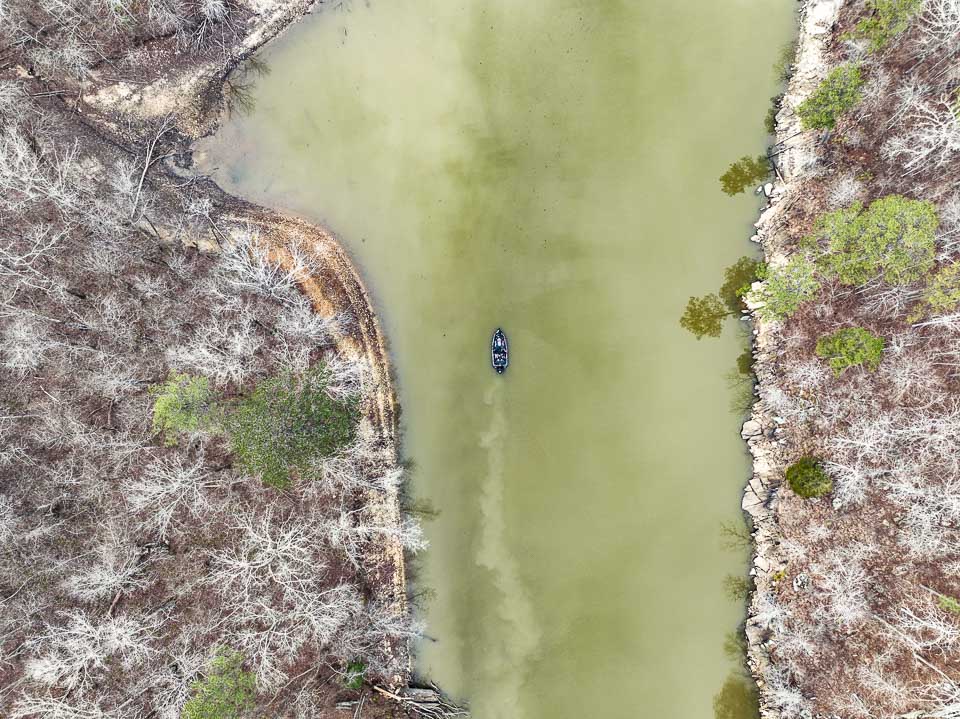
This week another fish is in play. Early signs are revealing the largemouth population is beginning to stir and enter prespawn. Which will it be? Spotted bass for the win? Maybe largemouth for the blue trophy? Or a mix of both? Photo: Craig Lamb
Greg DiPalma
For me it’s going to be all spotted bass. Because of the low water (due to annual drawdown) and last week’s cold front I haven’t found largemouth worth the time,” DiPalma said. 
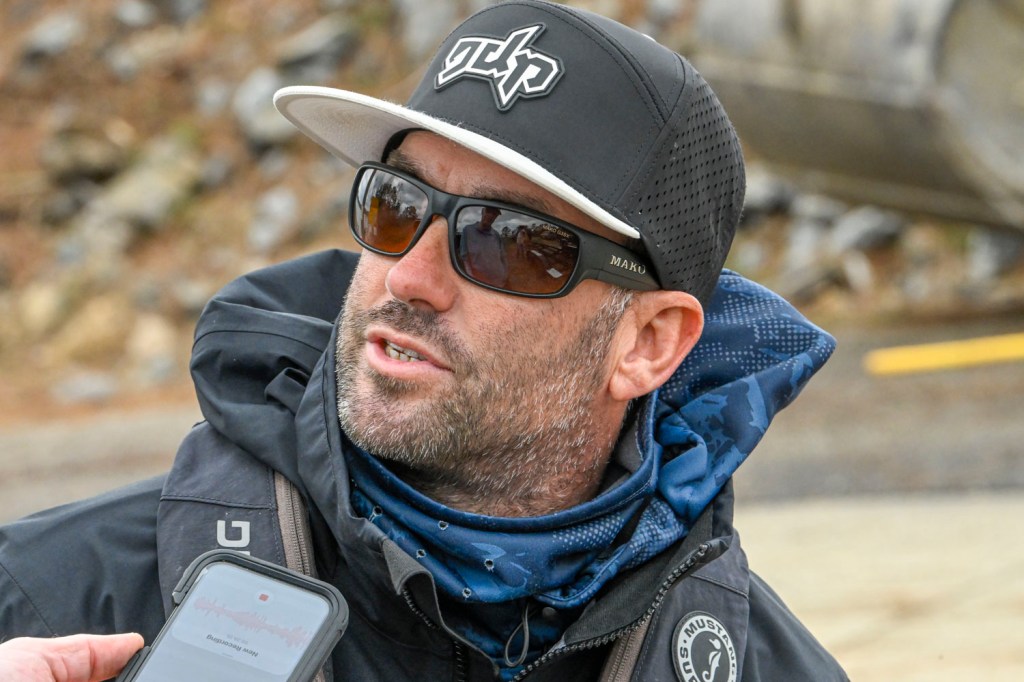
“This lake has plenty of room to spread guys out, but I do think there will be some technical areas with higher productivity. 
“It’s a different world now with management of areas because of the knowledge gained with forward-facing sonar. You are targeting individual fish, so you don’t compete with other guys for an entire area.”
Tristan McCormick
“Largemouth will be a factor but it’s not like you need to get seven, eight bites. One or two will separate you from everyone else,” McCormick said.
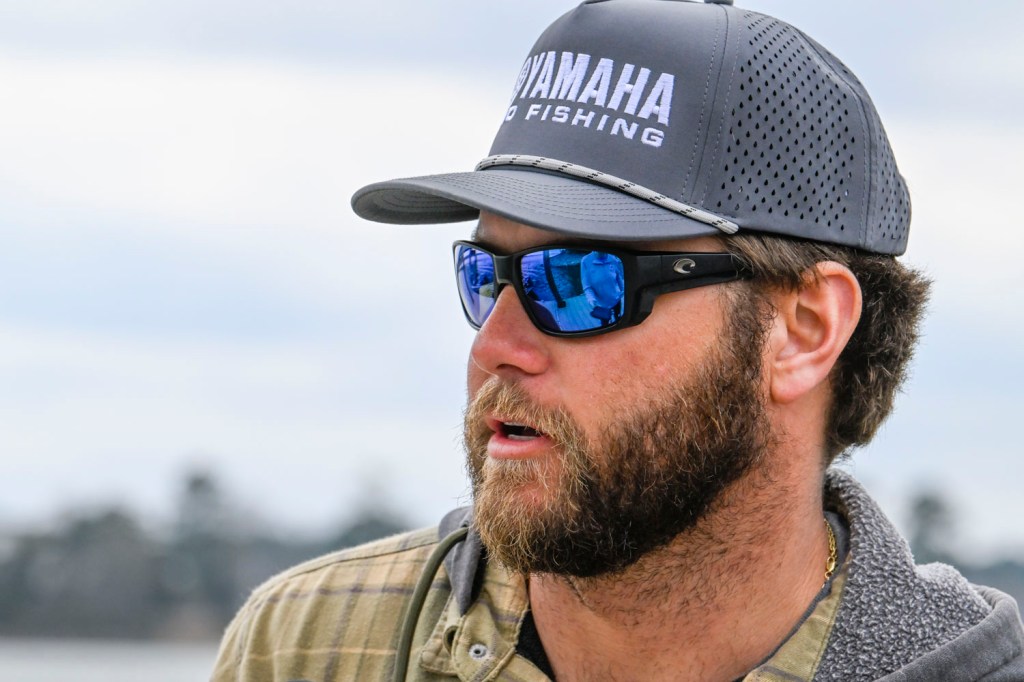
“If you can go out deep, catch 10 pounds of spots and then go up shallow, fish around docks then you’ll be where you need to be for the weekend. 
“I’ll fish out deep until noon or so, let the sun get up, warm the water and go shallow.”
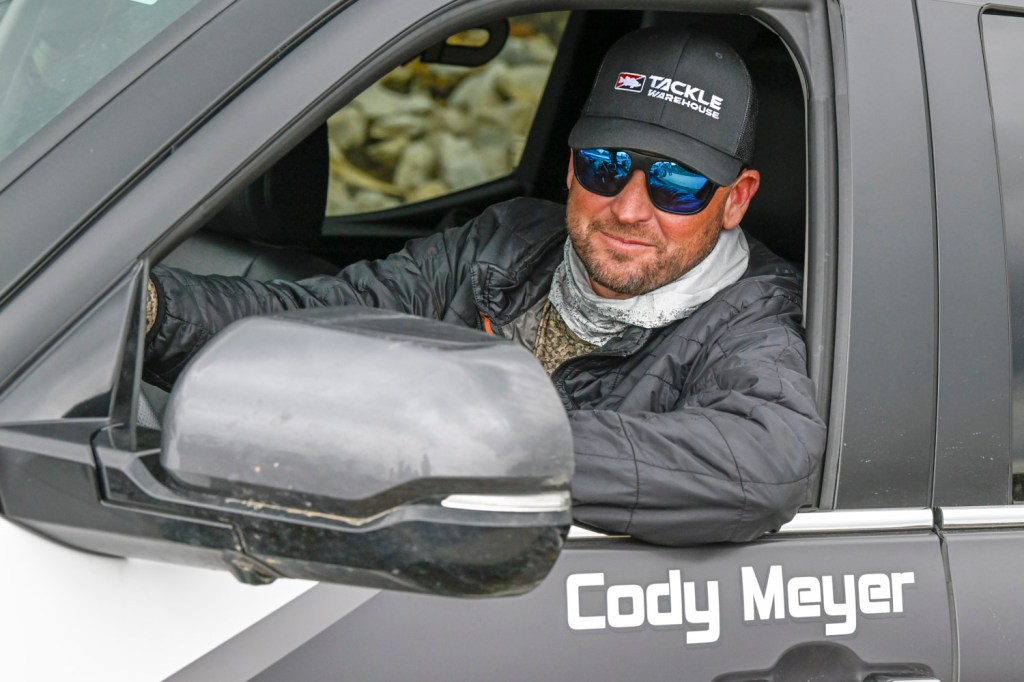
Cody Meyer
“My spotted bass limits are averaging around 9 pounds so that’s not enough to stay out there all day long on them,” Meyer said. 
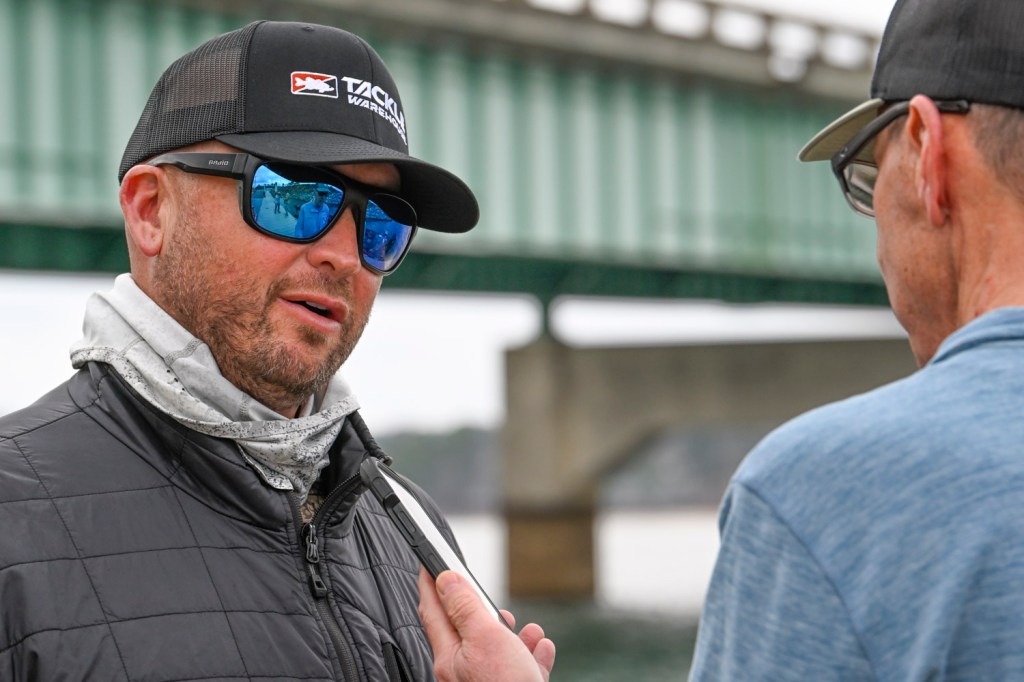
“To put yourself over the top you’ve got to go up on the bank and catch a 2-plus-pounder. 
“It’s hard to do both because you have to know when to switch over to the largemouth.”
Tyler Williams
“To stay on fish all day I’ll have to do both, but the spotted bass roam around a lot in the morning,” Williams said. 
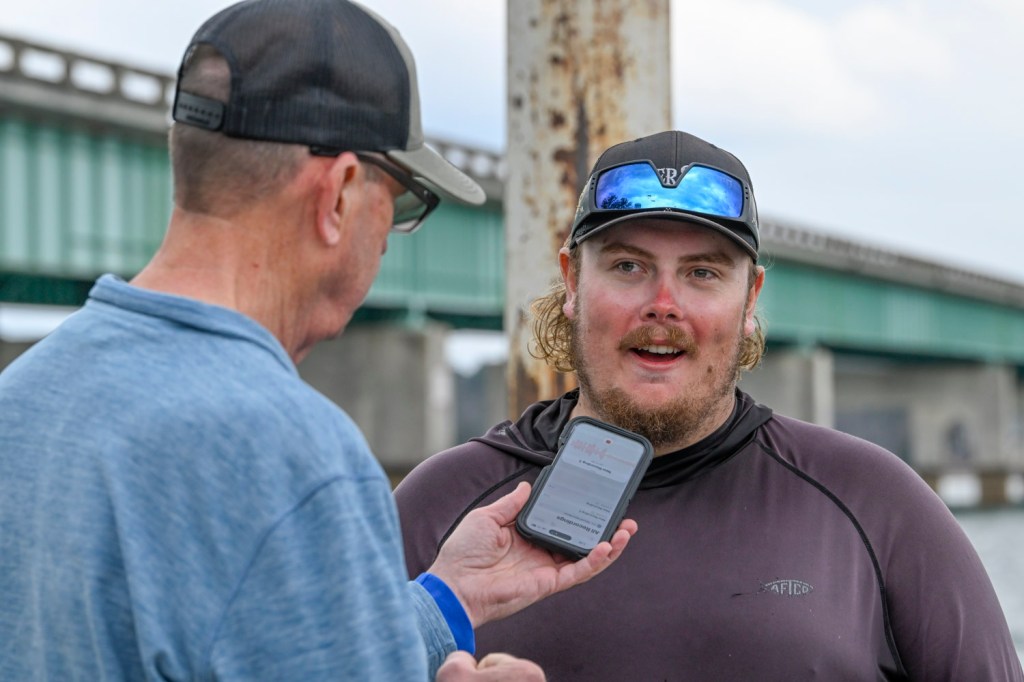
“By afternoon the big bite comes up shallow when largemouth typically move up during late winter and early spring.
“We’ve got cool nights coming up, at least for down here, so I’m hoping the daytime warmup comes with sunshine to speed it up.” 
Brandon Card
“I’m leaving here and going upriver to spend the last three hours of practice to find the other pattern,” Card said. 
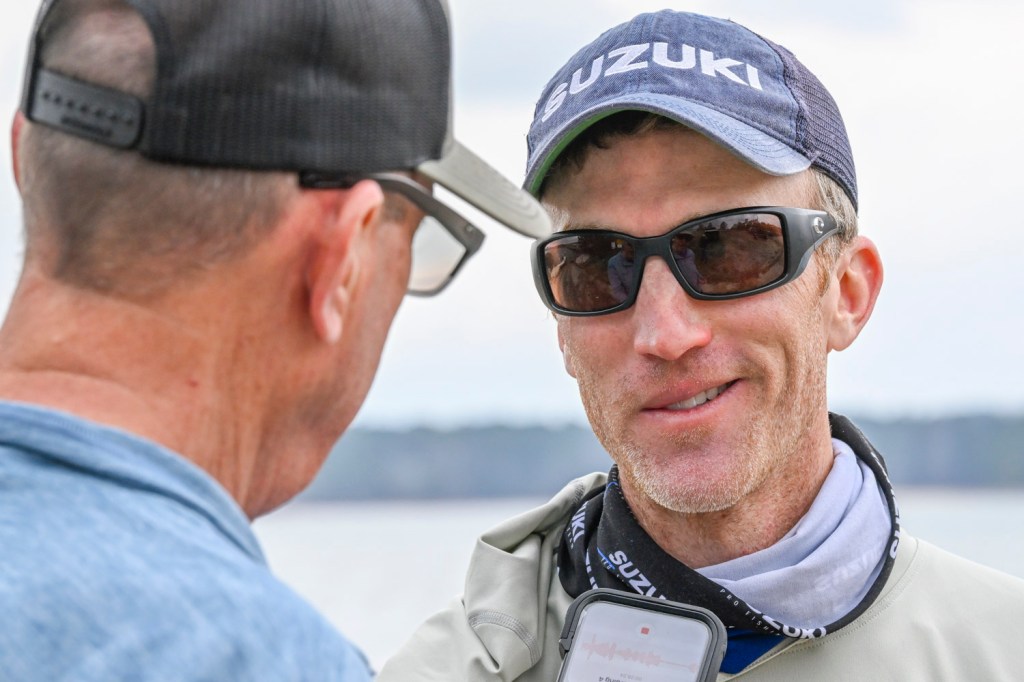
“It would be better with fresh rain, to add color and make it dingy like we had in 2018 when it was won up the river. 
“I’m hoping that I find prespawners up the river, and if I do, then I’ll have a decision to make about where to best spend my time.” 
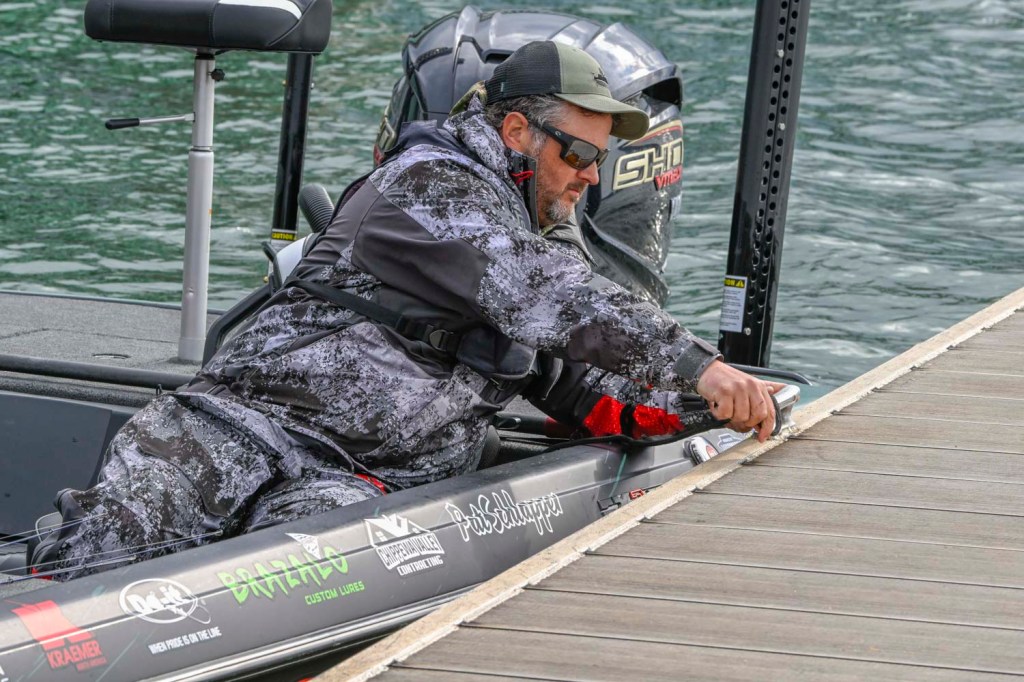
Pat Schlapper
“I couldn’t figure out the largemouth, never could get them to bite,” Schlapper said. 
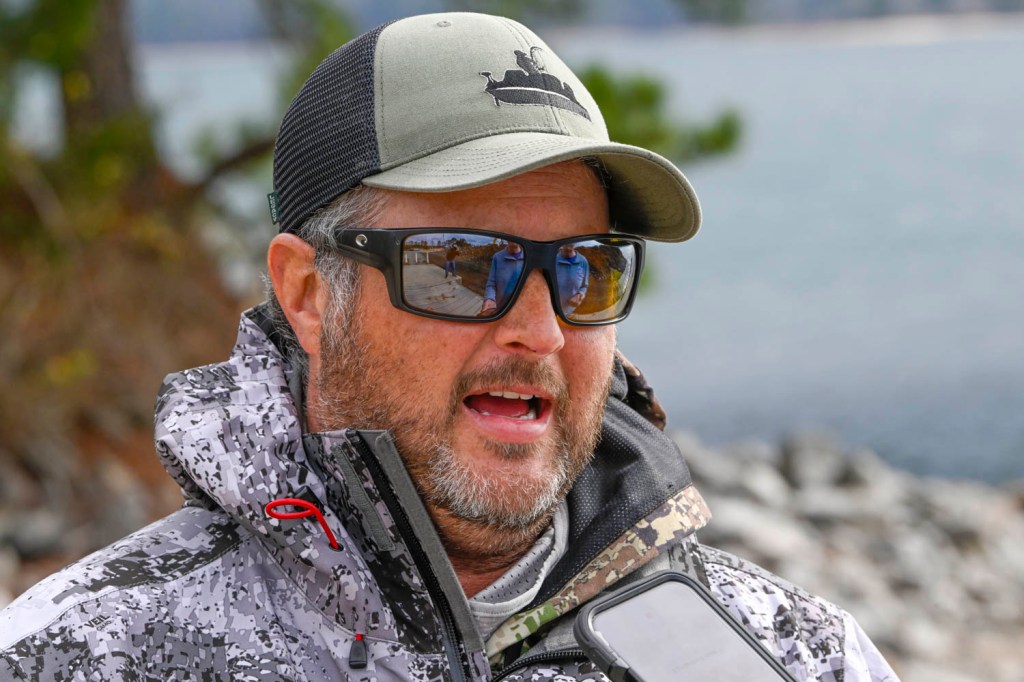
“I’m primarily going to be out trying to catch 8 to 10 pounds.
“I’m having to fish through a lot of numbers just to get to that threshold, and it probably won’t be enough to even make the Saturday cut.” 
Kyle Patrick
“What stands out about this place is the randomness of it all, and by that, I mean someone is going to win and be lucky,” Patrick said. 
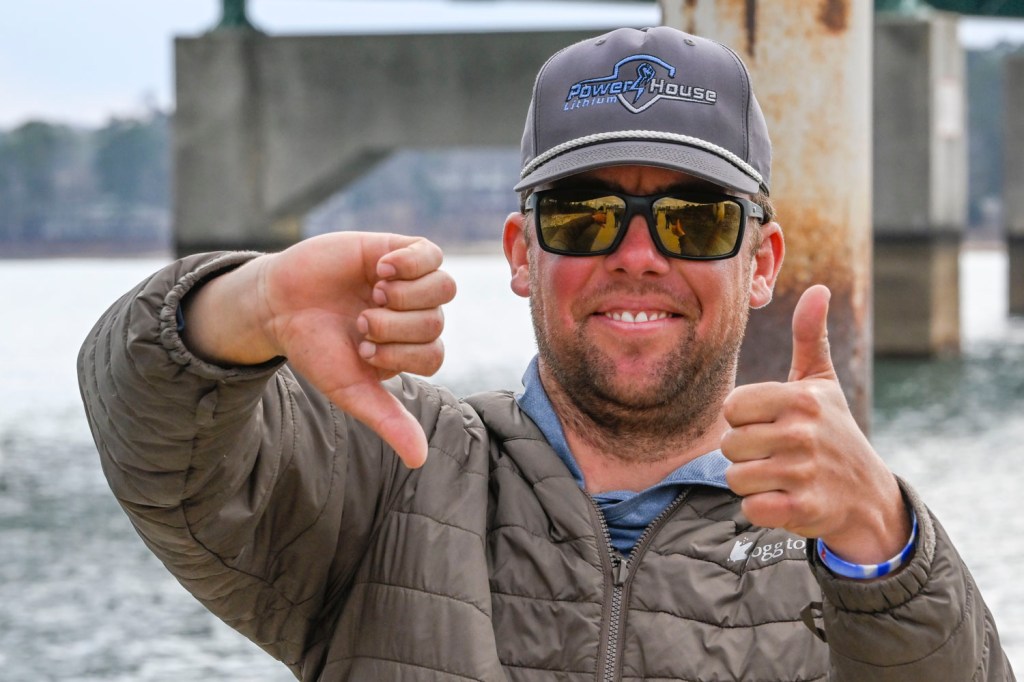
“Somebody is going to key on spotted bass, go shallow and catch a 5-pound largemouth, randomly and out of nowhere.
“That one 5-pound largemouth could take them all the way, given the universal low weight average of the spotted bass.” 
Evan Kung
“I can dial into a small spotted bass pattern, but they are all running small and anything over 2 pounds is a struggle,” Kung said. 
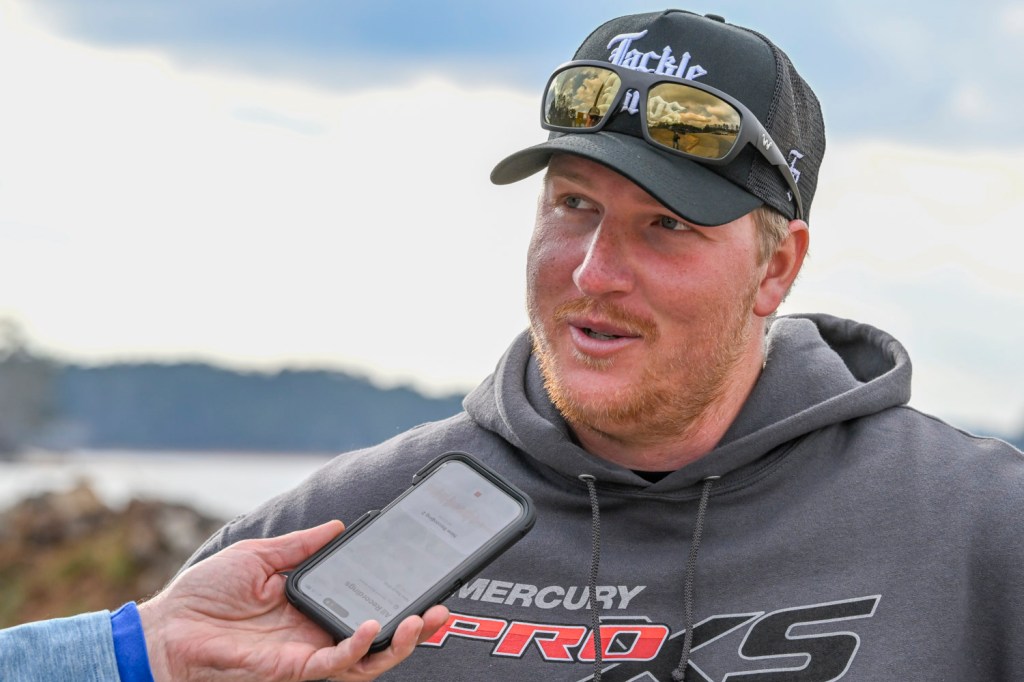
“The difference that makes it most challenging is the bigger spotted bass you need are loners and harder to catch.
“To catch those requires a lot more time and screen watching to sift through the numbers.”
John Cox
“It absolutely can be won on all largemouth, especially the way it could shape up with the weather; there’s a part of me that says people are down here on the lower end fishing for spotted bass, so they don’t zero (like he did last week),” Cox said. 
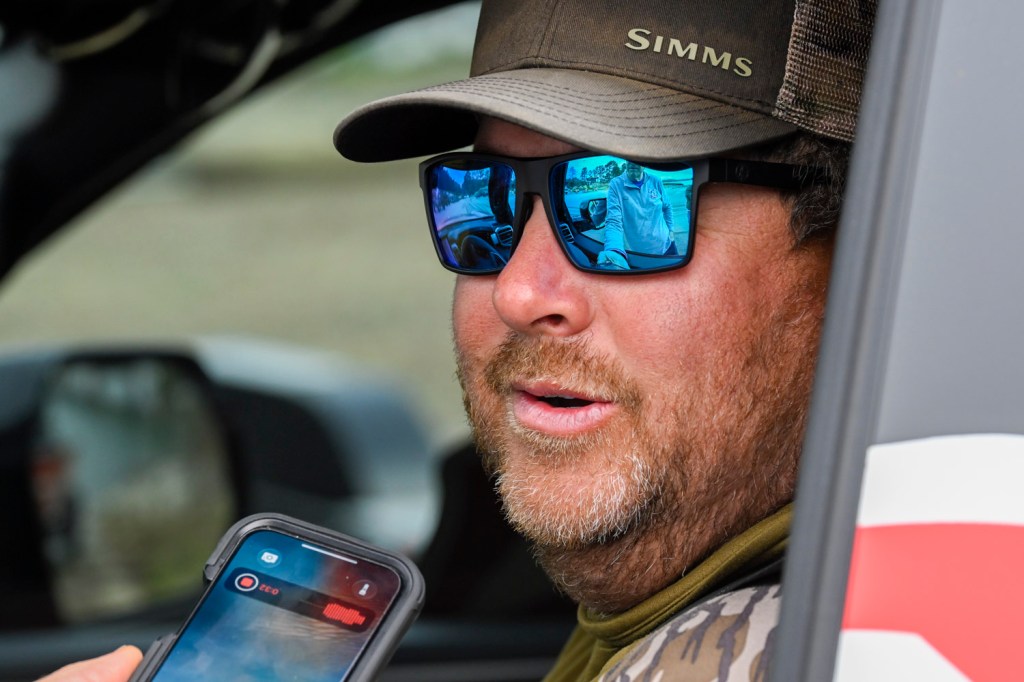
“I’m not going to do it, although I might zero here too. I’m just going to go after five big ones.”
How do you do that? “Heck, I don’t know, just throw at the bank.”