
Dock Talk: Lake Champlain 2026

How will the no-forward-facing sonar tournament play out this week?

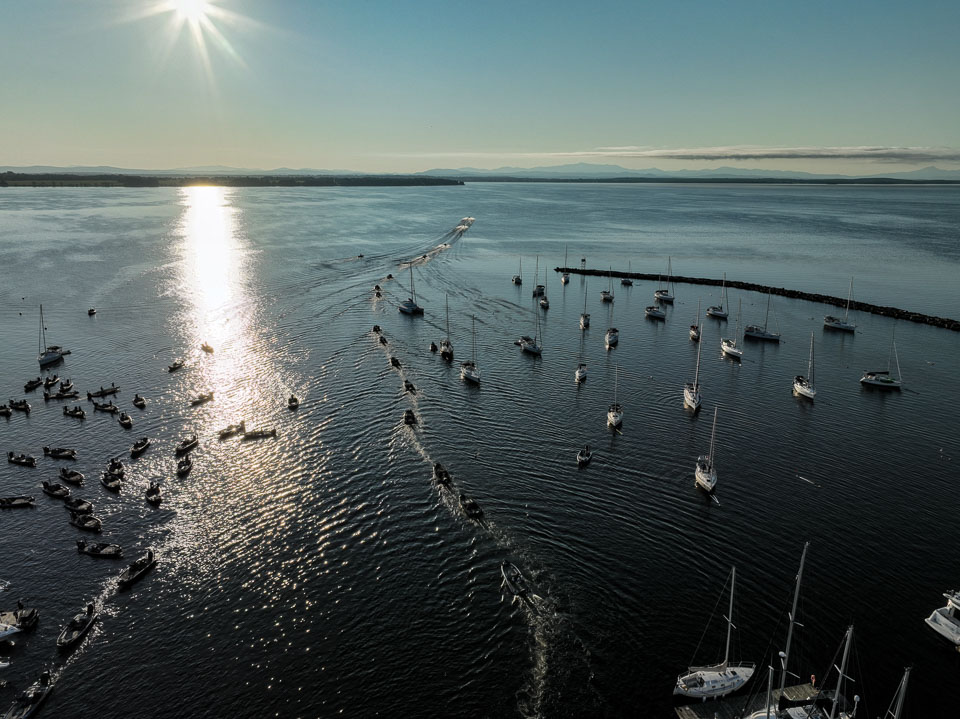
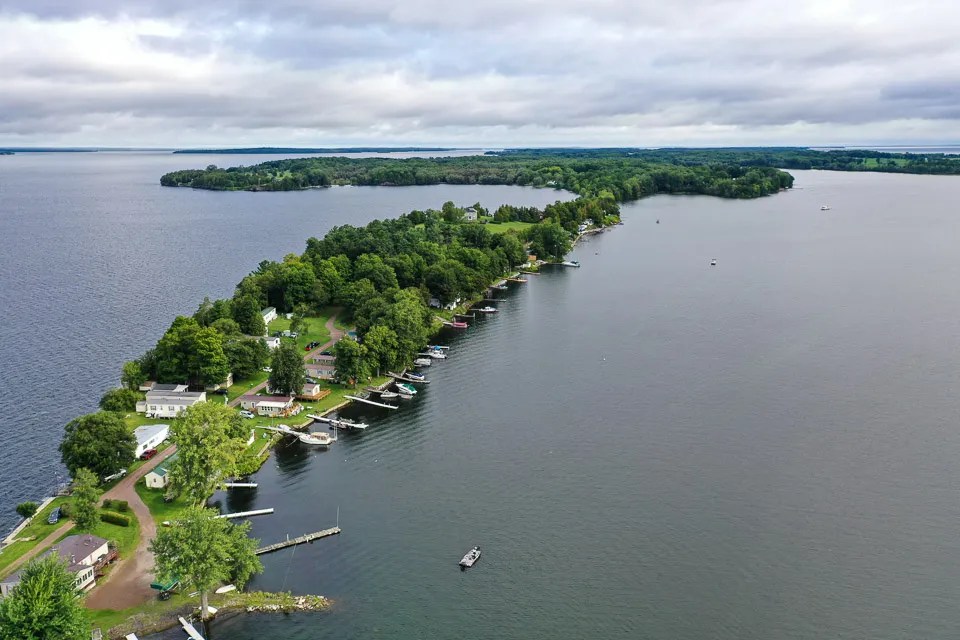
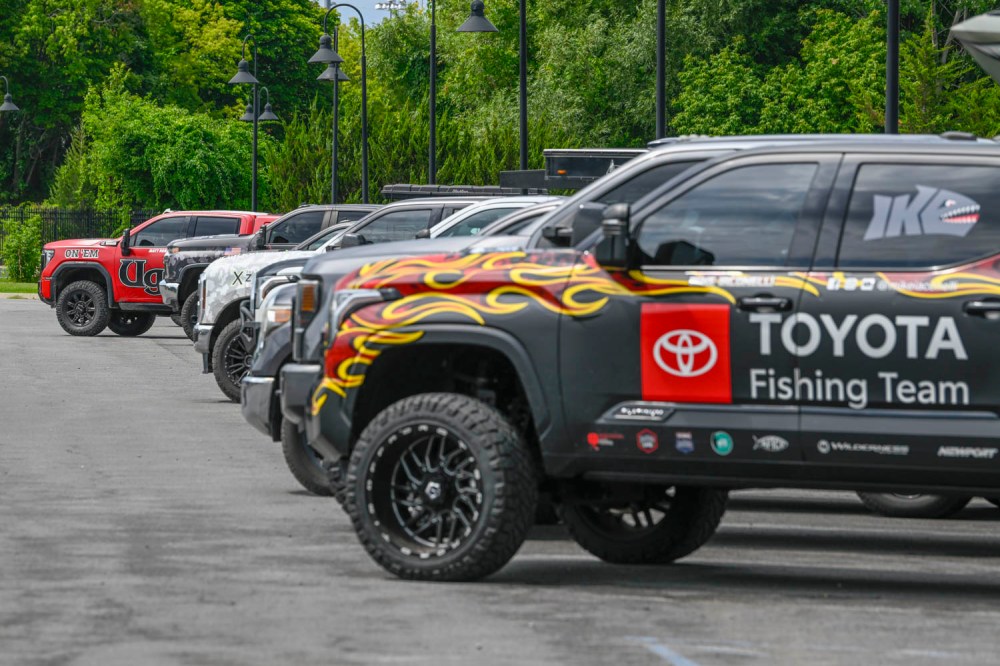
Welcome to Dock Talk at the 2026 SPRO Bassmaster Elite at Lake Champlain, the next-to-last event of the season. For many, securing a berth in the 2027 Bass Pro Shops Bassmaster Classic will be a priority. Maintaining status in the Progressive Bassmaster Elite Series will be key for some. Above all else, something will be remarkably different tomorrow when the boats leave Plattsburgh City Dock. Photo: Craig Lamb
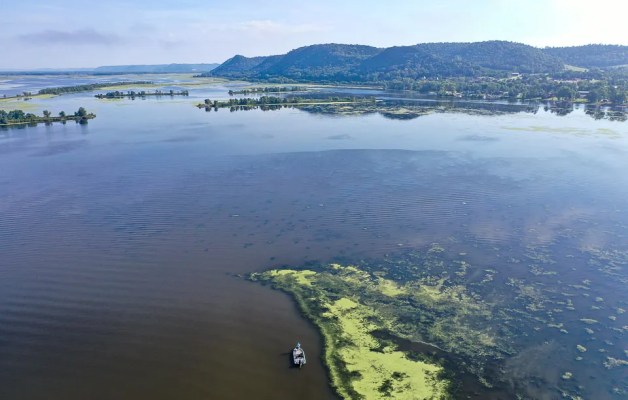
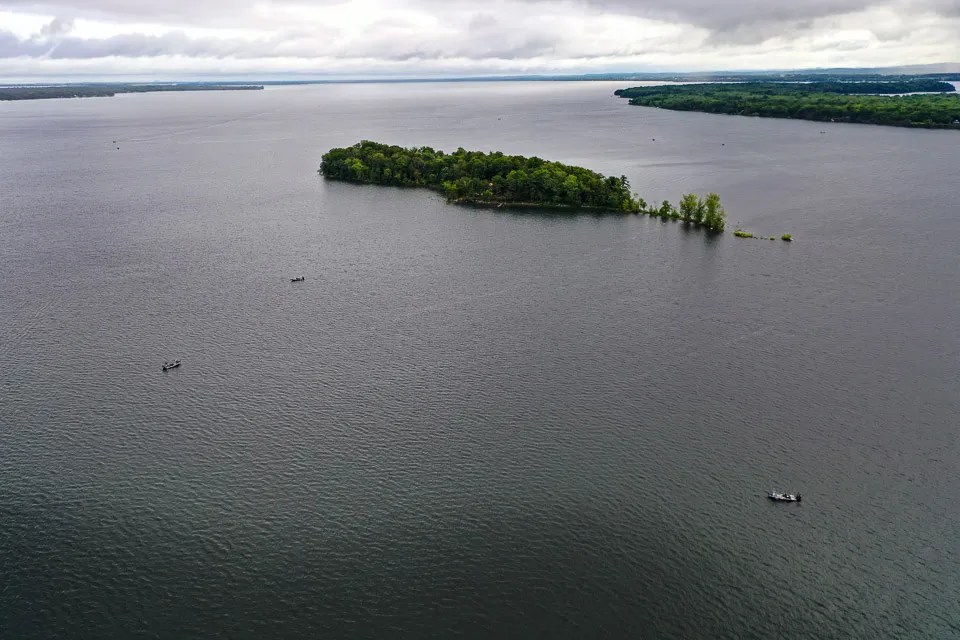
Forward-facing sonar is not allowed in this tournament, where it normally is the key player in areas such as the Inland Sea (pictured). The anglers will divert to other electronic aids to locate and catch fish. Fans and anglers alike stand to gain great insight and knowledge on how those tools can be effective for catching bass. Photo: Craig Lamb
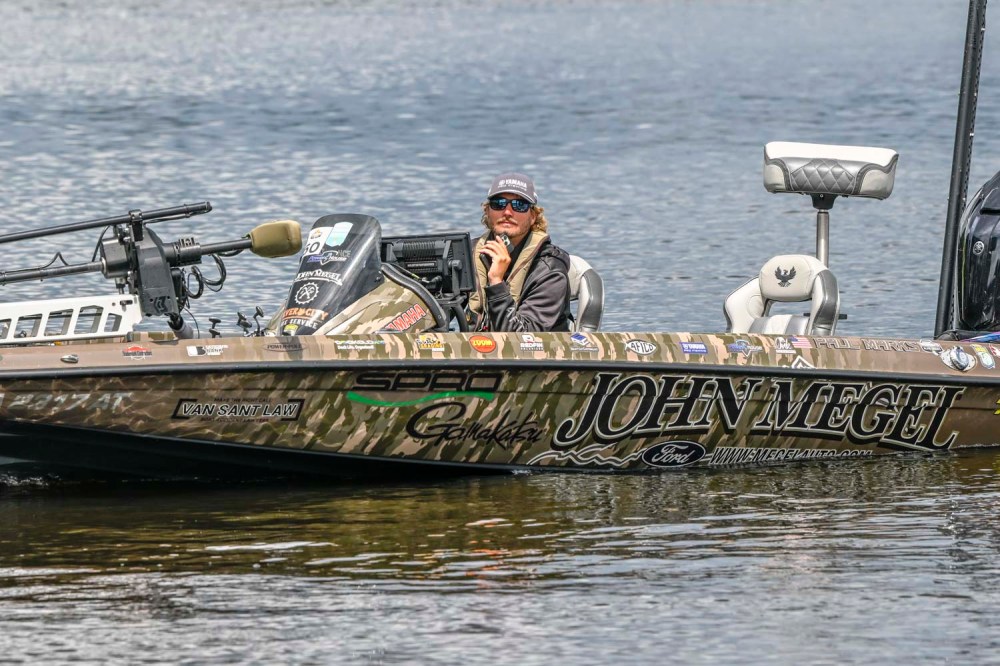
Chris Johnston ignited a new urchin tactic after keying on boat docks to win at the Santee Cooper Lakes. Jason Christie followed up with the win, tossing urchins around a boat dock at the Pasquotank (and Chowan) rivers. With largemouth becoming more of a player, and past anglers targeting them around docks finding success, will the urchin end up this week in the Bass Pro Shops Top Lures gallery? Photo: Craig Lamb
Given all those dynamic storylines, this tournament will be fun to see play out. To help get the party started, we asked the anglers questions about the conditions in play. You get to decide if it’s fact or just dock talk. 
Paul Marks
How will you use the other sonar modes this week? “I’ll use Humminbird MEGA 360 to find grass edges, use it to pinpoint better casts on those strike zones, Marks said. 
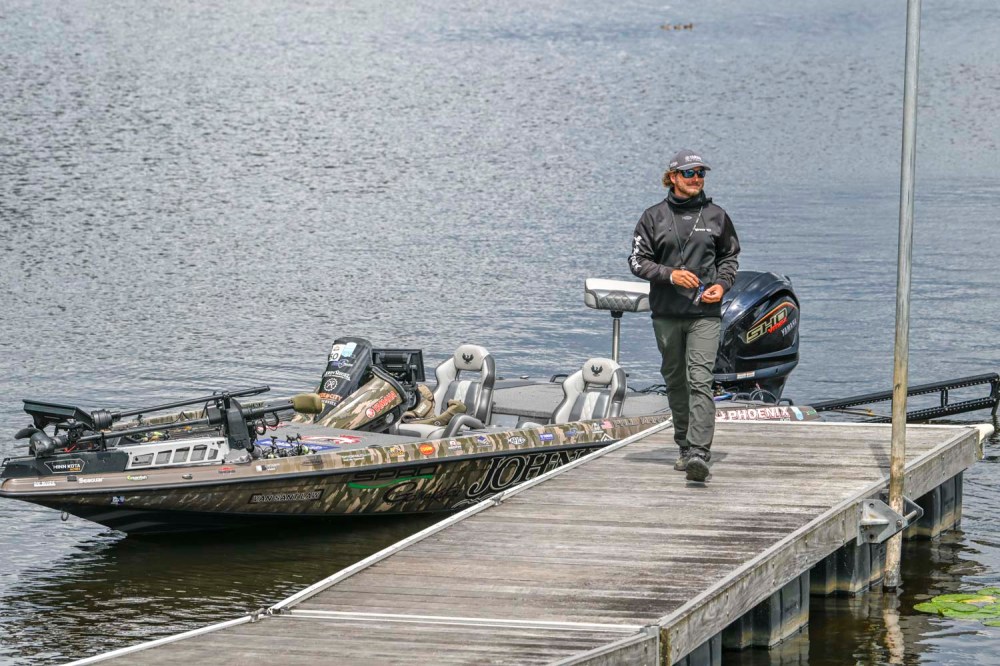
“It’ll help me figure what the fish want to be around, rocks or grass or mixture of both.”
Will that affect your lure choices? “Oh yes. I’ll still use some of forward-facing sonar baits, but I’ll add coverage and reaction lures to the lineup.” 
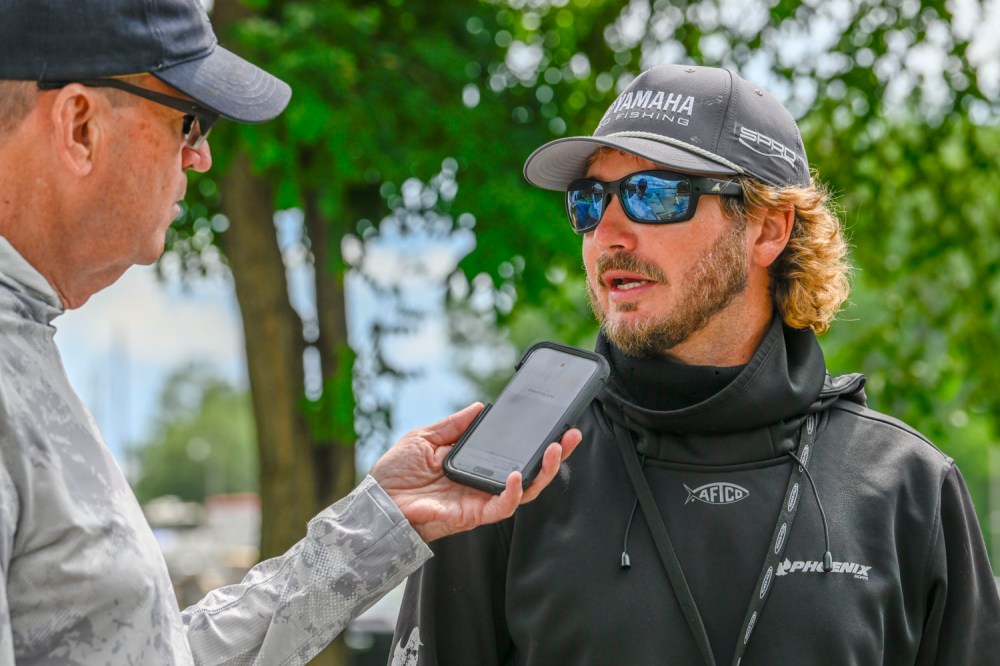
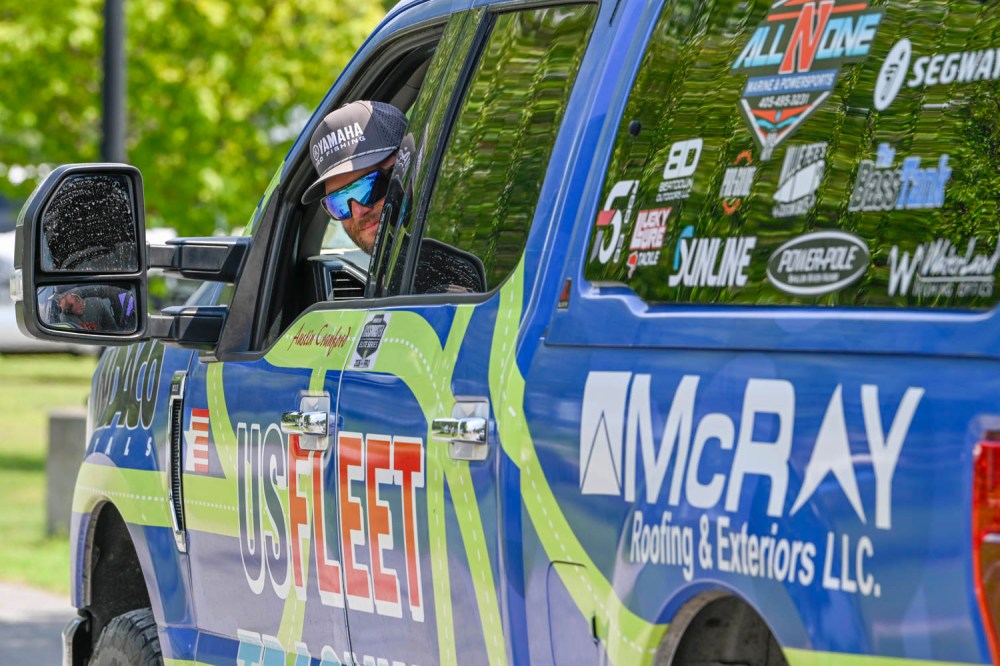
Austin Cranford
Will you rely on the other sonar tools or do something else? “I’m going to get away from it all altogether,” Cranford said. 
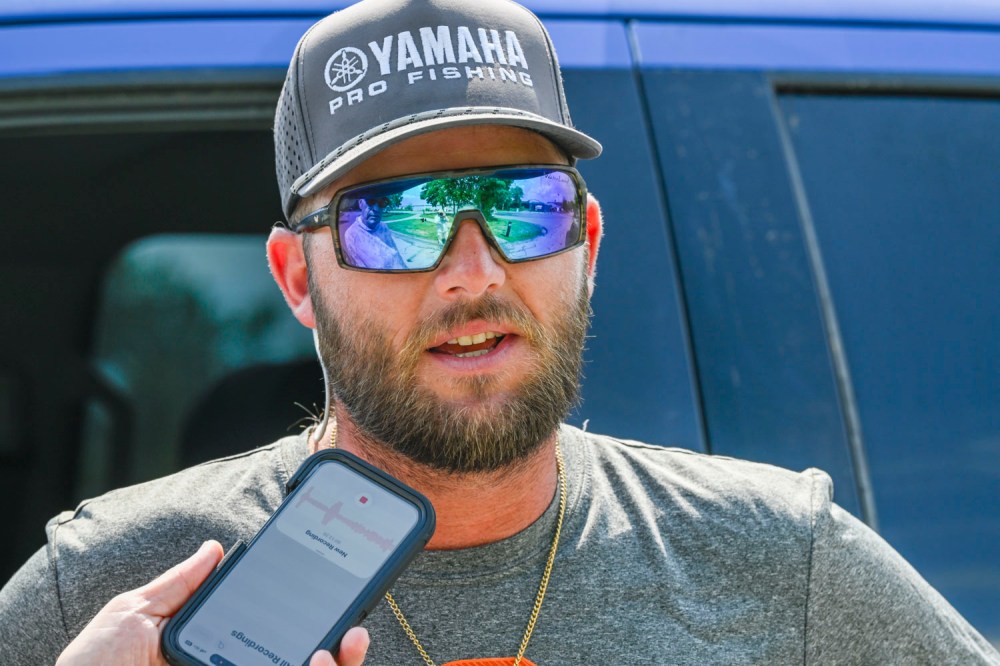
“I’m going to fish how I used to fish before it came around, because it’s been inconsistent for me. Going 2D sonar just doesn’t get it for me. 
“I’m not targeting the pelagic smallmouth. I’m going to key on near shore largemouth, and smallmouth relating to the shallower strike zones.”
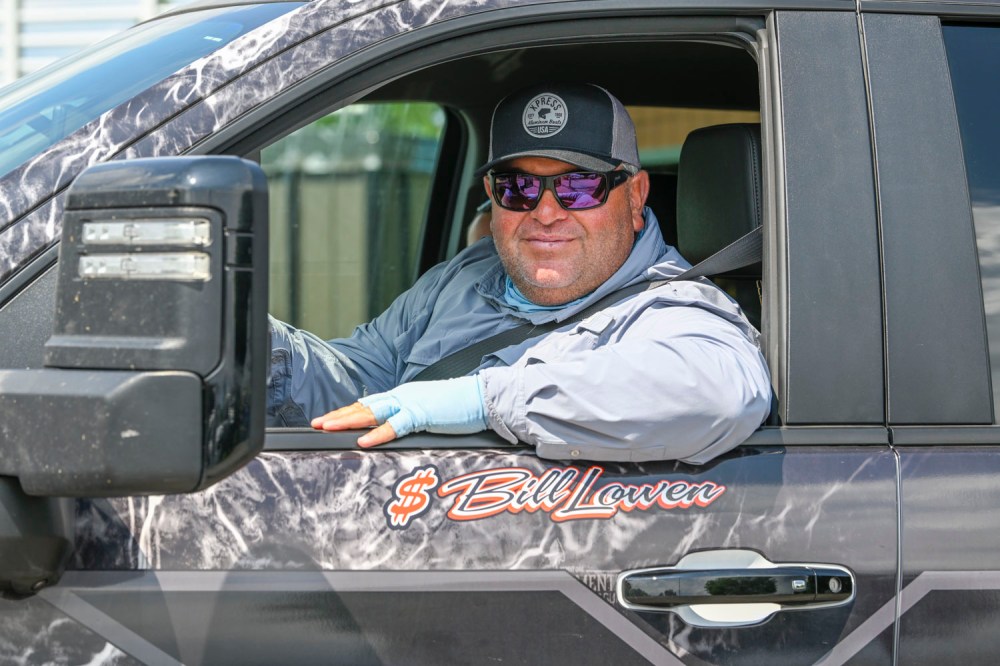
Bill Lowen
How will this tournament set up for your favored (shallow) style of fishing? “The lake is down two feet, so not as well as the last time we came here,” Lowen said.
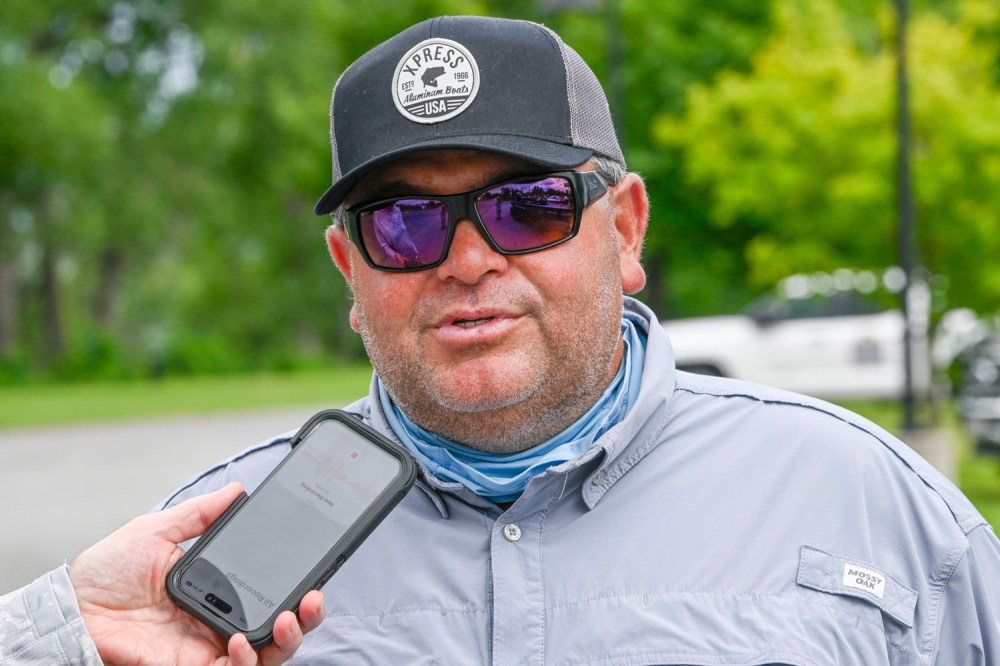
“That’s making the shallow largemouth pattern different because most of the best shoreline cover is out of water. I’m going to do what I always do and grind it out in shallow water with a flipping stick.” 
What other sonar tools will you use? “I’m also going to go offshore for smallmouth, so Humminbird MEGA 360 will be key for finding those boulders and rock and staying on the grasslines.”
JT Thompkins
How will your patterns come together using the other available sonar tools? “Just like they have during practice,” Thompkins said. 
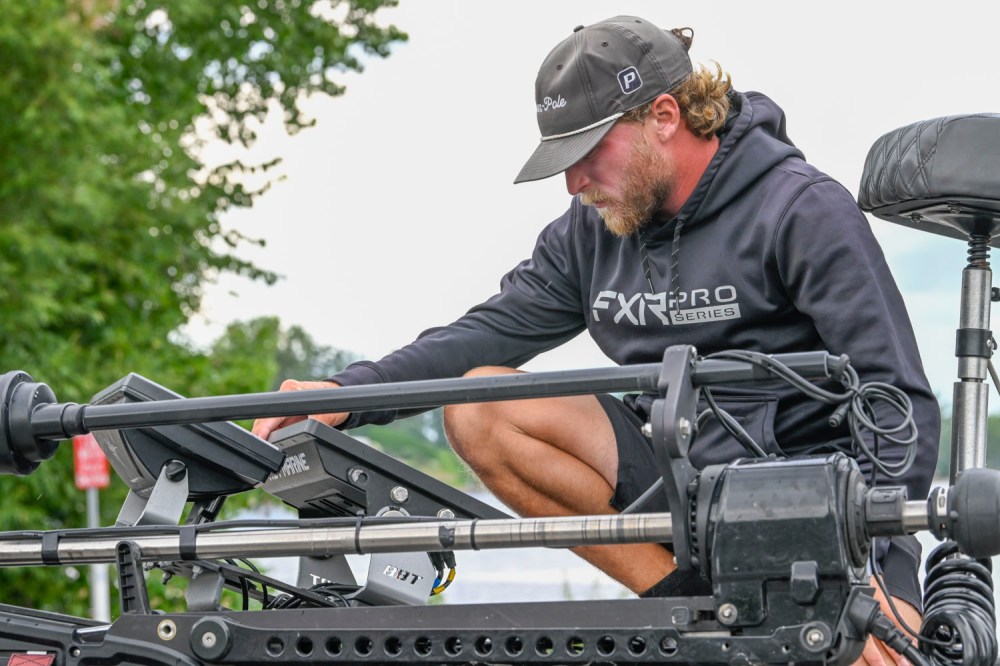
“That’s by trolling over humps, looking at my sonar with side scan. Then marking every time that I detect a smallmouth underneath the boat and stop, then just turn around and make a cast behind the boat. 
“I’ve got all three brands in my boat going at the same time, so combined I’m able to look for any little intricacies that might be easy to overlook.”
Bryan New
What significant differences are in your bait selection this week? “I will have a lot more variety on the front deck,” New said. 
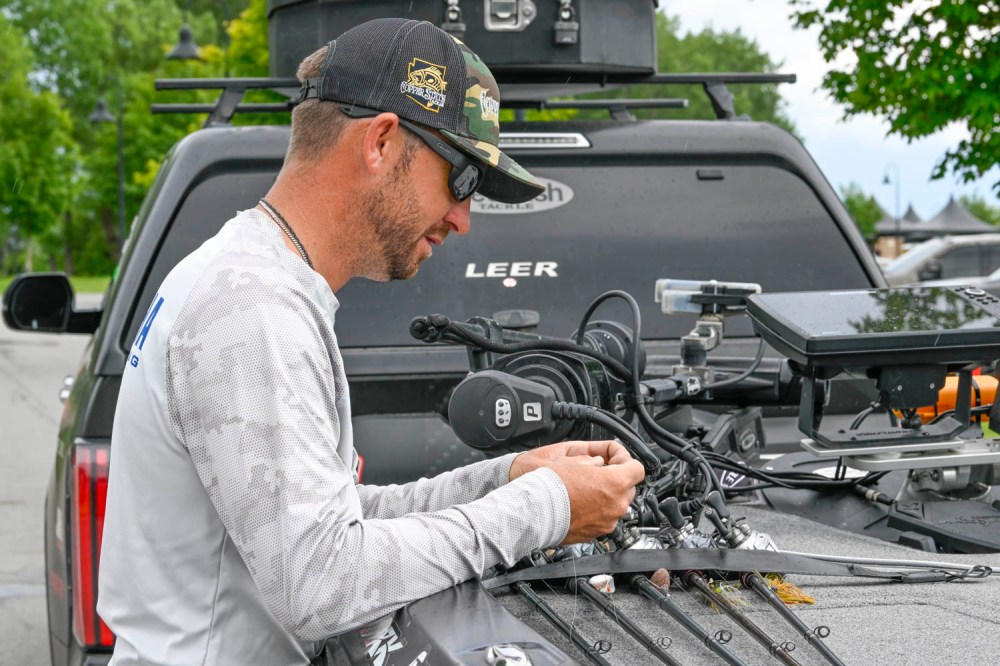
“Not so much for largemouth because those bait selections will remain the same with frogs, topwaters, other coverage baits. 
“Where it’ll be different is offshore in terms of using a minnow that can be seen on your screen, you know, the typical scoping setup. It’ll be more about relating the habitat to the fish.”
Tucker Smith 
How will your bait selection differ this week compared to previous tournaments on this lake? “It will change it a ton; it’s gone from being the best live scope lake into the country to nothing,” Smith said. 
“I think a lot of the veteran guys are going to be surprised when the younger guys show up in shallow water areas.
“It will add more pressure to the shallow water areas because they won’t have those areas to themselves as in the past.” 
Greg Hackney
Has the electronics scenario modified your lure choices? “Not at all. Every time we’ve come here, I’ve ‘just fished’. I didn’t use it last time we came here,” Hackney said. 
“The fishing here is so good, and there is so much area to fish; there’s really no reason to be dependent on it, unless you’re looking for a specific thing like out in the middle of the lake. There are a lot of fish here that live on structure.
“However, this is the lowest I’ve seen the lake at any time that I’ve ever been here, and I don’t like it. Not because I want it up high to flood more cover. It’s more about there being less vegetation by coverage and variety, so you can’t dial into a pattern within a pattern and run it all week.” 
Brandon Lester
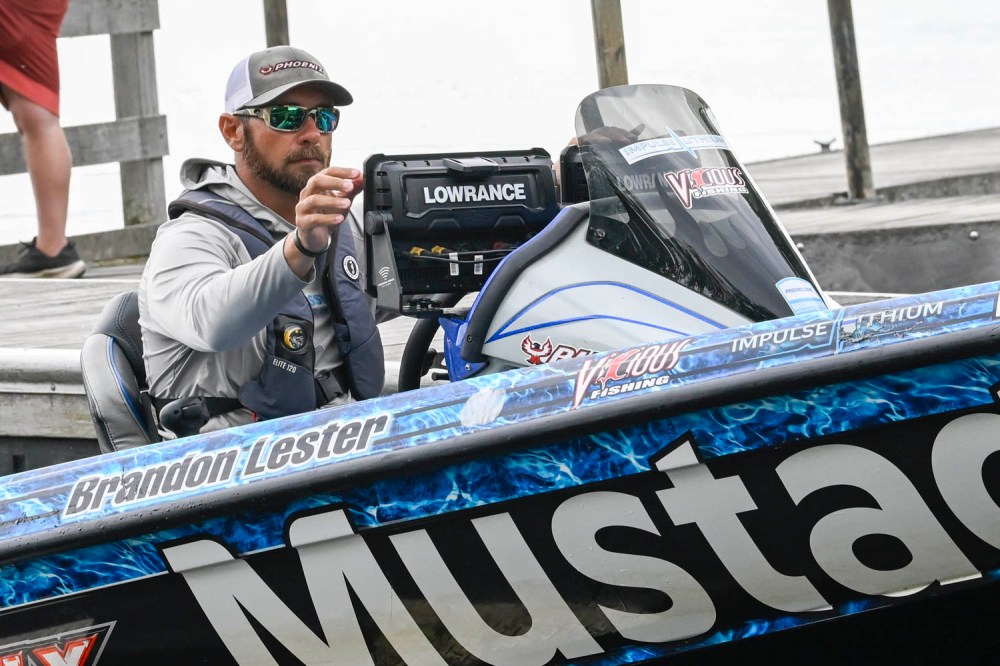
What’s different about the lake without using forward-facing sonar? “First, the fish have become conditioned to lures overall. A lot of that has to do with expanding the strike zones into the open water areas using forward-facing sonar,” Lester said. 
“I’ll rely on Lowrance Active Imaging to fill in the gaps, which will allow me to depend more on habitat choices than just out there looking for the bait and the fish.”
Chris Zaldain
How will the other sonar modes play into this week? “The biggest player will be the rotating 360-degree transducers from the various brands. Although it’s not ‘live,’ it still shows you how we successfully caught fish six, seven years or more ago,” Zaldain said. 

“This will be all about structure fishing. Grass fishing for largemouth; structure fishing for smallmouth. That’s followed by 2D sonar. You see a couple of arches (fish) beneath the boat and drop right down into them. Simple as that. 
“What I’m hearing is that a lot of guys are lost (who are dependent on forward-facing sonar). I like it because it takes you back to the fundamentals of structure fishing. Using your sonar. Using your map. Just going old school and proving it still works today.”