Elite fisheries 2027 coin flip analysis

The pros break down the fisheries according to live sonar allowance.

The 2027 Progressive Bassmaster Elite Series will take anglers from Lake Okeechobee to the Mississippi River and points in between. For the second consecutive season, the outcomes of those nine tournaments will be influenced by a split season of forward-facing sonar (FFS) rules. For the first time, those rules will apply for the next two Bassmaster Classics. Photo: Craig Lamb 
The schedule was set during the Bassmaster Coin Flip Show presented by Walls. Elite venues were paired, with the coin flip determining which event in each bracket would allow FFS. Under the format, anglers may use live sonar in a maximum of five regular-season Elite Series tournaments. Here’s a breakdown of each event with analysis by the Elite pros. Photo: Craig Lamb
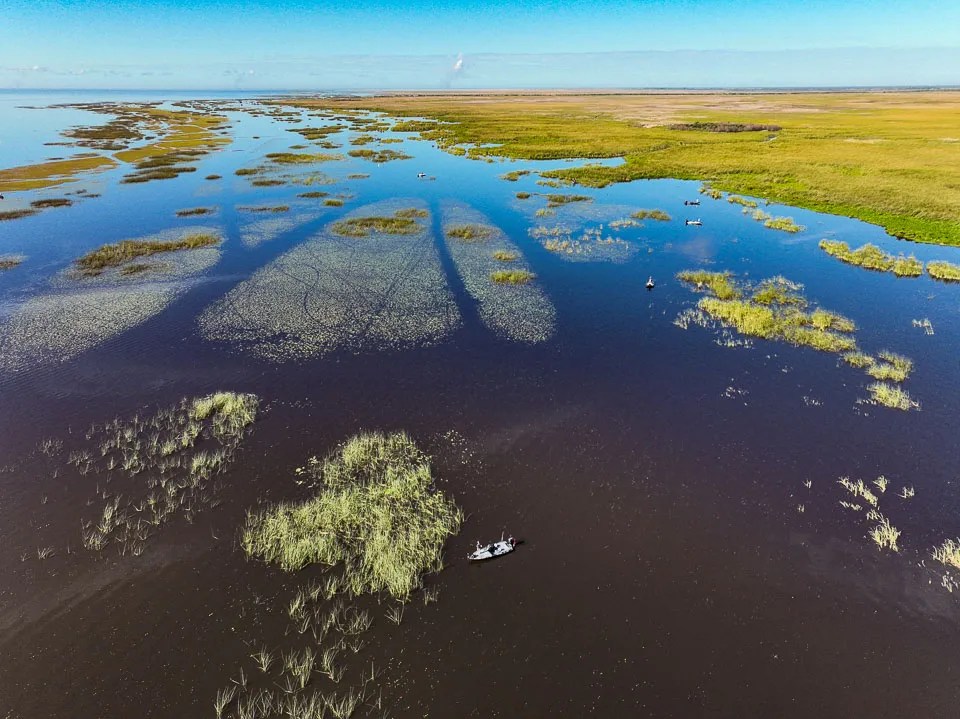
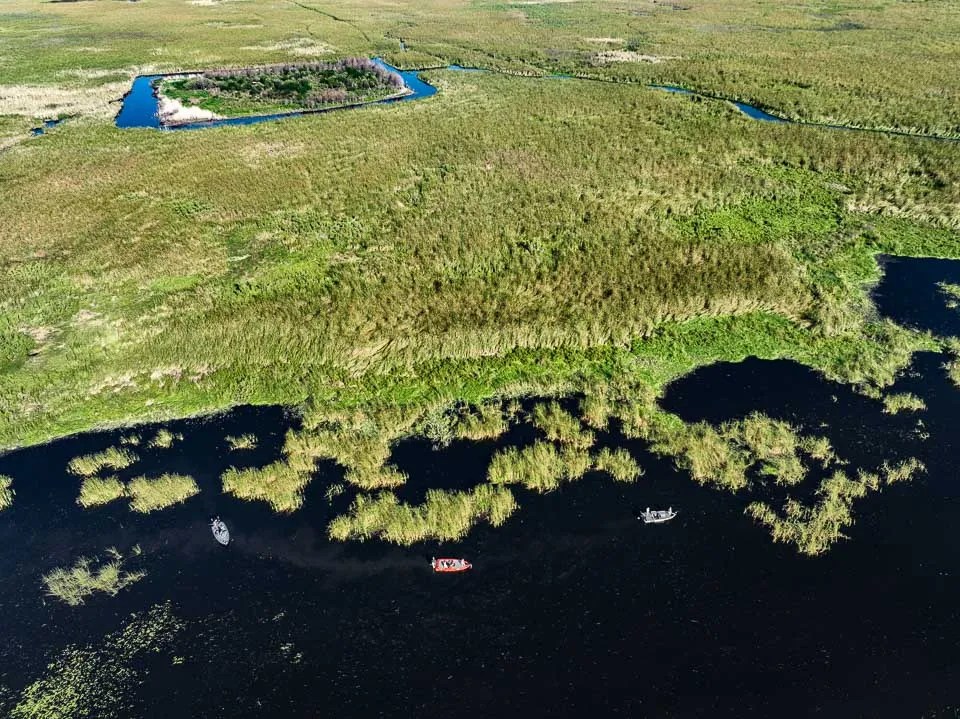
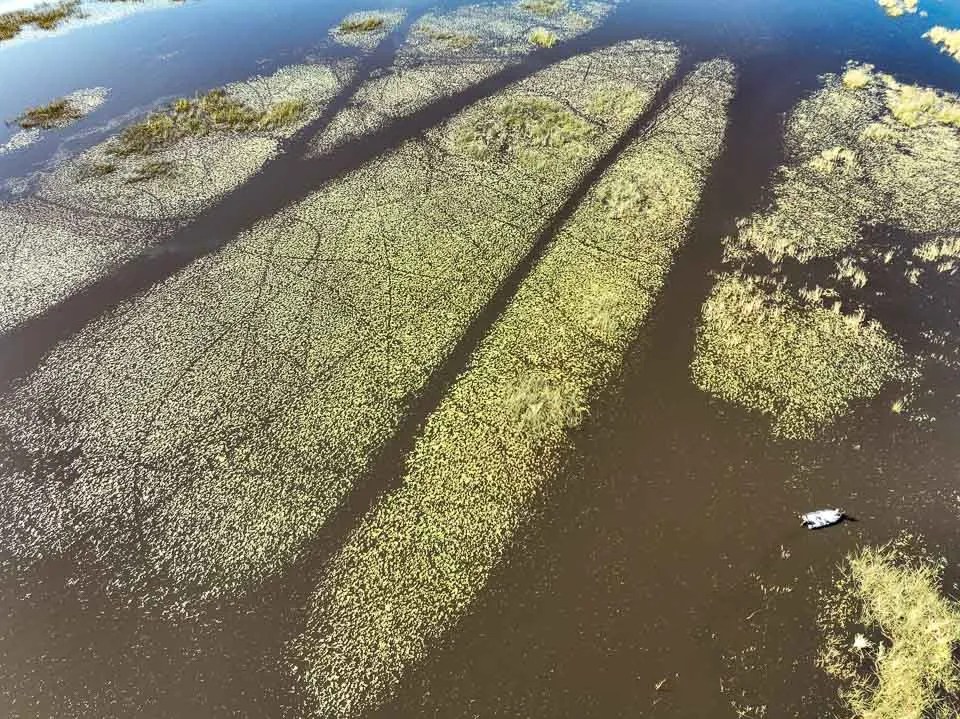
Lake Okeechobee: Live sonar
Brandon Palaniuk won the Elite Series’ last visit in mid-February 2025 with 95 pounds, 4 ounces, and the timeline is the same for the 2027 event. Photo: Craig Lamb
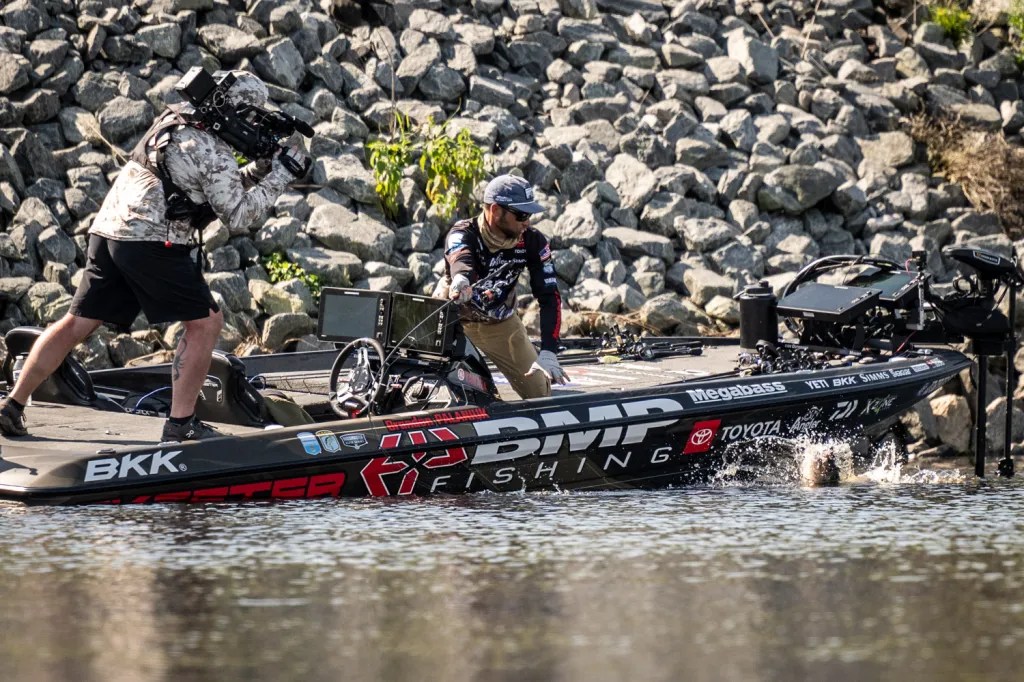
Palaniuk spent the week on a small stretch of the C-41A Canal, which flows southeast from Lake Istokpoga. His key spot was a ridge beside a trench that ran between a high spot and the riprap bank. The winning formula: deep water near spawning areas.
“The overall health of Okeechobee is continually evolving into a different fishery than it was historically,” Palaniuk said. “The lake has been down and there’s not as much vegetation, and forward-facing sonar changes the game.” Photo: Craig Lamb
“Because of those factors the fish are relating to different types of cover, and you can use the technology in more ways to find more untraditional ways to catch bass like we never had before.” Photo: Craig Lamb
Palaniuk proved the point by entirely avoiding the main lake, while other top finishers from 2025 found success in the Rim Canal and other areas. “I think it’ll spread out anglers more, and we’ll see more new tactics revealed.” 
“Somebody will be able to find something different, a bit deeper than normal, a hard spot, or some other unique area, and yet learn more about how to benefit from forward-facing sonar on a Florida lake,” said Carl Jocumsen. Photo: Craig Lamb
Kissimmee Chain of Lakes: No live sonar
Palaniuk believes the lack of live sonar in the late-February event will influence anglers to revert to history. “It’ll be an old-school tournament about finding the right mix of grass and hopefully replicating that into a pattern.” 
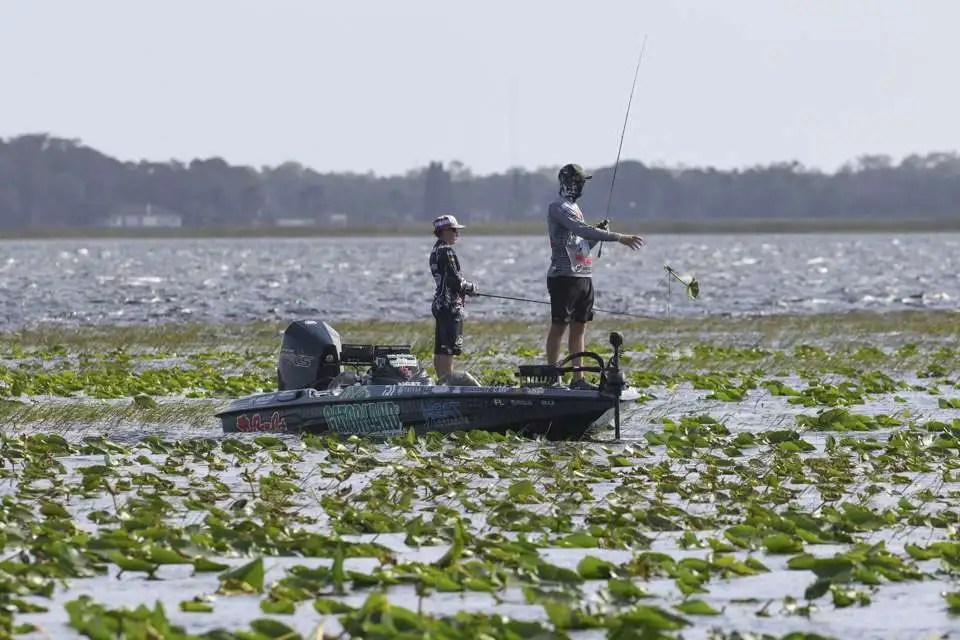
“I’ve also learned that on Florida lakes success is contingent on finding the healthiest vegetation on any given fishery,” Palaniuk said. “At Kissimmee all the connected lakes run in cycles, according to the overall health of the vegetation on any given one.”
“What no live sonar will do is make it harder for guys to find that bigger population of big bass that stage off the bank, which is what scoping in Florida is all about,” said Jordan Lee. “I agree with Brandon in that it’ll be an old-school style tournament at Kissimmee, especially influenced by how cold it got during winter.” 
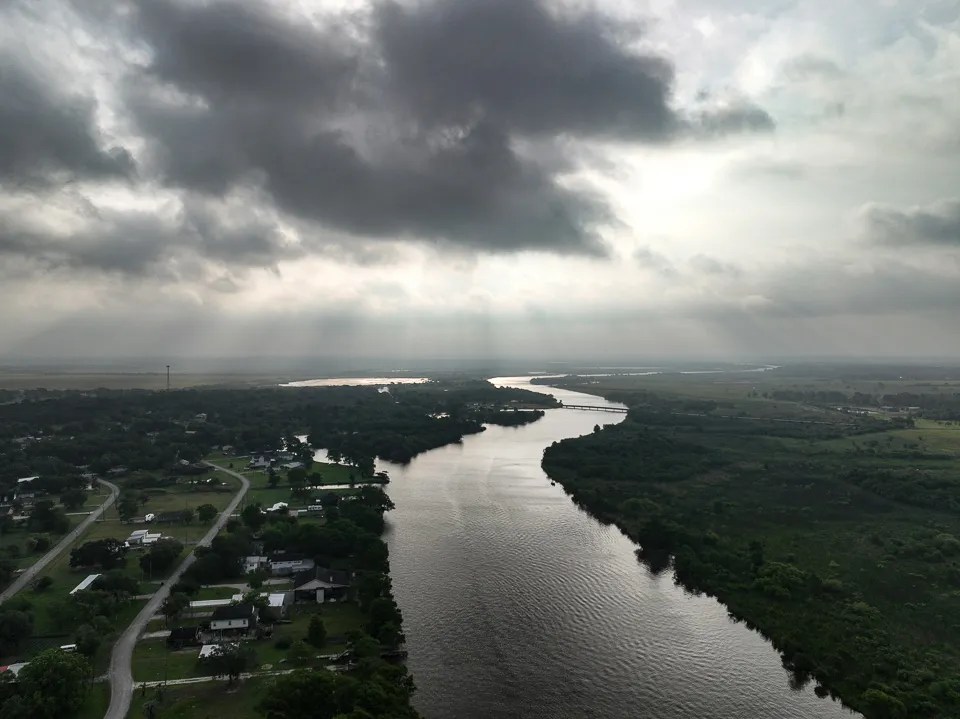
Sabine River: No live sonar
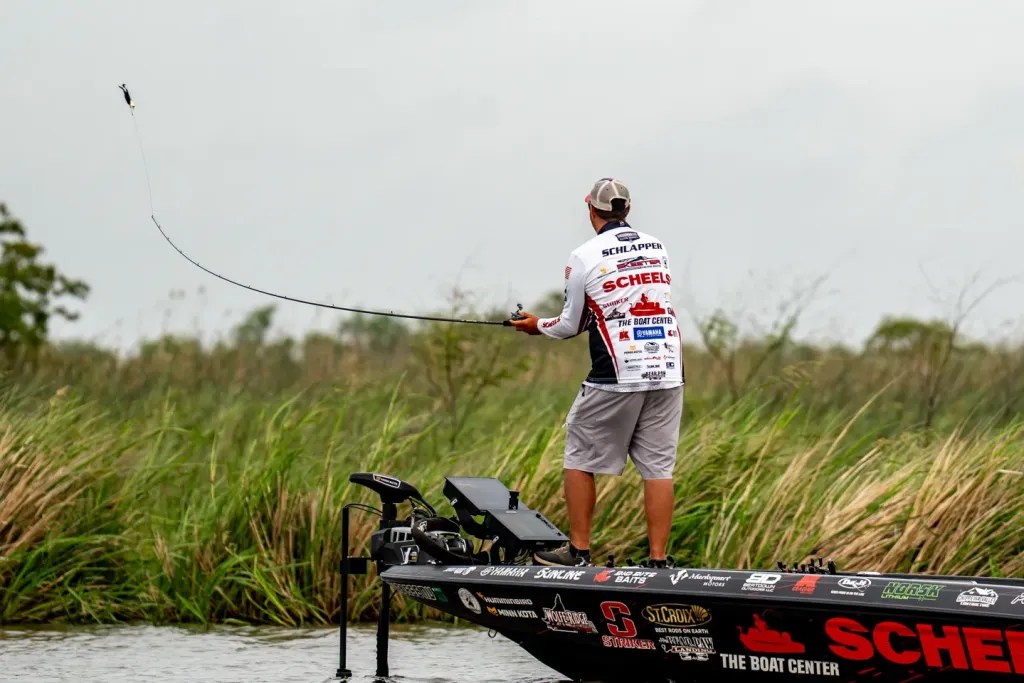
Pat Schlapper went wire to wire, winning the Elite Series’ last visit in mid-May 2025 with 38 pounds, 12 ounces. Rather than slow down for the stingy bass, Schlapper fished fast, covering more water and keeping his strike zone constantly expanding.
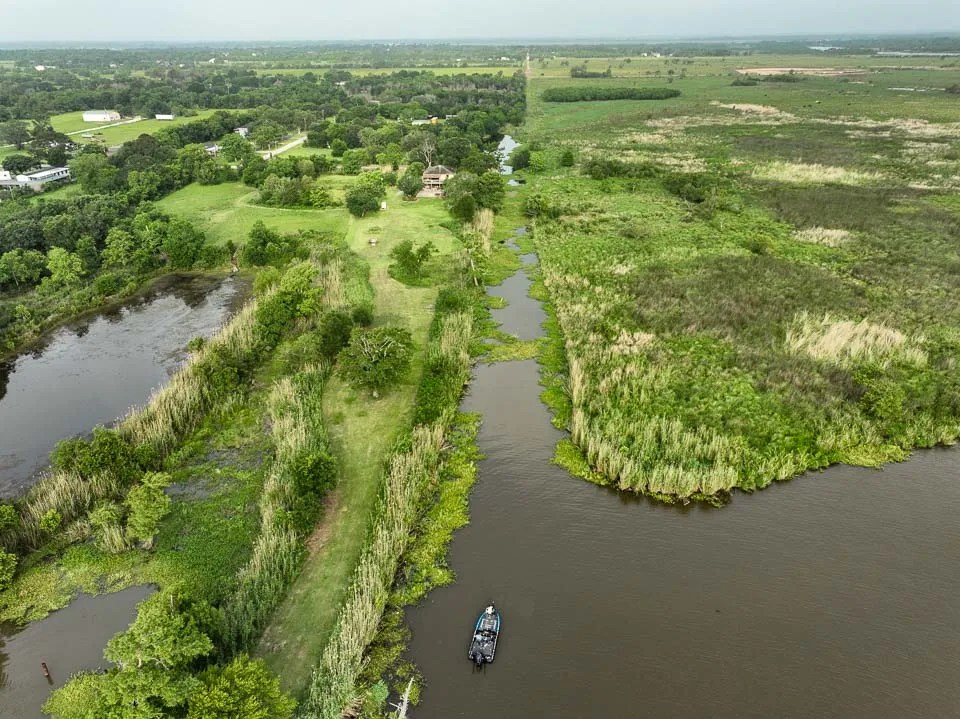
Schlapper began the tournament fishing foundations supporting elevated pipes that crossed a canal off Taylor Bayou. He later moved to a pipeline crossing and open bank. In the latter days, bank fishing dominated, with Schlapper targeting grass, wood and undercut points. Photo: Craig Lamb
A bigger factor could be in play depending on the prolonged record drought conditions plaguing all of Texas during summer and fall of 2026, according to native Lee Livesay. “We could see the bass relocating and moving farther inland, which will concentrate in specific areas,” he said. “Saltwater intrusion is always an issue in the freshwater rivers entering the gulf.” Photo: Craig Lamb
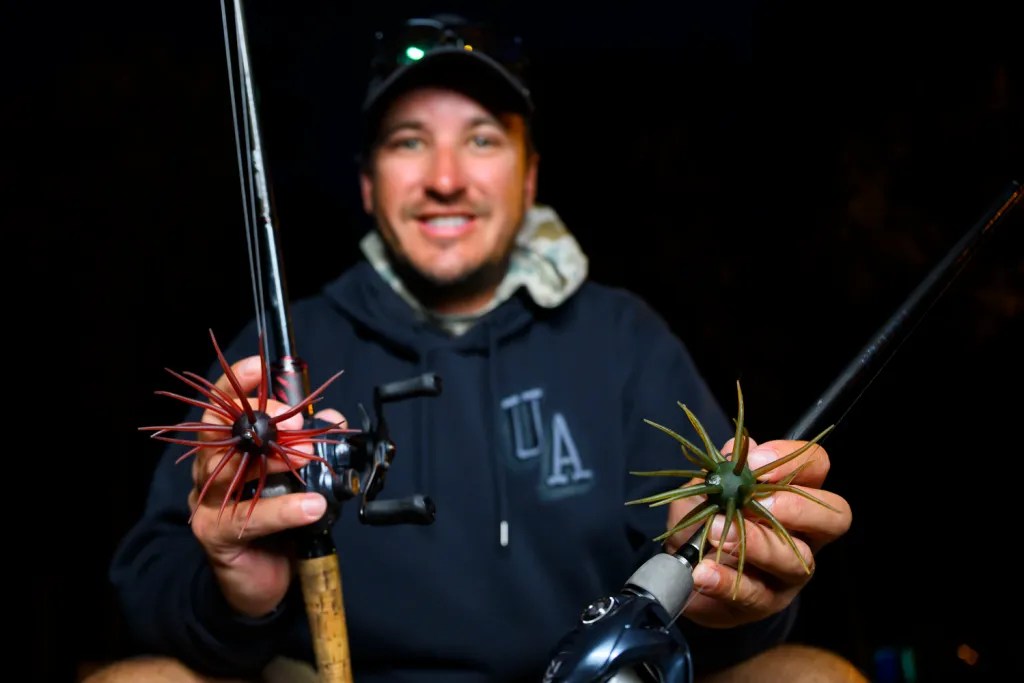
Beyond the relative newness of urchin-style baits, Livesay expects more of the same with familiar techniques for the early April tournament. “What will play different are the areas,” Livesay said. “It will spread us out more than usual.” Photo: Craig Lamb
Lake Fork: Live sonar
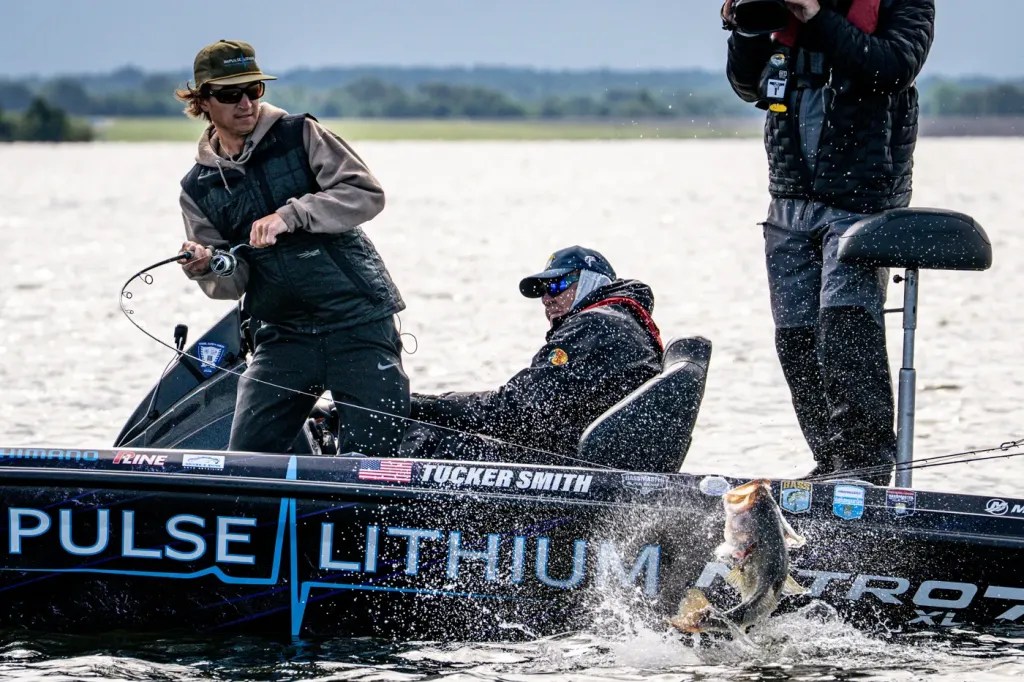
Tucker Smith won the mid-May 2025 Lake Fork slugfest with 127 pounds, 8 ounces, as the Top 10 all eclipsed 100 pounds, earning B.A.S.S. Century Club status. 
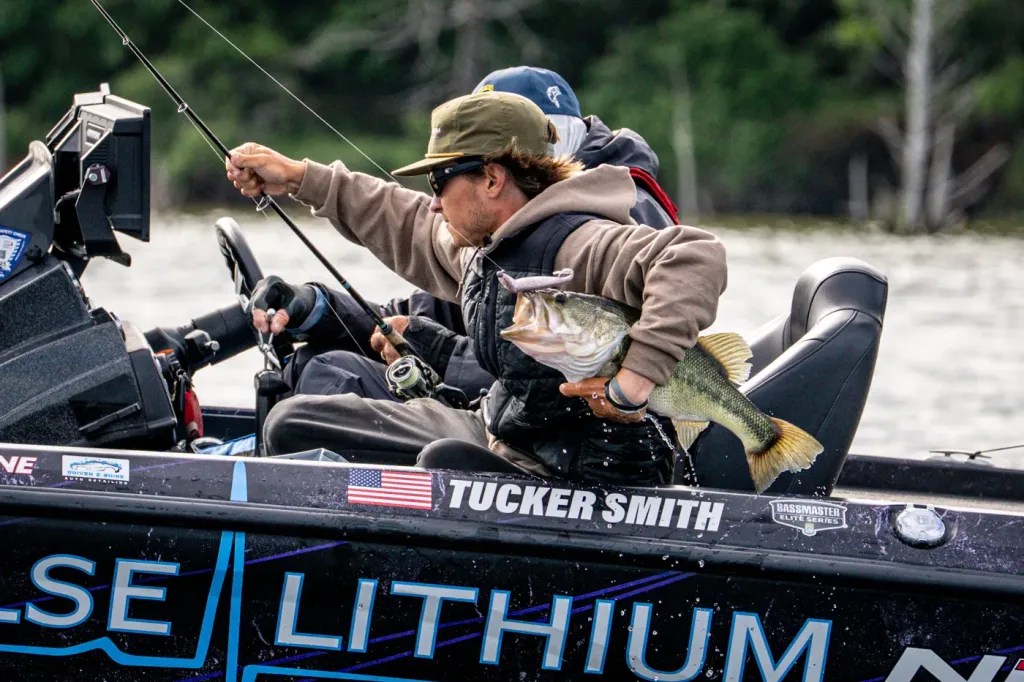
Smith’s pattern featured rotation of offshore clay points, saddles and remnant pond dams in 6 to 40 feet. His winning formula was timing — hitting each key spot at its most productive moment.
In October 2026, Lake Fork was 6 feet below normal due to the ongoing record drought, which bodes well for the fishing, according to Livesay. “If it’s low, due to the drought, then we’ll see more record-breaking catches; the Top 10 could all crack 100 pounds (again).” Photo: Craig Lamb
“Helping make that possible is the mid-April timeframe (one month earlier than 2025) and the ability to use live sonar to intercept and target specific areas of big bass,” Livesay said. Photo: Craig Lamb
Lake Seminole: No live sonar
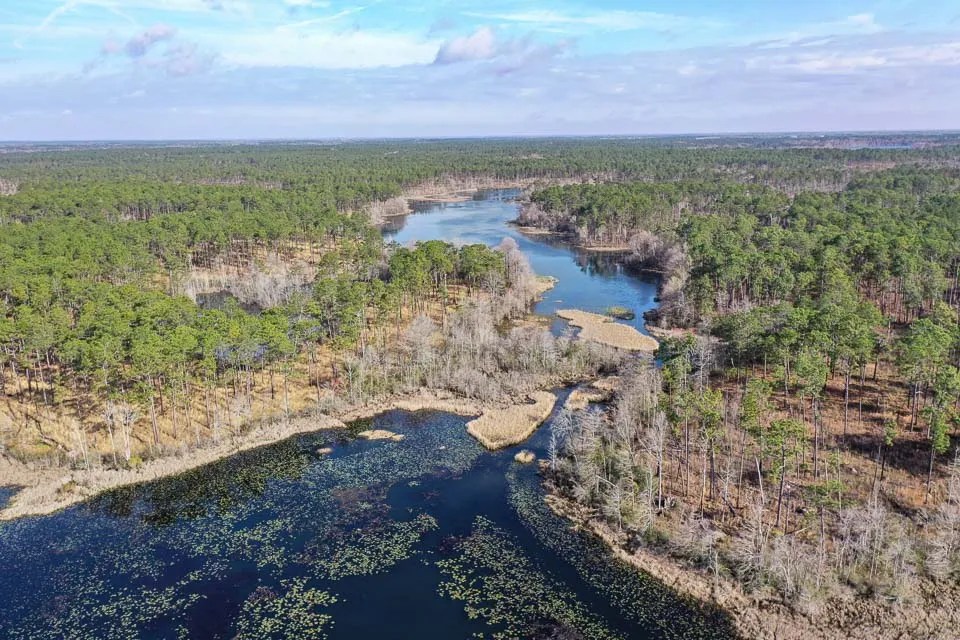
Joey Cifuentes III won in late-February 2023 with 85 pounds, 2 ounces, targeting standing timber in a bay that offered his preference of clear water, prespawn staging habitat and proximity to spawning flats. FFS allowed him to look for a productive main channel swing where the bass were coming and going. The 2027 event will be in late April, and Jocumsen believes it will set up perfectly for more big weights.
“In 2023, I caught big fish during a shad spawn, on beds and other shallow areas, even though it was won deep on live sonar,” said Jocumsen, who finished 11th. “I think fishing without it will level the playing field, spread everyone out and you will be able to fish strengths, because it’s such a phenomenal fishery.” Photo: Craig Lamb
“It’s also not the kind of lake where you find a winning spot to go back to the next day,” Jocumsen said. “Guys are going to have to make some wild adjustments through Day 3 and 4 because you’ll run out of fish by then if you don’t.” Photo: Craig Lamb
Santee Cooper Lakes: Live sonar
Chris Johnston’s winning weight of 113-12 centered on main-lake docks that harbored resident largemouth in the mid-May 2026 tournament. Photo: Craig Lamb
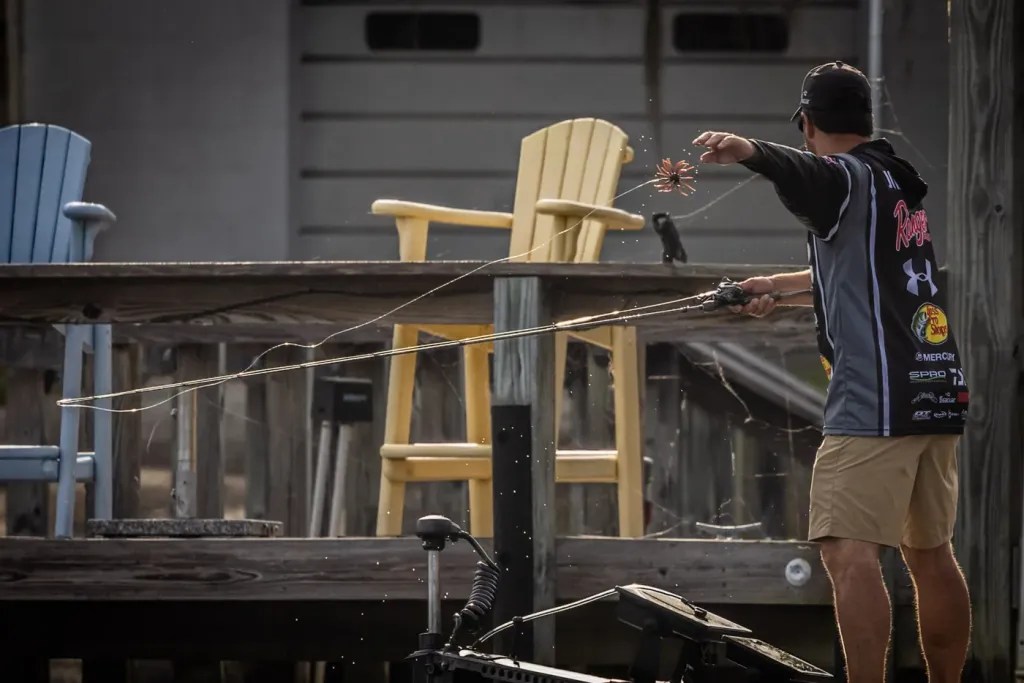
In the no-FFS tournament, Johnston targeted the often-overlooked, less-pressured docks rather than the resurgence of aquatic vegetation favored by most anglers. This time, the tournament will be in mid-May. 
Johnston proved the newness of the hottest bait of 2026 could win a tournament, and even so, there’s more to the storyline than the urchin. “Now with forward-facing sonar, we’ll be able to expand on his pattern and find even more different types of areas to catch big fish,” Jocumsen said. 
“Guys are going to smash them, and we’ll see just how well forward-facing sonar allows us to find big fish in deeper areas.” Photo: Craig Lamb
Tennessee-Tombigbee Waterway: Live sonar
Jason Christie won the late-March 2026 event with 58-2 under non-FFS rules, using 360-degree sonar to locate bass-holding stumps. 
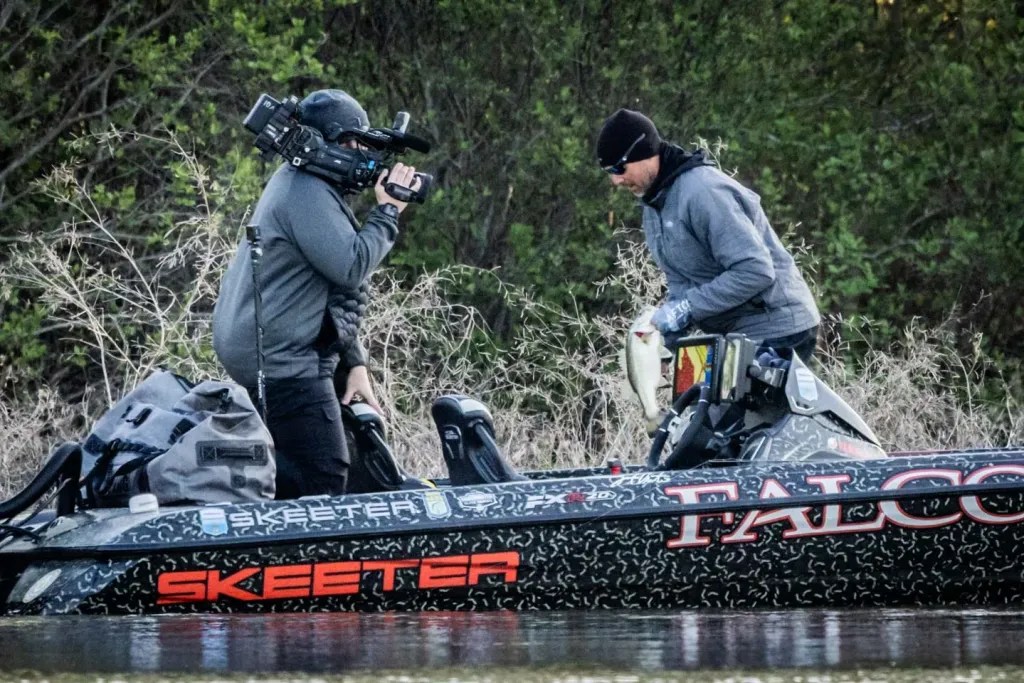
After spending much of Day 1 running and locking, Christie committed the final three days to a shallow backwater across from the tournament site on Columbus Lake, methodically picking apart grass and wood cover.
Justin Atkins, always a tournament favorite on the Tenn-Tom, said the timing of the mid-June tournament will be key for using live sonar. “It’s not really exploited well in local tournaments, so our guys are going to unlock something new that has never been done there before.” Photo: Craig Lamb
“Local knowledge will not matter now, the community holes won’t be such a factor because guys will be able to open up a new way to find fish in the lake, the river and the backwater areas,” Atkins said. Photo: Craig Lamb
Lake St. Clair: No Live sonar
Trey McKinney led wire-to-wire, winning the August 2025 event with 96-1. He spent most of the tournament along the outer edges of Anchor Bay, targeting patches of short sand grass mixed with taller vegetation in 15 to 18 feet of water. 
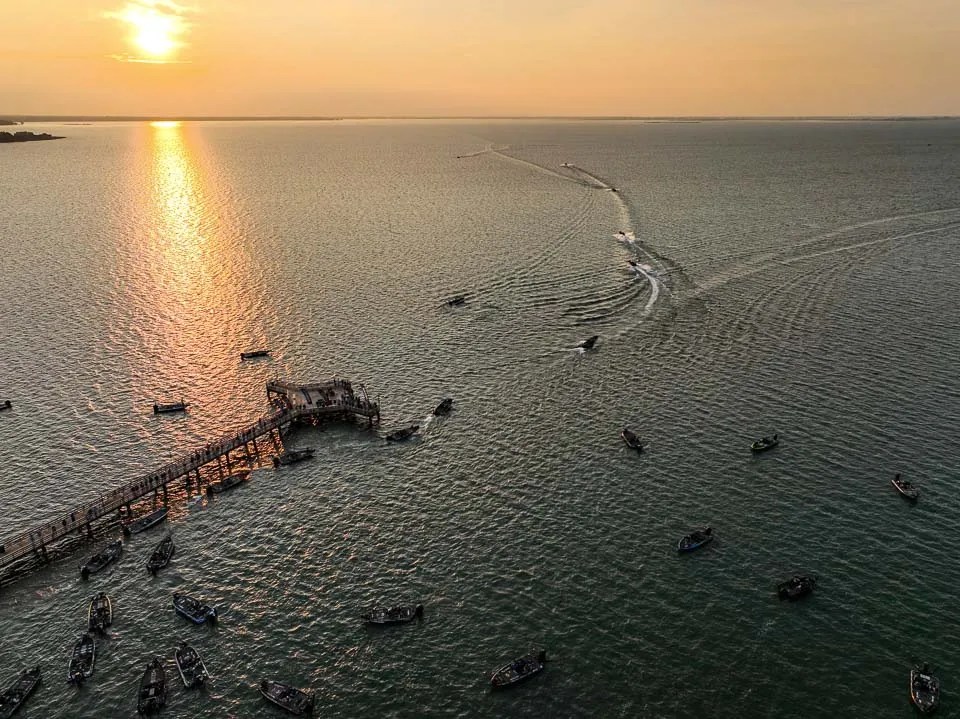
Forward-facing sonar was a huge factor in McKinney’s win, making it an entirely different ballgame for the early-August 2027 trip. Instead of half the field congregating in Anchor Bay (as they usually do) the search for bass will likely spread to the rivers connecting to the lake. Could the tournament be won in the St. Clair or Detroit rivers? Photo: Craig Lamb
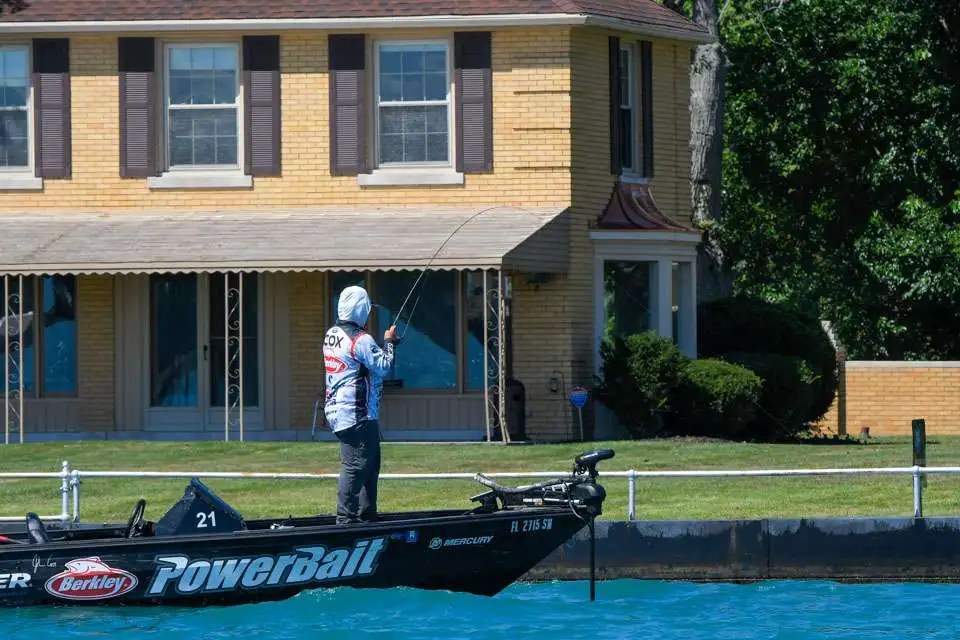
Ask John Cox and the answer would be yes. For the first three days, Cox led the 2020 Elite fishing in the Detroit River, where a drop shot produced catches weighing 24-12 (heaviest of the tournament), 20-10, 20-12 and 19-10 on Championship Sunday. 
“It was my favorite coin flip of the season,” said Minnesota pro Bob Downey. “No forward-facing sonar limits your advantages out in the middle of the lake.” What it’ll do is require guys to feel their way around more, fish old school with a tube jig.” Photo: Craig Lamb
Mississippi River: Live sonar 
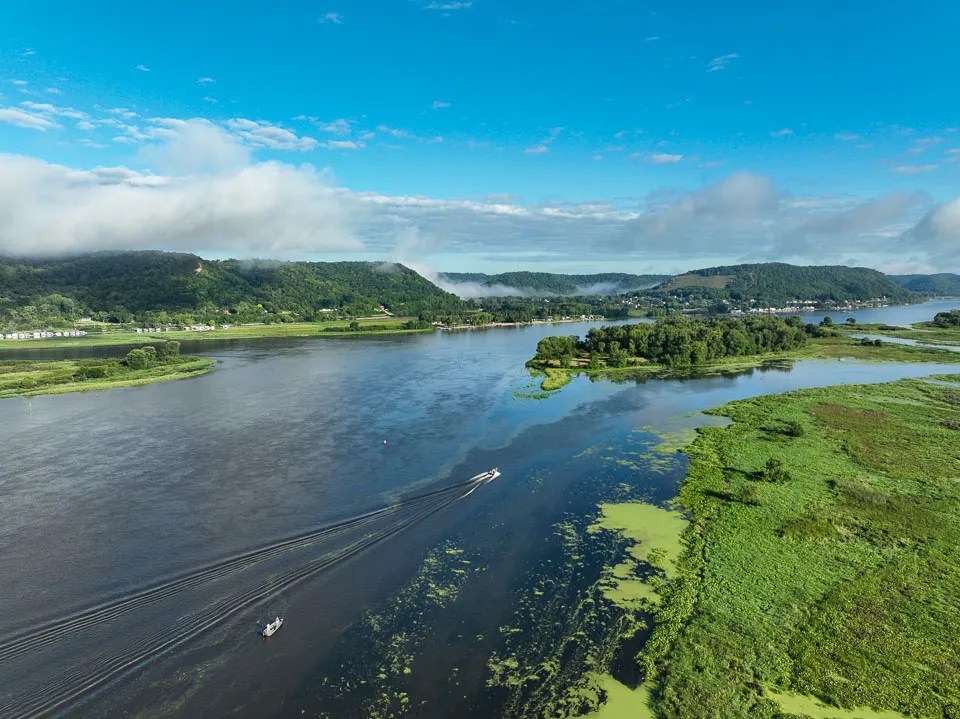
Pat Schlapper persevered through changing weather and fluctuating water levels to win the August 2025 tournament with 66-5. Significant local knowledge enabled him to exploit vast expanses of eel grass using a frog and punching setup. 
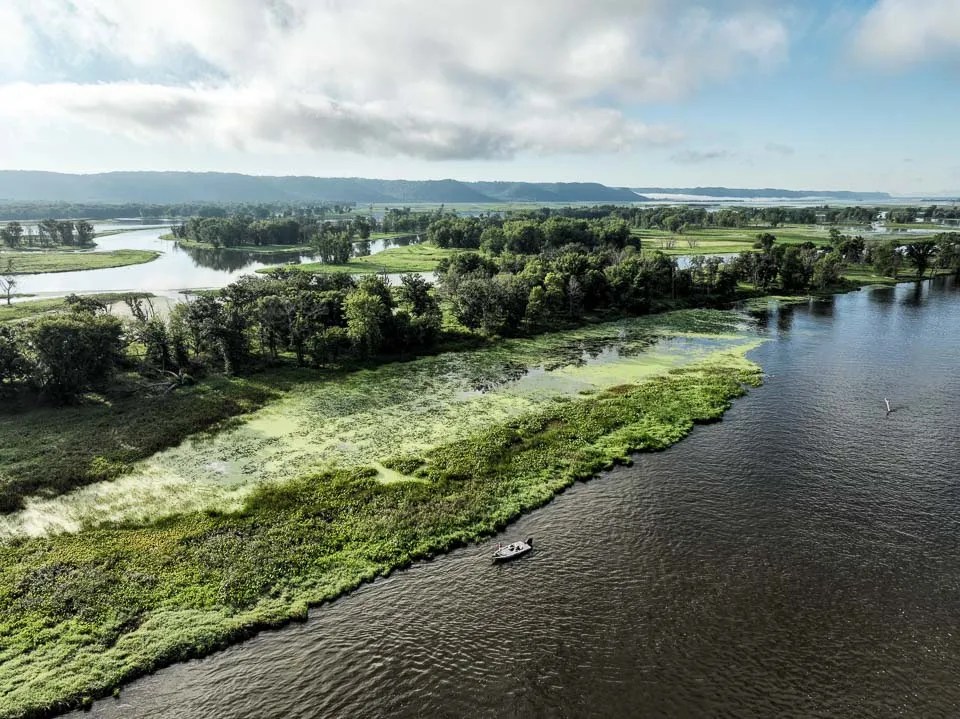
“Like always, it’ll depend on the water level and that’ll set the tone for how the week will play out,” Downey said. “If it’s high then it’ll spread guys out more, with traditional summertime patterns in play.” Photo: Craig Lamb
“Forward-facing sonar will spread guys out more anyway, with it being utilized now on the main river,” he said. “The river is already really good, and having guys exploit it even more with live sonar will make it even better.” Photo: Craig Lamb
Lake Hartwell: Live sonar
Live sonar will be permitted during the 2027 Bass Pro Shops Bassmaster Classic presented by Under Armour, while the 2028 Classic will be contested without live sonar. Photo: Craig Lamb
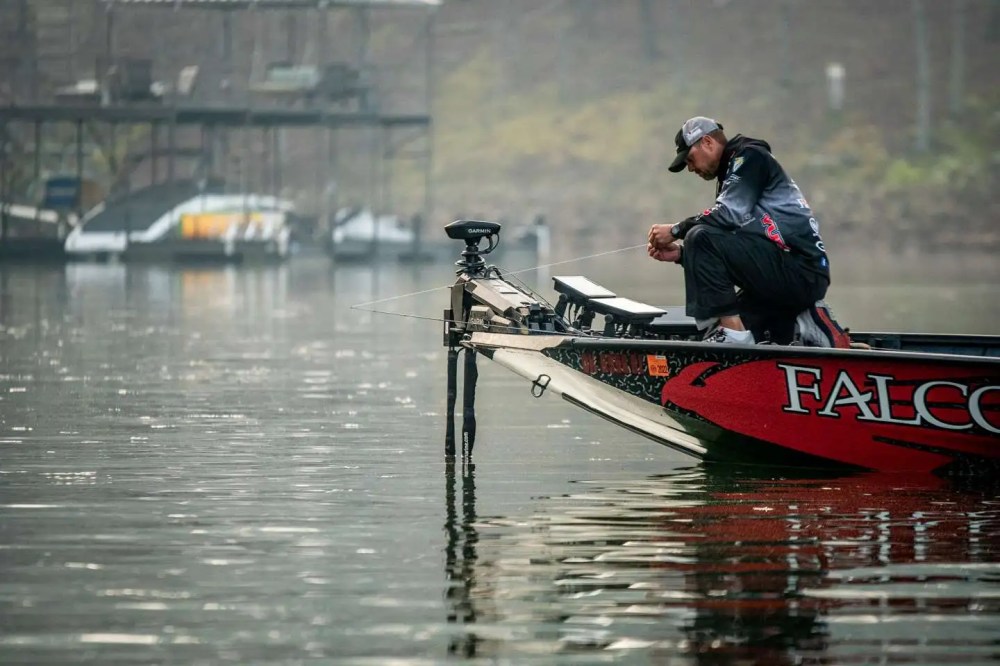
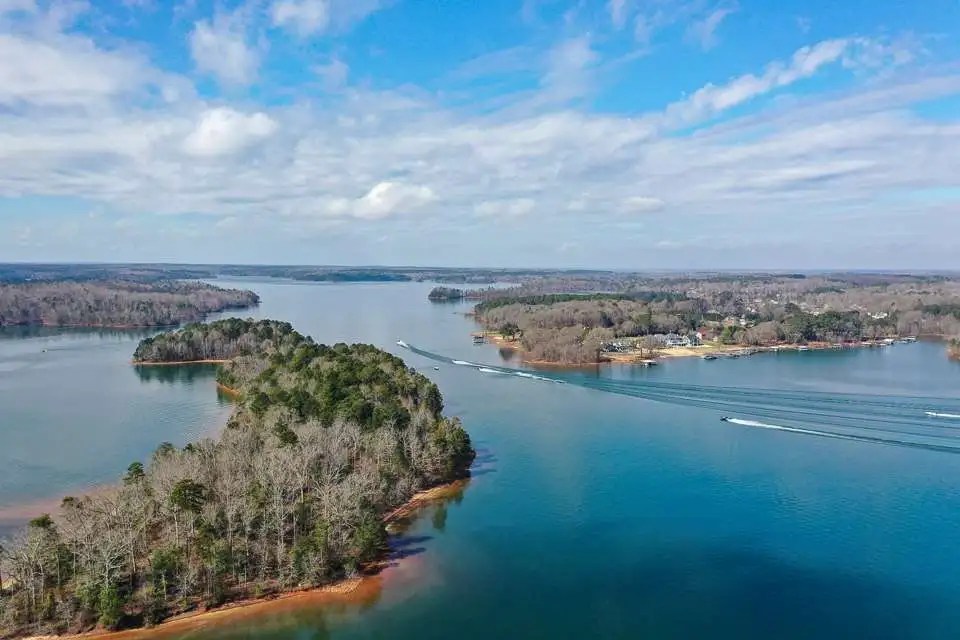
At the Classic’s last visit to Lake Hartwell in 2022, champion Jason Christie used live sonar to specifically target suspended bass roaming in deeper water. “There was no chance I could’ve seen those fish without it,” Christie said. He also used live sonar to see isolated fish relating to docks in shallow water, and to locate brushpiles, ditches and other productive areas. The same held true for all the top finishers. 
“There are lots of live sonar patterns that time of year,” Downey said. “At the same time, it opens opportunities for a shallow bite, so don’t leave that out.” Photo: Craig Lamb