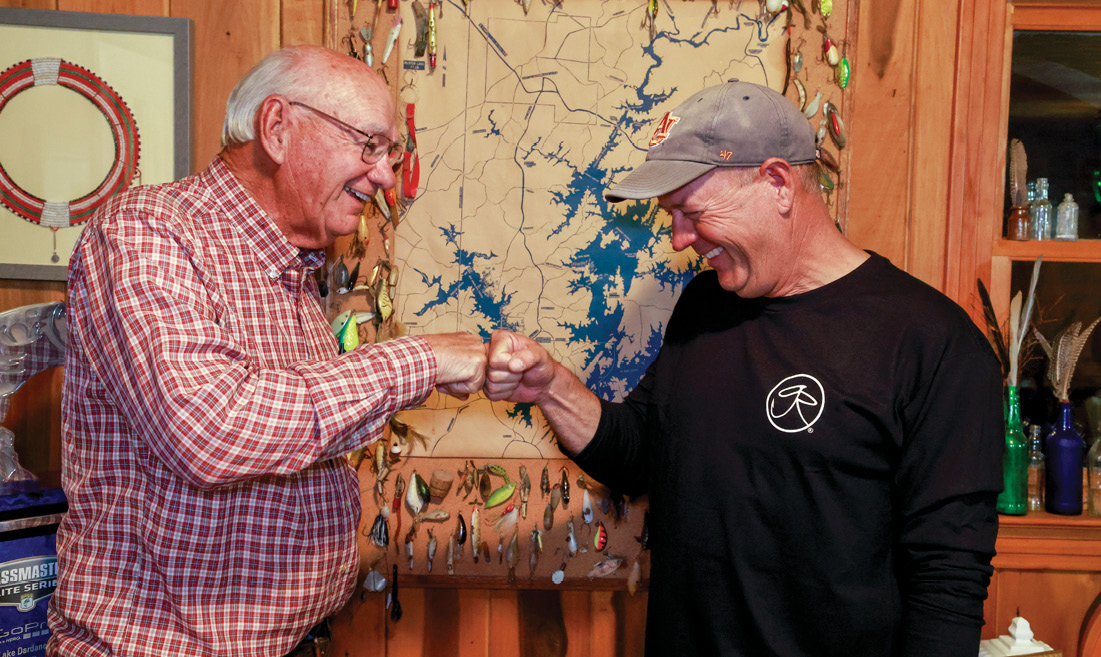
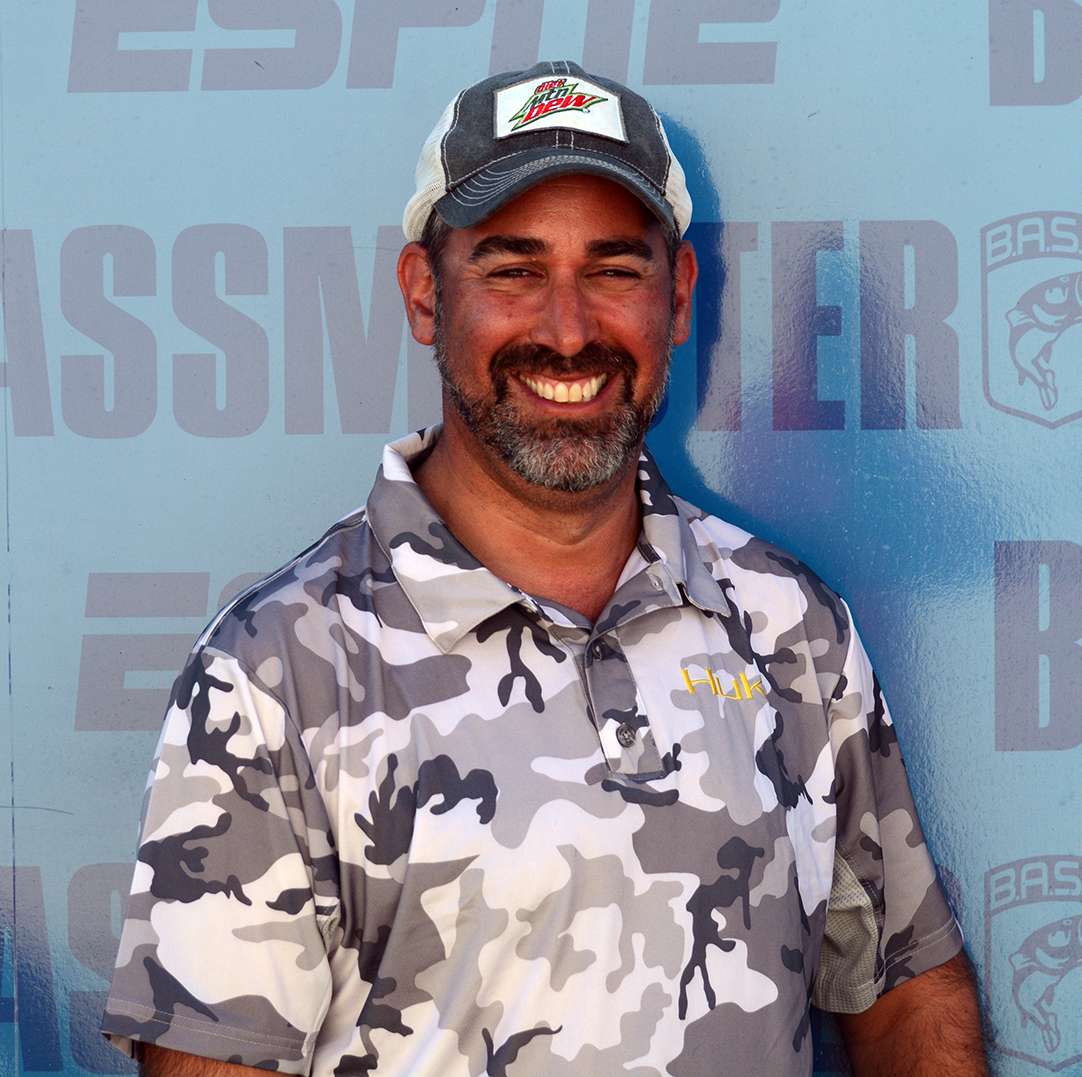
On Father’s Day, Progressive Bassmaster Elite Series pro Steve Kennedy and his father, 1982 Bassmaster Classic qualifier Van Kennedy, will be fishing.
They may be together. They may be hundreds of miles apart if that’s what the tournament schedule demands. But they will be on the water somewhere. It’s what they do, a combination of muscle memory, tradition and obsession.
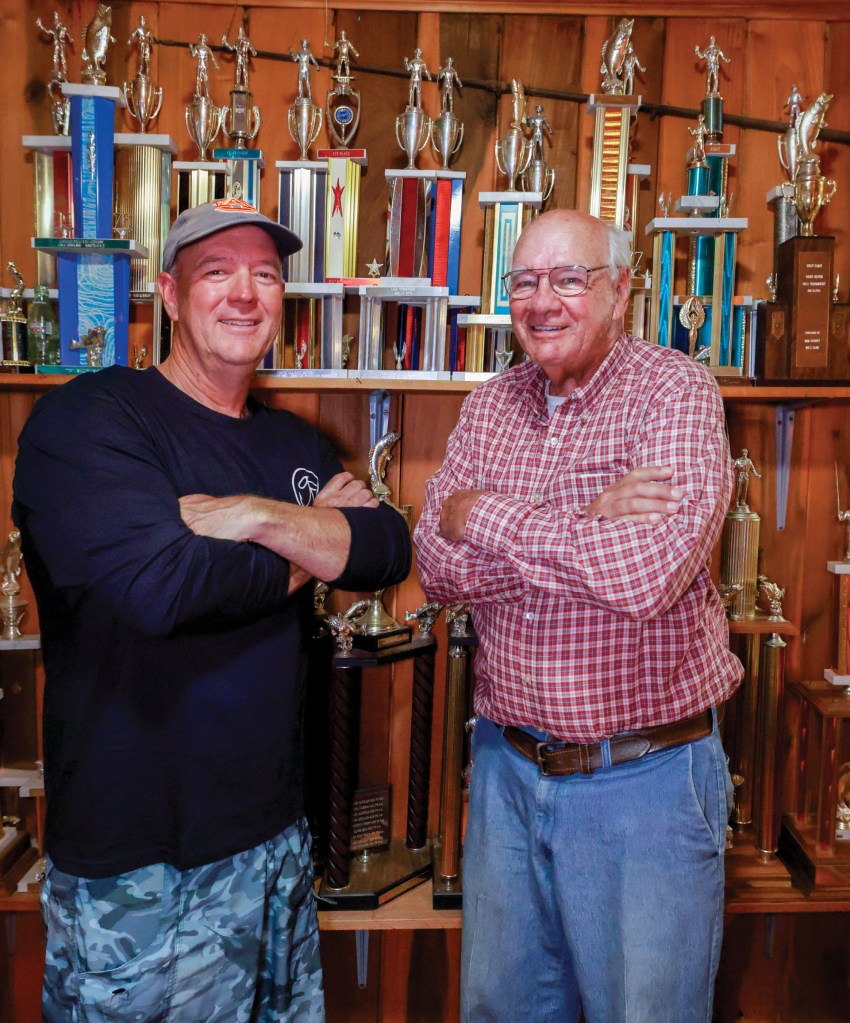
“Right now, he fishes more than I do, and I’m a pro,” Steve says of his 84-year-old father, half-amazed, slightly embarrassed. It’s what Van has done seemingly forever. And while the elder Kennedy stresses that he was and is “a club guy” who does it exclusively for fun, his son’s longstanding success on tour reflects his father’s strong influence.
First Ingredient: Practice, Practice, Practice
“In our family, fishing is a way of life,” Van says. Indeed, he worked for 37 years for the Blue Bird bus company, the same outfit that made the vehicle Ray Scott used to take the likes of Roland Martin and Bill Dance on educational speaking tours across the country in the early days of B.A.S.S. But for Van Kennedy, the connection was only incidental. What really mattered was his work schedule.
“I worked four days a week, 10 hours a day,” the retired engineer says. “I was fishing 52 weekends a year. There weren’t any weekends we missed.”
That included travel to tournaments throughout the Southeast. There was only one problem. His wife, Karen, worked at a hospital and had unpredictable on-call hours. If she was summoned to duty, as she often was, then Van became the de facto babysitter.
“Steve has been in my boat literally since he was a baby,” Van adds. “He’d sleep in the rod box.”
Steve, the eldest of four children, has never had a reputation for being a daylight-to-dark practice angler, so he admits that it’s kind of ironic and perhaps explanatory that “my whole life was practicing for tournaments and not getting to fish them.” But that doesn’t mean he wasn’t an integral part of Van’s success.
“Dad was buddies with Jack Chancellor,” Steve says. “So we were throwing a lot of Carolina rigs. We’d pull up on a hump, me, Dad and my brother Travis, and we’d drift with the wind. We’d each have two rods, with a mix of color and baits, and we’d dial in the best lure and color. Dad would stay there until he learned how he could catch them, so I learned how to catch fish really fast.”
When Steve became old enough to fish in the Red Man Tournament Trail (now the BFL) and other tournaments, they’d share information and split their water on tournament day.
“He’s the luckiest boy alive,” Van jokes, still stinging decades later. “He’d get boat 10 and I’d get boat 150. He continually whipped my heinie because he had all of the good places.”
But for the younger Kennedy, it proved something valuable: If he could beat the old man, he could compete with anyone. Steve won AAA tournaments out of an old Bass Tracker and a Ranger they bought for $1,500, both with unreliable motors. At each speed bump, Van was there to support him, either financially or with mechanical assistance or in some other way. Any success that Steve had on tour reflected — and still reflects — a team effort.
The Second Ingredient: The Cabin
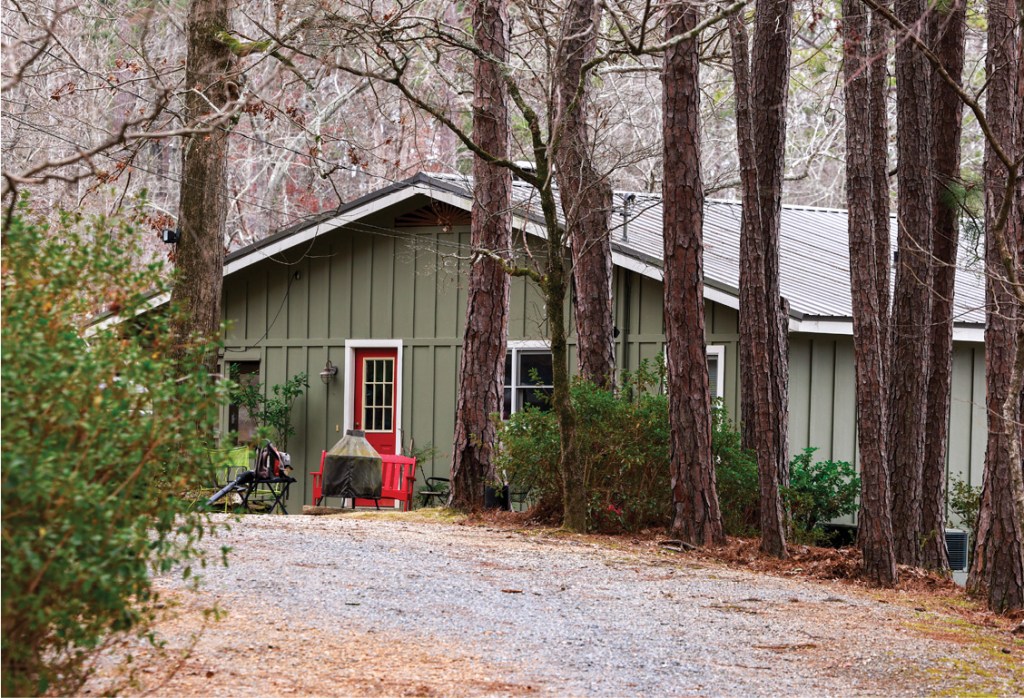
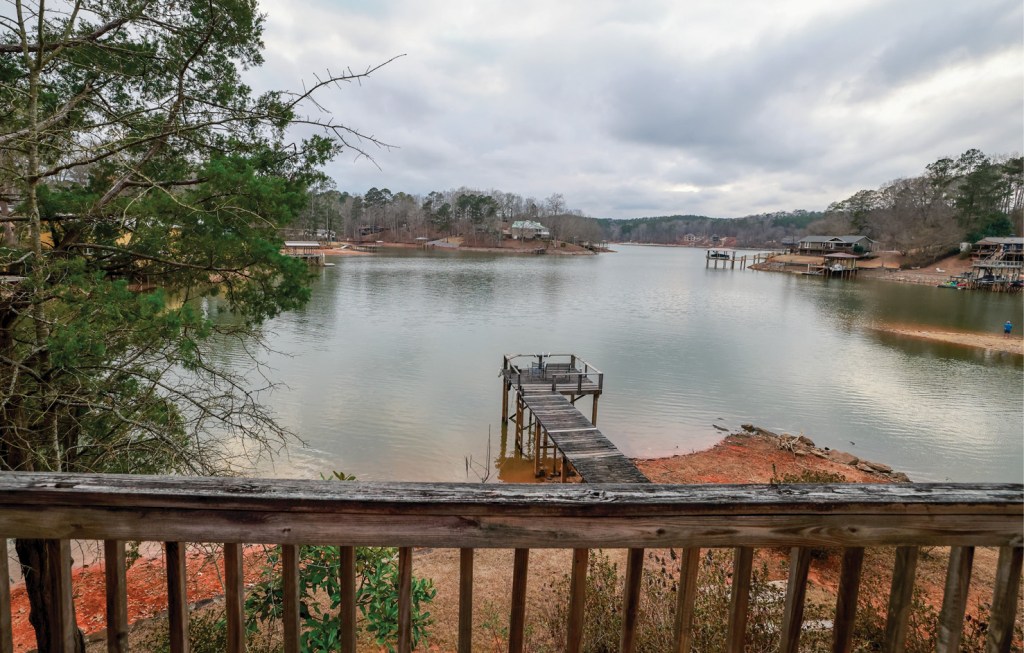
This Kennedy clan’s Camelot isn’t in Hyannis Port. It’s 1,200 miles southwest at a cabin on Lake Martin in Alabama. The impoundment played a critical role in the childhoods and fishing educations of both father and son.
“I lived only three miles from the lake when my parents built the cabin,” Steve says. “When I was old enough to get a motorbike, I’d go to the dirt ramp and fish all day. We built the cabin when I was 14 or 15. We fished every day, no depthfinders. I finally got one and all it did was kill my battery.”
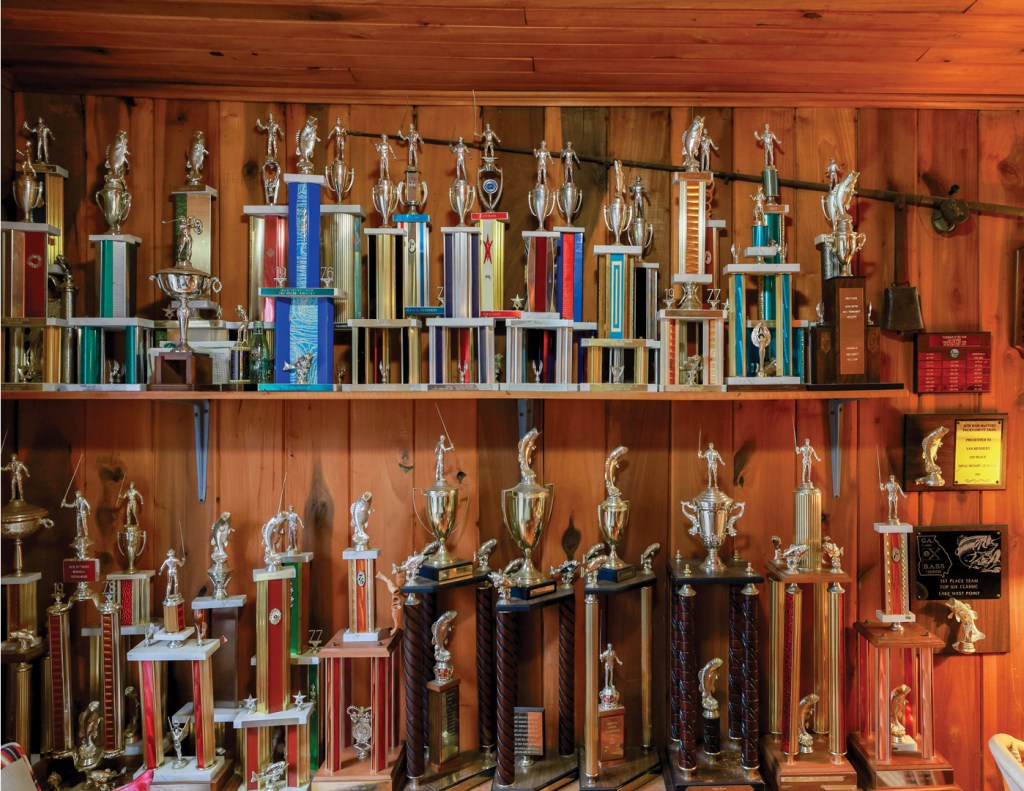
Today, the humble cabin on the lake’s shores remains a testament to all the success that the family has had on those waters and elsewhere. There are shelves and rows of trophies — arguably more for Van than for Steve, although brother Travis is also a successful tournament angler in his own right, despite choosing not to pursue it as a career. They’ve seen the lake change, from a largemouth fishery to a spotted bass factory, from undeveloped to a playground for the wealthy from hundreds of miles around. Still, it’s home, and when they’re there, the goal is to fish.
“We go every Thanksgiving, every Christmas,” Steve says. “If we were there for about a week, the goal was to catch a thousand fish in the aggregate — black bass, white bass, crappie, even the occasional bluegill. When they built Lake Wedowee [the reservoir upstream of Martin], the fish didn’t spawn as well, especially the white bass, so our goal went down to 500. Of course, then we had to clean ’em all.
Today, the roles of 40 years ago are sometimes reversed. During the past offseason, Van and Steve fished together at Lake Martin, careful to comply with the Elite Series rules, but when the Elite event on Martin this spring did not work out well for Steve, Van was apoplectic.
“During the tournament he did not go to the places where he’s caught big fish,” Van says. “He’s hung up on these big glidebaits. He was a Senko man, a jig man. He made them pay off. My wife tells me to shut up.”
Steve’s wife, Julia, echoes those thoughts: “Steve’s mom, Karen, would be a millionaire if saying ‘hush up’ paid.” But rather than the occasional father/son friction being a sticking point, it’s actually become a life lesson.
“I think Steve learned honesty and truth are what you lead with,” Julia says of the relationship between Van and Steve. “And stand by it regardless of popular opinion. Even if you offend someone. If you’re wrong about fishing or anything mechanical, they tell you. If they are quiet looking at you, you’re most definitely really wrong and they are trying to phrase ‘idiot’ in a nicer way.”
Classic Dreams
Even after three Elite Series wins, 11 Classic qualifications and more than $2 million in B.A.S.S. earnings, Steve Kennedy is still inspired by his father’s example.
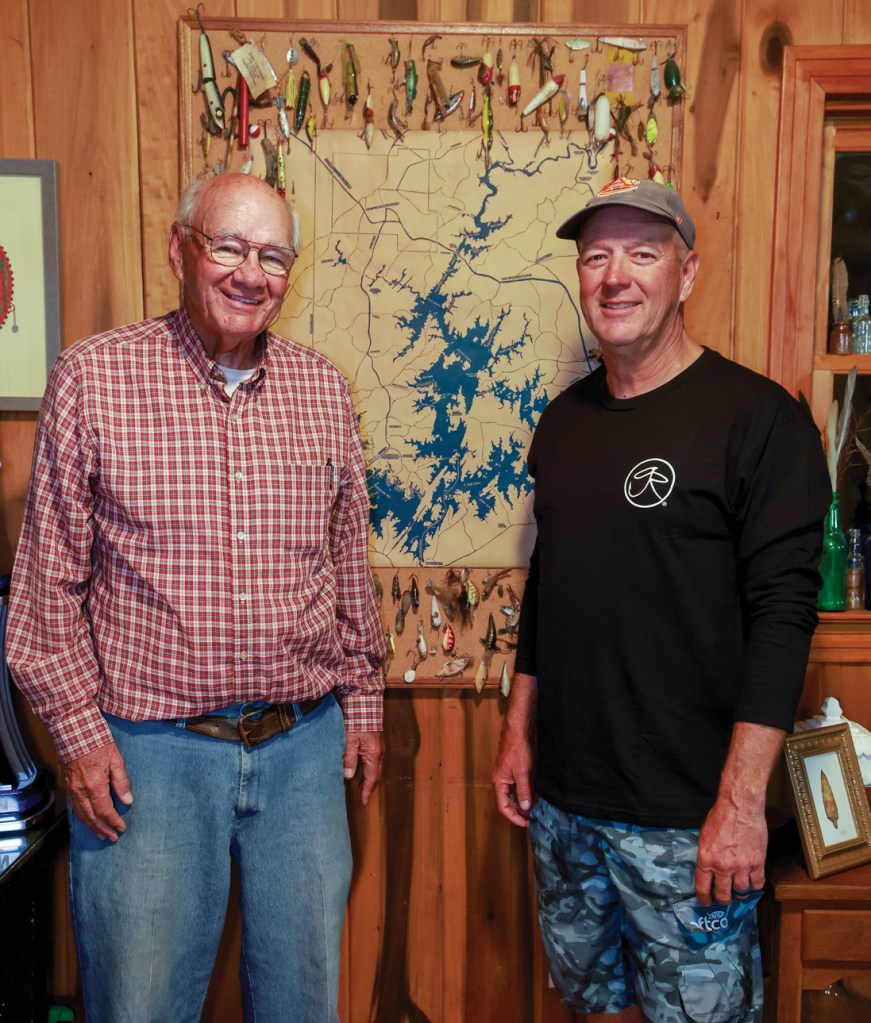
“He was the man at Seminole back in the ’70s and ’80s,” Steve says. “They’d have Calcuttas [side bets where spectators can bid on the anglers] at some of the big tournaments, and people were paying a thousand dollars for Dad.”
Van’s most notable accomplishment, however, was qualifying for the 1982 Bassmaster Classic through the Federation. Steve’s hardworking mother, Karen, had heard about the Classic’s pageantry and envisioned an all-expenses-paid trip to someplace exotic, perhaps California. Instead, the “mystery location” turned out to be the Alabama River, just 30 miles from their hometown. Van practiced “from Wetumpka down to the dam,” but his water was blown out by what he recalls was 9 inches of sudden and unrelenting rain. He finished 28th in that tournament, which Paul Elias won by “kneeling and reeling.”
Of course, Steve still has to poke at him a little: “Travis was the one who got to go practice with him,” he recalls. “That’s why he didn’t win.”
The Kennedys’ California dreams were eventually realized 35 years later, when Steve, fresh off an Elite Series Rookie of the Year campaign in 2006, set the B.A.S.S. record at the time for heaviest winning weight in the five-fish limit era with 122 pounds, 14 ounces over four days at Clear Lake.
Life Choices
It hadn’t been an easy path to that point. While Van had spent countless hours on the water with Steve, Van hadn’t been supportive of his son’s desire to pursue a career as a pro angler. After all, Steve had earned an engineering degree at Auburn, which promised a steady paycheck, perhaps not with Blue Bird, but with someone like them.
Nevertheless, Van understood how to telegraph the order of life’s essential needs.
“I liked working for Blue Bird because I got lots of vacation and holidays,” he says. “When I started, I took my first paycheck and I bought a boat, a motor, a trailer and life preservers. The next week I got my second paycheck and I bought a wedding ring for my wife. She knew what my priorities were.”
Fishing for a living hadn’t been a viable way to make a living growing up, so Van couldn’t see how it might be one for his son. They butted heads. Steve says that to some extent, his father and the other naysayers were right. He and his wife and children have had to make certain financial choices and sacrifices.
“I can’t argue with him,” he says. “But I still wouldn’t change a thing.”
Passing Down The Traditions
Even as one of the handful of original Elite Series pros on tour, and the second-oldest after Mark Menendez (Kennedy preceded Gerald Swindle by
8 months), Steve Kennedy retains the same enthusiasm he had for fishing and competing that infected him at an early age. But another lesson he learned was that you can’t force someone to be something they’re not. Growing up, he and Travis fully understood and benefited from their father’s love of competitive fishing and continue to love it to this day. Their two younger siblings — sister Kelli and brother Hal — showed no such interest.
Steve and Julia waited 10 years to have their first child, specifically so they’d built the lifestyle and cushion that they thought was needed. Even if their parenting styles are different, the lesson that Steve learned from Van is that being a good father is about embracing what’s best for your kids and helping them to amplify what makes them happy.
“My kids don’t really love to fish,” he says of teenagers Sophia and SJ, who’ve probably spent more time in a boat than the average 2026 Elite Series rookie. “But to me what’s important is that they’re really good people. I try to be there when I can. They know that there’s a time I have to work and a time when I want to be there for my kids. Balancing that is hard.”
Even in seeking that near-impossible balance, he’s found a way to make it work. While other pros are on the water daylight-to-dark, Steve sometimes skips a few hours of practice to take the kids on a hike or help them with schoolwork. It’s mostly for their benefit, but he realizes that he benefits, too — not just in building bonds, but also when they help him optimize certain limited-edition swimbait drops. Do his results occasionally suffer? Perhaps, but it’s a trade he’s willing to make in the long-term.
At one point Steve and Julia were advised to read about the “five love languages,” which she says didn’t work with her husband “because they left out Steve’s love language: fishing.”
They also explored the “invisible string theory,” which posits that each person has one person to whom they are connected, and that the universe brings them together when the time is right. Julia knows that she is Steve’s person, and that their kids likewise have special bonds with the three-time Bassmaster champ. But she also knows that Steve and Van have a push-pull relationship that is unbreakable and distinctive.
“He calls his dad every other day to talk fishing, check in, and that’s understood as ‘I love you,’” she says. “But if you buy the east Asian belief that a single, invisible thread ties people together, theirs is 100-pound braid.”
Mother Knows Best
While Van Kennedy has been a substantial influence on his son’s fishing career, it would be irresponsible to leave out the role of Steve’s mother, Karen. Since going out on tour, Steve and Julia have always preferred to camp, first in a tent, then in a bus and eventually in a truck camper — stuffed full with two kids and a dog, to boot.
Karen was the camping mogul in young Steve’s life. She sometimes took the kids on church-sponsored outings, but often they were improvised itineraries.
“In the summer of 1982, when I was 13, Mom took us on a trip out West in a 1974 Suburban,” Steve recalls. “She had done it when she was a kid and was determined to do it with us. In six weeks, we spent three nights in a hotel room. Otherwise, we were camping, mostly in national parks.”
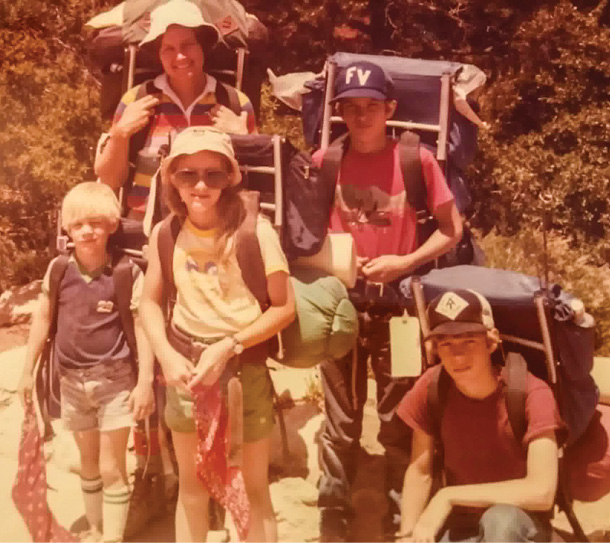
Karen could manage her leave time to get six weeks off for the trip, but Van couldn’t do so given his job’s demands. He’d planned to fly out for the latter portion of the trip, but then he qualified for the Classic and had to save the remaining time to pre-practice.
Trying to corral four children away from home had its challenges, and Karen addressed them by trusting that Steve and Travis — then 13 and 11 — could take care of themselves.
“The universal joint went out in the Suburban,” Steve recalls. “So she let us out in Yellowstone with one rod apiece and a little tackle-
box to fix it. We were there fishing from the morning until almost dark.”
Some people might be aghast at that, but for Steve it provided a freedom that he thought was essential.
“We lived outside in those days,” he says. “That’s not the norm now. If my kids hadn’t been able to travel with us, I wouldn’t have done it.”
Originally appeared in Bassmaster Magazine 2026.