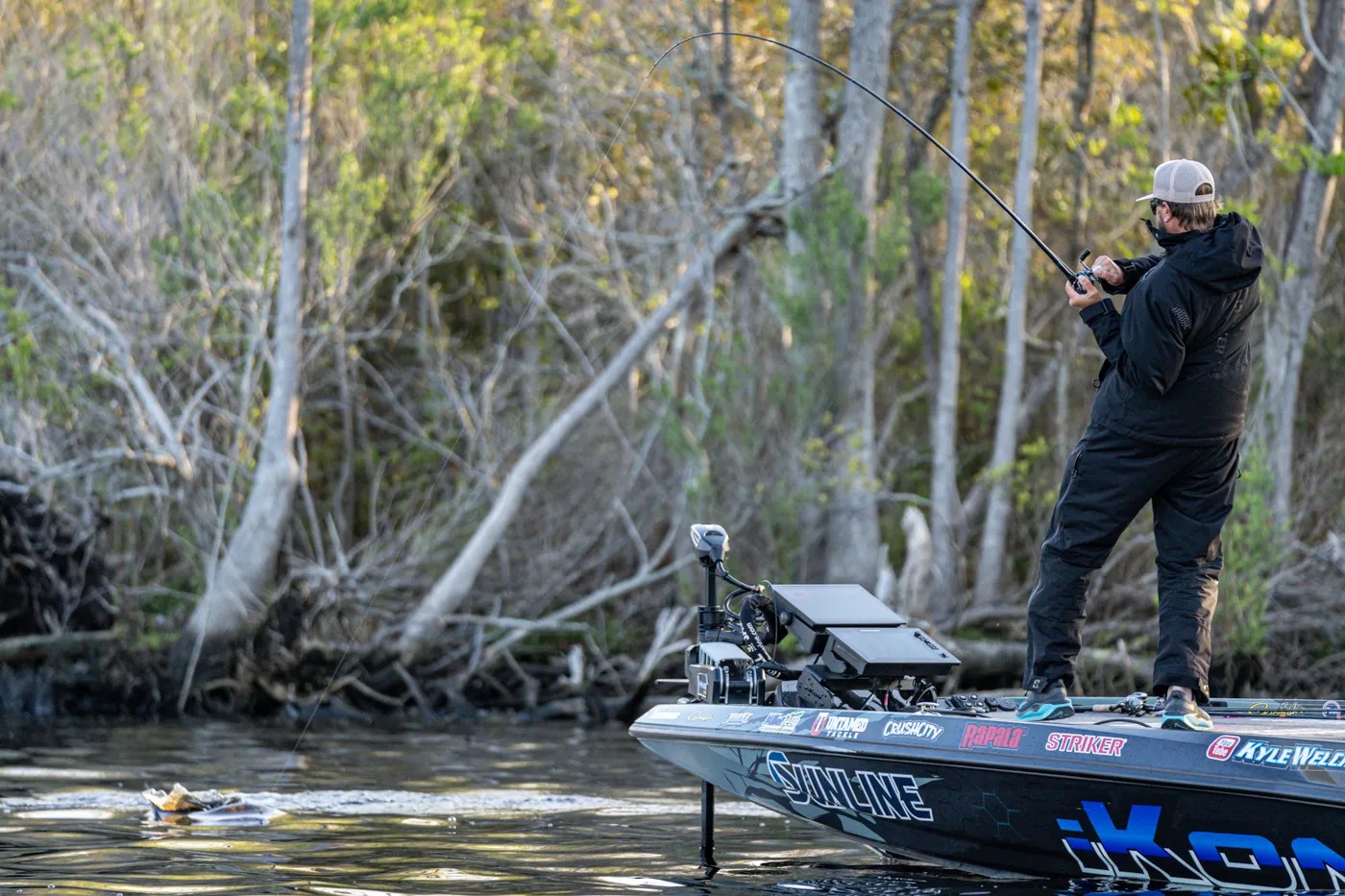
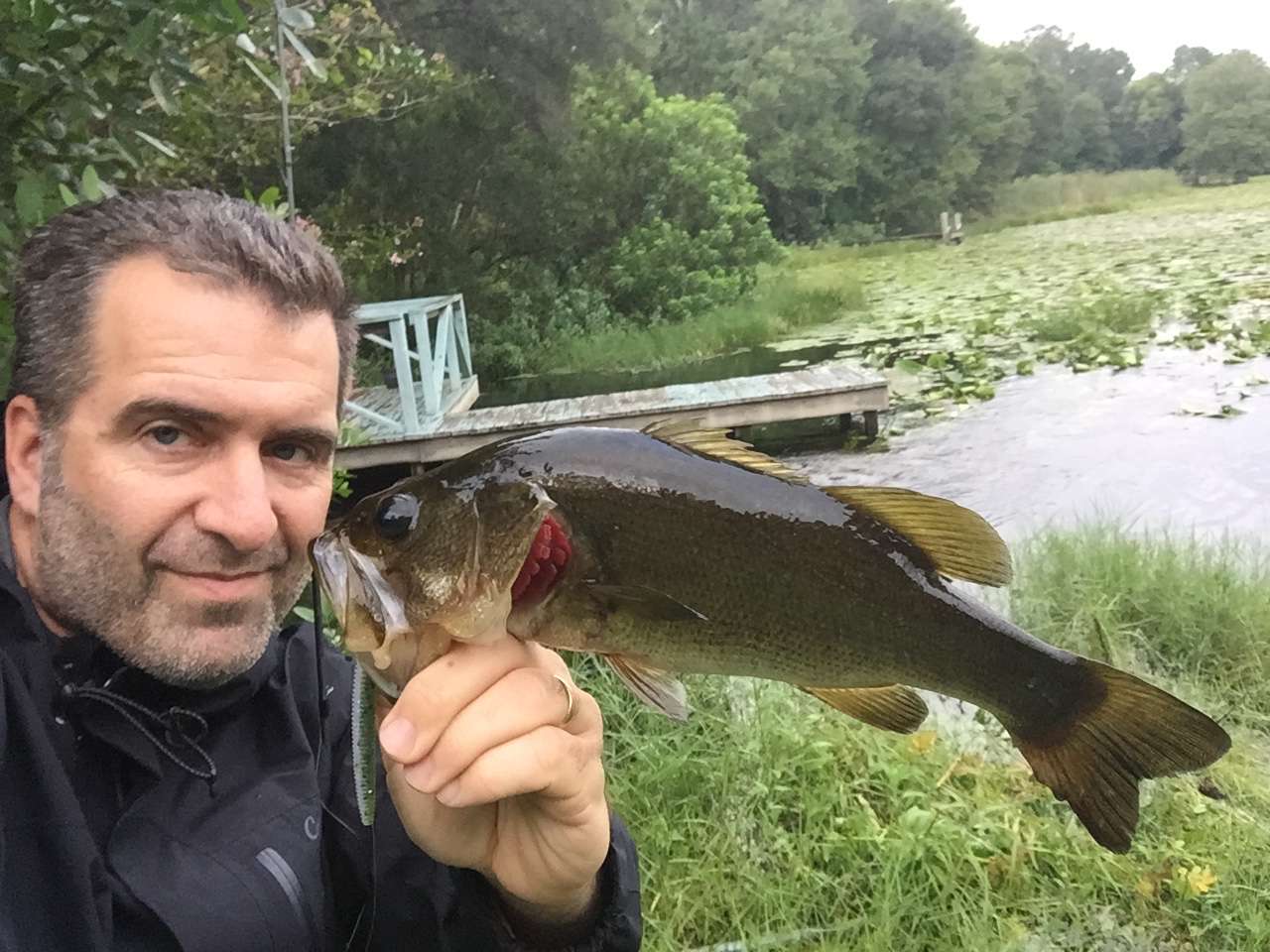
Party pooper, killjoy, Debbie Downer — late season cold fronts deserve such disdainful monikers because they’ll put the kibosh on the prespawn action. Bummer, for sure, but chin up; the chilly weather, the bright skies, flat wind and high pressure won’t last long.
Moreover, the fish want to go and once the front’s impact starts to dissipate, it’ll look like the doors opening on Black Friday. Substitute seasonal spawning instinct for that shameless dash to the cheap TVs and you’ll get the picture.
When returning warmth restarts the reproductive march, life is good, but don’t blow off those prespawn interruptions. Make the necessary adjustments and understand that this temporary pause in forward momentum is not devoid of opportunity.
Gauging the impacts
For Kyle Welcher, a cold front often brings a pacing impact; perhaps nature’s version of crowd management.
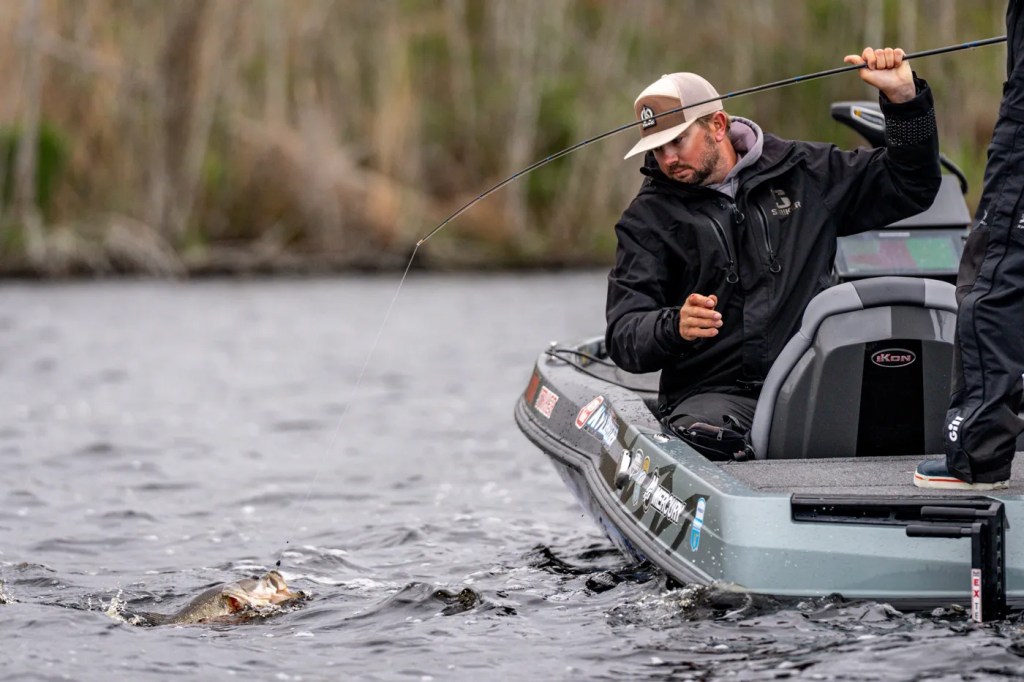
“A lot of times, I feel the prespawn fish will just hold where they are, but I wouldn’t expect a bunch more to pull up,” said Kyle Welcher. “There will be some up there making their seasonal progression, but I wouldn’t expect a big wave to pull up with them.”
Greg Hackney’s seen plenty of impending cold fronts put the brakes on prespawners, but he’s quick to note the key metric — duration.
“It kinda depends on how severe the front is and how long it lasts,” Hackney said. “
The length of the cold front typically gets shorter as the year progresses.
“You get one in January and it can last for a week or 10 days. You get one right before the spawn and typically, they only last a couple of days and it warms back up.”
Taking this into consideration, Hackney can usually make a pretty accurate estimation of how much, if any, those interrupted prespawners will relocate.
“If I look at the weather forecast and, in two days, the wind will be back out of the south again and it will start warming back up, I don’t expect them to move very far,” Hackney said. “They’ll just hang up on something good right there close. But if it’s one of those storms that’s gonna last three, four, five days, then that has a tendency to knock that out.”
Know the playing field
To Hackney’s point, take note of the main cover closest to the prespawn area, because that sheltering spot will likely receive many of the prespawners that slide back with the front’s arrival. Bluebird days make for nice boat rides, but anglers generally dread them, as the fish do more hunkering and pouting than chasing and biting.
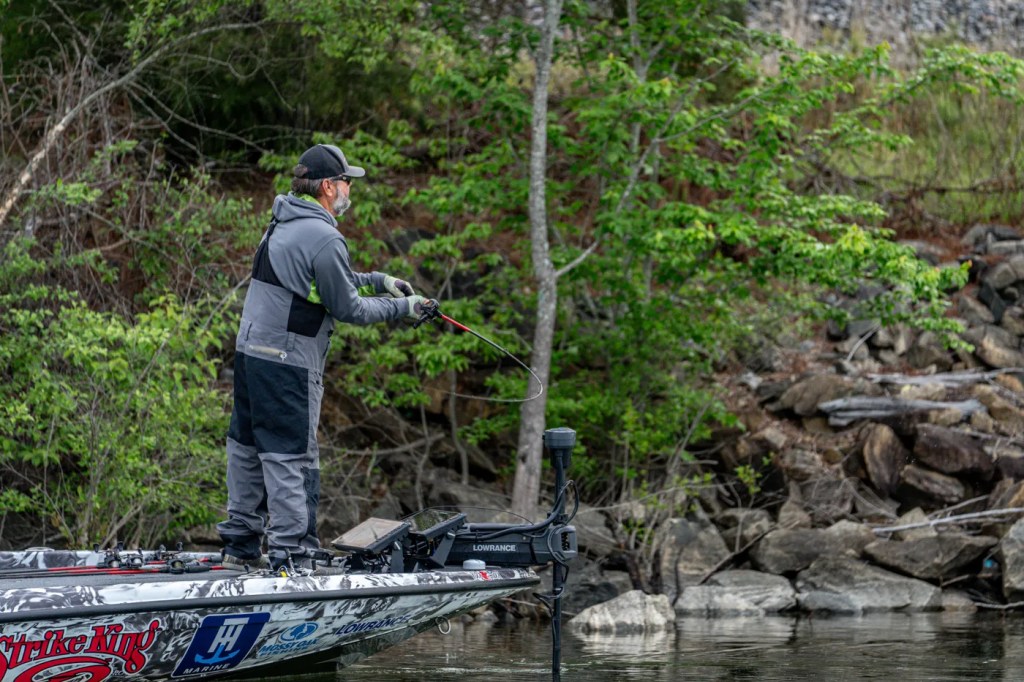
Lily pads, boat docks, or the nearest matted vegetation make likely post-frontal waiting rooms. In some cases, Hackney finds eager prespawners simply sliding out a little deeper.
“Typically, the biggest thing is the drain,” he said. “When I’m looking for stuff up shallow early in the year, I’m looking for stuff close to a drain, or a ditch, or depression. If they’ve been up there shallow and you get a cold front, they just pull to that first little depth change.
“They may have been up there in 2 feet of water, but they pulled to where it falls from 2 to 5, or 3 to 6. Fish on (day length) more than anything, but when the time comes, even if it’s still cold, I start looking for that (prespawn habitat), but I’m looking for that drain or depression that’s close to where they’ll eventually end up.”
Hackney’s ideal prespawn fallback scenario: a drain with hard bottom — rock or shell, or grass.
“They kinda just move back and forth on that stuff,” Hackney said. “Once they make that move up there (for the prespawn), they’ll move shallow and come back and sit on that secondary stuff after a cold front.”
Baits and tactics
Bait selection doesn’t dramatically change for Welcher, but his presentations become more focused. Once he identifies a likely prespawn area, he’ll pepper the high percentage places and keep his casts tightly focused.
“Their strike zone shrinks after a cold front,” Welcher said. “Whereas in warm conditions, you may run that vibrating jig within 3 feet of them and they get it, but on a cold front day, you may need to get it within 6 inches of them.”
Hackney’s a big fan of the Strike King Red Eyed Shad for active prespawners in stable conditions, as well as those fleeing post-frontal conditions. While a 1/2-ounce typically serves him in warmer times, he likes the 1/4-ounce for those post-frontal prespawn days.
“There’s something about that tight action with that rattle just triggers those fish that time of year,” Hackney said. “Right out of the gate, I’ll throw the standard Red Eyed Shad to see how they’ll react and if I need to, I’ll go to the Red Eyed Shad Tungsten 2 Tap, which has one tungsten bead.
“That lipless bait is such a good cold water bait if you can get it to them. The only reason I wouldn’t throw it is if they get so deep I can’t hit ‘em with it.”
Taking a different approach, Brandon Lester typically abandons his moving baits in favor of a 1/2 ounce jig with a chunk trailer. A busy post-front day would be half a dozen jig bites, but they’d almost certainly be the ones he wants.
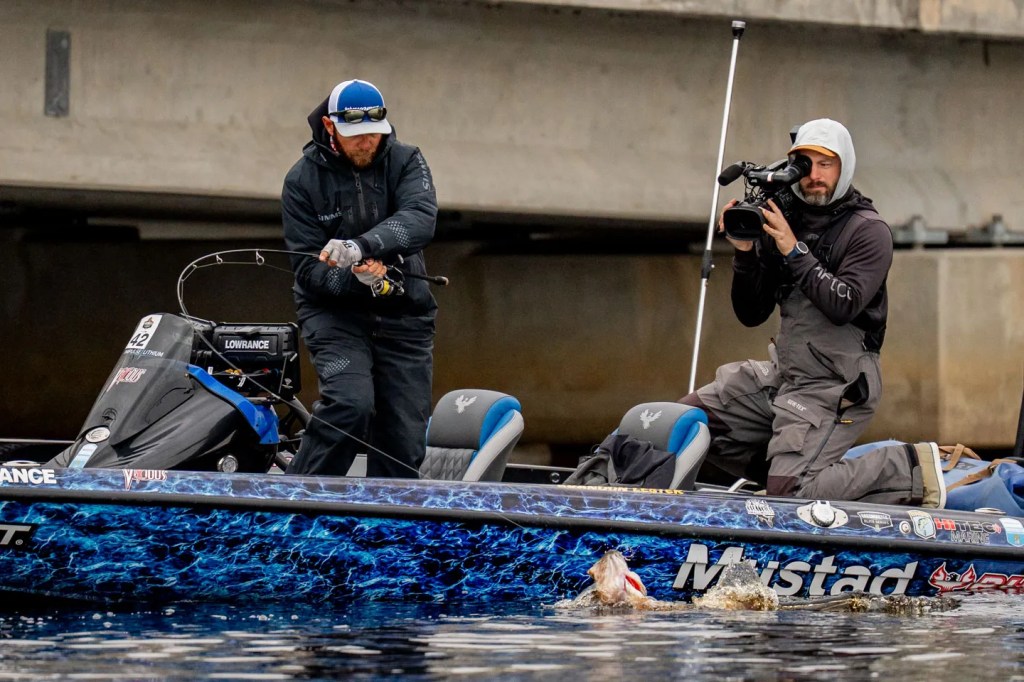
“You’re probably not gonna get many bites, but with a jig, you’re using a big rod, big line bait so if you get a bite and it’s a good one, you can usually put him in the boat.”
Depth determinations
As Lee Livesay points out, cold fronts impact the advanced prespawners in 15 feet or less much more than the ones still floating over deeper water. While a sharp cold front often sends early prespawners dashing back to main lake security, Livesay said he doesn’t believe the ones that have made a significant migration will backtrack several miles.
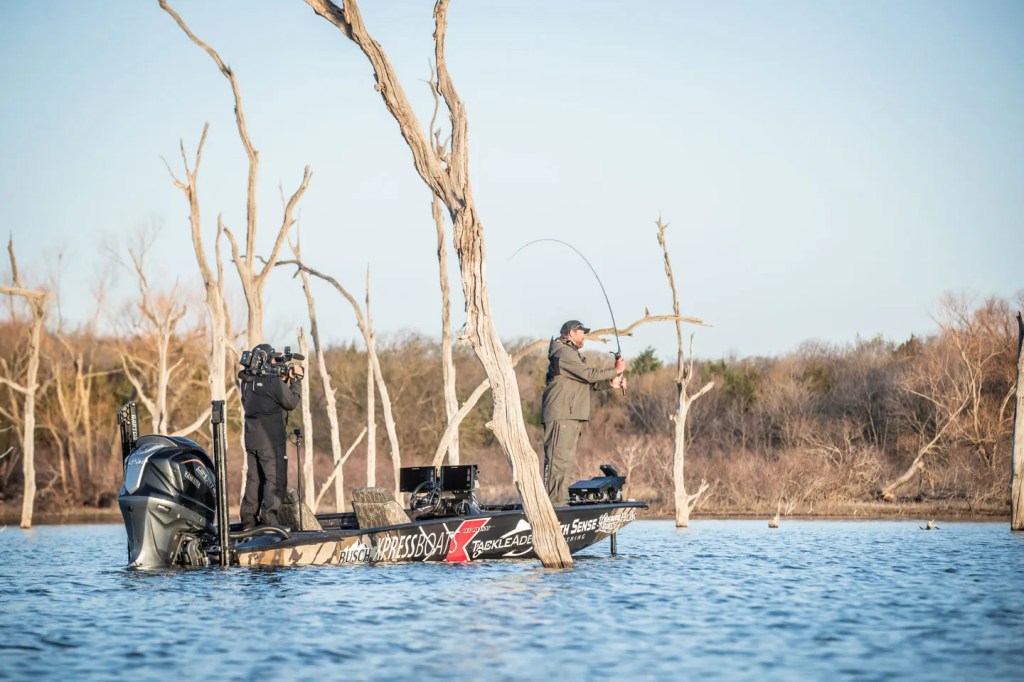
“Those fish don’t swim all the way back to the main lake, they just shut down,” he said.
Prudent bait adjustments often deliver the bites, but so does timing.
“Don’t be afraid to come back at the end of the day,” Livesay said. “Even if it just warms up a little bit, a lot of times, you can come back late in the day and get a couple of those fish once that water warms up even just a few degrees.
“I’ll still throw my reaction baits after a cold front, because that’s when those fish don’t want to bite. You can flip a jig right on top of their face and they’ll ignore it. But sometimes you can rip a lipless bait or a Chatterbait by them and make them react.”
Don’t bail too soon
Welcher closes with a word of encouragement. He knows the grinder days tend to spur relocation, but waiting out the fish you know are there may be the best call.
“Just because it gets tough does not mean the fish left and the spot’s no good. They’re feeding up for the spawn, so there will be a window when they have to eat.
“Sometimes when there’s a cold front, you just have to wait for it to open up and it can be really good.”