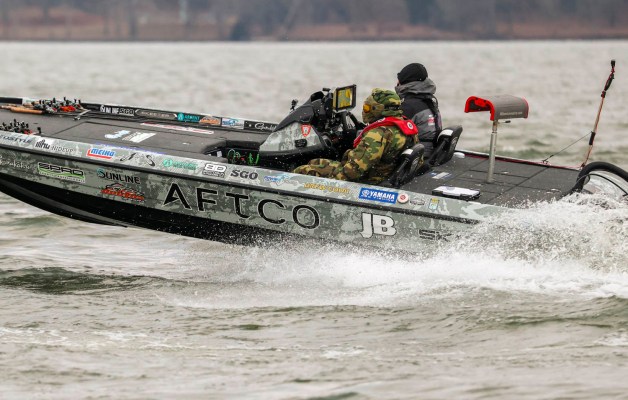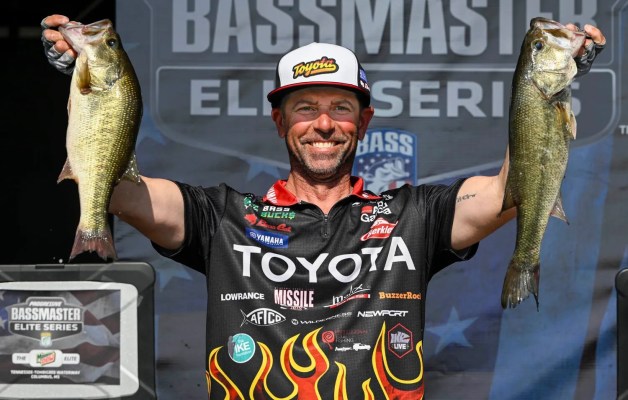
Scottsboro, Ala. — The Arctic blast that shut down the Southeast and dominated the news over the past week may not be typical for Alabama, but you won’t be able to tell that anything’s off by looking at the final standings of the season-opening 2026 FXR Bassmaster Elite at Lake Guntersville.
As 101 pros filed through boat check and registration this morning, they were unanimous on several basic truths: Expect overstuffed bags and big weights at the scales this week; and unlike some venues, where adverse conditions limit where and how to fish, there will be more than one way and one part of the lake in which to catch a fish.
“It’s Guntersville,” Brandon Lester said. “You always have options here.”
Of course, options in some cases lead to trying to do too much with a limited number of hours. Guntersville boasts approximately 70,000 acres of water, and unlike earlier in the week, it’sentirely thawed by now.
“It really doesn’t matter whether you go left or right or just put your trolling motor down at the ramp,” said Steve Kennedy. “If you fish well, and execute – that’s the key word, execute – you have a chance to do well here.”
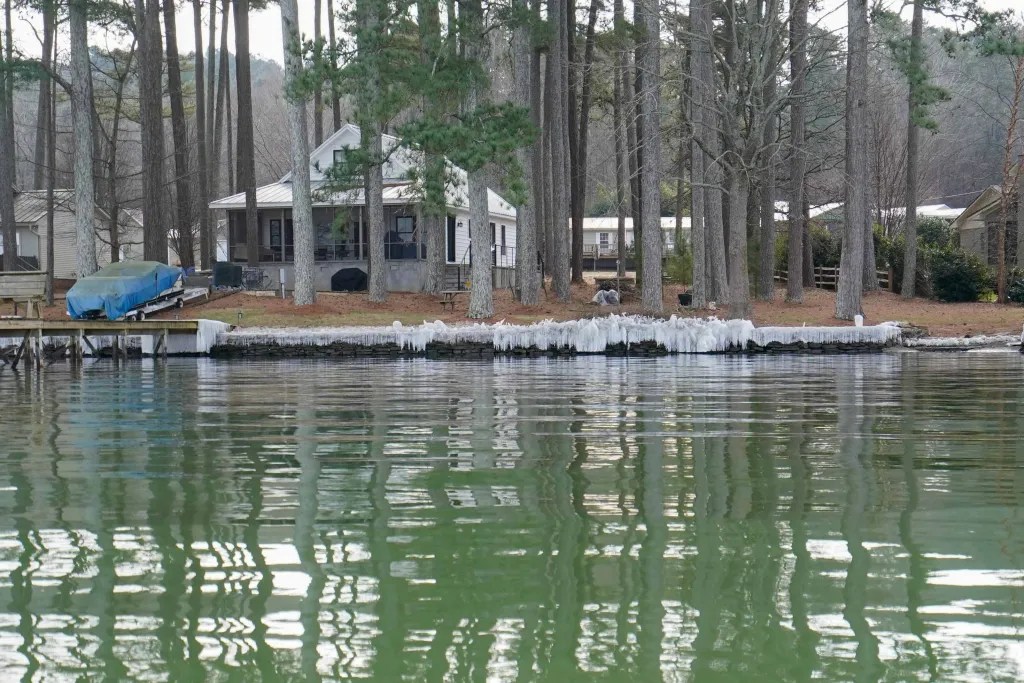
Earlier this week, the field flooded their social media feeds with iced-over coves and other scenes more typical of Minnesota and Wisconsin. The remaining open water dipped into the lower 30s. Lester said when he pulled out of the water on the final day of practice, the warmest temperature he’d seen was 42. The air promises to dip down into the 20 both tonight and tomorrow night, so any hopes of a short-term warming trend are minimal. As the tournament progresses, however, there should be a warming trend, which can only help things, but help may not be needed.
“Sunday was the coldest water I’ve ever caught a bass in,“ said Bill Lowen, another Elite veteran and a son of the oft-freezing Midwest. “It was 36.5 degrees. They’ll still bite in that, but another five to eight degrees and they will really push shallow.”
One other factor favoring a skinny water focus is that forward-facing sonar will be prohibited in this tournament for the first time in Elite Series history as part of the 2026 split schedule. That doesn’t necessarily eliminate an offshore or open-water bite, but it means less of the field will focus on those zones which otherwise might’ve dominated the Top 10 in the standings. It shouldn’t matter. The Guntersville bass want to be shallow, hunkered down in the lake’s thick grasses, in or near the spawning territory they’ll eventually utilize.
Kennedy said the bottom line is that “when it gets cold, apparently they eat.” He caught a fish on the final day of practice in skinny water he believes would’ve been completely frozen two days earlier. If that fish wasn’t there all along, it arrived as quickly as it could once offered a chance to do so.
The likely elimination of many offshore zones does mean that the grass will become a heavy focus, along with the causeways and riprap that have been responsible for many of the Big G’s signature wins. Boat numbers will matter, but which is better – staking a claim to a key casting line or stretch first thing in the morning, or being there when the area heats up two or three degrees in the afternoon sun?
While there are ample fish in the vegetation, not every stalk of hydrilla or eel grass has a bass on it, and not every area has a proportional share of Guntersville giants.
“There’s so much grass,” said Texas rookie Pake South. “Just a ton of fishable water. But one of the keys will be to take a big area, and find the sweet spot, that one cast that produces.”
So don’t expect substantial portions of the field to be jammed into condensed zones, as they might be under similar conditions at Lake Okeechobee under similarly unseasonable weather. Two or more anglers may end up rubrail-to-rubrail, both of them catching bass on every cast or thereabout. There are few daily weights at which point it makes sense to lay off and let an area rest.
“Guntersville is full of 3- to 6-pounders,” Lowen said. “They get a lot of pressure, but they’ll still bite. For me it’ll all come down to whether I get lucky and catch a couple of big ones.”