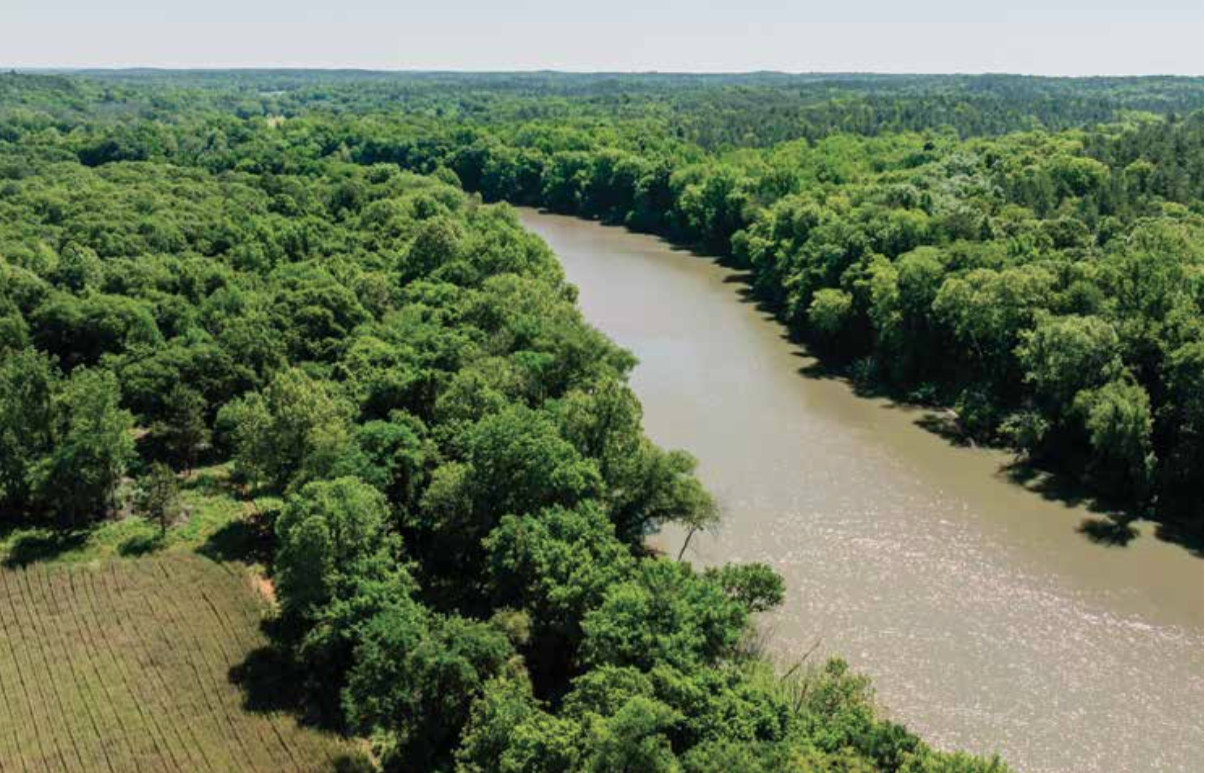
By Terry Madewell
Native species are vital to any healthy fishery ecosystem. This native harmony results from a diversity of fish species adapting over time to natural conditions and thriving in balance.
This harmony is delicate. Non-native species can destroy this natural balance by outcompeting native fish like largemouth bass and completely altering local ecosystems.
Recent studies on Lake Wylie documented how quickly this occurs: non-native Alabama bass were illegally introduced and became the dominant black bass species within a decade. Spoiler alert: The native species is losing, not just at Lake Wylie, but at every lake in South Carolina where Alabama bass have been documented.
The hard truth of this black bass battle is that being overrun is not the worst-case scenario. Hybridization of bass species can genetically dilute and potentially eliminate native black bass. Alabama bass are currently threatening the survival of two other black bass species in South Carolina.
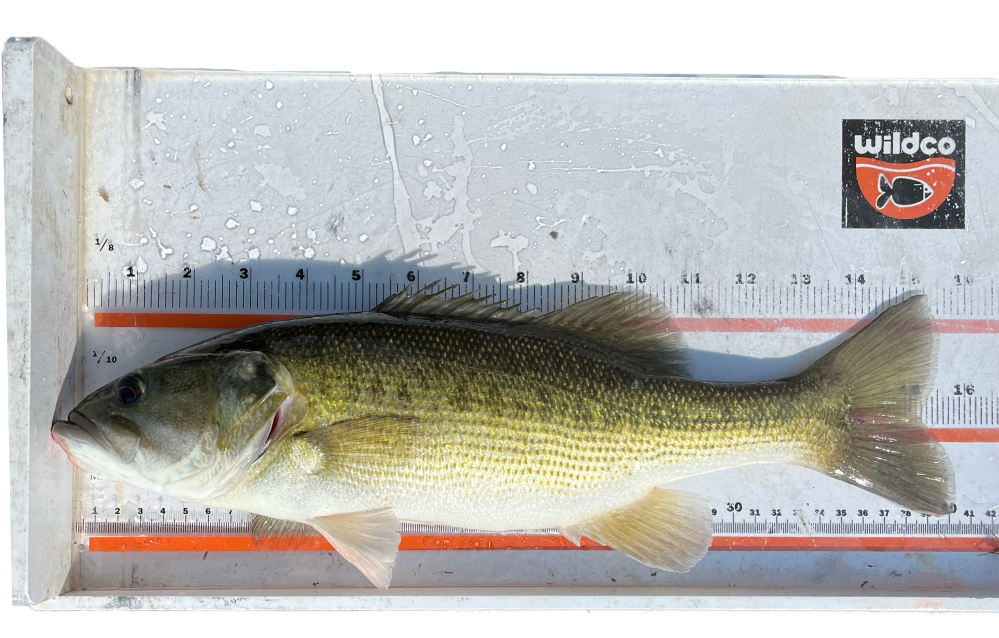
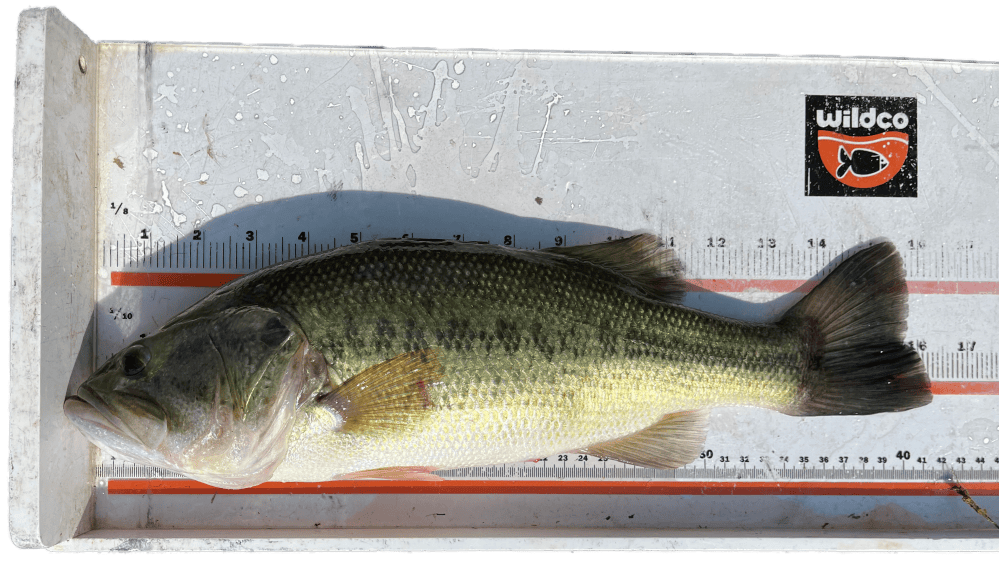
Preston Chrisman is the Fisheries Coordinator for Region Two of the South Carolina Department of Natural Resources (SCDNR) and Chair of the SCDNR Black Bass Working Group, a group of biologists across the state preparing and implementing action plans to combat this invasive species.
“The finality of how this problem plays out is unknown, because this invasive expansion is literally flowing into other systems,” Chrisman said. “For anglers, the scary news is that if this black bass battle hasn’t yet reached your favorite river or lake, it will. It’s not a matter of if you will have to contend with Alabama bass, it’s when.”
South Carolina’s first system to feel the bite of Alabama bass was the Savannah River lakes.
“Individuals brought these invasives to this system in the 1980s, we believe,” Chrisman said. “At that point, we had not begun the annual sampling and monitoring programs we now employ statewide. But native black bass species were overrun, and they didn’t recover. The hope is that native largemouth maintain a significant foothold.”
Alabama bass hybridization with native species poses an even greater long-term threat because hybridization occurs quickly, thereby eliminating pure strains of some species. Chrisman said the Savannah River was home to the native Bartram’s bass, a specific species of black bass. It was the only place on Earth where they existed, and this species provided excellent fishing before these invaders arrived.
“The hybridization traits of Alabama bass are so powerful that they’ll genetically alter entire ecosystems within a few years,” Chrisman said. “Their spawning characteristics are suited to hybridize with specific species, with Bartram’s and smallmouth two primary species of concern in South Carolina.
“The offspring of these hybrids are fertile and readily reproduce with other native fish, hybrids or invasives,” he said. “The impact is so significant it’s referred to as ‘swamping,’ and a pure genetic strain of native Bartram’s bass now exists in only a few remote areas.”
Specifically, these areas occur far upstream in tributaries, and the pure strain is frequently found only above major physical barriers, such as mill dams or significant waterfalls.
“The problem is it only takes one angler to catch a hybridized Bartram’s, or Alabama bass, and place it into the next level upstream,” he said. “To hybridize, either the male or the female of the species can breed with the pure strain to produce a hybrid, and all those offspring are fertile hybrids. When that occurs, the countdown is underway, and the native Bartram’s bass will lose their genetic purity in that stream.”
The pristine waters of Lake Jocassee were long considered a world-class destination for genetically pure, trophy smallmouth bass. Chrisman said this lake offers prime habitat for Alabama bass, and they swarmed the lake. Hybridization with Alabama bass also rapidly lowered the genetic profile of the smallmouth to well below pure levels.
“We stock pure, hatchery-raised smallmouth at Jocassee,” he said. “The potential still exists to catch a true trophy smallmouth. Unfortunately, after the pure strain of stocked fish spawns the first time, it’s possible the offspring won’t be a pure strain anymore because of hybridization with Alabama bass.”
Chrisman said a recurring issue across the Southeast with invasive bass is that anglers catch what appears to be a trophy, or even a record, bass. But these fish are often not pure strains; therefore, they’re not records, nor true trophies.
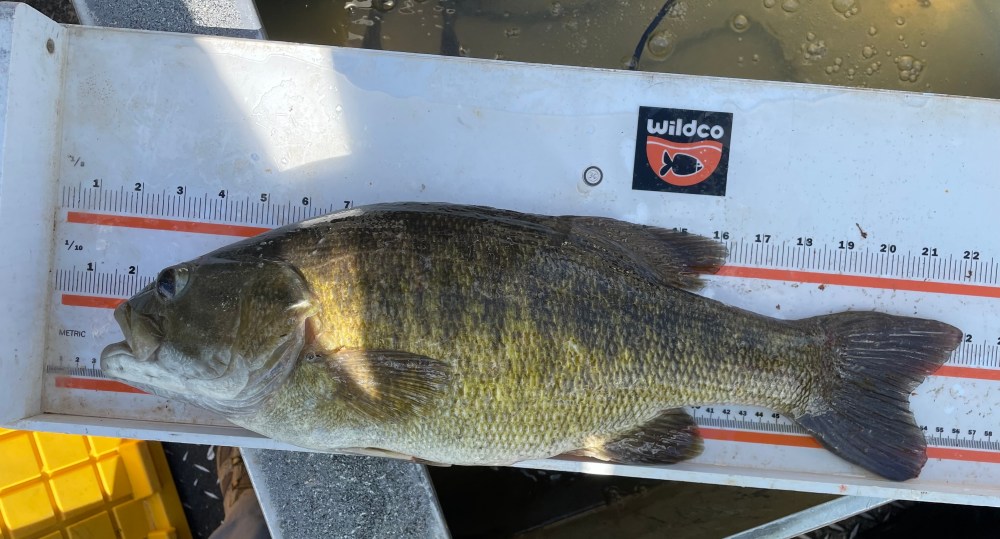
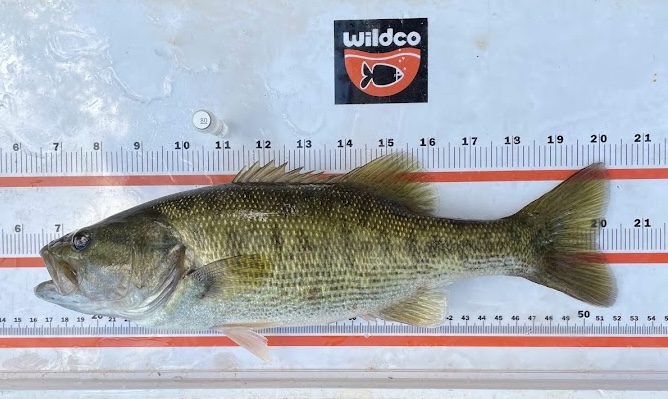
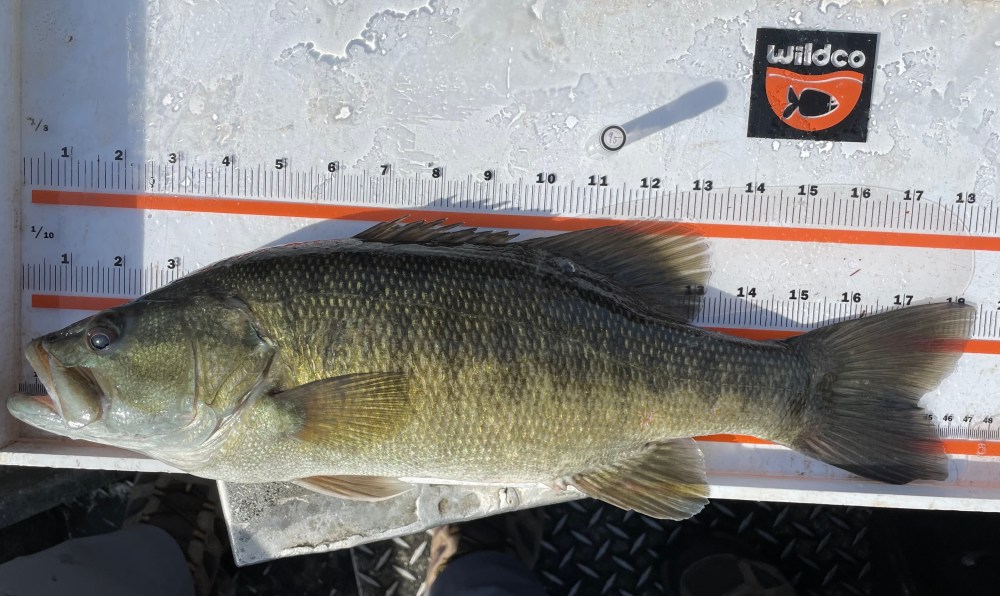
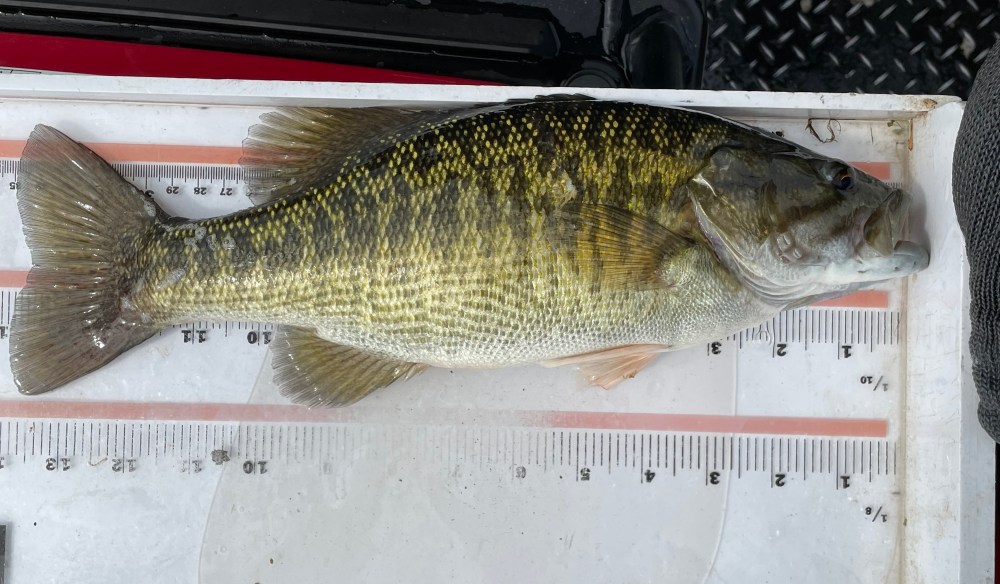
Identification of a pure smallmouth is not a ‘gimme’ either. Chrisman’s Region Two area includes Lake Monticello, where anglers have long enjoyed a compatible smallmouth and largemouth fishery.
“We first captured Alabama bass in Lake Monticello in 2020, which was worrisome because we’d been capturing smallmouth bass from that lake to use to raise pure smallmouth fingerlings in our hatchery,” Chrisman said. “Before 2020, both largemouth and smallmouth bass grew to excellent sizes in good quantity at Lake Monticello. It was a terrific fishery for both species.”
In 2024, biologists were capturing pure smallmouths for hatchery use and were catching many visually obvious smallmouth-Alabama bass hybrids. They immediately returned any that showed hybrid characteristics, and were confident the 109 they sent to the genetics lab would test genetically pure.
Chrisman was “jarred” by the genetic findings.
“I have no words to describe my shock when the genetic testing proved forty of the fish we sent to the hatchery were not genetically pure smallmouth,” he said, “Their hybrid percentage was too significant to use for brood stock, and we had to destroy those forty fish.”
Chrisman said in a separate electrofishing event, also in 2024, out of 106 nonlargemouth captured, only fifteen pure (“pure” means greater than 90 percent genetic makeup) smallmouth bass were caught, indicating that only 14 percent were true smallmouth; the rest were hybrids.
The genetic issues that Alabama bass are creating by crossbreeding with smallmouth bass are shared by anglers, too. Andy Wicker, a veteran tournament fisherman who grew up in Pomaria near Lake Monticello, enjoys targeting smallmouth.
“The loss of our pure smallmouth bass troubles me,” he said. “It hits home at Monticello, and the more I think about the elimination of pure smallmouth bass through Alabama bass hybridization, I see these invasives as a cancer in our bass fisheries.”
A synopsis of other areas statewide indicates that the invasive species’ steady march toward the Atlantic Ocean — likely their stopping point — continues.
Alabama bass are thriving in Lake Greenwood, and Wicker said it’s impacting the Lake Greenwood tournament weigh-ins.
“Before the Alabama bass, even during summer night tournaments, it’d take twenty-five-pounds-plus total weight to win, but now it’s considerably less,” Wicker said. “The Alabama bass we caught when the population was exploding have decreased in average size, with average weights now in the one-and-a-half to two-pound class.”
Wicker said Alabama bass are being caught in the Saluda River below the Greenwood Dam, a direct link to Lake Murray. Lake Murray is not yet affected, he said, but most tournament anglers are concerned because it currently offers incredible largemouth fishing.
Chrisman said Alabama bass are documented in the Broad River, which joins with the Saluda to form the Congaree River.
“The Congaree merges with the Wateree, flowing below Wateree Dam, forming the Santee River; headwaters of the Santee Cooper lakes.”
The long-term destructive potential of this invasive horde has now taken hold in most major basins in our state. Alabama bass, like water and waste, flow quickly downstream, leaving long-term ecological issues in its wake.
The Alabama bass will likely reach the Santee Cooper system, putting this world-class black bass fishery in jeopardy. The impact from an original upstream illegal placement of this invasive species, released hundreds of miles away and decades ago, has amplified into a historical decline of native black bass fisheries throughout the state.
Chrisman offers hope for Santee Cooper because the cypress-studded flats, the shallow water stronghold of the largemouth bass, are less than ideal for these invasives to monopolize.
The issue for all anglers in South Carolina is three-fold, and the first is the permanence of the invasive problem. The next two are questions: will major impacts occur on other species? Alabama bass are suspected of being a contributing issue in lower crappie populations in the Savannah River basin, Chrisman said. The third issue is perhaps the worst of the lot: What’s the long-term outlook for our lakes and rivers?
“We don’t know,” Chrisman said. “For fisheries managers, it’s a worst-case scenario because we’re not sure how adaptable these invasive bass will be. Unfortunately, we won’t know the total impact on any body of water until the Alabama bass reaches that fishery.”
Action is required now, and preventing this species’ expansion is the top priority.
“Individuals seeding them in lakes and rivers must stop,” he said. “It will be crucial to get the public involved, and not just bass anglers. There’s a real potential to lose other species that can’t compete for forage.”
He said regulatory motivation to allow anglers to keep more Alabama bass can help, albeit one at a time. Many anglers consider them excellent table fare.
“From a statewide perspective, I believe the Alabama bass are the most significant, long-term threat to black bass fishing our state has ever faced,” Chrisman said.
“They’re diluting our native black bass strains, and we don’t know if it ends with
bass issues or how it affects other species over time. In lakes where Smallmouth bass historically provided outstanding fisheries, they’re quickly being genetically degraded beyond recognition, and pure Bartram’s bass are now found only in isolated shelters.”
South Carolina’s black bass fisheries, a cherished legacy enjoyed and passed on to our youth, and the envy of anglers everywhere, are fading in relevance. If we can’t control the invasion of Alabama bass in our state, our collective memories of this natural resource may be all we’ll share with future generations.
Terry Madewell is a retired wildlife biologist and freelance writer who frequently fishes South Carolina’s lakes and rivers.
SCDNR Fisheries Biologist Preston Chrisman and his team are heading up groundbreaking black bass research and sharing findings with the public to demonstrate changing dynamics of South Carolina aquatic ecosystems. Visit https://www.dnr.sc.gov/news/2026/May/alabama-bass.php to learn more.