Since the end of the 2025 Progressive Bassmaster Elite Series season, I’ve thought a lot about the ups and downs of my first year on tour. We’ll have a new crop of rookies next month, and having just been through it, I believe I’m in a good position to offer them some advice.
They’ve been through a tough grind on the Nitro Bassmaster Elite Qualifiers presented by Bass Pro Shops, but those who’ve worked their way up the ladder know that the competition gets more difficult at each level — from high school to college to the Opens to the Elites.
This final jump may be the most difficult one of all. It’s the only tour I’ve ever fished where the weights seem to go up every day instead of down. That means you’ll have to learn to fish differently. The key is to recognize that the fish, and their locations, are likely to change every day, so you end up treating the tournaments themselves like practice. You have to learn to adapt in a hurry or you’ll get left behind.
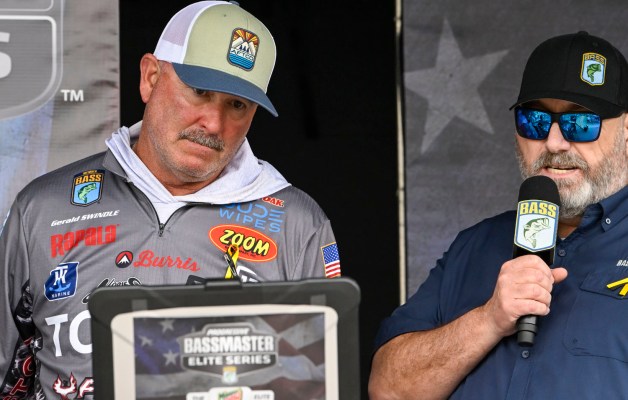
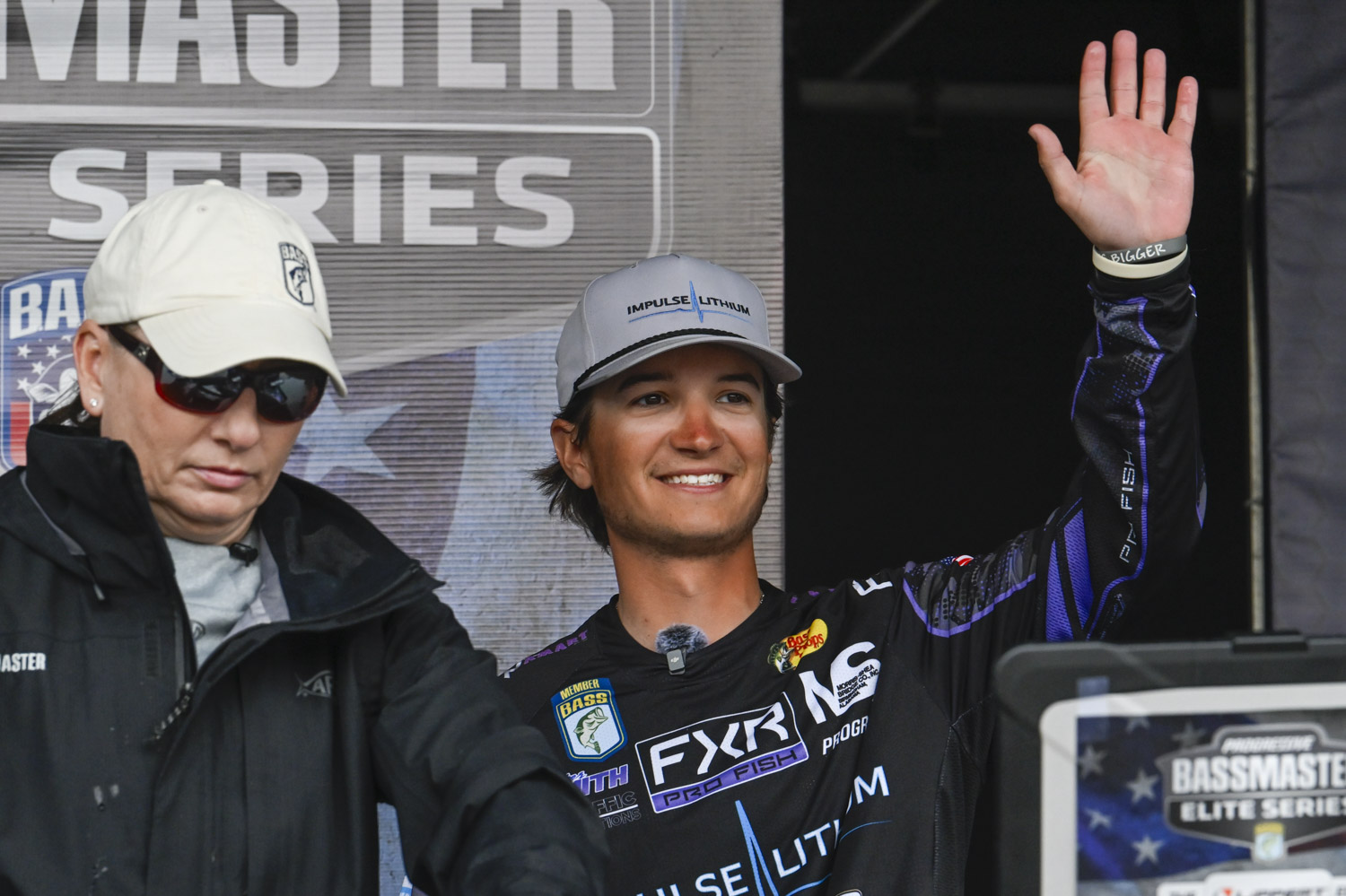
One of the biggest changes for me was getting up on the stage and talking to Dave Mercer. We’ve all watched him for years, but the first time I got up there and looked out at the massive crowd, I was so blown away that I shed a few tears. While I still had a lot to prove, just being there was a sign that I’d made it to the next level. Over time, it becomes more routine, but I hope that it never grows old.
So, now for the advice to the new guys. First and foremost, don’t get too up or too down. In the middle of the season, I came in second at Hartwell and then won at Fork. It seemed that I’d settled in, but the next two tournaments were two of my worst — 85th at the Sabine and 71st at Tenkiller. I could have gotten very down, but instead I took away some positives. At the Sabine, for example, I went to the absolute wrong area on the first day and only weighed one fish. The next day I adjusted, caught a limit and regained some valuable points. This is a circuit where everyone can catch them. Sometimes the biggest difference-maker is the ability to stay mentally on track when things are tough.
Second, make sure that you have a good support system in place. My family is everything to me, and my girlfriend and sponsors are also critical elements in my success. It’s nearly impossible to do it without a support network.
I also recommend that you have a good set of running buddies you can trust. I roomed with Paul Marks, Emil Wagner and Andrew Loberg last year. We split houses, and we had each other’s backs. Perhaps most importantly, we kept each other positive through the ups and the downs.
I guarantee you there will be some negativity out there. It’s a given in the world we live in, and it’s not surprising that there’s some resentment when newcomers arrive on tour and experience immediate success. Do everything you can to filter that heat out of your mind. It helps to just be nice to everyone, but that doesn’t mean you need to make everyone your friend. Do your own thing and avoid drama as much as possible.
Finally, prepare for the financial aspect of the sport, because while it is fun, it’s also a business. Set up an LLC. Get a financial advisor as well as an accountant who understands your business or who can learn about it. This is an expensive sport. If you have a tough year you may need to save your money to move forward, and if you’re fortunate enough to have a good year like I did, you need to have your write-offs lined up.
Ultimately, you only get one chance to be a rookie. My first year on the Elite Series was enjoyable and profitable because I received incredible support. I hope it becomes the building block of a long career doing what I love.