There is little doubt that high school and college fishing programs have drastically reshaped the landscape of professional fishing over the last decade. These days, young anglers can start fishing tournaments in a high school club, then be courted by colleges and universities with fishing scholarships, tuition discounts and fishing perks. From the fishing experience gained during college, they can go on to fish the Bassmaster Opens to try to qualify for the Bassmaster Elite Series.
I know that route. It’s the one I took to the Elites. First high school fishing, to Auburn University for college fishing, to the Bassmaster Opens, to the Elite Series.
These days, I get the same questions I was curious about when I was in high school and college.
- How did you become a pro angler?
- How do you approach sponsors?
- How do you get paid to go fishing?
If you find yourself asking these questions, I have some suggestions, especially as they relate to college fishing. That advice boils down to taking full advantage of the “college” side of college fishing, not just the “fishing” side.
If you are a member of a college fishing team these days, you are going to learn plenty about catching bass. By working together, college anglers are on the cutting edge of bass fishing tactics and techniques at all times. Your bass fishing IQ is going to be just fine. All I would advise is, do not neglect the academic side of the equation. At the end of the day, the communication and business skills learned in school are going to go the farthest in helping you secure long-term paying sponsors. And college campuses are a wealth of scholastic improvement.
Specifically, the primary academic skill set I’m talking about is communication – of all types. Speaking in public, in interviews, on camera, on social media, conversing on podcasts and one-on-one in the boardroom. Writing in the form of resumes, proposals and content. Video production – from filming to editing to posting – is a valuable communication tool. I even had classes in social media marketing and brand building, two absolutely critical skills in the modern age of professional fishing.
I already know the response to this advice: “But all I want to do is fish!”
I get it. I have been there. But I can’t stress enough how valuable it is to learn these professional skills now, while you are actually in school. It’s way easier now than later, and they will put you in front of the pack when pitching sponsors.
I’m speaking from experience. In high school, I was reserved – not exactly an outgoing guy. All I wanted to do was fish too. Talking to people I didn’t know was intimidating. The thought of speaking in public was my worst nightmare. But once I got to Auburn – a campus of 30,000 students – I soon learned college forces you to talk to strangers. You either start talking or you are invisible.
If you go to a party and stand in the corner like a wallflower, no one is going to notice you. It took me most of my freshman year to learn engaging with other people leads to a lot more free refreshments and phone numbers. From that point on, I learned to just send it in a room full of unknown people. Just walk up and start a conversation – about anything. The great thing about college is, who cares? You’re on a campus where you will never see 99% of the people again. If you try to talk to someone, stumble over your words, and make a fool of yourself, so what? That’s what the college experience is for: making mistakes.
Public speaking and working on group projects used to Terrify me – yes, with a capital T! But those college classes forced me out of my comfort zone and made me understand the critical role of communication.
So, what’s the big deal about communication in professional fishing? Well, it boils down to sales and building your personal brand. Here is the part no one wants to tell you: Being a professional angler also means being a salesperson. There has never been a professional angler so great at fishing that they didn’t have to also wear a sales hat to help move product for sponsors. Selling is part of the job. And selling starts with professional communication skills.
The next asset college can help you build quickly is developing a network. In business classes, we studied the core concepts of Your Network is your Net Worth by Porter Gale, which explained the crucial components of networking and building relationships. That’s pretty much what the whole sales side of the fishing industry is built upon: networks and relationships.
Members of your fishing team are obviously a great place to start with forming relationships. But it’s also important to build networks with other people who are pursuing other careers. Get out and meet as many people as possible.
Some classes required us to go to career fairs, pick three companies to visit, and write a report about them. Initially, I was not a fan of these assignments. Talking to job recruiters was awkward. But after going to a few, I actually relished career fair reports. I wanted to get out and meet recruiters and talk with them about various job possibilities. In a way, it’s practicing for pitching sponsors.
Yes, college involves classes, projects, reports, final exams and term papers. It’s supposed to be challenging; that’s the best way to learn. The other side benefits include improving discipline, following through on obligations, delivering on deadlines, increased agency and becoming more proactive.
To prove these academic assets had real-world value, I put them to work immediately, starting with the Auburn fishing team. Since college fishing at Auburn is considered a “club activity,” it must raise its own money to travel and fish. Also, class excusal for tournaments is not recognized by professors. It’s a double hurdle compared to some schools that have more travel funding and are released from class for tournaments. So, my goal was to upgrade the team structure to a team business, instead of a club.
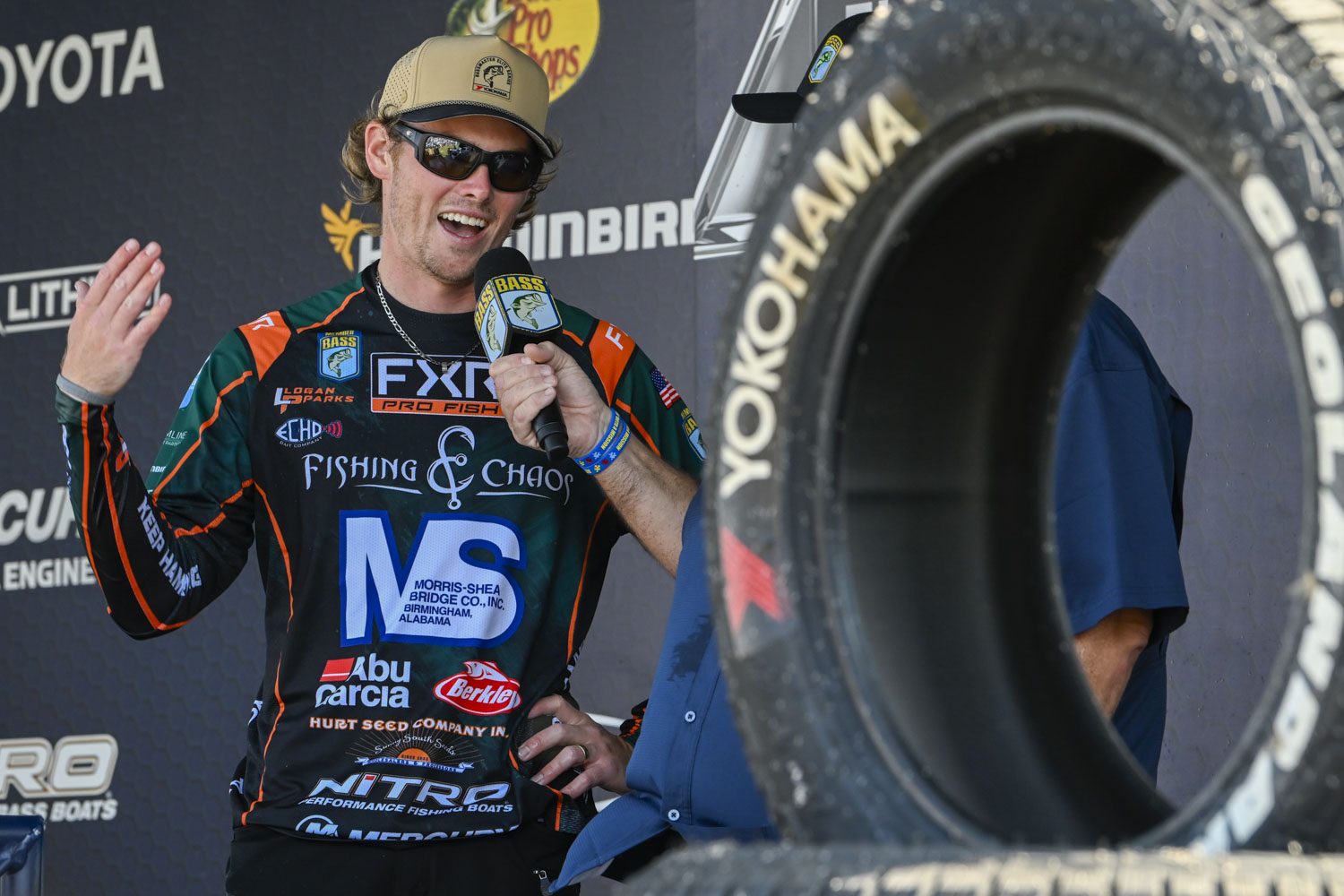
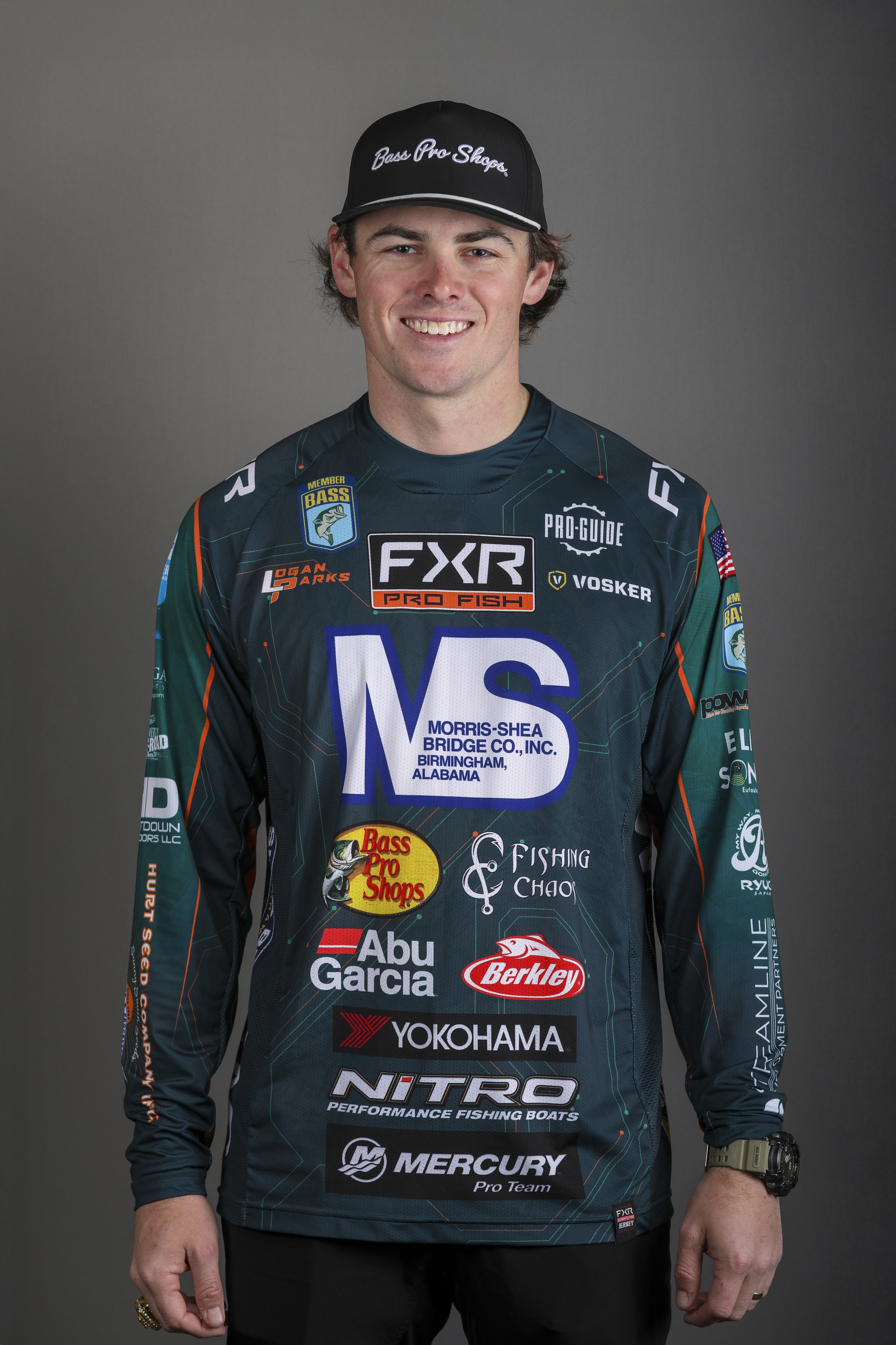
I helped the fishing team plan a trip to ICAST in an effort to find industry funding. Auburn had never been to ICAST before, and it turned out to be an incredible experience. The minute my feet hit the floor, I went to work using the very skills I learned in classes. I went booth to booth, sticking my hand out and starting a conversation. That’s where I started my relationships with companies like Fishing Chaos and Abu Garcia; I still work with them to this day.
Whenever the team traveled to tournaments, I spoke with my instructors personally about missing class and the possibility of taking exams early or making up classes later.
When I became the team president, I worked to make hotel stipends and gas reimbursements available for anglers traveling to tournaments. I learned to negotiate deals with fishing companies that paid the team’s fishing bills in return for product promotion from the whole team.
Shortly after graduating from Auburn with a double major in Management Information Systems and Supply Chain Management, Tucker Smith and I won the Bass Pro Shops U.S. Open for $1 million. People think I used that money to fund my fishing career. The truth is, I already had sponsors in place to fully support me in the Opens long before we won that tournament.
How?
I had taken full advantage of the college side of college fishing to acquire professional business skills and build a strong business network. I am sure if you are in college today, those same assets are available to you. Please lean into those opportunities now while you can. When you see your investment in learning academic skills pay off three or four years from now in the form of sponsorship opportunities, you will already be far ahead in the business side of fishing.