
Growing up in Florida, the largemouth bass has always been my favorite species of fish to catch. Everything about a bass is awesome. The way they hide in cover and ambush bream and shiners. The way they get defensive during the spawn and run egg stealers off their beds. The way they react to a lure and crush it, just to make it go away. You’ve got to love a fish with a bad attitude.
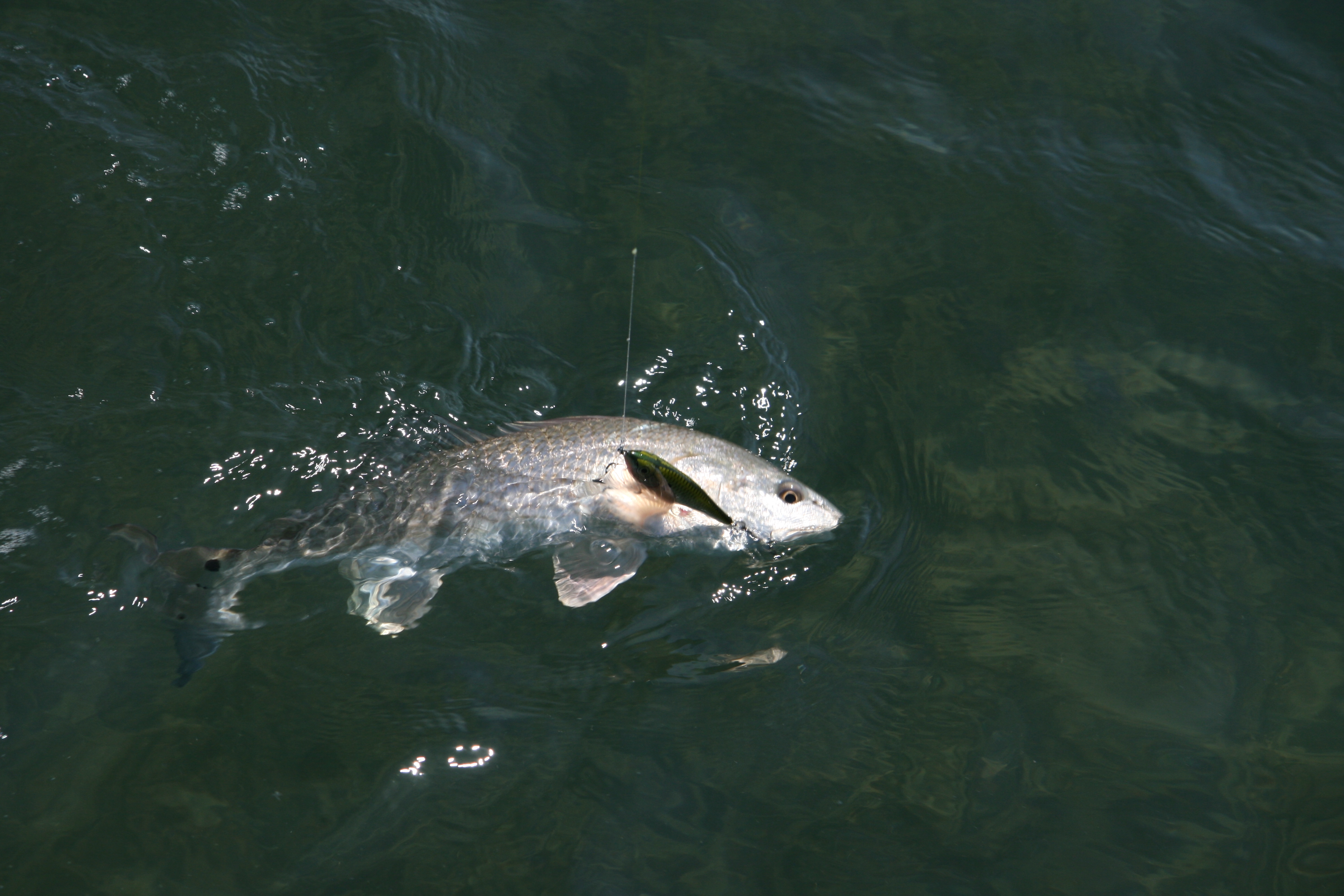
For years, people have said, “Man, if you like sight fishing for bass, you would love redfishing.” And since redfish thrive on both coasts of Florida, I wanted to tangle with a few to see what they’re about.
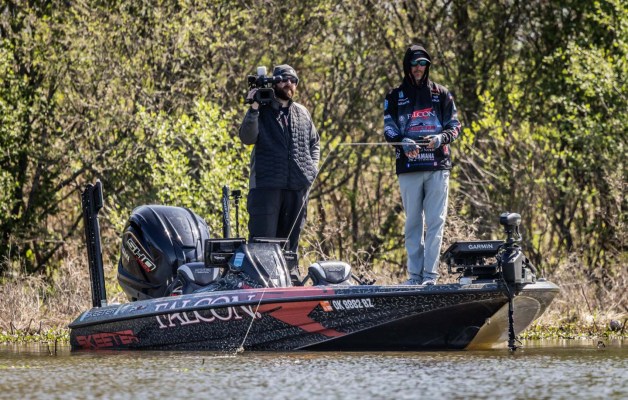
A couple of years ago, Keith Carson and I decided to get a Vexus ACX 2210 rigged out for saltwater and try some of the redfish circuits around Florida. During that time, we fished tournaments from Louisiana to the Florida Big Bend to Southwest Florida and up to Jacksonville.
I’ll be the first to admit that redfishing for a few years has not exactly made me a redfish expert. But I have noticed some clear differences between the two popular gamefish that stand out to me. If you have trained your brain on bass fishing and are thinking about going coastal for reds, here are a few things that might help.
The first thing I noticed is that bass like a home, but reds were born to roam. Bass stay put in a specific area for longer periods of time, especially in the spring. As for redfish, well, they are always on the move; they are definitely pure roamers by nature. They are like a flock of migrating birds, especially in Florida. If I had to compare a redfish to any freshwater fish, I’d say they are more like smallmouth in the Great Lakes, where they roam long distances in search of bait, which is also on the move.
Largemouth bass seem to have a larger home range. On most lakes I fish, I know a creek, cove or bank where I can always go catch a fish or two. Redfish are here today, gone tomorrow. You are either knee-deep in redfish or standing in a redfish desert; there is no in between.
Also, bass seem to be more solitary. They do school, especially in summer and fall, but there are plenty of bass that are loners. Redfish seem to be much more communal in terms of always being together. I don’t think I have ever caught a single redfish and then not caught more in the immediate area.
Each species’ relationship to cover is different too. Bass tend to prefer some kind of cover, and they even get very tight to cover. I have never caught a redfish off a piece of isolated cover like a laydown, or a clump of reeds, or skipping up under a dock. We’ve caught them off oyster bars, but the bars were more like temporary feeding tables, not necessarily a homing station.
In my opinion, a snook is much closer in character to a bass. I haven’t targeted snook specifically, but we have certainly caught some while fishing for redfish, and they like cover. Snook seem to be more loners like bass, and they are comfortable in “bassy-looking” areas. I don’t think redfish ever stop long enough to sit next to cover. Louisiana is the only place I’ve been where redfish set up like bass in backwater ponds.
I find that redfish tend move much more horizontally over distances, and bass move more vertically, especially when it comes to tidal movement. I’ve fished for bass plenty in tidal water, even in 4- and 5-foot tide swings, and they like depth changes to be nearby so they can slide up and down with the tides. We have chased redfish hundreds of yards across big flats or in and out of creeks with tide movement. Redfish use each inch of rising tide to get shallower as it comes in. It’s like they can’t get shallow enough. We’ve seen them with their backs out of the water, moving with the tide as it rises or falls.
Keith and I eventually learned to quit chasing redfish and to get out in front of the school to intercept them — especially on falling tides. We would set up on the same group several times over the span of several hundred yards. With tidal bass, they might move up to vegetation on the high tide but drop down to a nearby dock piling or channel swing bank on the low tide. They just don’t travel as far.
I’m convinced that if you took a 5-year-old bass and a 5-year-old redfish and checked their odometers, the redfish would have five times the mileage of a bass. Looking back, we should have probably covered a lot more water just visually looking for redfish. It seems we never really caught any reds until we actually saw reds.
Redfish are not as territorial as bass, either. A bass will stand its ground, especially in the spring. Along those same lines, bass will eat to defend their turf. They have a mean streak that can be provoked with a lure. They don’t have to be “feeding” to eat; they will inhale something just because it threatens or annoys them. This provides another option to catch bass, even if they’re in a negative mood. If bass are not actively feeding, you have to switch through a bunch of lures to find something that irritates or provokes bass into biting.
As for redfish, they seem to always be fraidy cats. They give a new meaning to the word “spooky.” Lift your rod to make a cast, and they’re gone. It seems they only open their mouths to feed. Their mouth is not used as a self-defense mechanism. Or at least I never found any lure to make them react.
Maybe I’m missing something, but the only time we could catch redfish was when they were feeding, which generally occurred during a certain portion of the tide cycle. At that point, it didn’t seem to matter what lure you threw; they stomped it as soon as it hit the water, which was awesome.
Keith and I had a lot of fun when the redfish feed bag was on. But we pulled our hair out when they got negative. In tournament bass fishing, you always want something in your back pocket to provoke a few bites in the lulls, when bass are neutral or even negative. We never really found an answer for that with reds.
So, take it from me, just because a place looks “bassy” does not mean it’s also “redsy.” Instead of poking around cover for reds, ride as much water as possible looking for them. Don’t chase reds, find their tidal travel routes, get in front of them, and let them come to you. And if you figure out how to provoke a dormant redfish into biting, please let me know.