When you’re a pro angler, your body is your No. 1 asset. While we may not qualify as traditional high-intensity athletes, many of them have some things we don’t — trainers, days off and backups.
That means that at some point most of us will play in pain. I know I have. I’ve needed knee replacements since at least 2016 and finally got both of them done this past offseason. That comes after I got my rotator cuff rebuilt last year. I’m pretty much the bionic man at this point, but I’m not alone.
The knee surgeon told me he replaces eight every day, one every 41 minutes. I joked with him that I’d be upset if my left one wasn’t the worst he’d ever seen. He told me that it was in his top five. Then when he went back and did the right knee, he told me it was top three. I don’t think that’s a club you want to be a part of.
As I look at the young guys out there, like Tucker Smith and Kyle Welcher, I know that they’re tough and will fish no matter what, but I also know that they’ll pay for some of those decisions later. As a reluctant elder statesman, I’m here to advise every young angler to put aside the macho attitude and fix things before it gets too late.
I know that no one wants to look weak, and they certainly don’t want to miss any tournaments, but I’m living proof that when you put things off for too long, you just make it worse. My recovery would have taken a lot less time if I’d had the surgeries four or five years ago. I was just too hardheaded.
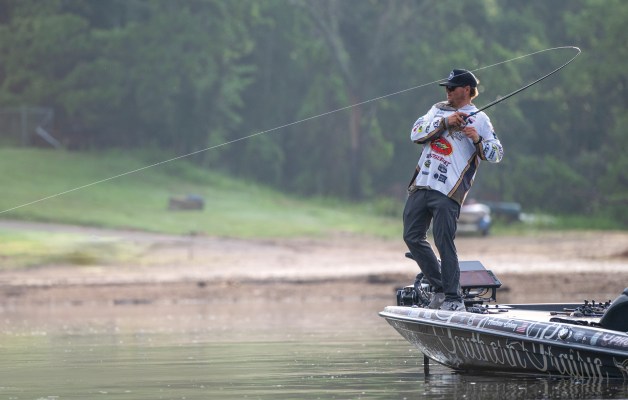
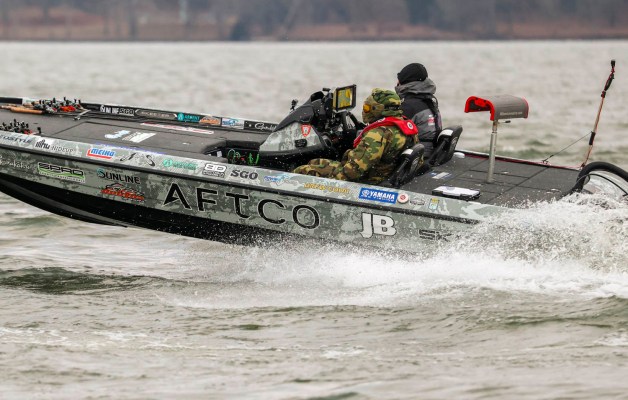
I look at guys who came before me, the ones who lived their careers in 17- and 18-foot boats. Many of them are in constant pain or can’t move their necks. Remember, back in their day, there were often only six B.A.S.S. tournaments a year. The twentysomethings coming up today fish far more than that. They make longer runs in rougher water, pushing the envelope as much as they can, and just like all of us did at their age, they think they’re invincible. But they’re not. At some point, they’ll need to make the tough choices that I make now, like not running to Clayton when we launch out of Massena on the St. Lawrence. Or maybe they won’t run across a nasty Champlain hoping for one more fish. But they also need to make better smaller choices every day, like eating better and stretching.
I got on the exercise train pretty early, but just because you’re hitting the gym doesn’t mean that you’re making yourself a better or more resilient angler. I spent a lot of time trying to lift as much as I could and build bulk when instead I should have been working on stamina, elongating my muscles and building up core strength. All that bulk resulted in tennis elbow and golfer’s elbow, which can make a tournament season into absolute misery. Like everything in life, you not only need to work harder, you need to work smarter, too.
Even when I retire from competitive bass fishing, I’ll still have memories of the sport. Not just the trophies, the friendships and the great times, but also the occasional searing pain. Five years ago, while practicing near Waddington, N.Y., I hit a wave that made my neck burn like it was on fire. When I hit one wrong now, sometimes it comes back. That may not be fixable, but it doesn’t mean that I shouldn’t make improvements and fixes where they are possible. That’s what I’ve learned in my older and wiser years. Don’t put off the necessary improvements.
I spent the offseason getting better, putting in the time to be ready to get on the water and be competitive. Every day that went by, I felt myself getting better. That’s in stark contrast to last year, when things seemed to get worse every day. That positive momentum has me excited about what will come next.
Despite the lasting aches and pains, I wouldn’t have traded this career for anything else. I’ve lived an adventurous life, and the bumps and bruises are lasting evidence of that, but the anglers following in my trail can learn from my example. You don’t have to beat yourself up to have a great angling career, and you shouldn’t let the injuries linger.