

Lure trends come and go, but I’m here to tell you the bladed jig is a trend that isn’t going anywhere. It has become a lure we continue to discover new ways to fish.
While ChatterBait was the originator and has become the generic term many anglers use, there are a lot of companies offering their versions.
I’m sure they all work to some degree and the brand you prefer is the one you have confidence in. I’m not sponsored by any of them, but my favorite has been the Z-Man JackHammer. The JackHammer comes in different models, ranging from bigger or smaller blades, and even clear blades, but I prefer the standard version.
Initially, anglers found the bladed jig to be an amazing tool for fishing over grass and during the prespawn. However, we’ve learned it’s far more versatile and can be fished from shallow to deep and throughout the fishing season.
I carry three basic sizes – 3/8, 1/2 and 1 1/4 ounces. I normally use 3/8 in Florida but will use the 1/2 ounce if fishing 5 feet or more.
I don’t throw a lot of different colors but have learned that in Florida I have two favorites; golden shiner for normal conditions, but it seems black and blue works best in low-light conditions. But hey, that may just be in my head.
I also carry green pumpkin for everyday water color outside of Florida and clearwater shad in clear water.
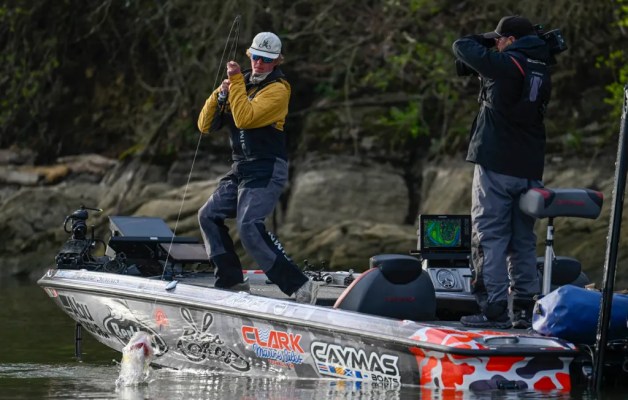
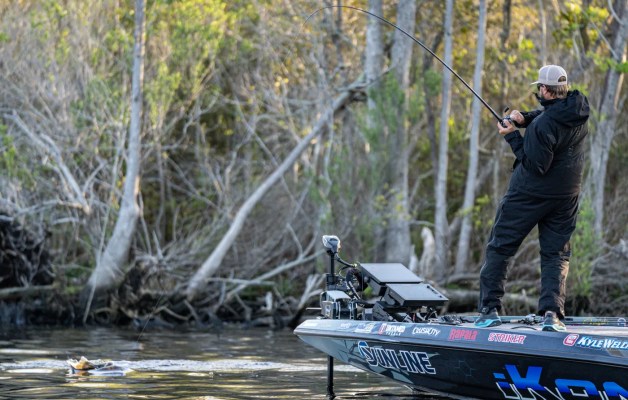
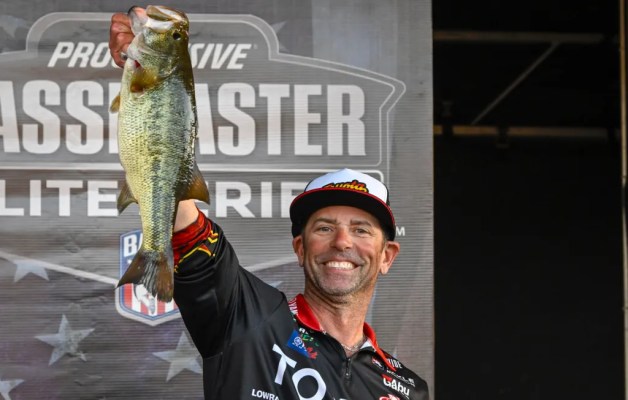
I usually fish it on 18-pound Sunline Shooter Fluorocarbon, but if I’m fishing shallow around heavy cover, I’ll fish it on braid to help keep it higher in the water column. That’s what I did to catch some fish in the Bassmaster Elite Series I led on the St. John’s River.
The rod is a big key to your success. I like the 7-4 Ark B-Hittay, which, in my mind, is the best for fishing these lures. It’s a composite rod with the right action, isn’t stiff and allows the rod to load up when bass grab the bait. Stiffer rods tend to jerk it away from the fish.
The exception is when I’m fishing deep. When I fished a tournament on Guntersville, I caught several bass on the 1 1/4-ounce JackHammer in 20 feet of water. I let the bait hit bottom then snapped it up and let it fall. The bass hit when the bait was falling.
In that situation, I needed a stiffer rod to get a good hookset in that deeper water, so I used my flipping rod. It worked great.
Some guys stick to one kind of trailer on their bladed jigs, but I suggest you remember the trailer can affect buoyancy and action. For example, I like the Yamamoto Zako most of the time, but if I need to keep the bait higher in the water, I will use a Zoom Ultra-Vibe Speed Craw. Another good trailer is the Strike King Blade Minnow.
Many anglers prefer to simply cast out and run a steady retrieve back to the boat. That works, but oftentimes you have to make the lure move erratically to trigger strikes. You also can fish it like a crankbait when possible, allowing it to bump into cover.
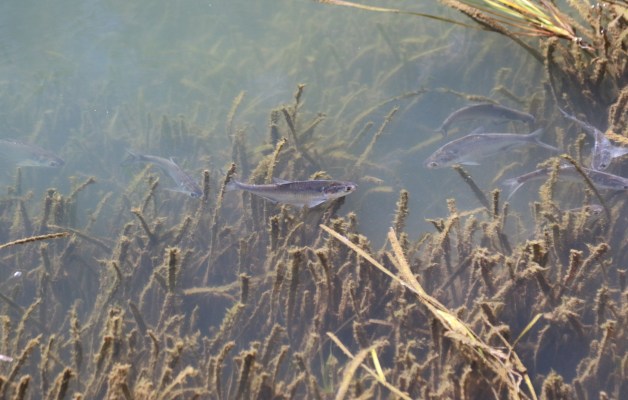
It’s pretty darn weedless, so you can snatch it free from grass. When I fished a tournament in Florida and bass were spawning around dead clumps of reeds, I had to bump the clumps to trigger the strikes.
So, the next time you tie on a bladed jig, don’t be afraid to try different retrieves, different sizes and trailers, and don’t be afraid to fish it in deep water.
It’s an extremely versatile lure that puts a lot of fish in the box from early spring through late fall.