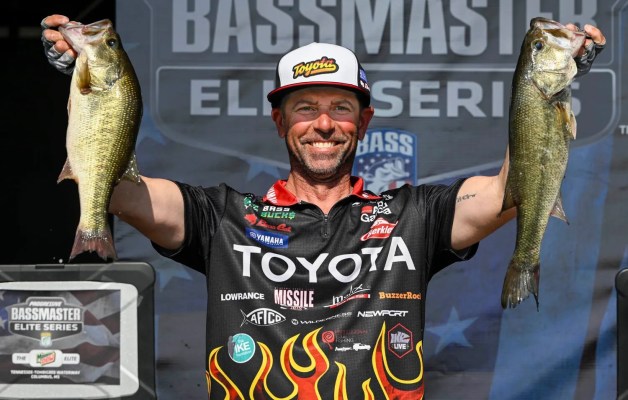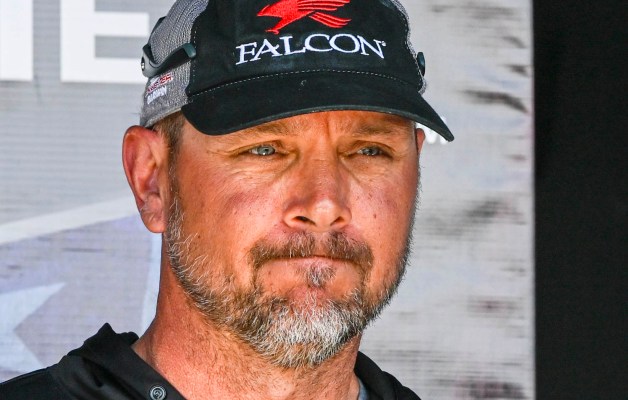
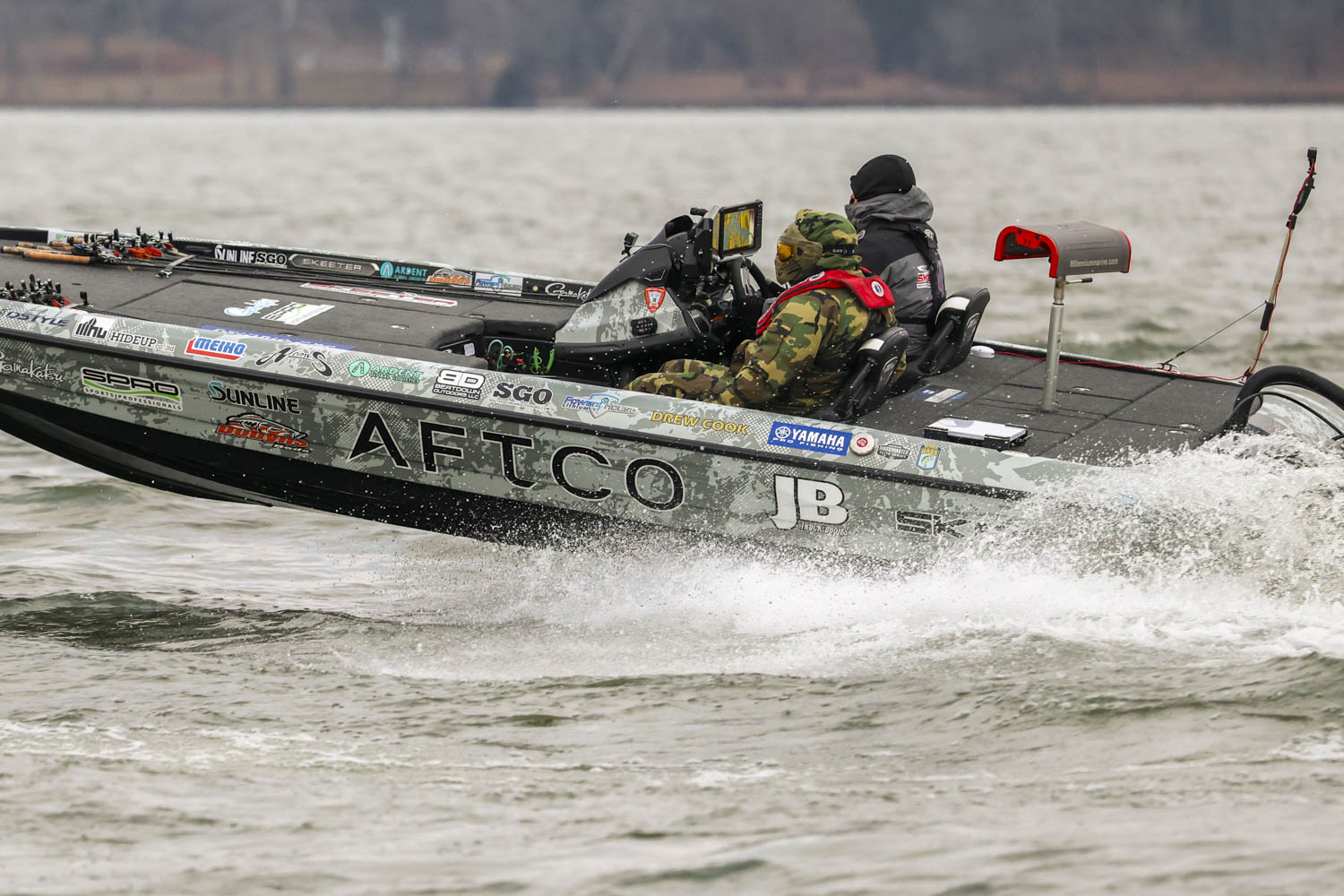
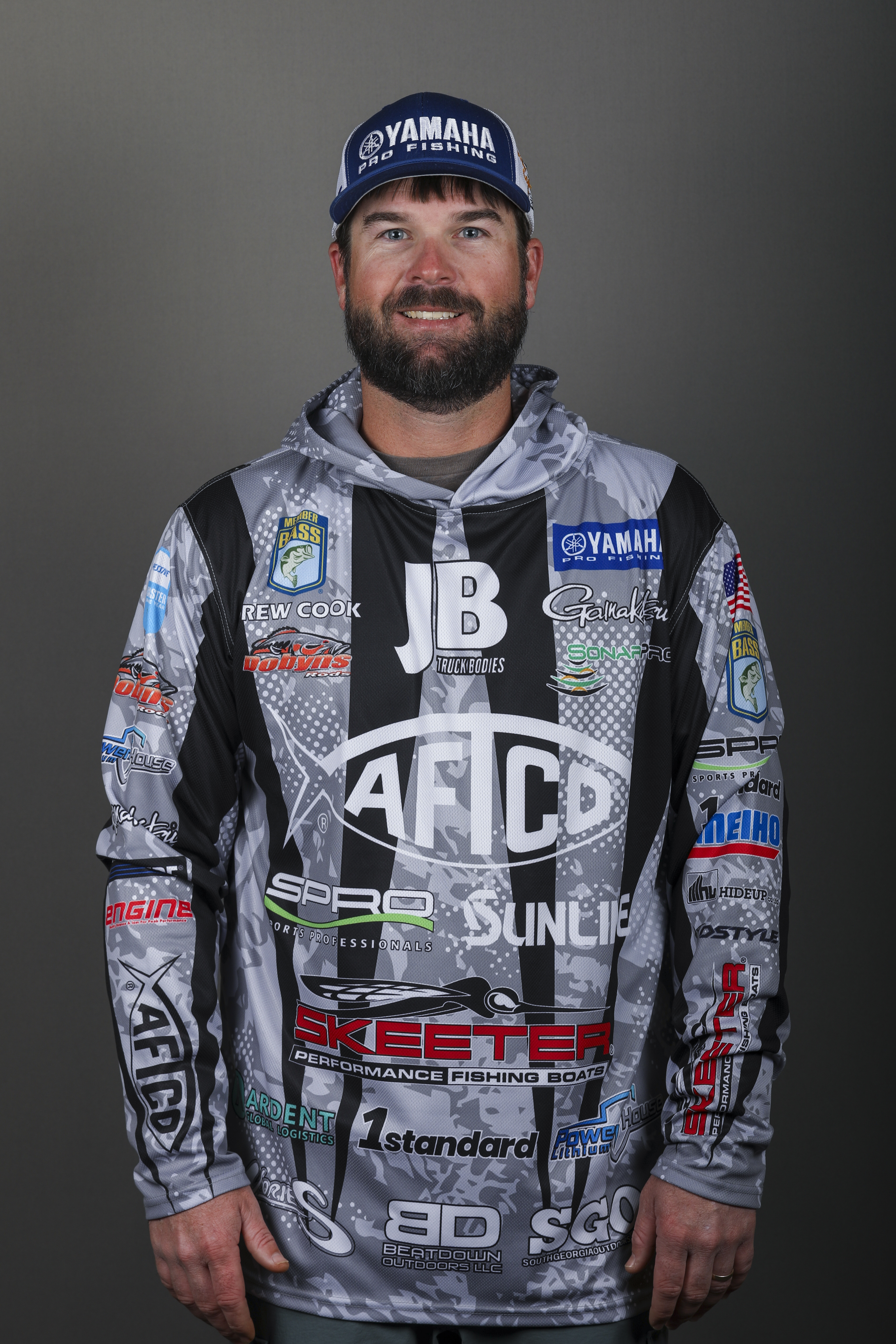
Growing up in South Georgia and North Florida, sight fishing for bass became one of my favorite ways to fish. I have always enjoyed watching bass on beds, learning the nuances of their behavior. Through the years, it’s been a primary technique in my tournament-fishing arsenal.
Some of that sight fishing influence came from watching reruns of Bassmaster tournament shows from the late 1990s through the mid-2000s. Looking back, that time frame was the sight fishing era in tournament bass fishing. Fish were caught in many different ways throughout the tournament season, but every spring, sight fishing was a mainstay technique.
It started in the mid 90s with the OG sight-fishing greats like Guido Hibdon, Shaw Grigsby and Peter Thliveros. These guys spent hundreds of hours studying bass on beds, using patience and observation to their advantage. Sight fishing wasn’t actually a lot of casting and reeling; instead, it was a game of watching and waiting. Learning the peculiar habits of each fish was part of the process, and it was more like stalking than fishing.
The sight fishing era reached a peak in January 2001 when Dean Rojas caught the biggest five-bass limit in B.A.S.S. history, weighing in at 45 pounds, 2 ounces. His limit included two 10-pounders, a 9-pounder, an 8-pounder, with his smallest being a 7-3. He watched each of those behemoth bass inhale the lure.
The coverage of that event created a big-bass spectacle that helped propel tournament bass fishing to new levels. Tournament leagues took too teeing up their schedules to follow the spawning months and moons throughout the country. It would be like: January and February in Florida, March in Texas or the Carolinas, April into the Ozarks, and all the way up to Champlain in June. Pros could sight fish nearly half their season.
Along with Rojas, a generation of sight fishing titans emerged from that era. Pros like Kelly Jordon, Ish Monroe, Aaron Martens, Clark Wendlandt, Edwin Evers, Alton Jones and Preston Clark were lining their bank accounts with sight-fishing winnings. They caught big bags of bass from lakes like Okeechobee, Toho, Seminole, Eufaula, Santee, Murray, Lake of the Ozarks, Champlain, St. Clair and anywhere else sight fishing was even marginally possible.
The sight fishing era even helped shape the tackle and equipment of that time. Pros carried bags and bags of soft plastic tube lures, lizards and craws to imitate bed intruders. The Senko emerged as a deadly bait to cast around for spawning bass while looking for beds. Fluorocarbon line, which was touted as being invisible to bass, became popular to improve bed-fishing stealth. Even a variety of spray-on scents and dies came to market to help doctor up baits for bed fishing. In the early 2000s, the sight fishing era dovetailed with the introduction of the Power-Pole shallow water anchor. Originally designed for saltwater, Power-Poles became an absolute must-have to sight fish for bass.
Sight fishing’s effectiveness began to wane about 2010 when the boom of side-scan electronics set off the offshore “megaschool” craze, which led to deep-diving crankbaits, big swimbaits, umbrella rigs and giant spoons becoming new lure market leaders. Since then, sight fishing’s dominance has continued to fade away.
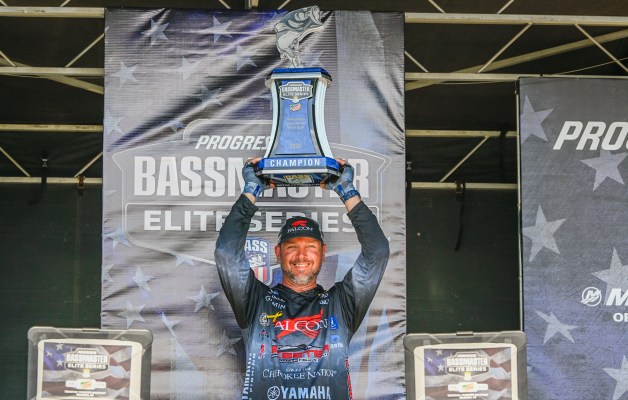
The tournament organizations don’t chase the bass spawn with their schedules across the country as hard as they used to. With that, the opportunities to sight fish have dwindled. There is still an event or two each year where I can go all-in on sight fishing and do well. I won an Elite Series at Santee Cooper in 2022 by sight fishing. And I captured another national win at the St. Lawrence River in 2025 sight fishing. But it’s not nearly as much of a player as it used to be.
In addition, the term “sight fishing” has shifted from physically looking at bass in the water to seeing them on a screen in the form of forward-facing sonar. This new technology has taught us so much about bass that we did not know. One of the big eye-openers has been learning how deep bass can actually spawn. Now we know that bass have been bedding all the way out into 6, 8 and even 10 feet of water for years. And there are far more of them out there than ever came up to the bank. We used to think bass were done spawning by April in the Southeast. Now we know there are plenty of them that spawn out deeper in April and well into May.
These days, I still hunt the shallows for spawners because I love the sight fishing process. On tour, I travel and room with Drew Benton, who is also an excellent sight fisherman. We have had many discussions on the overall changes in bass-spawn behavior over the years. Just from observation, bass don’t seem to migrate or travel as far into backwaters or way up onto flats like they used to. It seems they want to spawn somewhere right off the main drag where deeper water is close by. Bass that still spawn shallow seem to be far more wary than they used to be. Twenty years ago, bass would hang around within sight of the beds and make small laps, passing through the beds frequently. These days, they disappear, often retreating out into deep water for long periods of time, eating up the clock. Also, they seem to spawn faster. They get up there, get it done and get out.
Sight fishing is never going away, but it’s certainly not the craze it was on those Bassmaster shows from the late 90s and early 2000s. Its fade away as a prominent technique is a reminder of how tournament bass fishing is constantly changing. The old techniques give rise to new techniques. New ways to catch bass drive the modern marketplace. It’s my job as a professional angler to keep up with these changes, learn the new techniques and apply them in competition.
But I also have a nostalgic streak in me. Each year, when the schedules come out, if I see an event in the spring that might just possibly line up with a full moon and a warming trend, I can’t help but grin a little.